Blog Image

travels with janne

7 – Biodiversity is the stuff of life

Colombia Posted on 16 Oct, 2025 17:24

I came to Colombia looking for biodiversity and found it – but we must not take it for granted. Even here, some species and ecosystems are threatened.

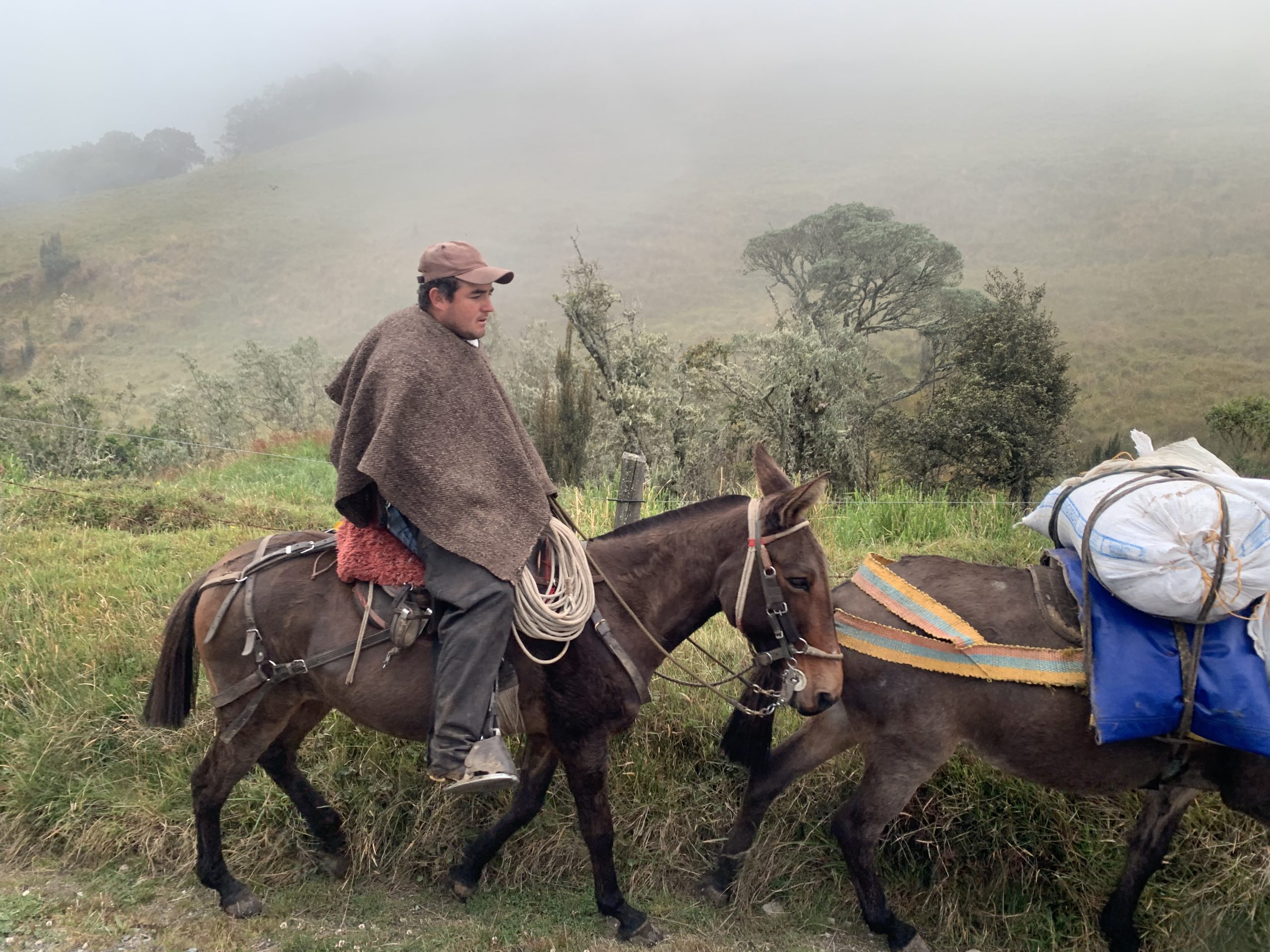
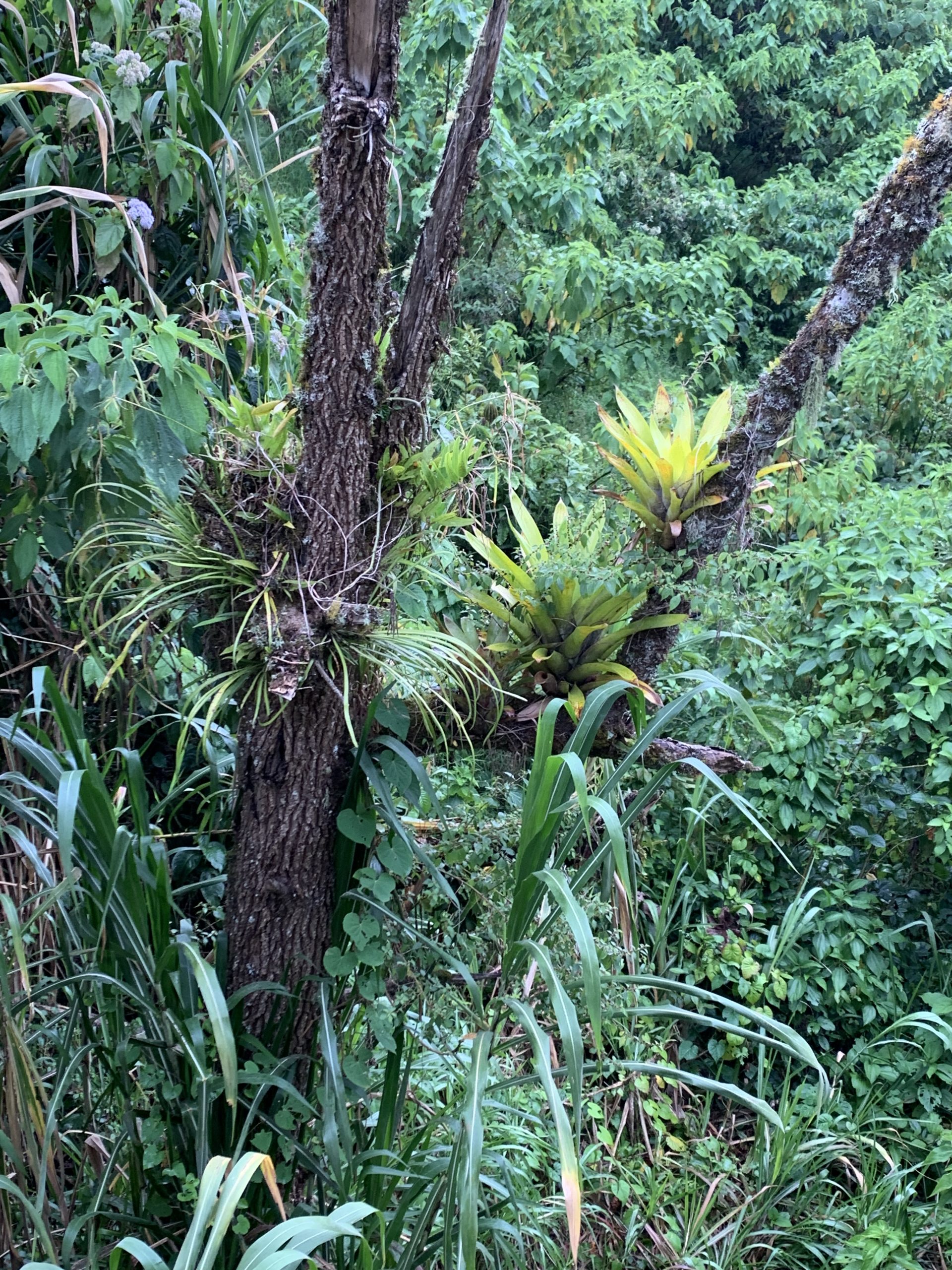
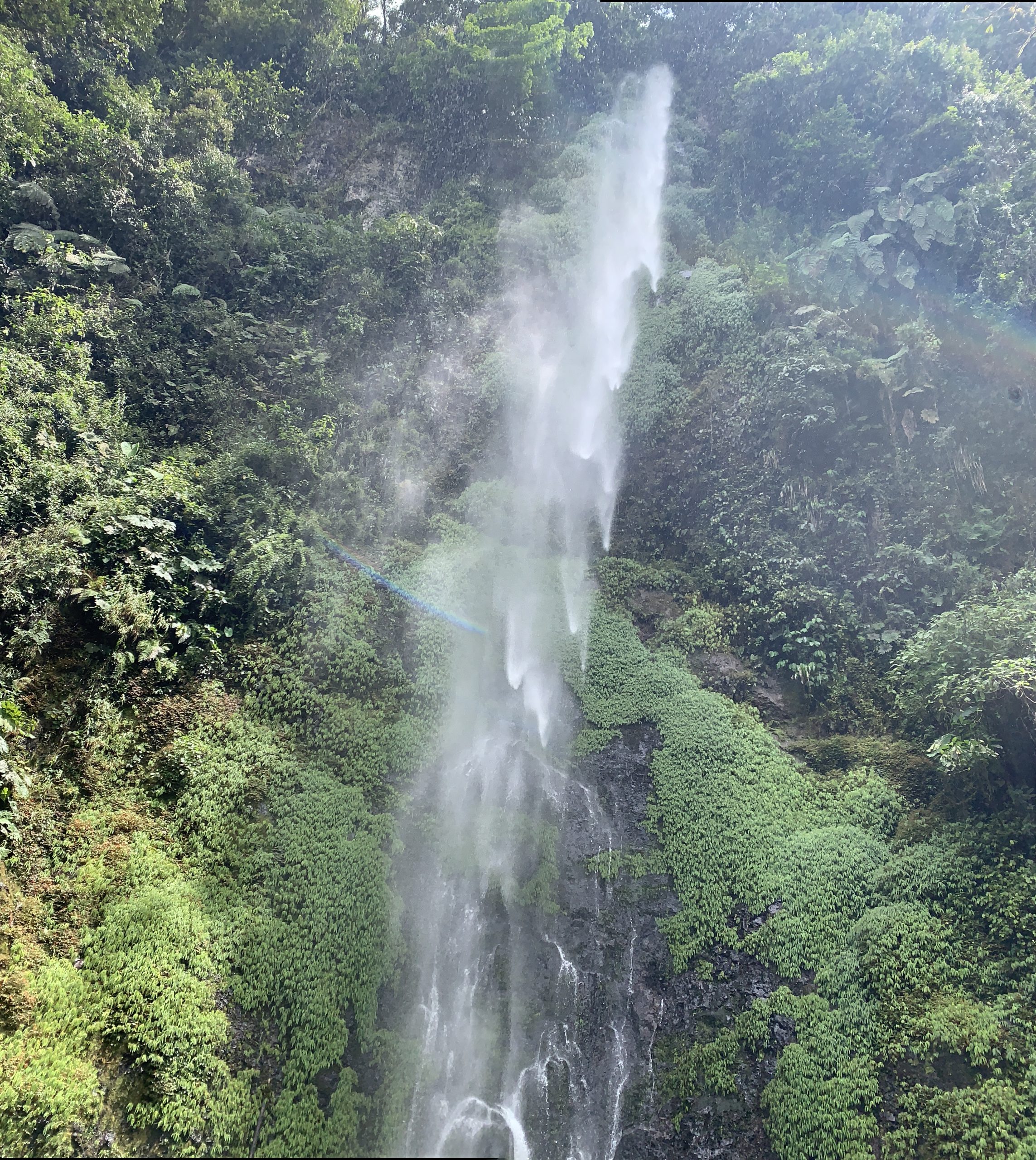
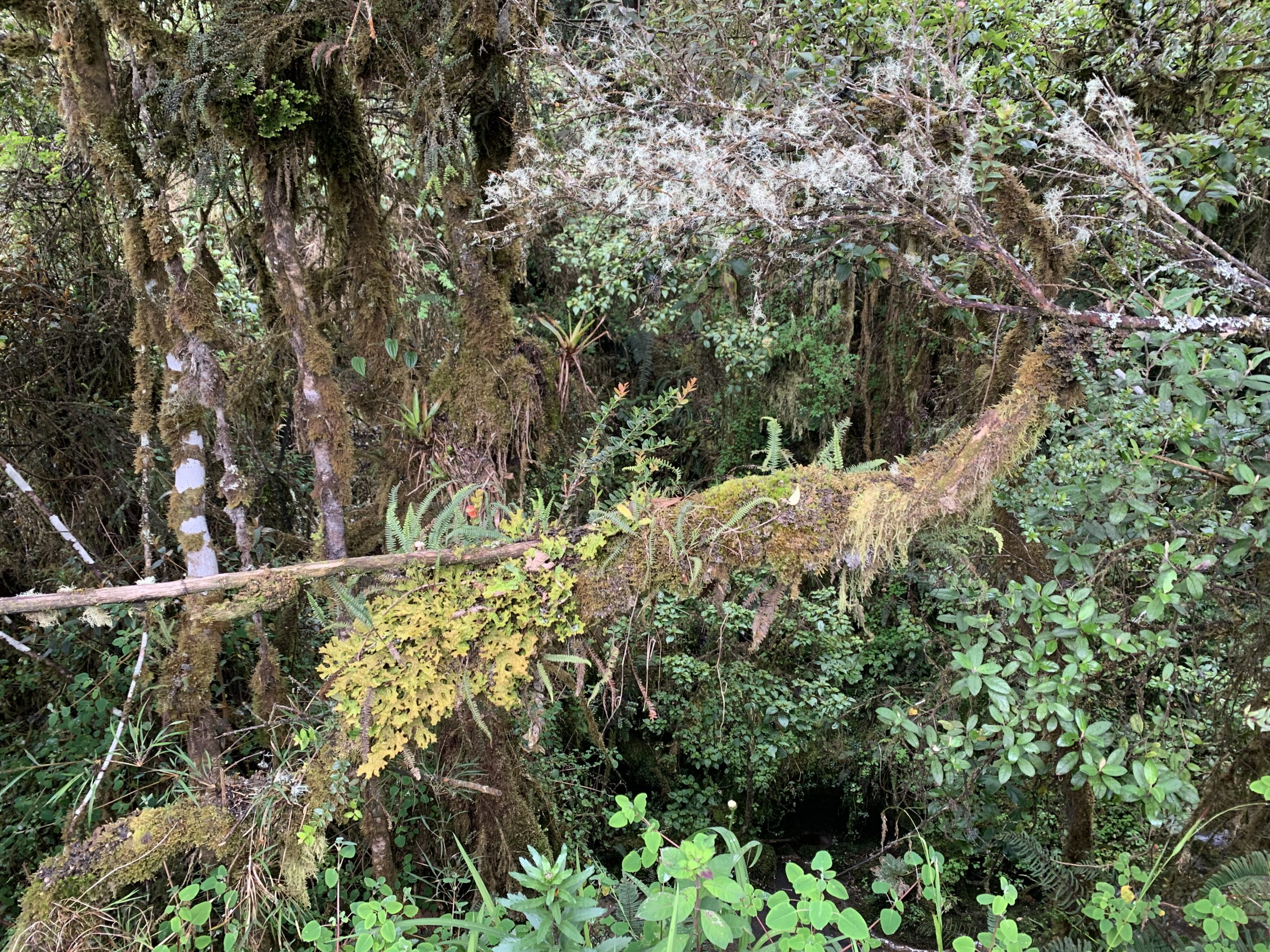
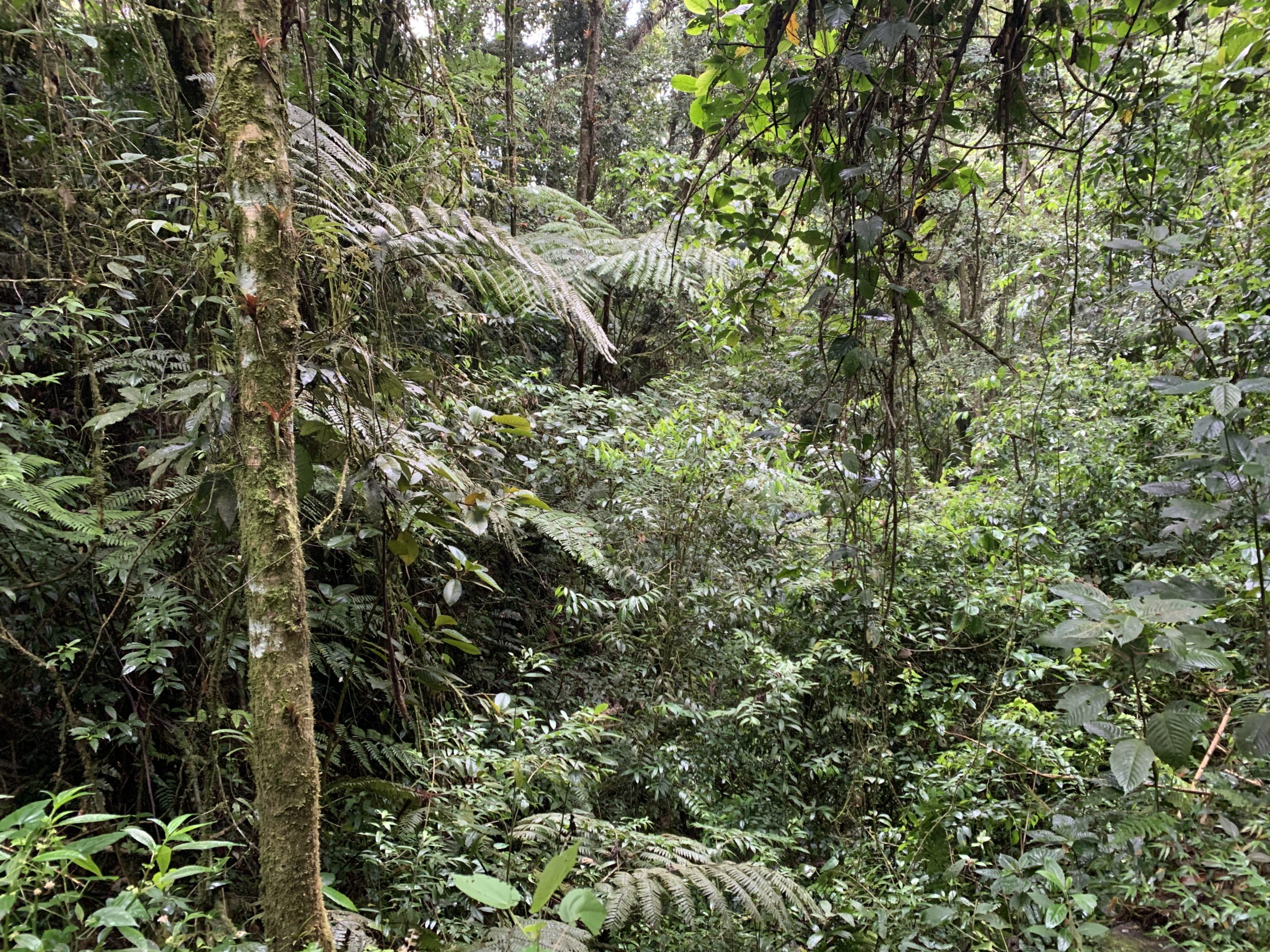
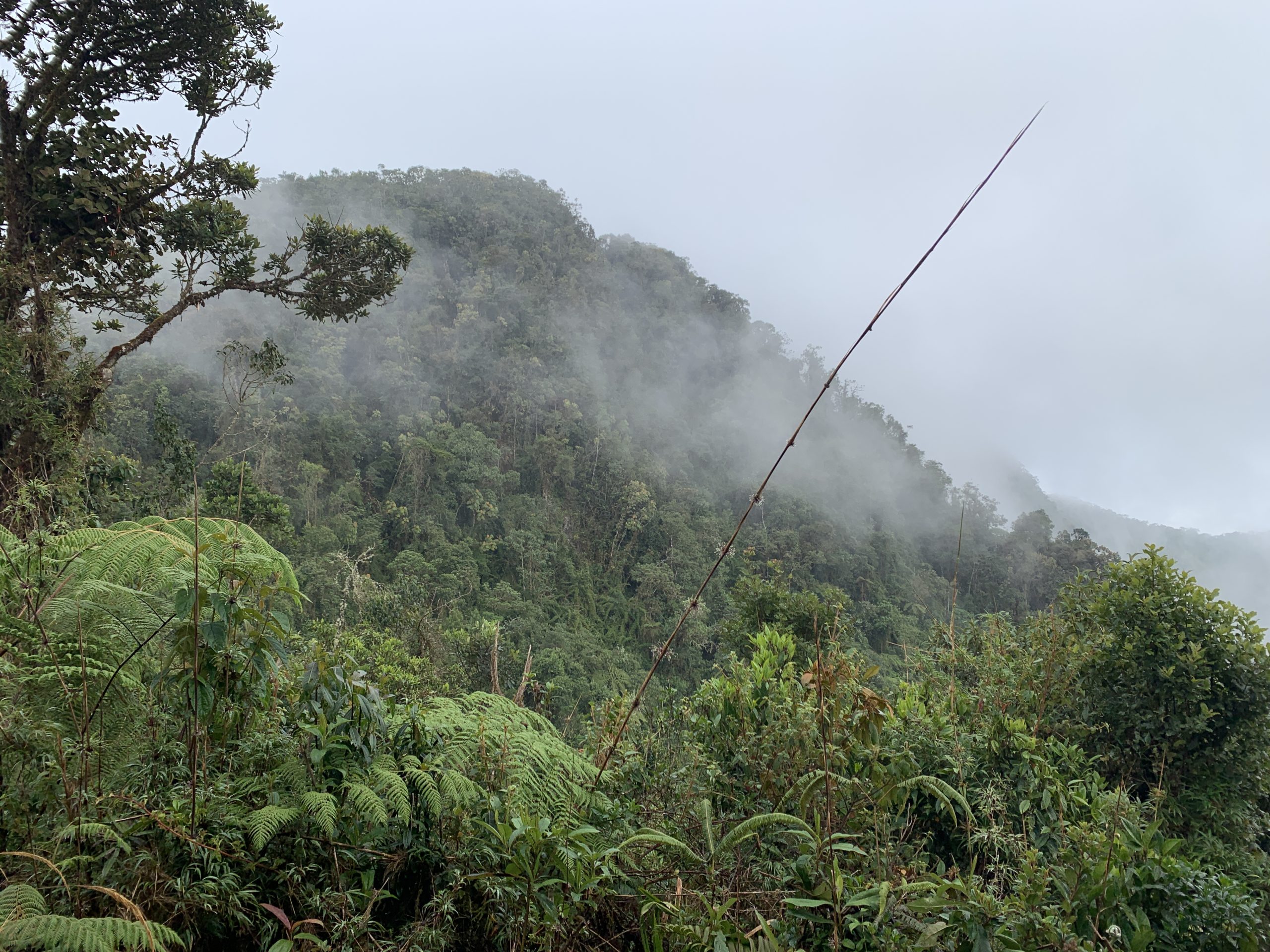
I have good memories of Colombia. I have seen jumbles of greenery in rainforests, cloud forests, mountains and wetlands, met butterflies, birds, flowers and people, enjoyed cups of coffee in colourful villages, and met horses and mules on mountain trails.

Above all, I have enjoyed the biodiversity I came in search of. Everything is interconnected. That is what biodiversity is all about. If you remove a chunk from an ecosystem, it will affect all kinds of other organisms and natural processes. That is why it is important to not only plant trees, sow seeds, and re-introduce animal species, but to ensure that the whole ecosystem contains the necessary elements – along the entire scale from apex predators to tiny creepy crawlies and fungi.

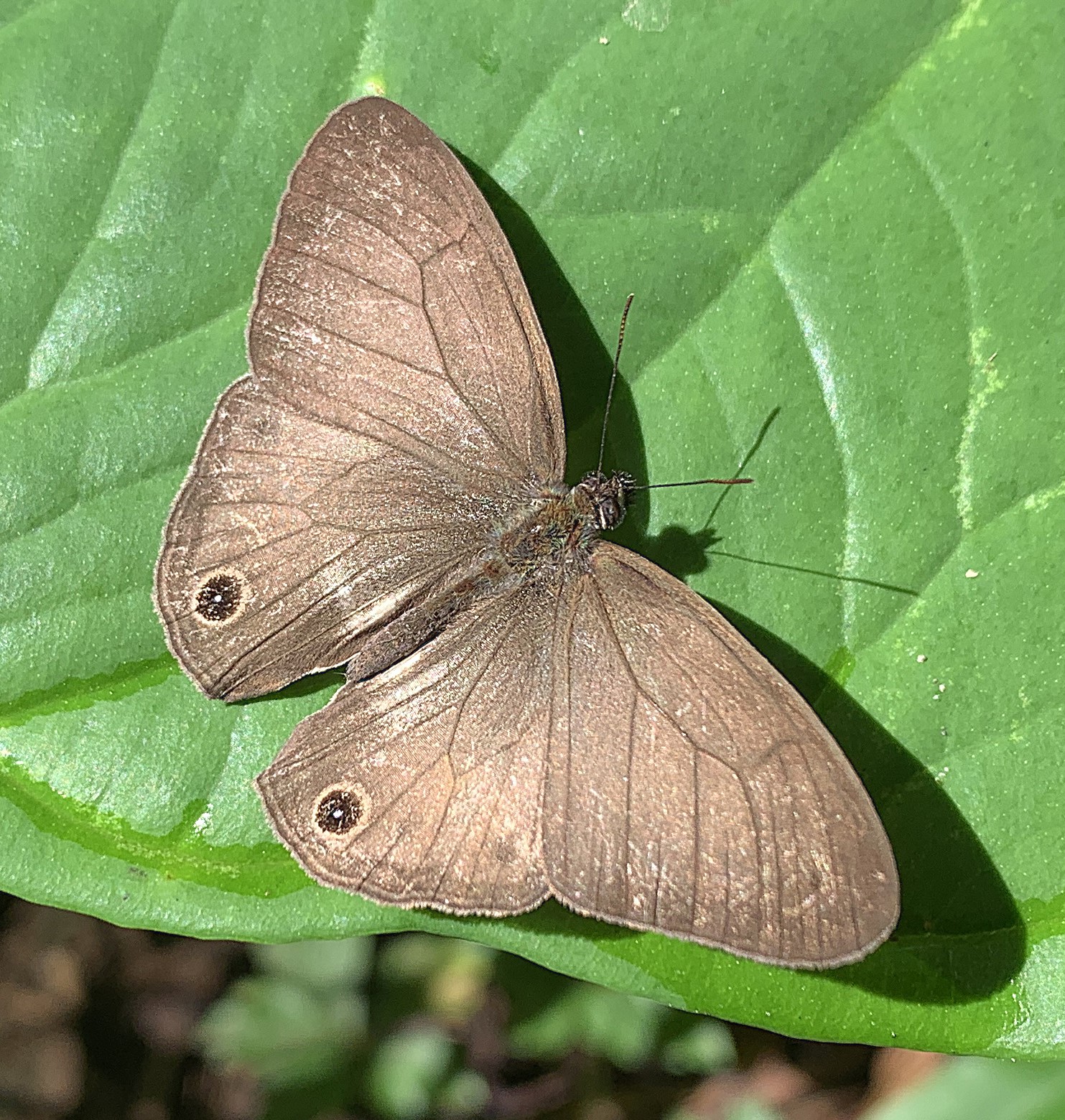
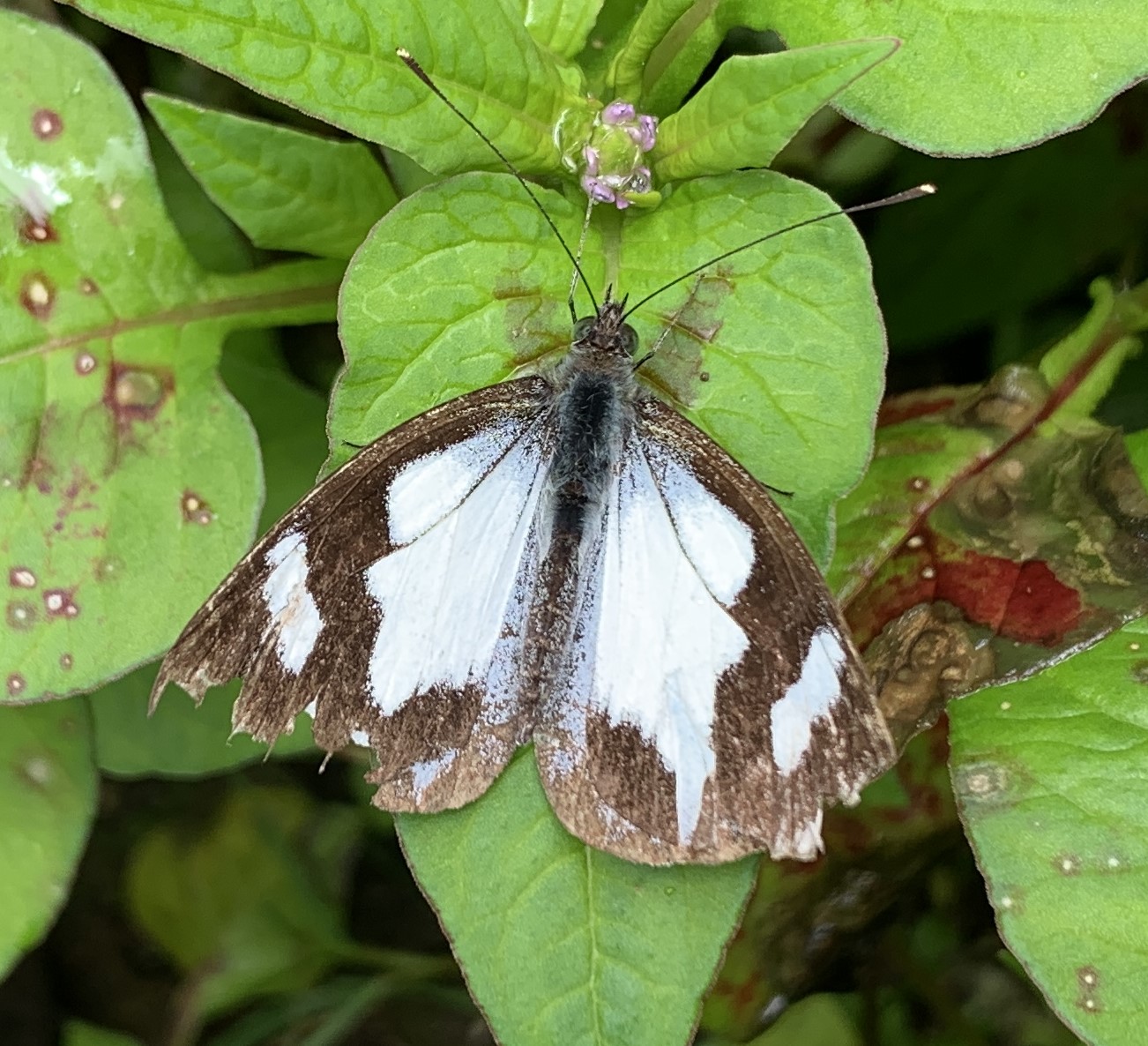
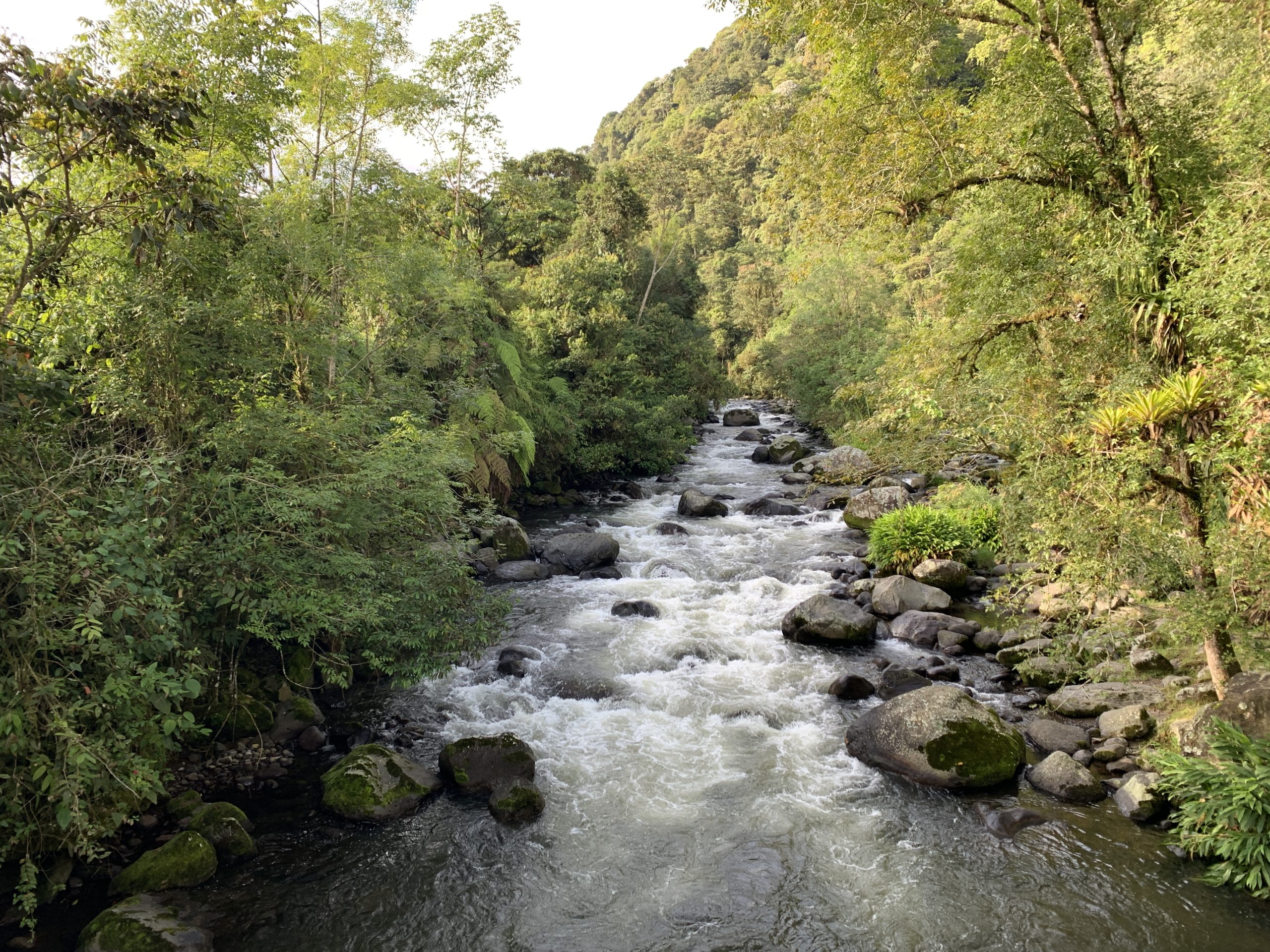
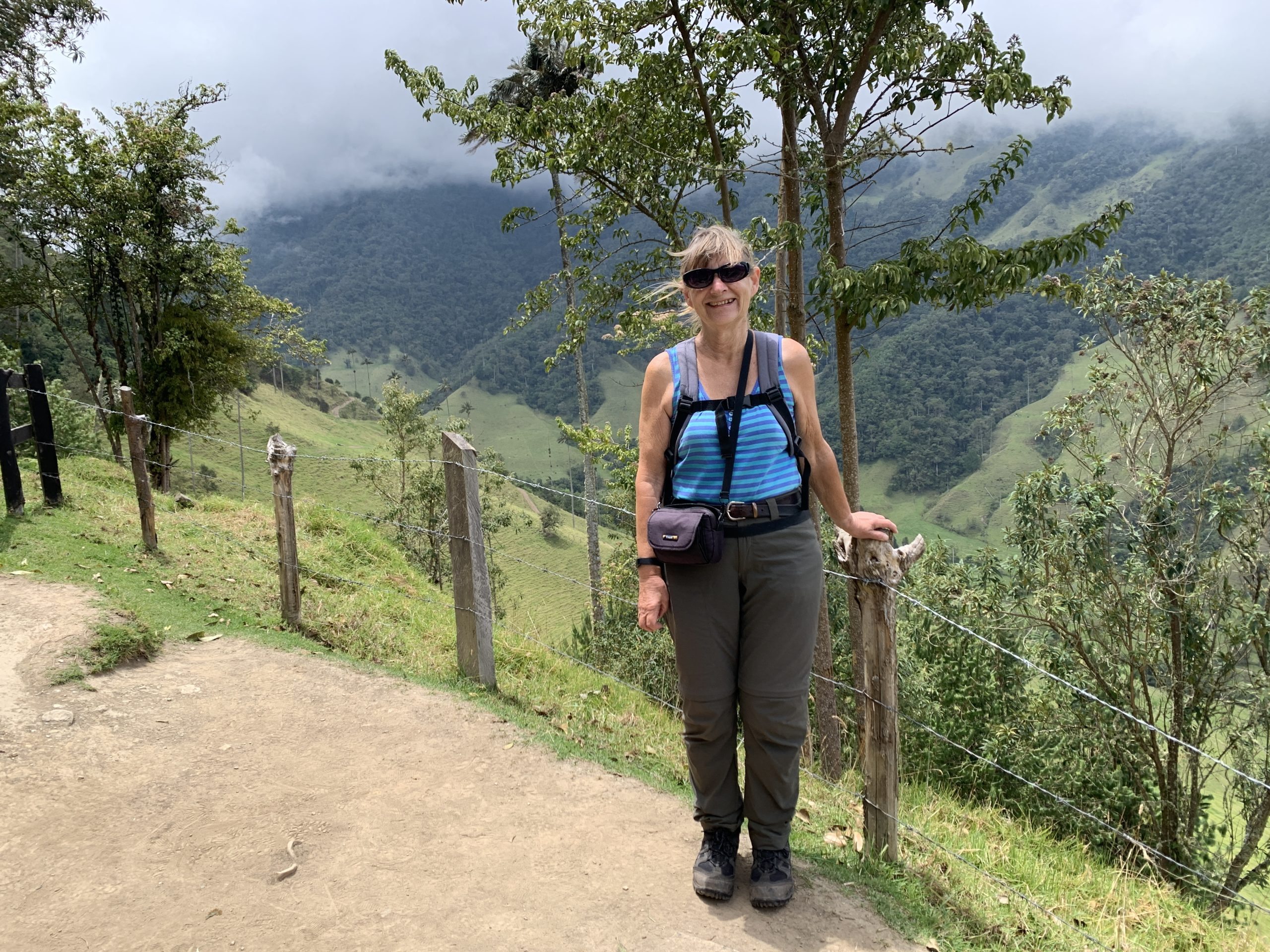
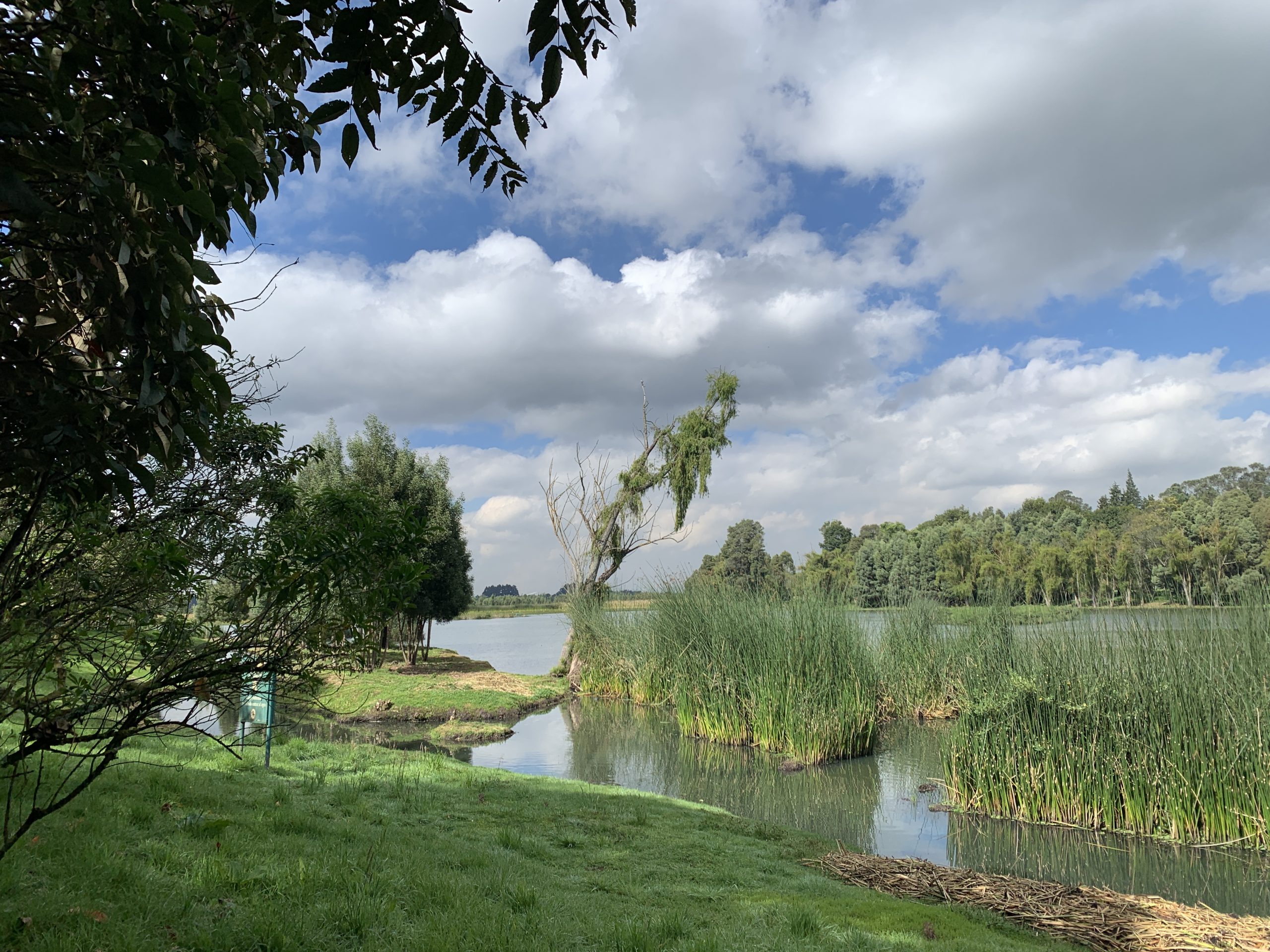
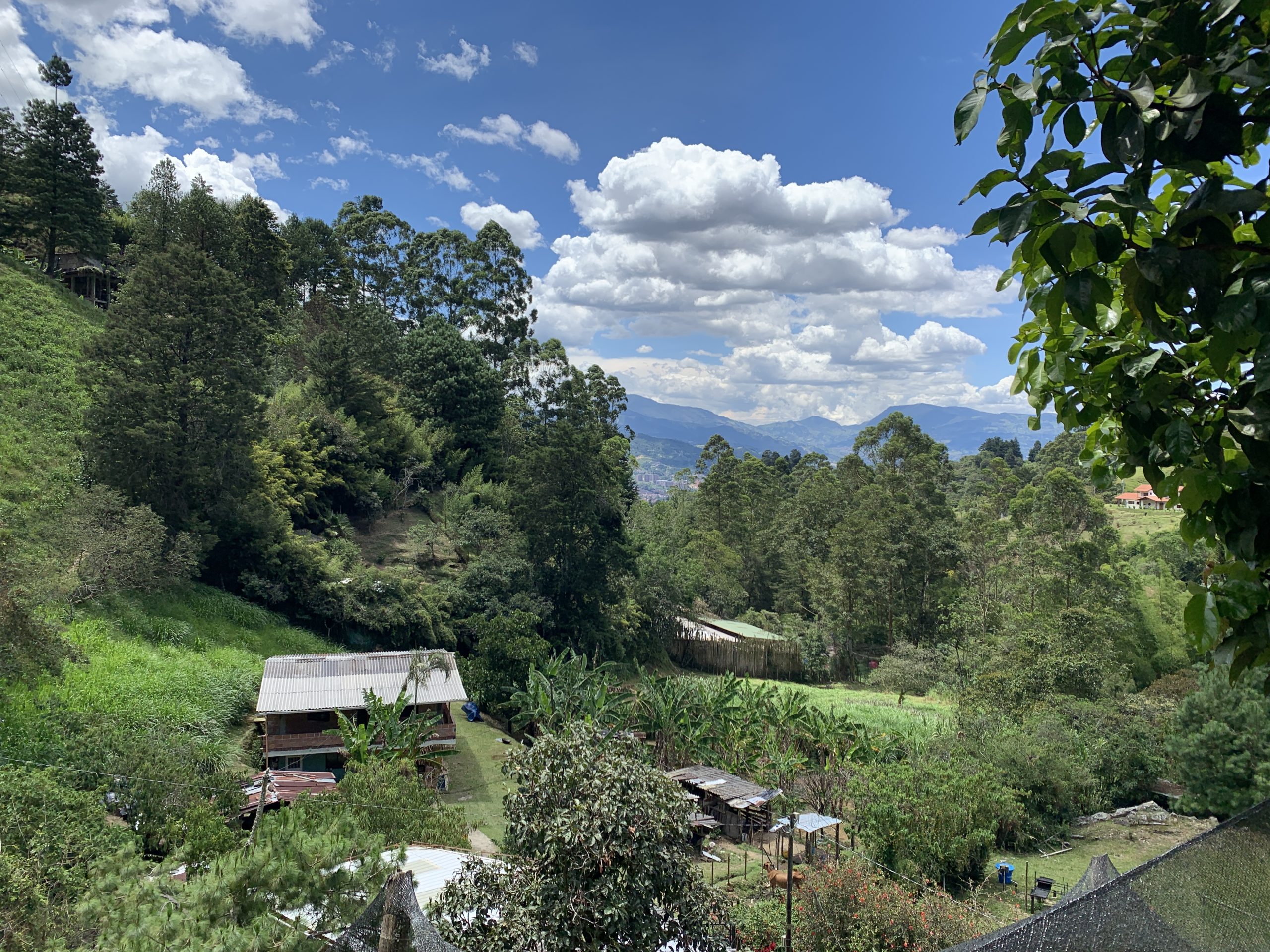
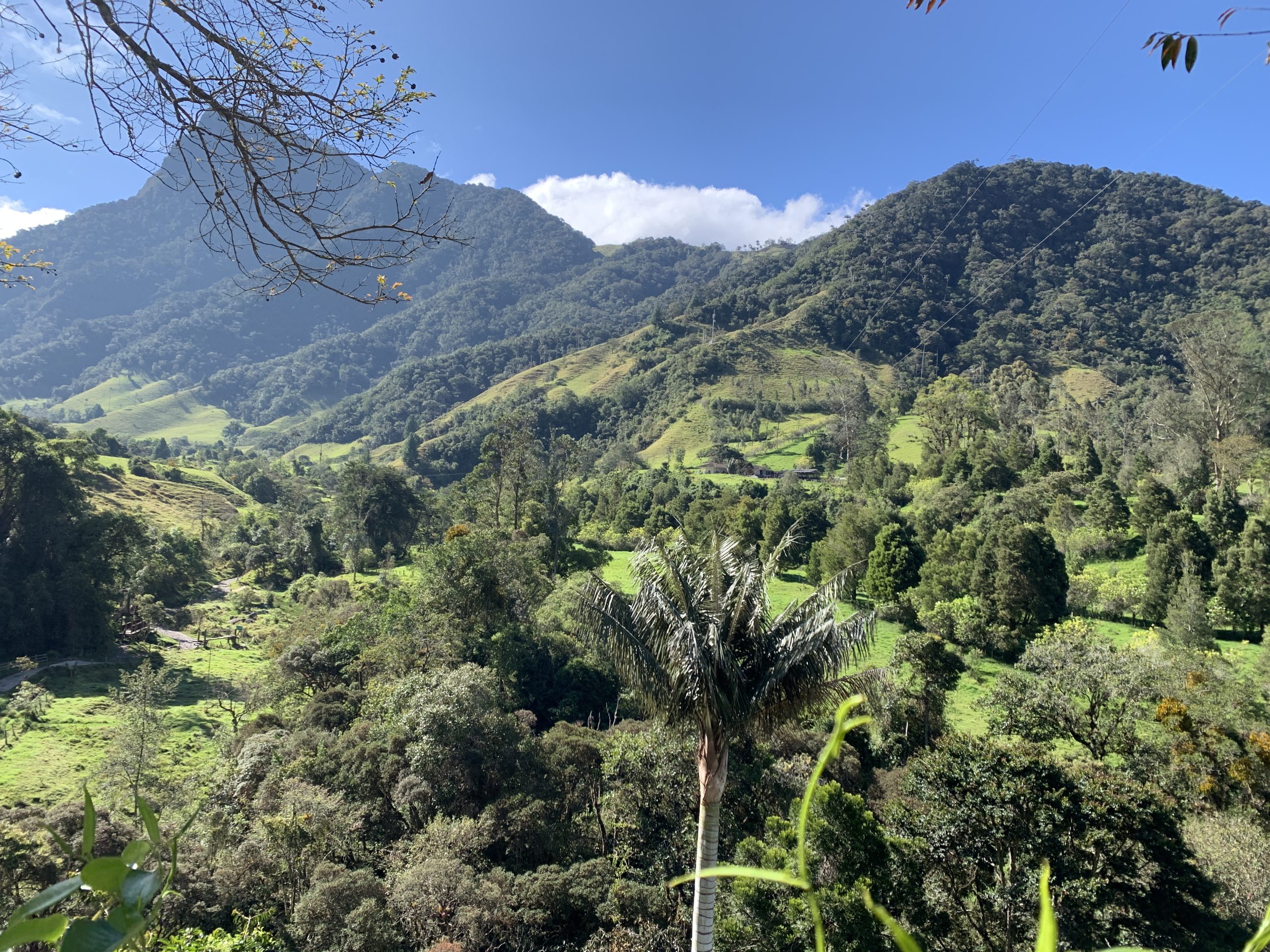
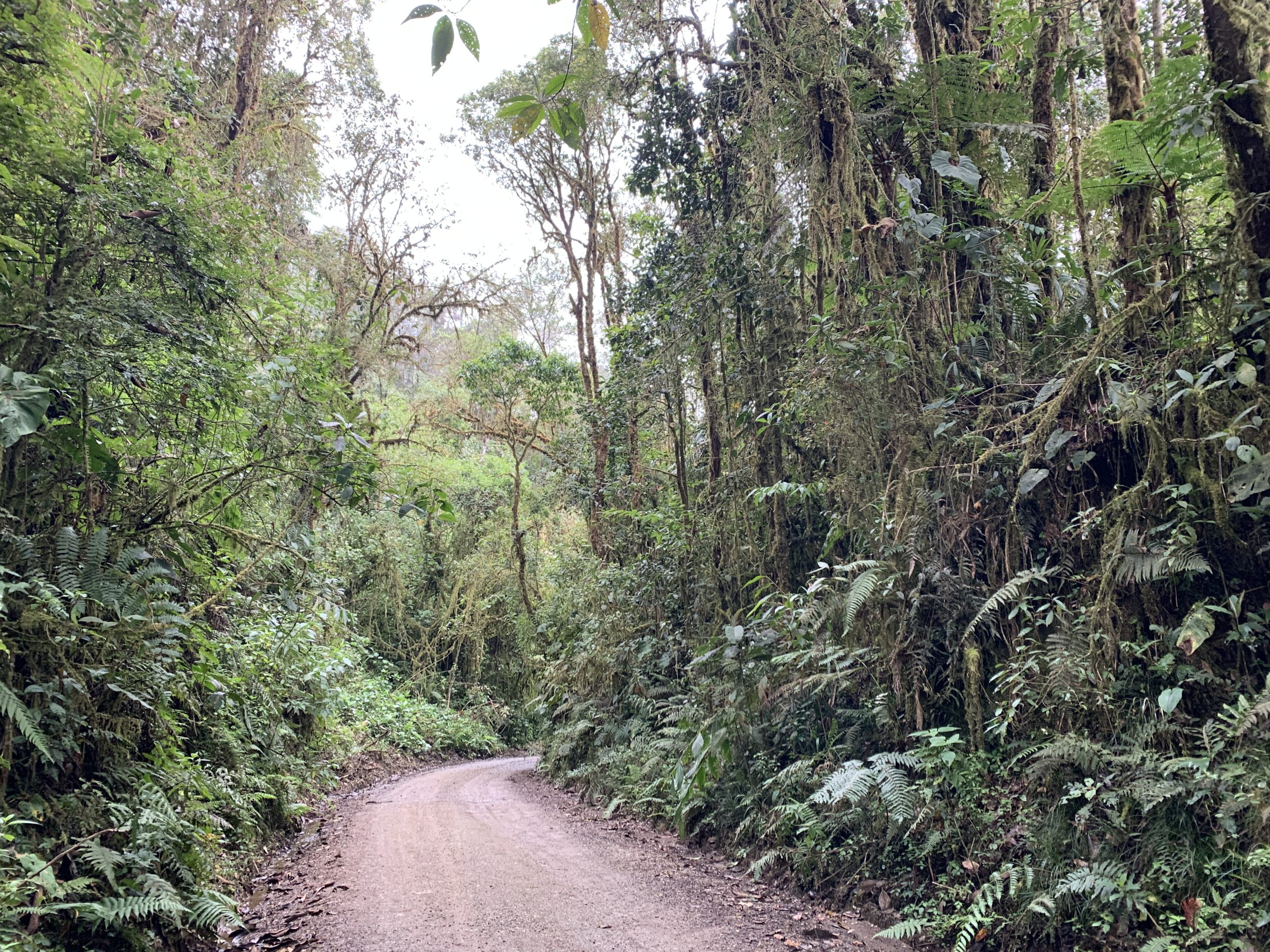
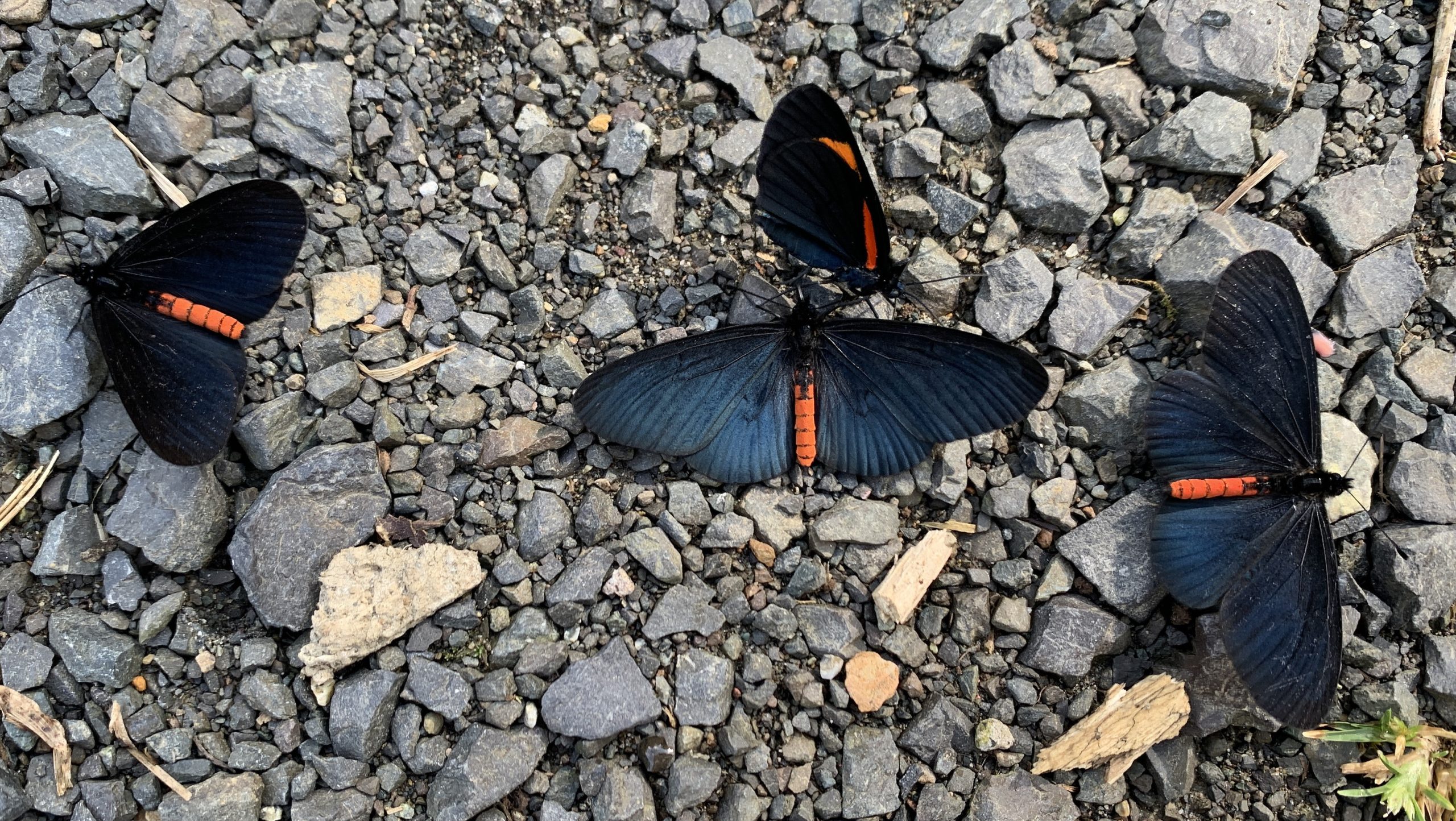
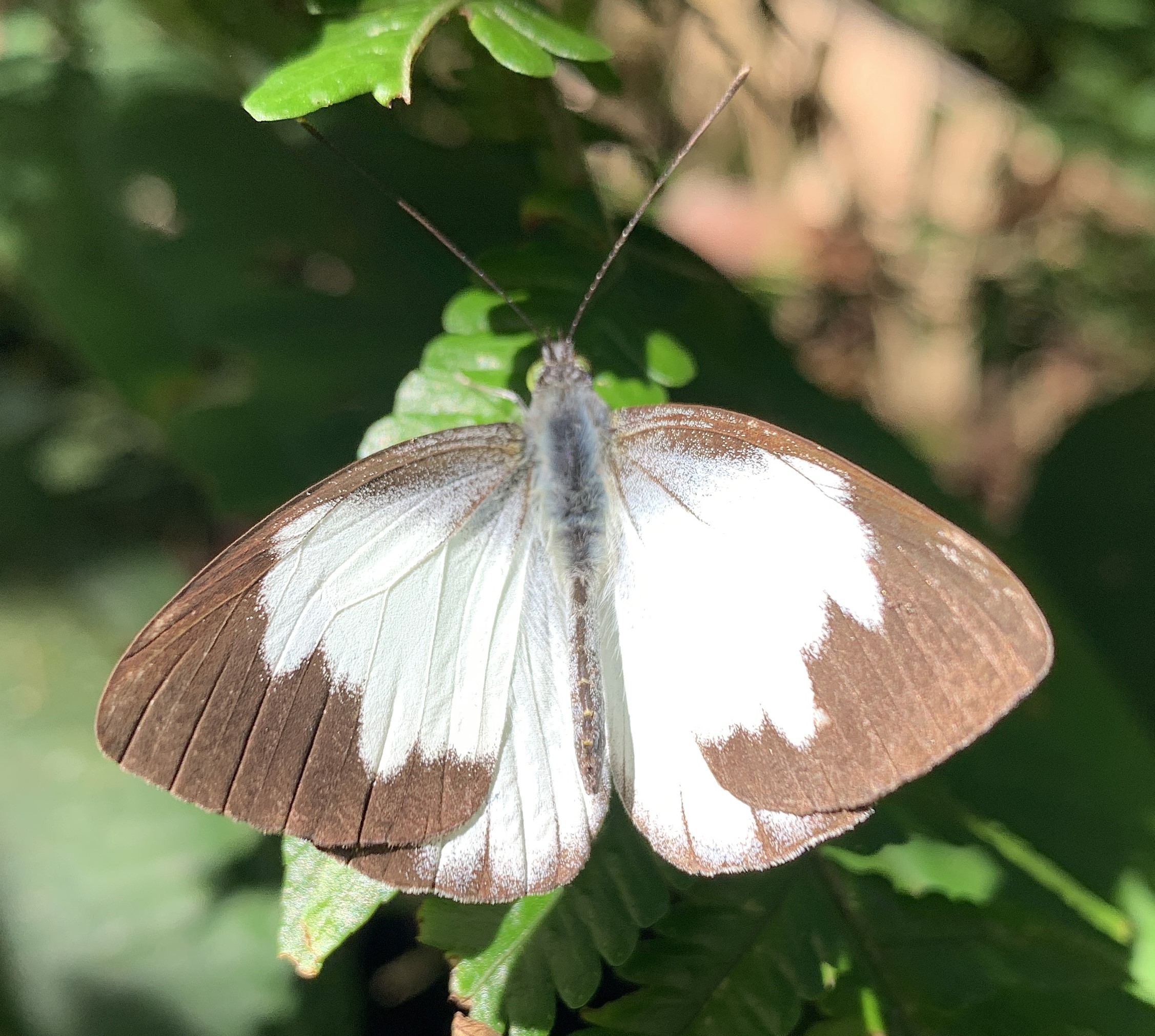
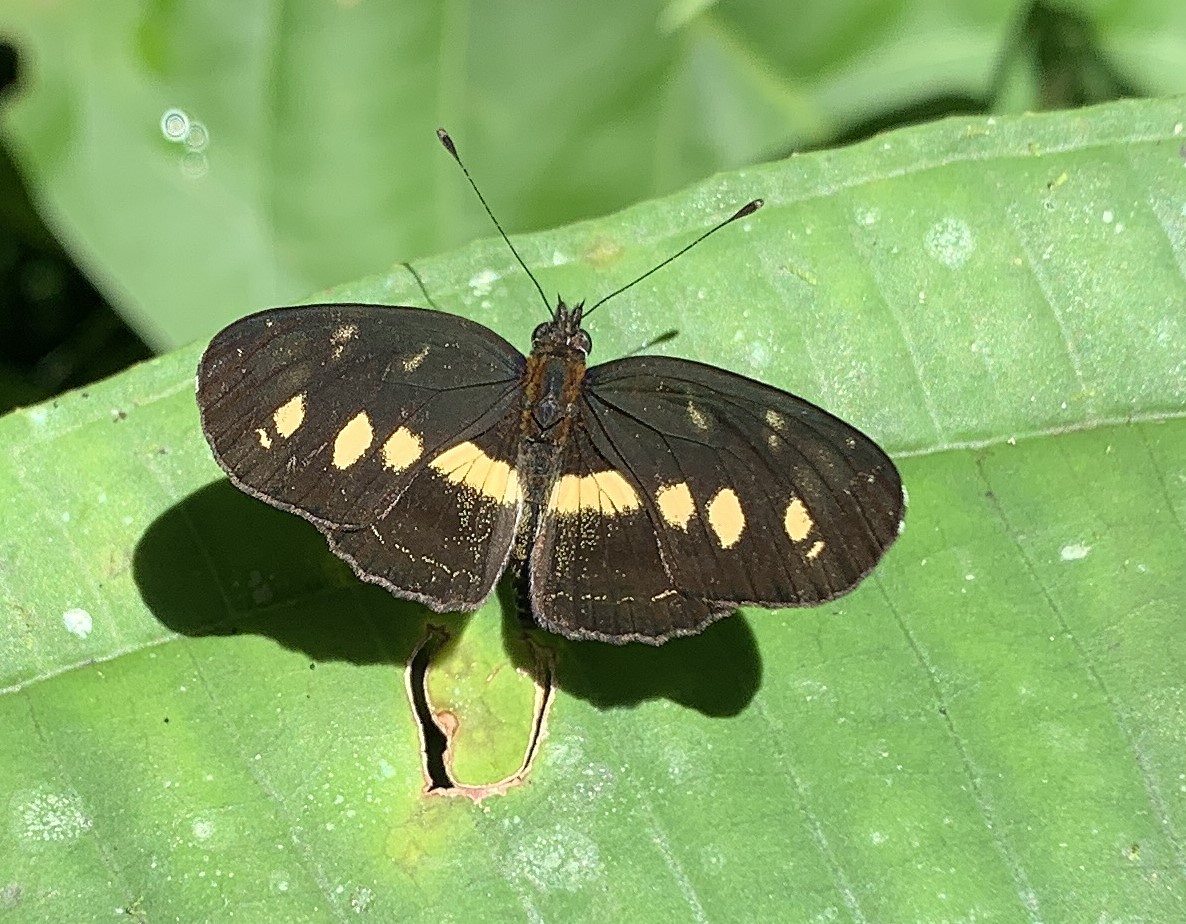
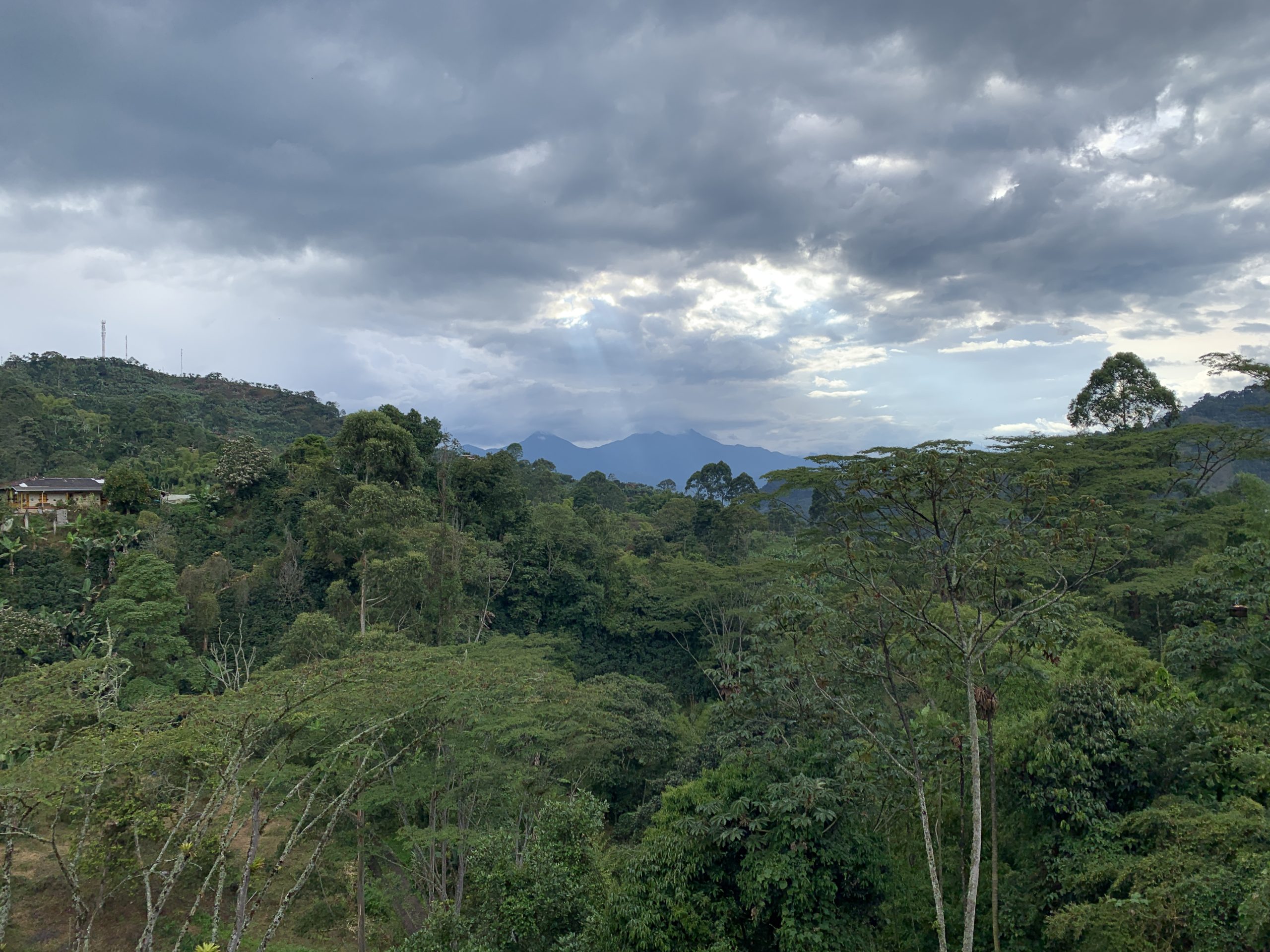
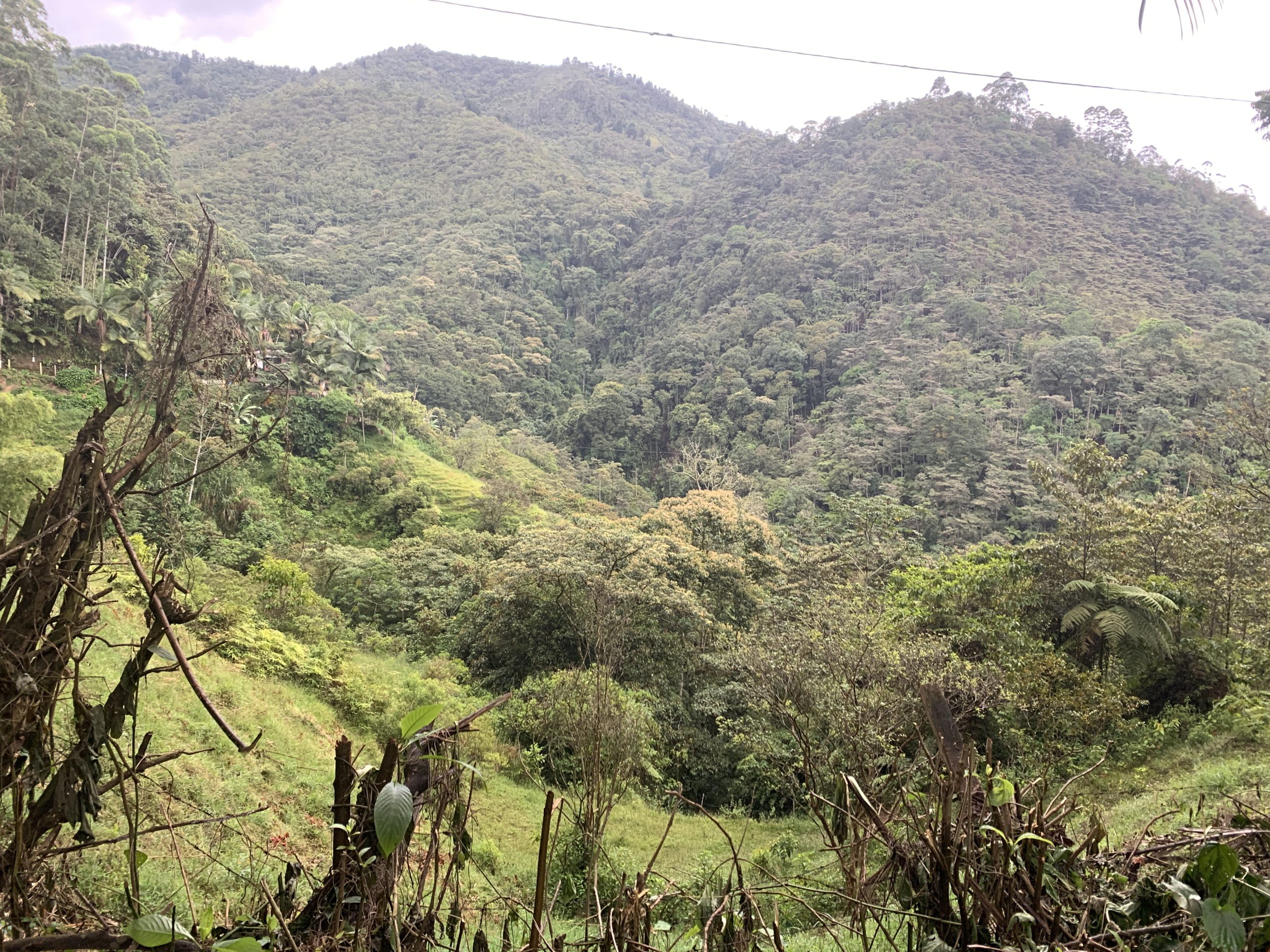
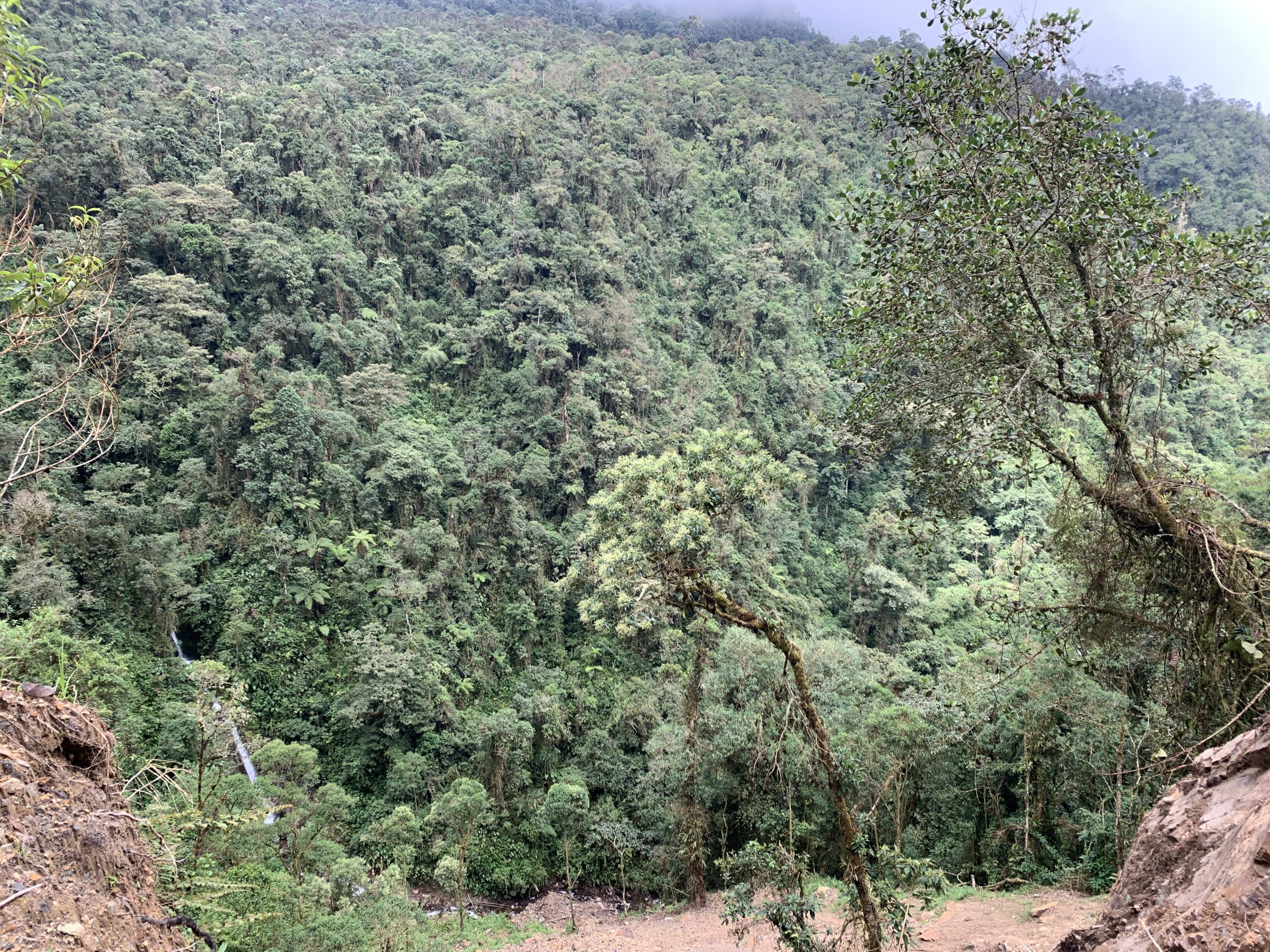
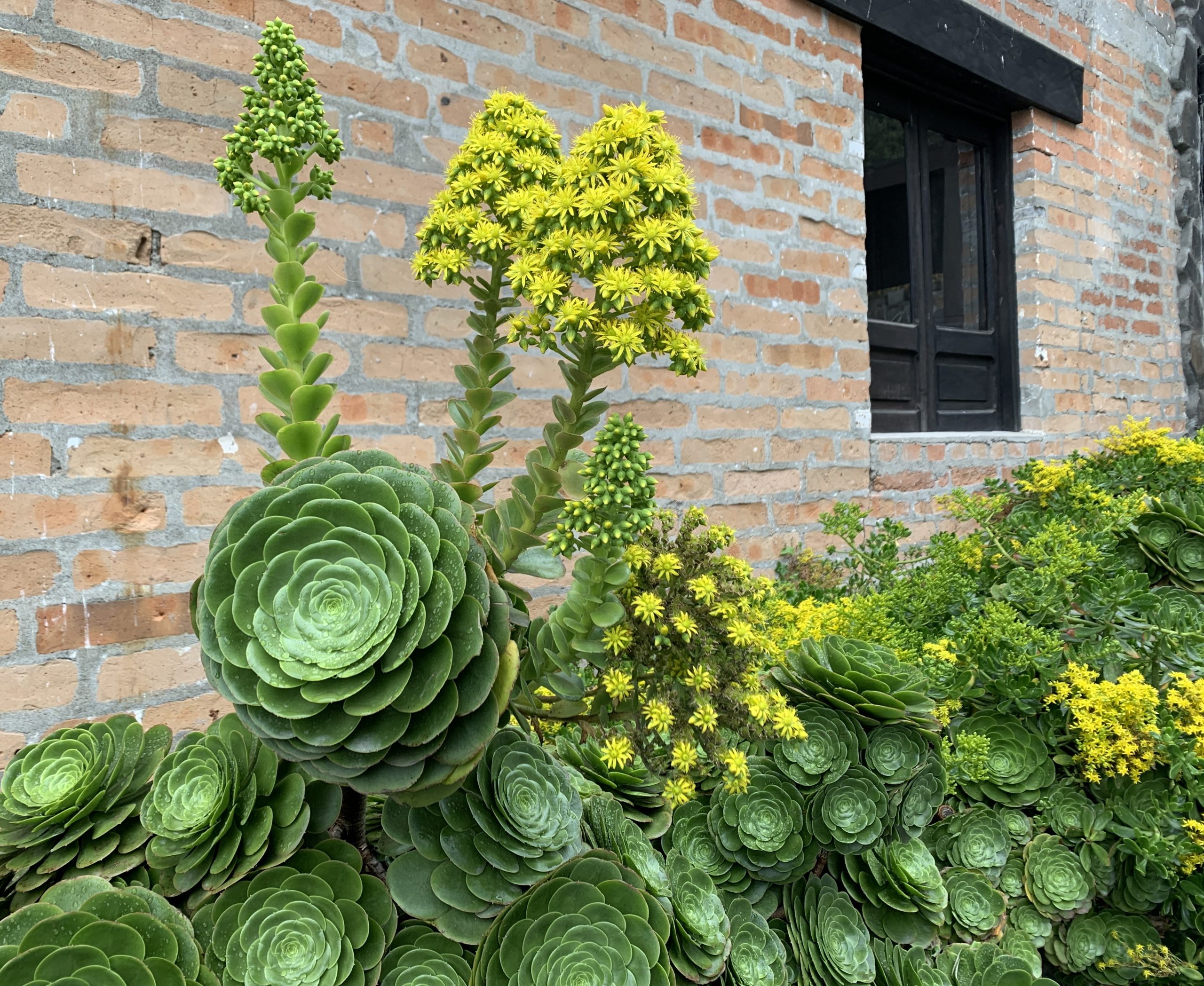
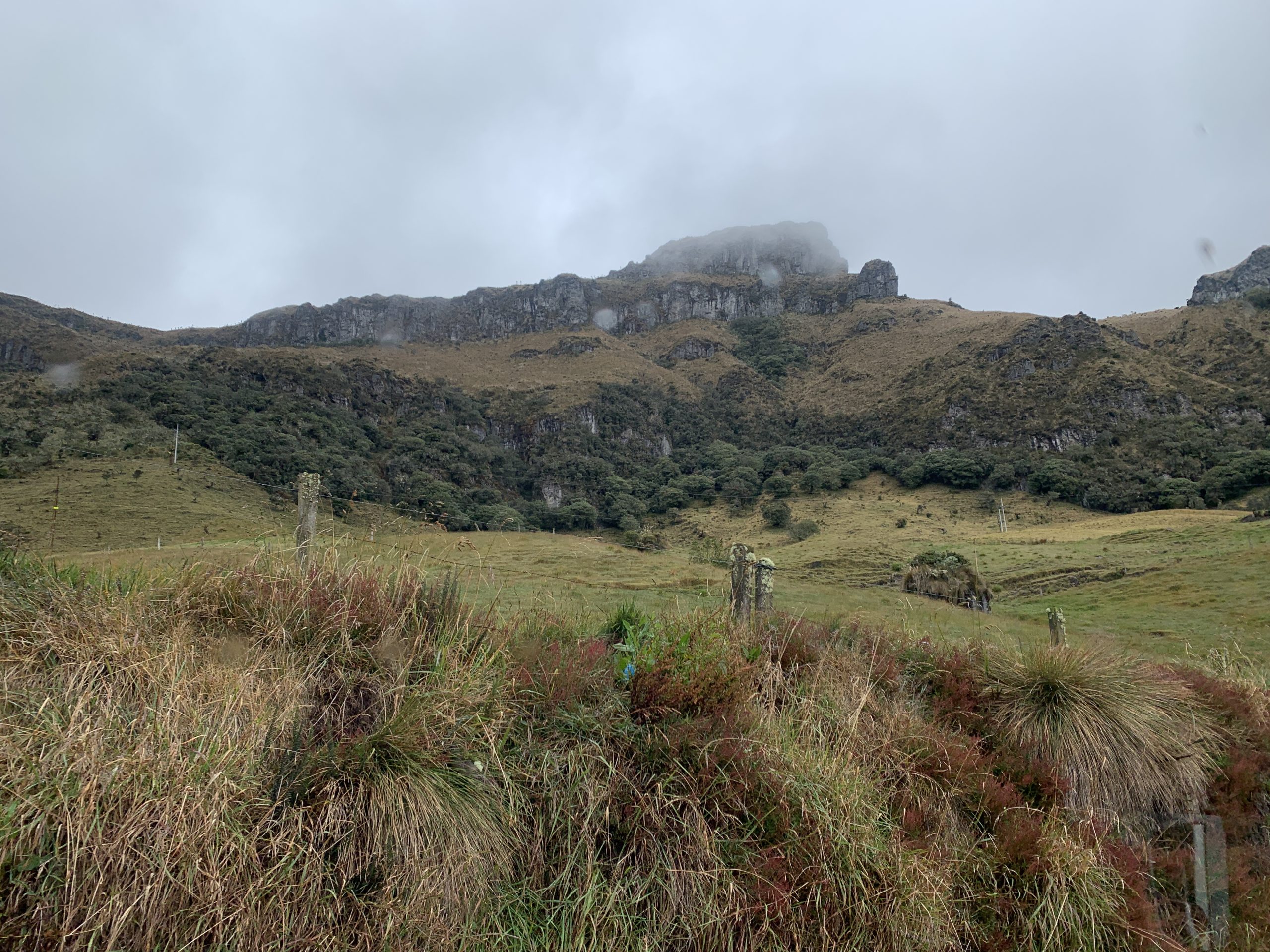
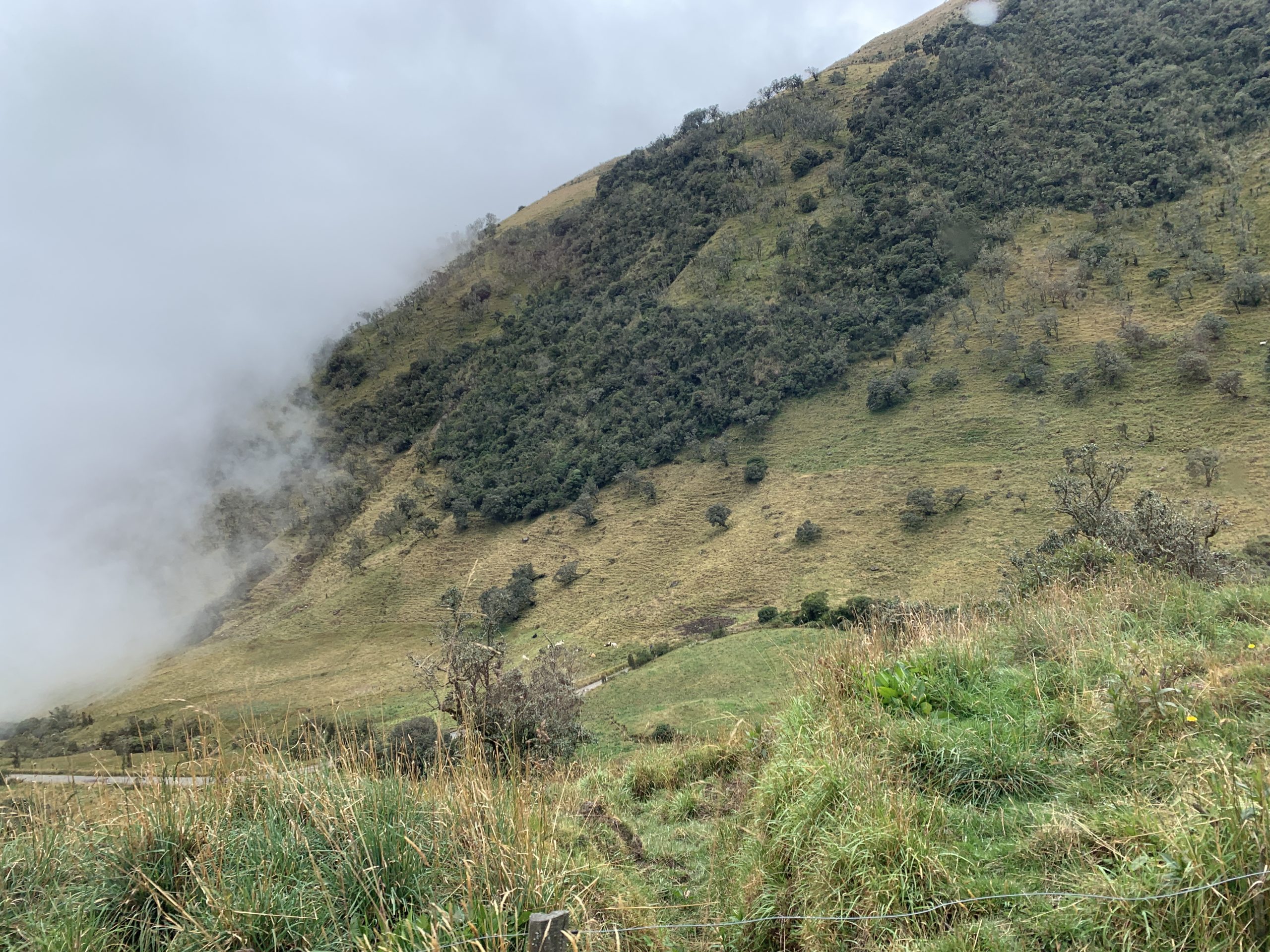
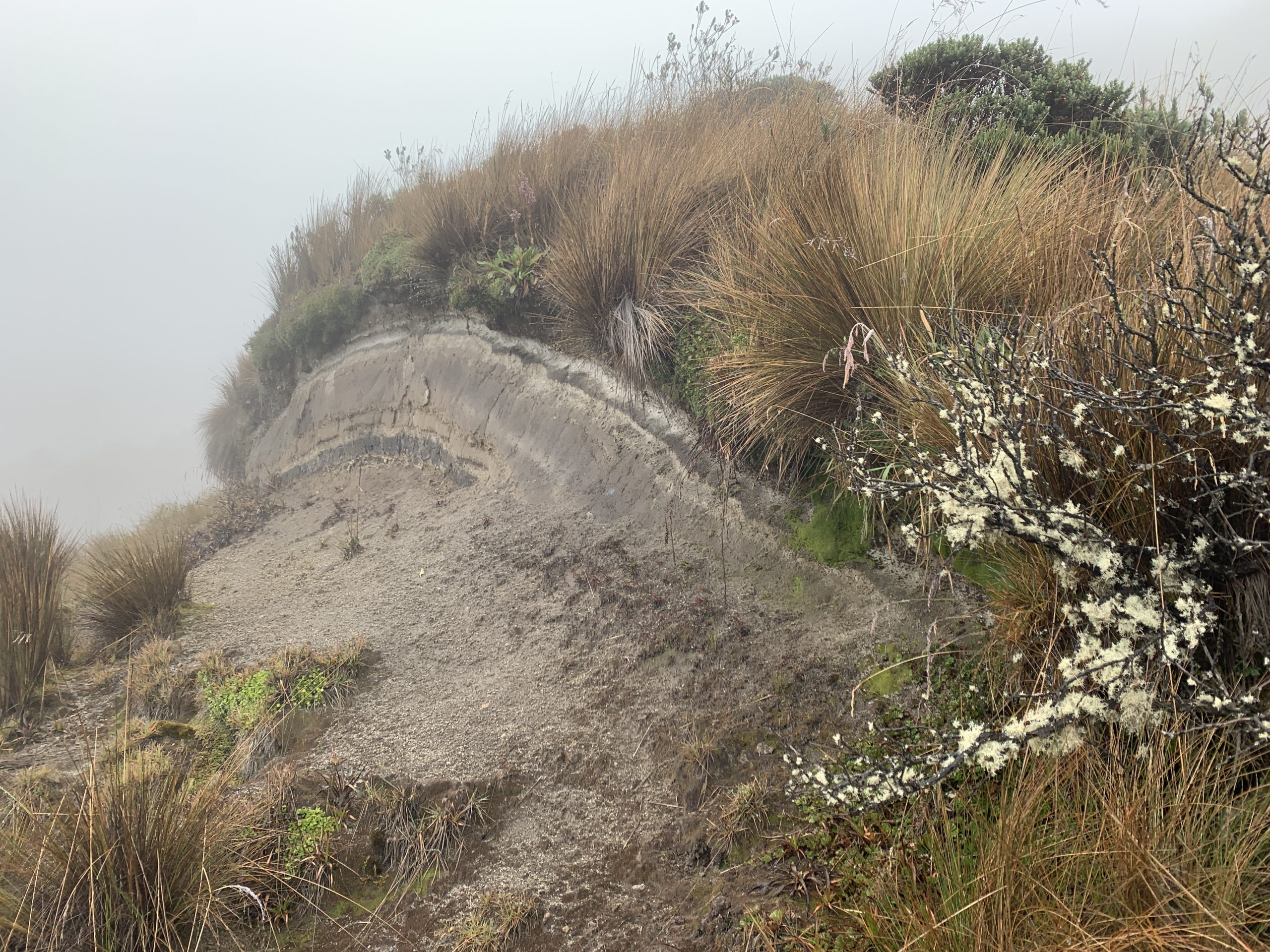
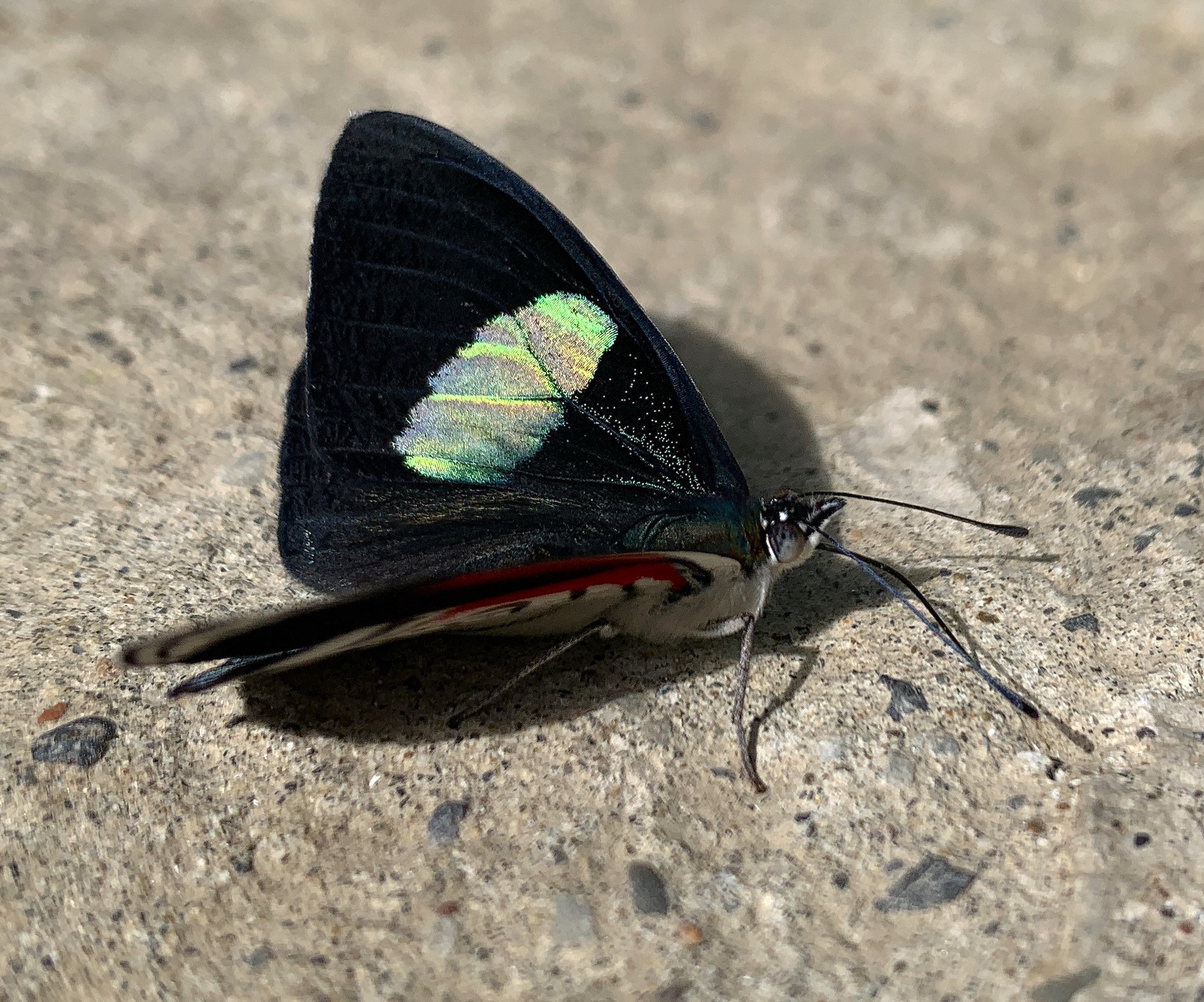
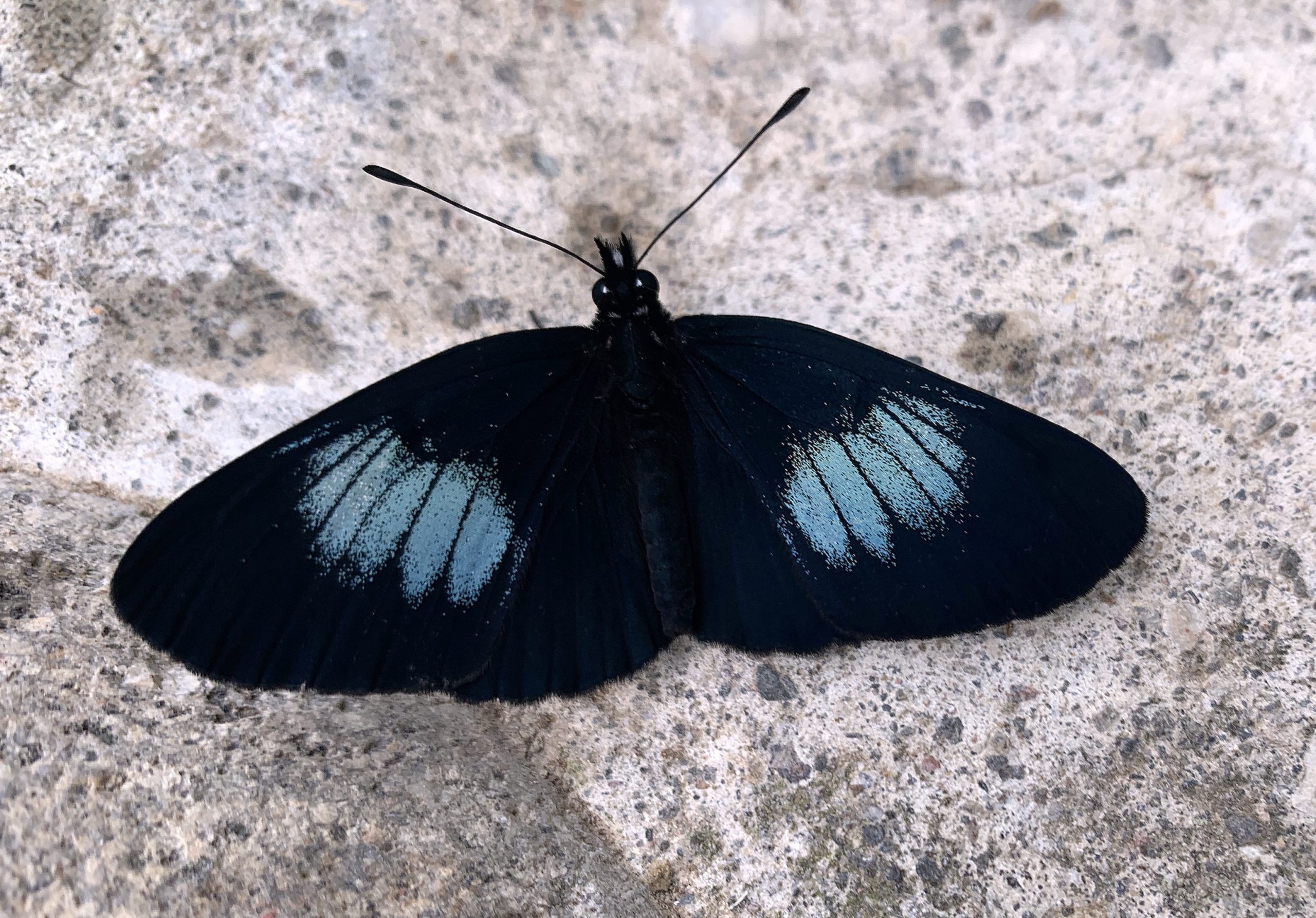
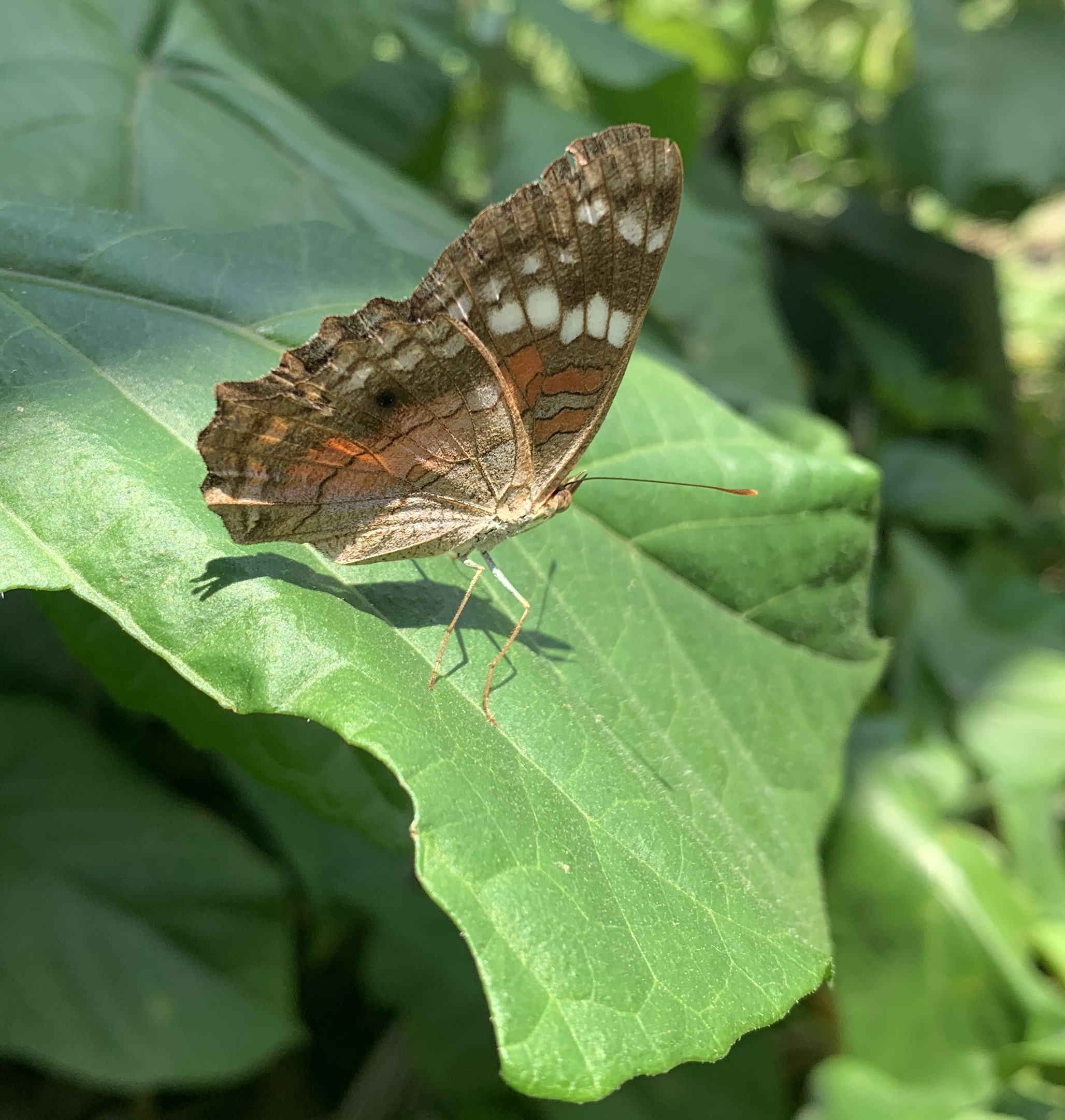
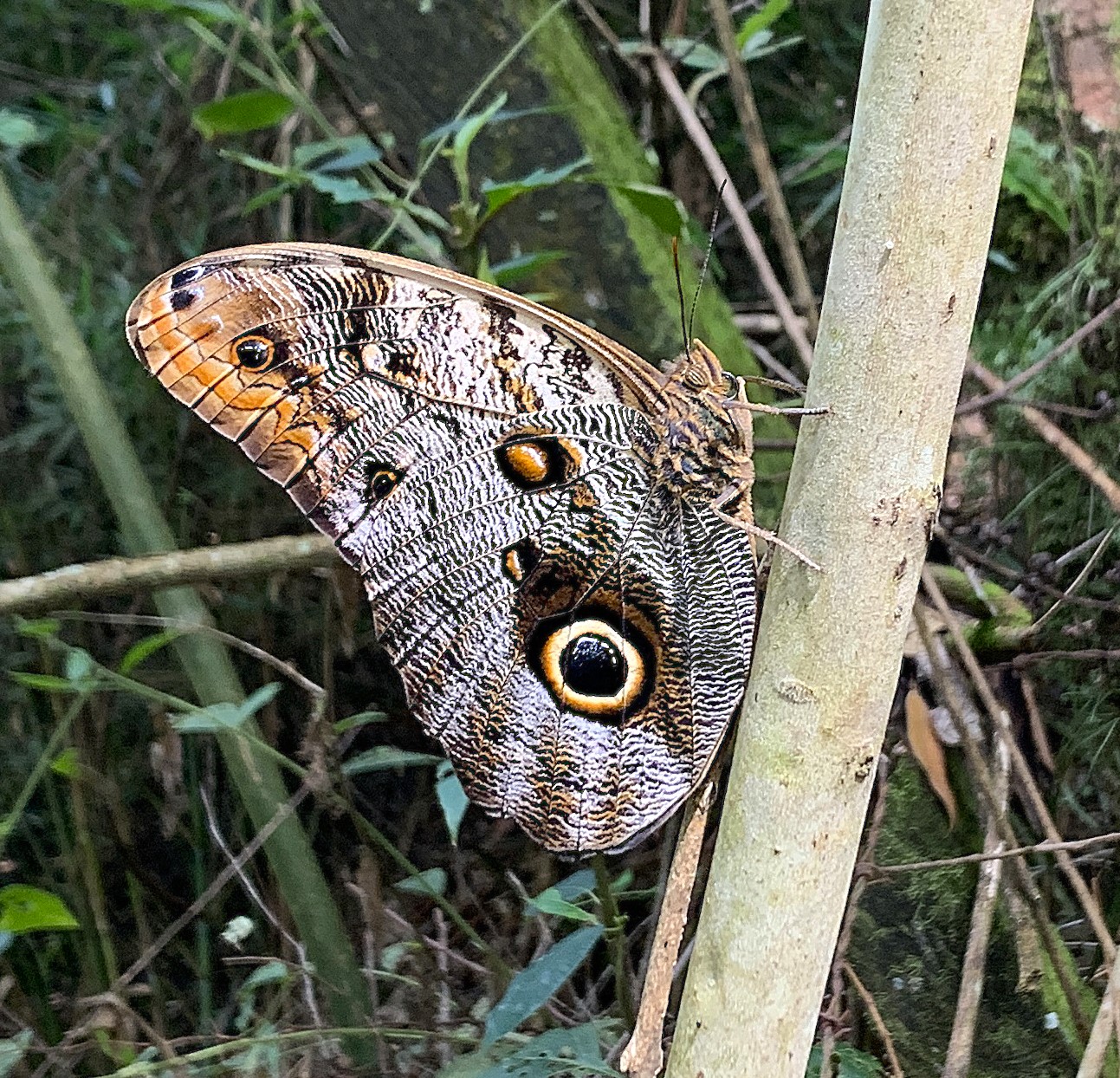
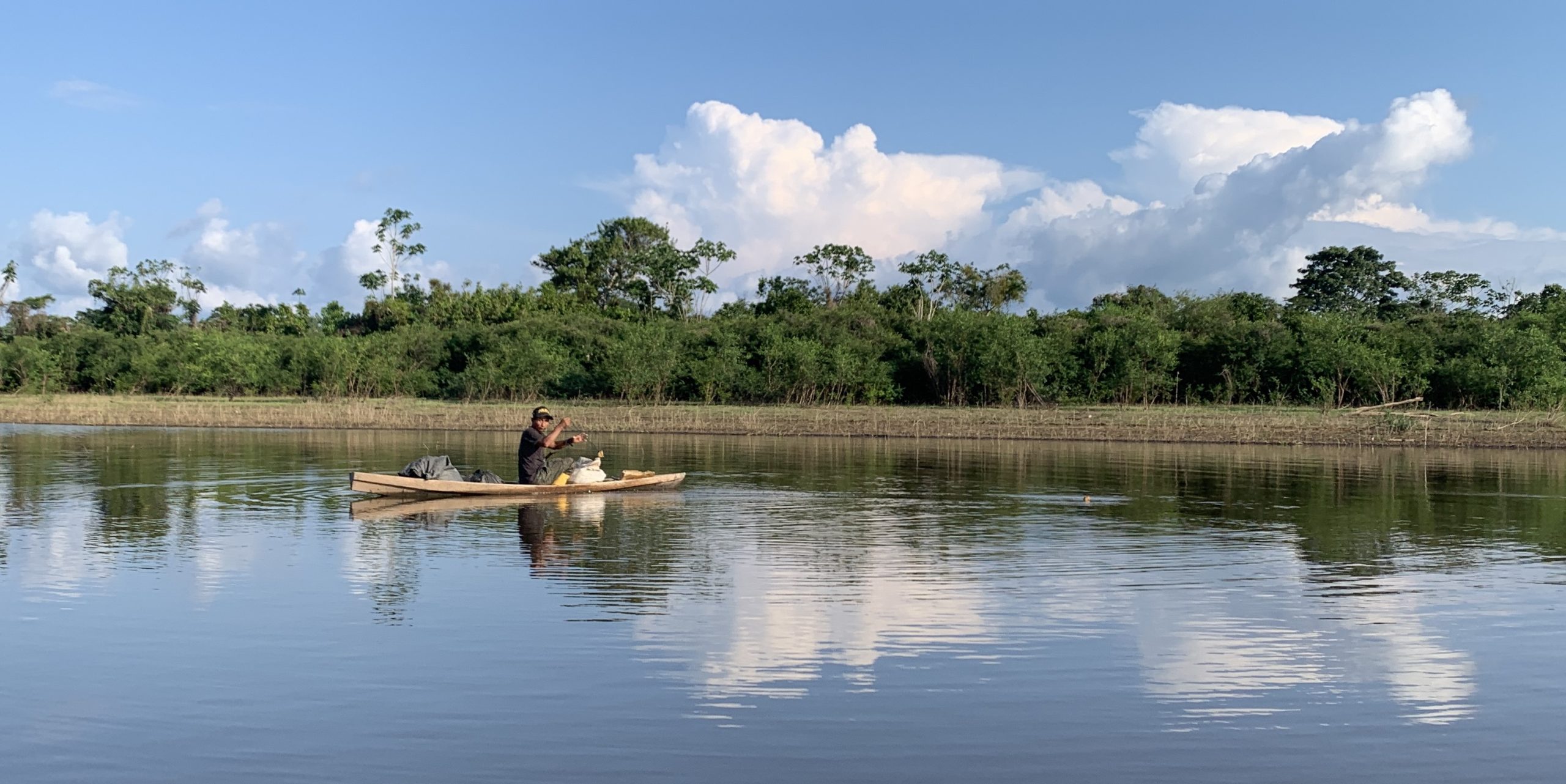
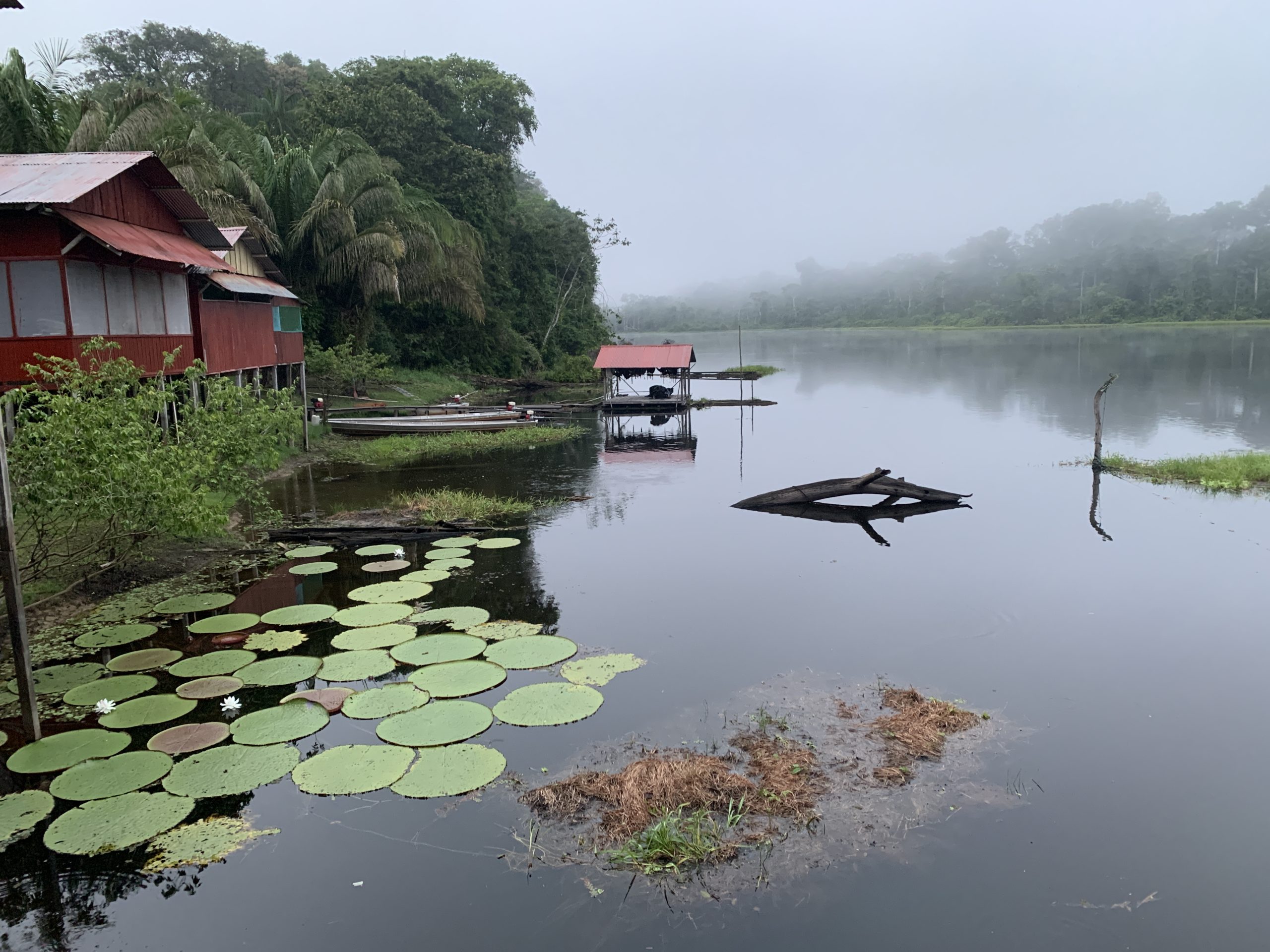
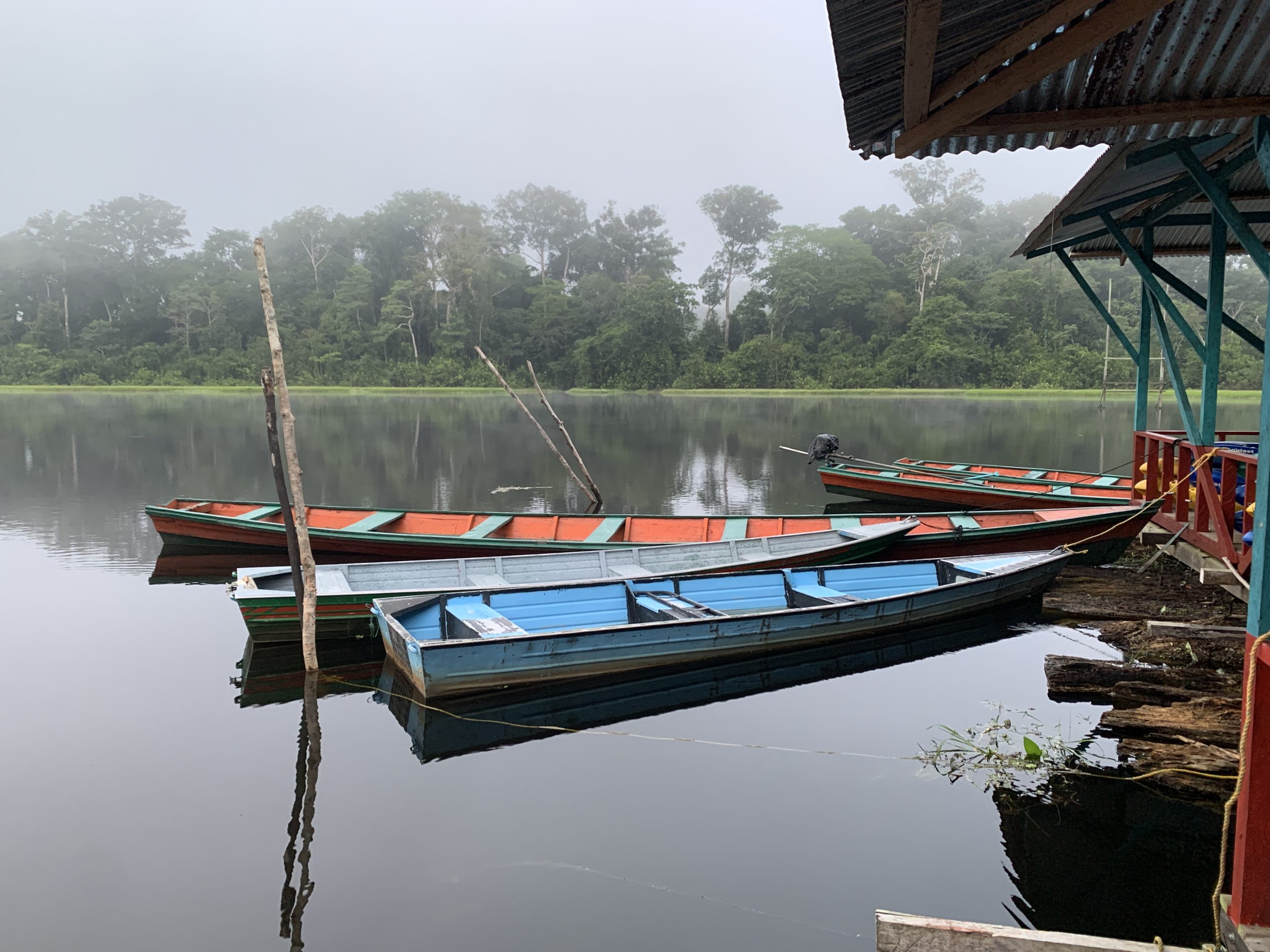
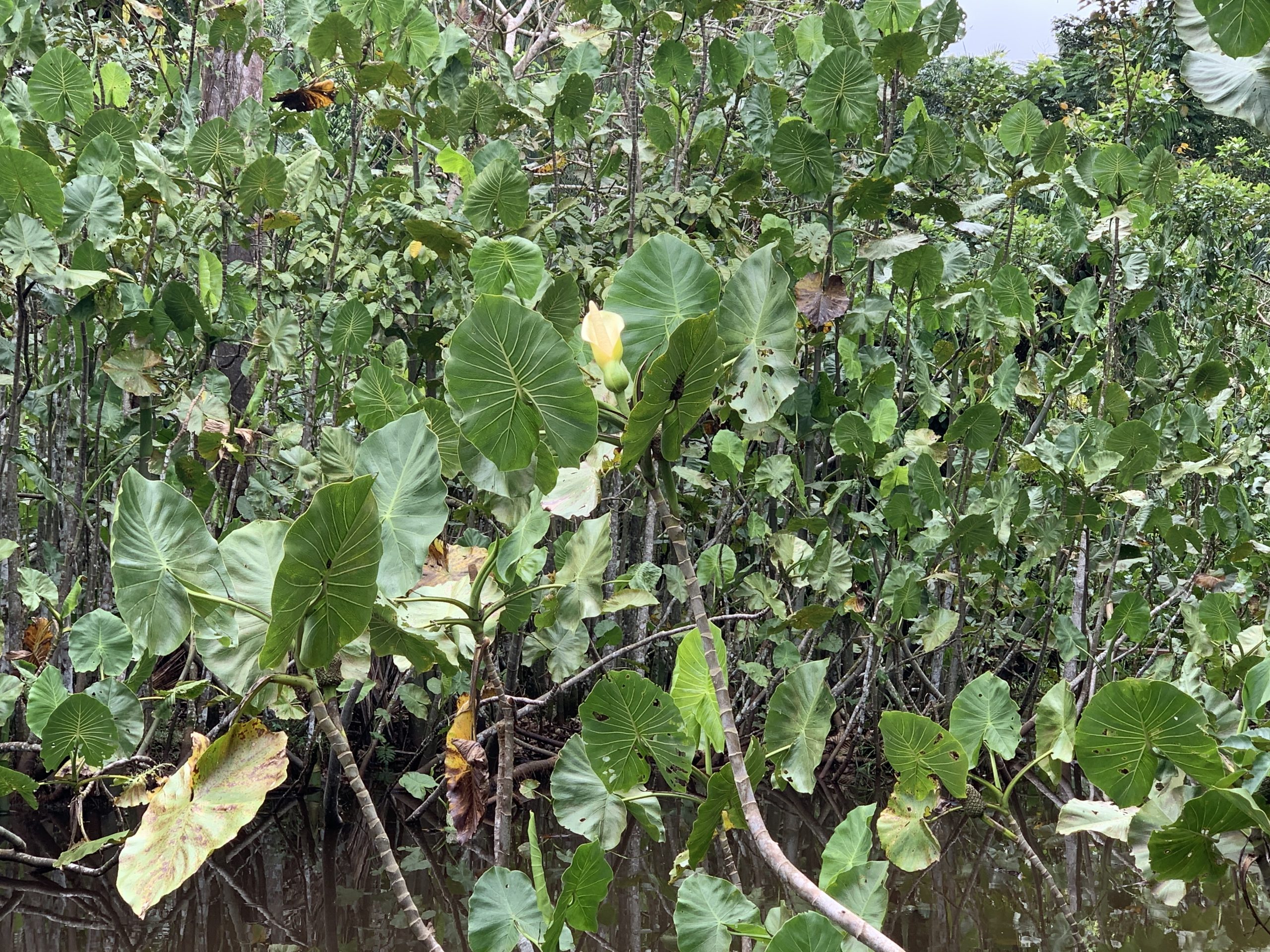
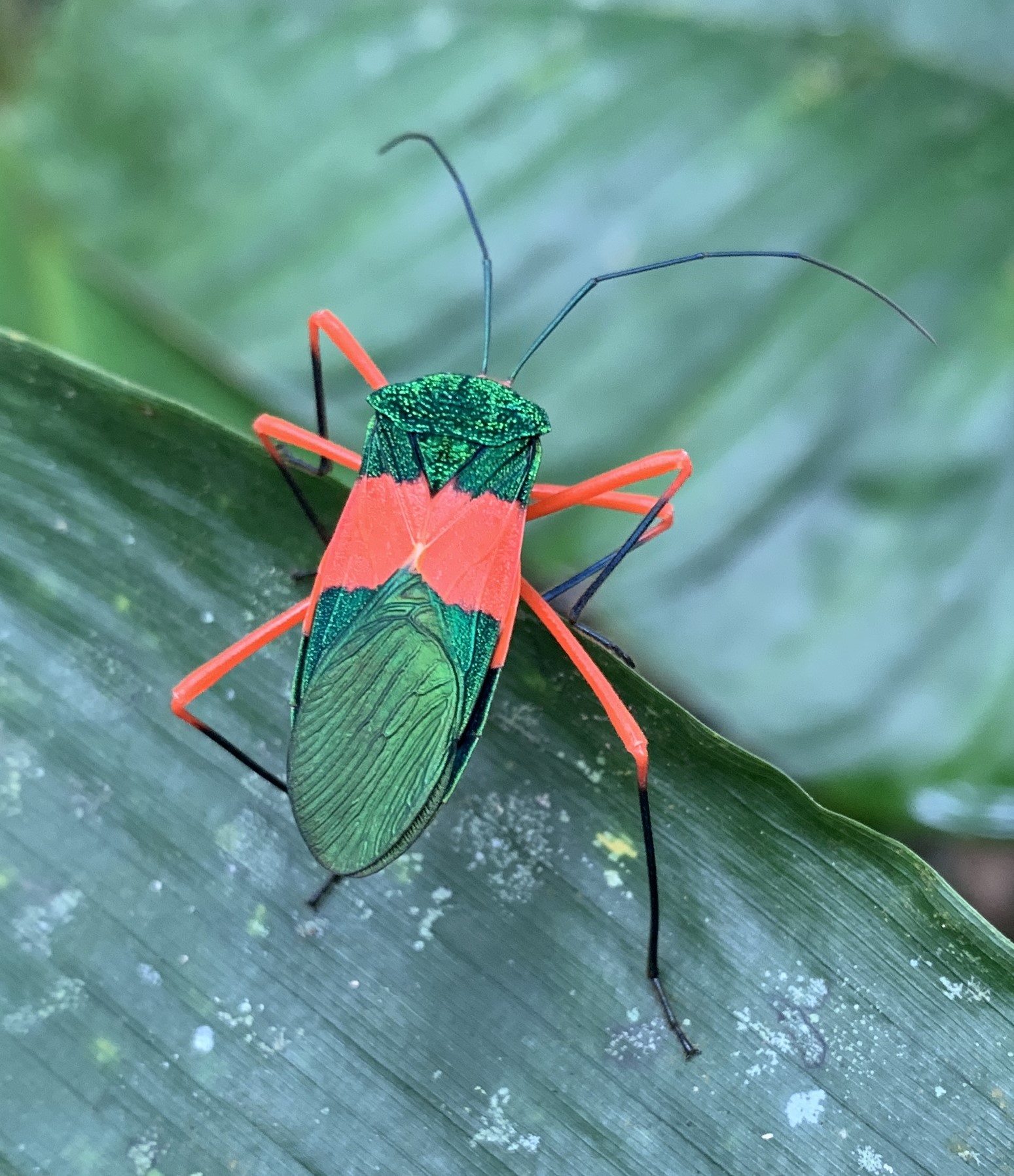
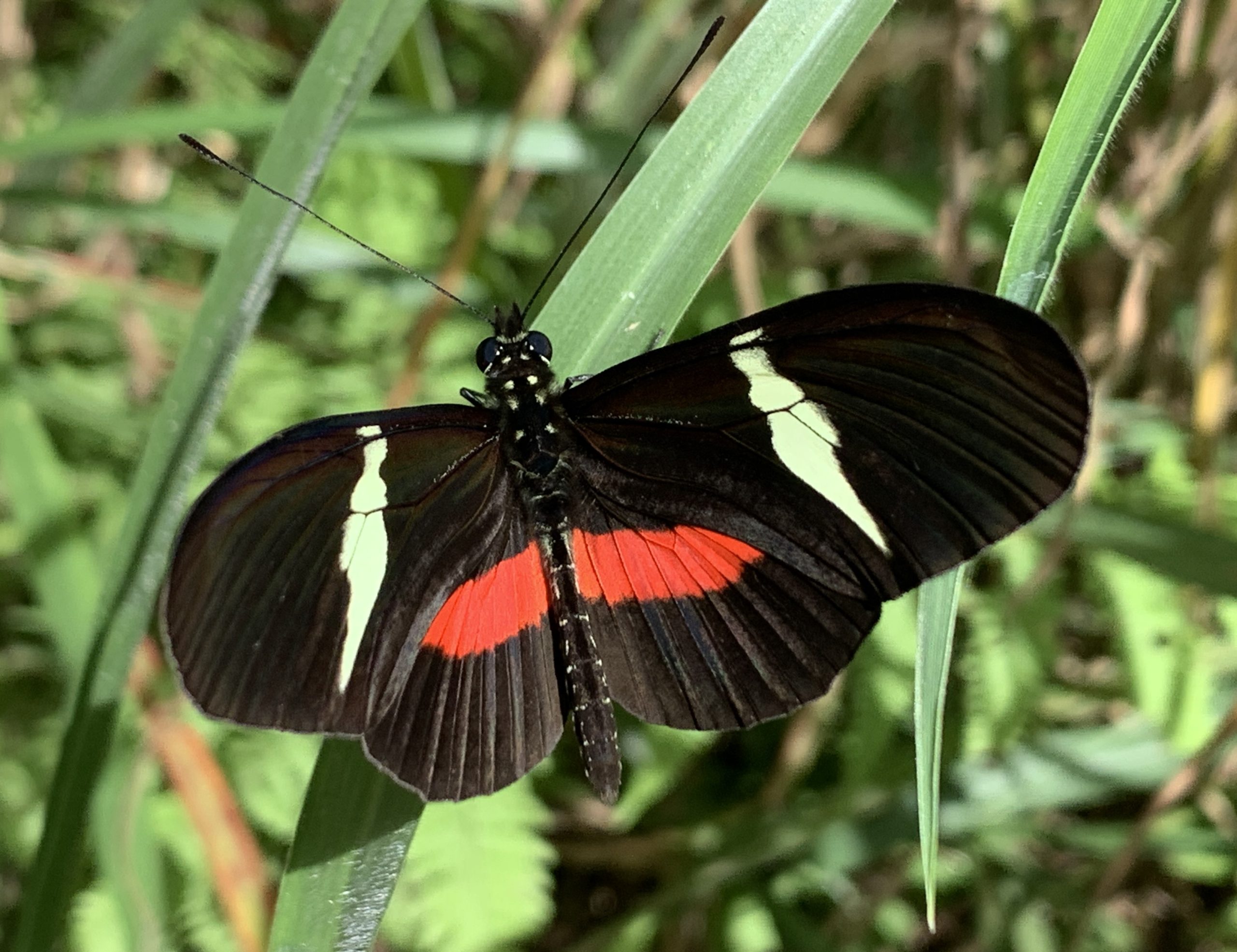
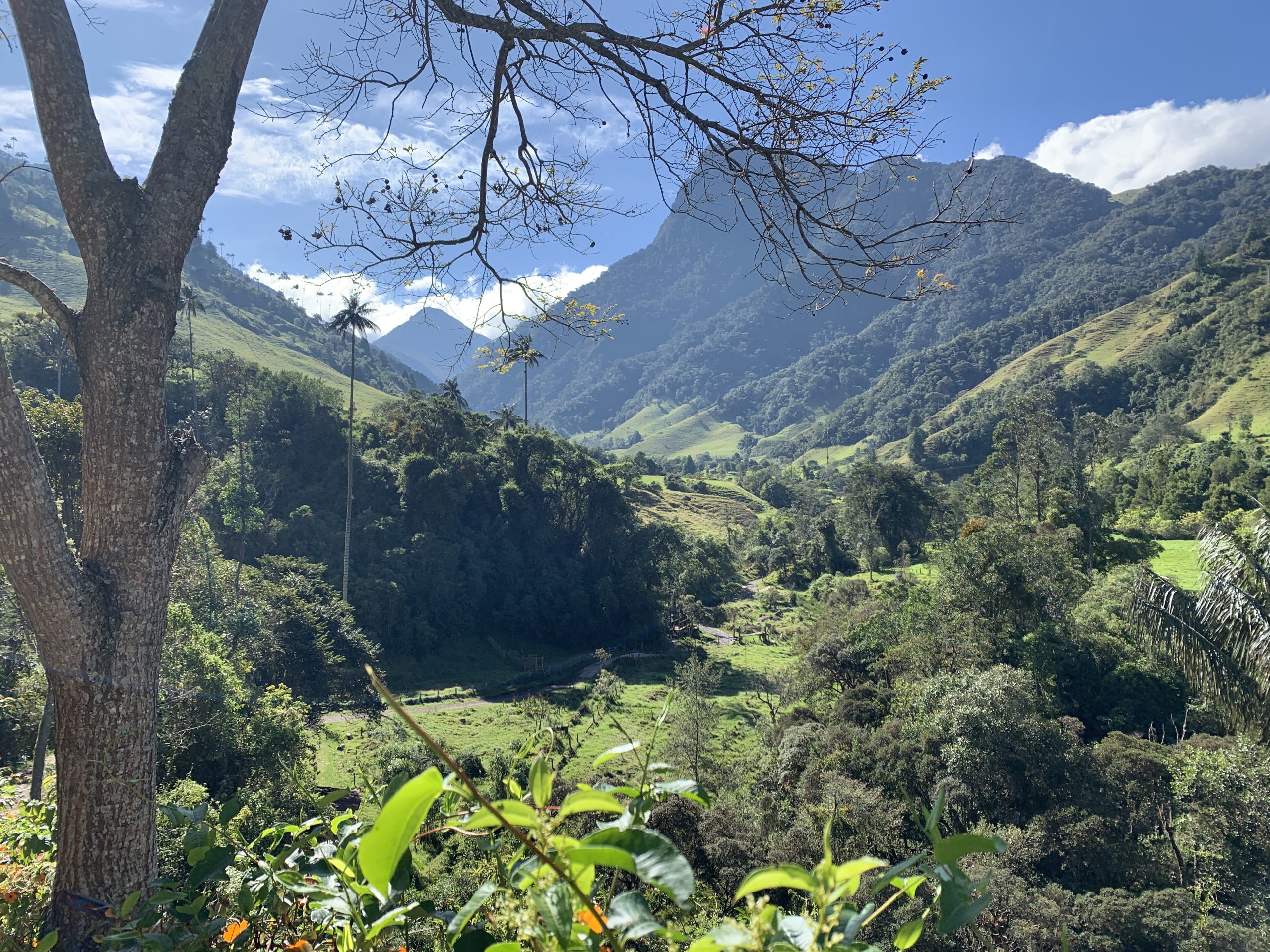
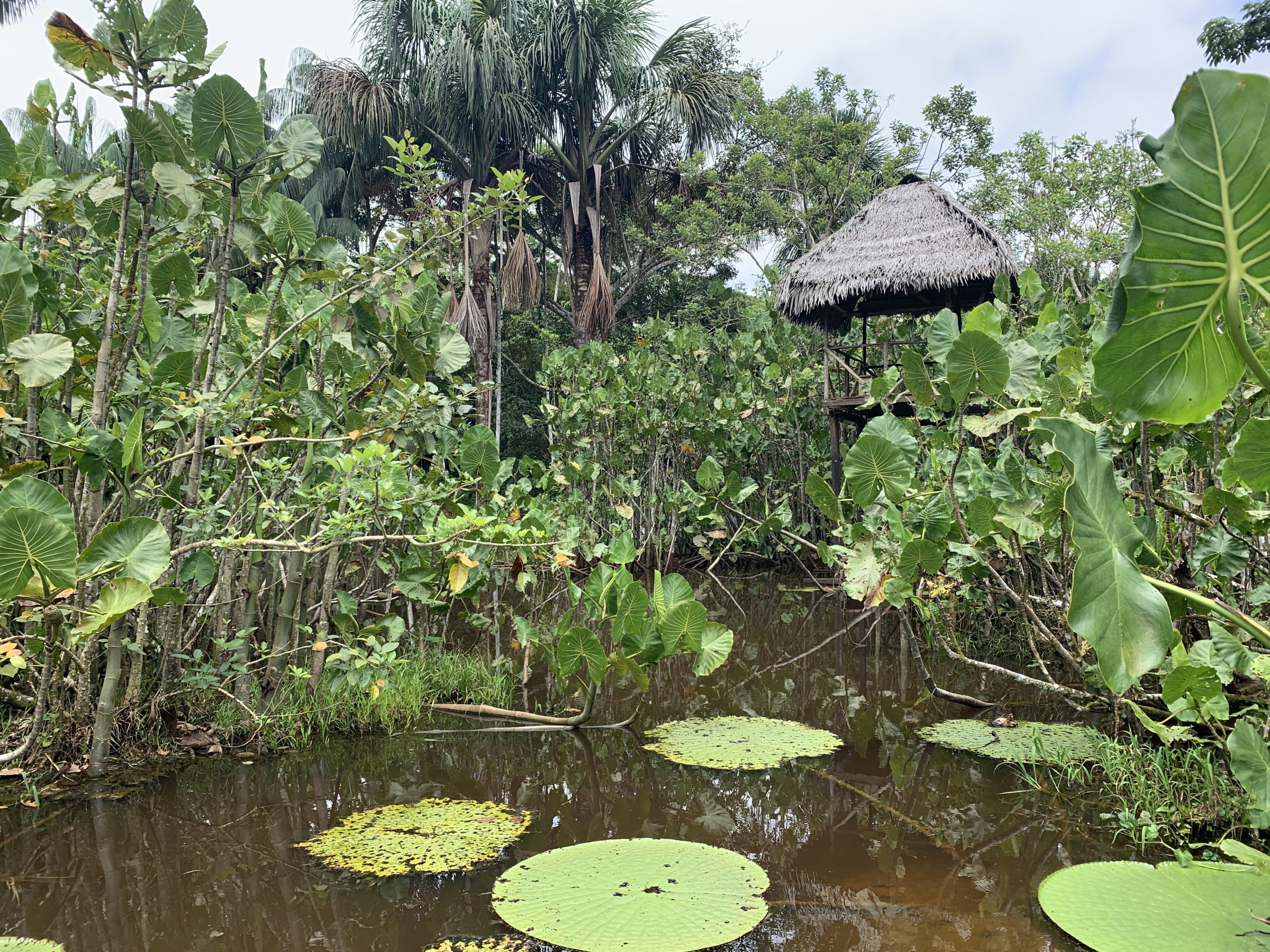
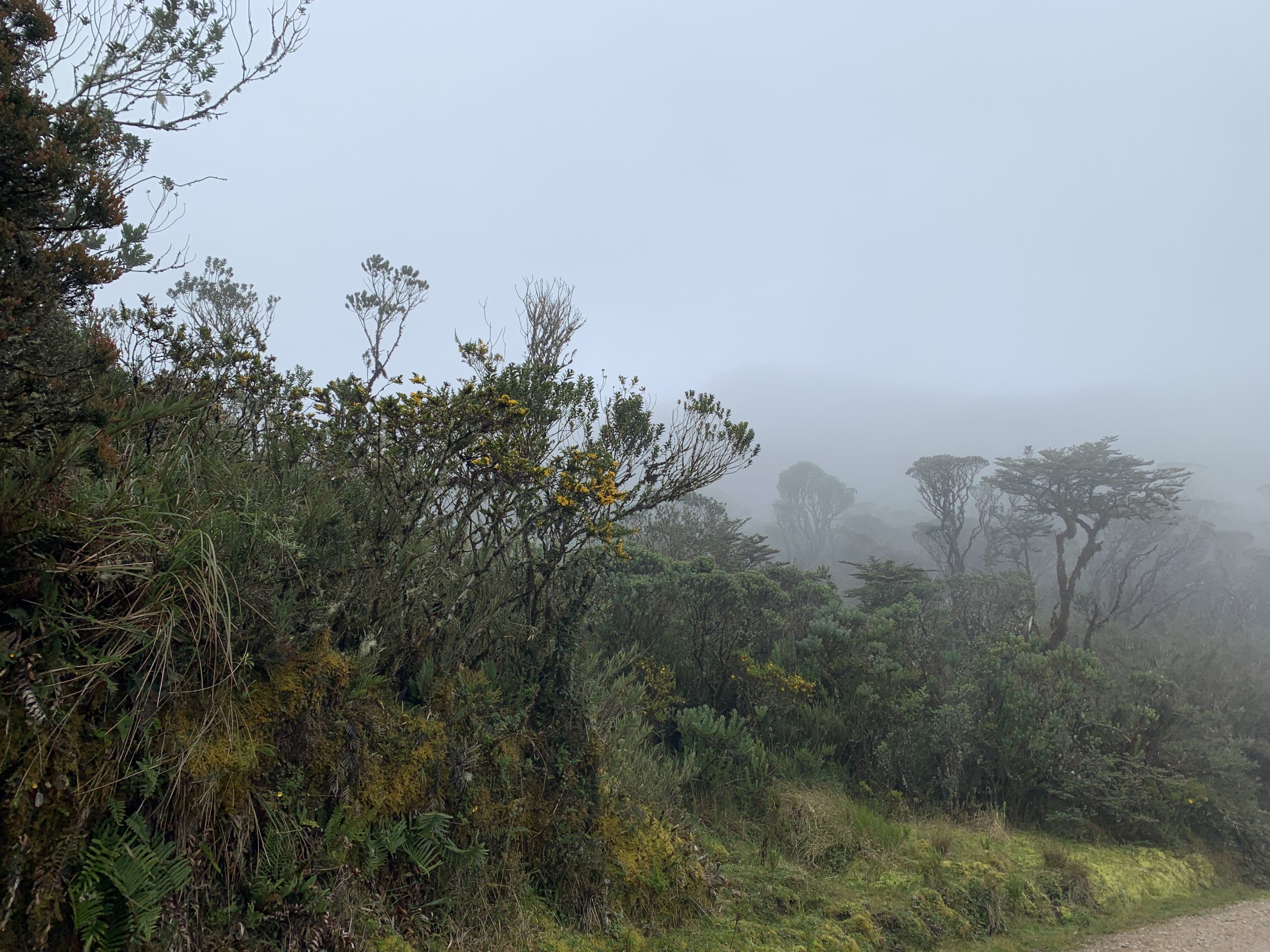
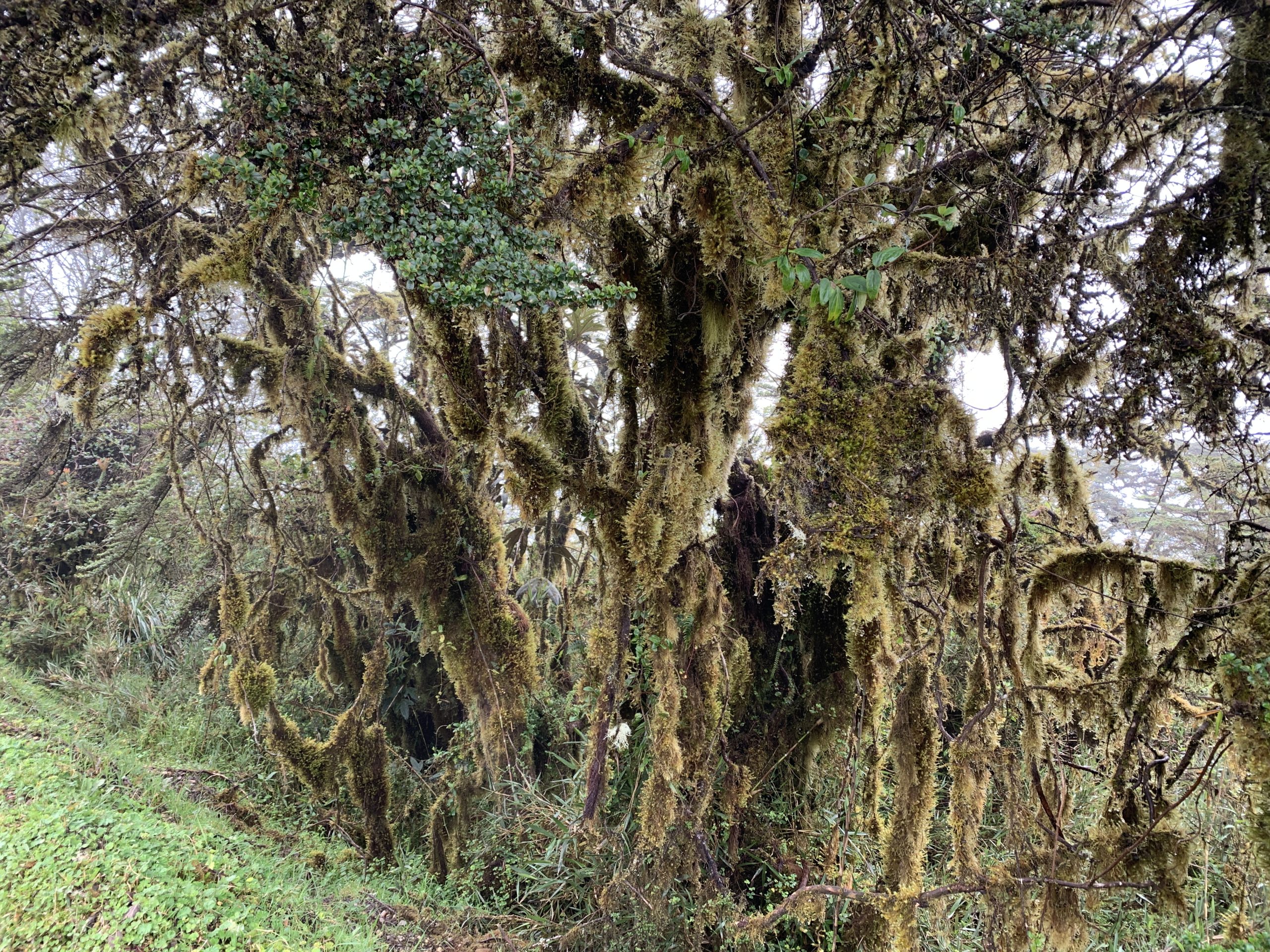
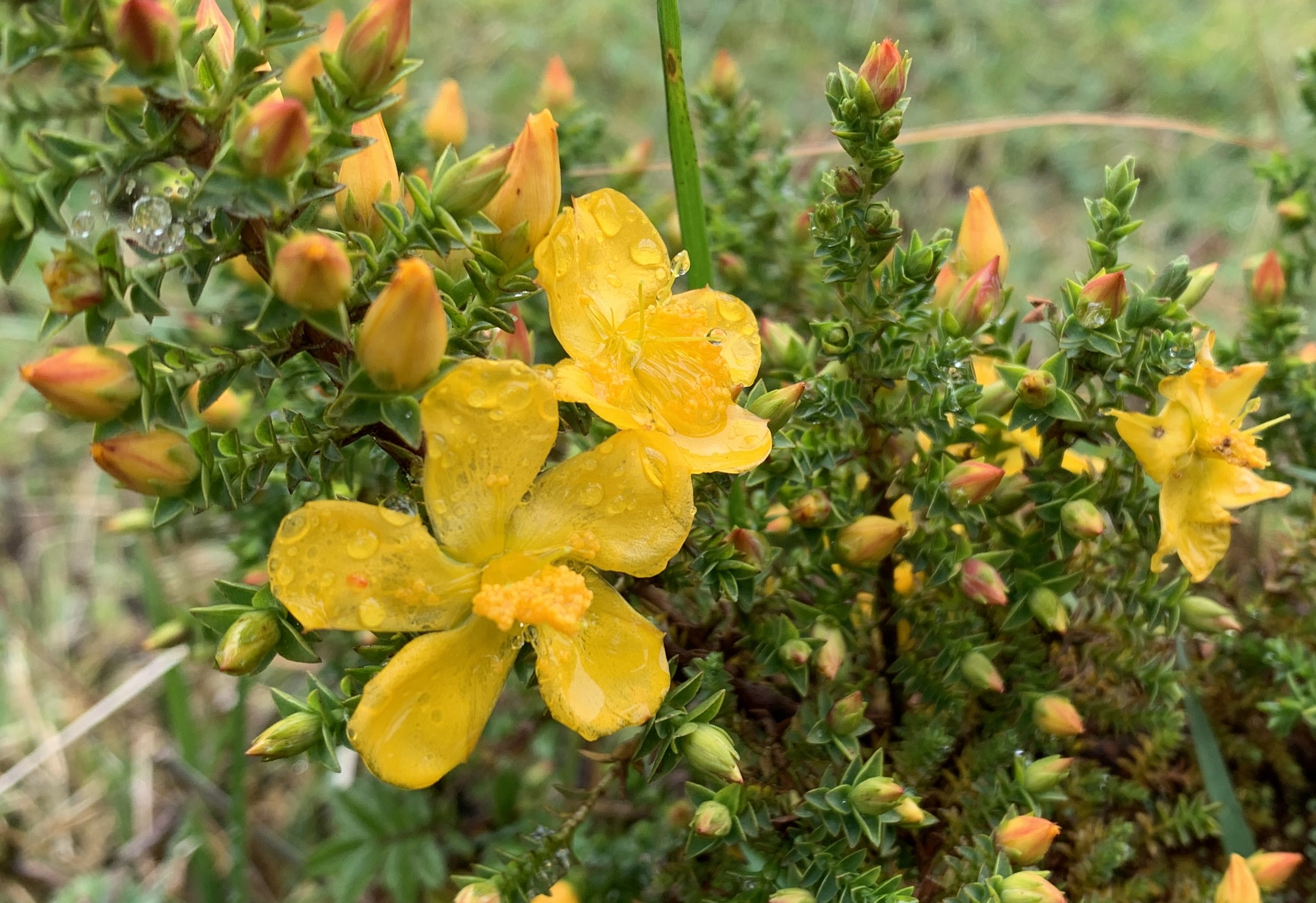
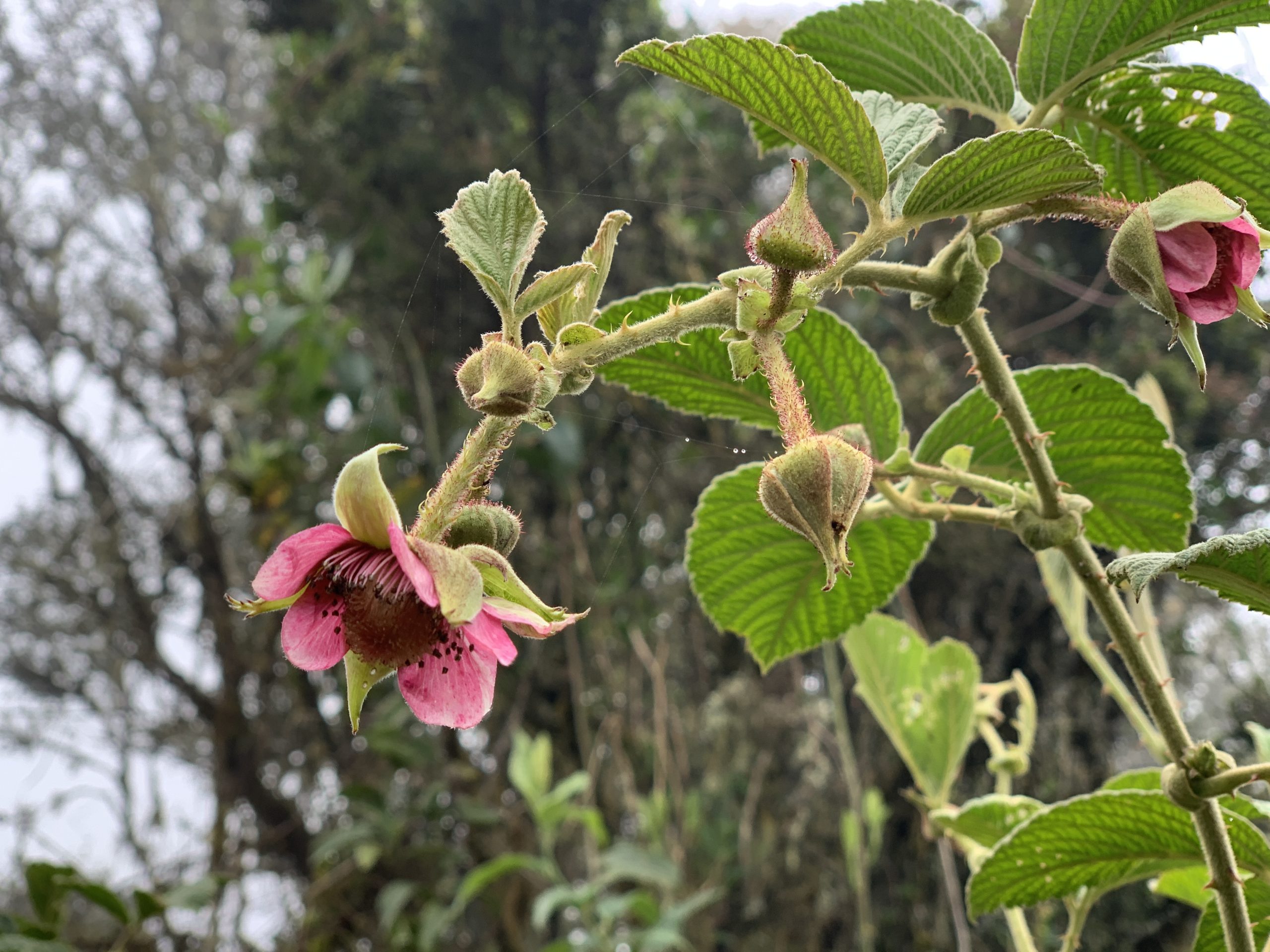
I will cherish the images I have of Colombia. Here are some of them. By the way, if you want to know how many bird species (and other animals) I saw on the whole trip, scroll down past the photos.

I saw a total of 147 bird species while in Colombia. Here is the complete list of birds and other creatures:

Birds
Acorn Woodpecker
Agami Heron
Amazon Kingfisher
American Coot
Andean Condor
Andean Duck
Bananaquit
Bare-faced Ibis
Bare-necked Fruit Crow
Barred Shrike
Bat Falcon
Bay-headed Tanager
Black Phoebe
Black Caracara
Black Flowerpiercer
Black Inca
Black Skimmer
Black Vulture
Black-billed Shrike
Black-billed Whistling Duck
Black-collared Hawk
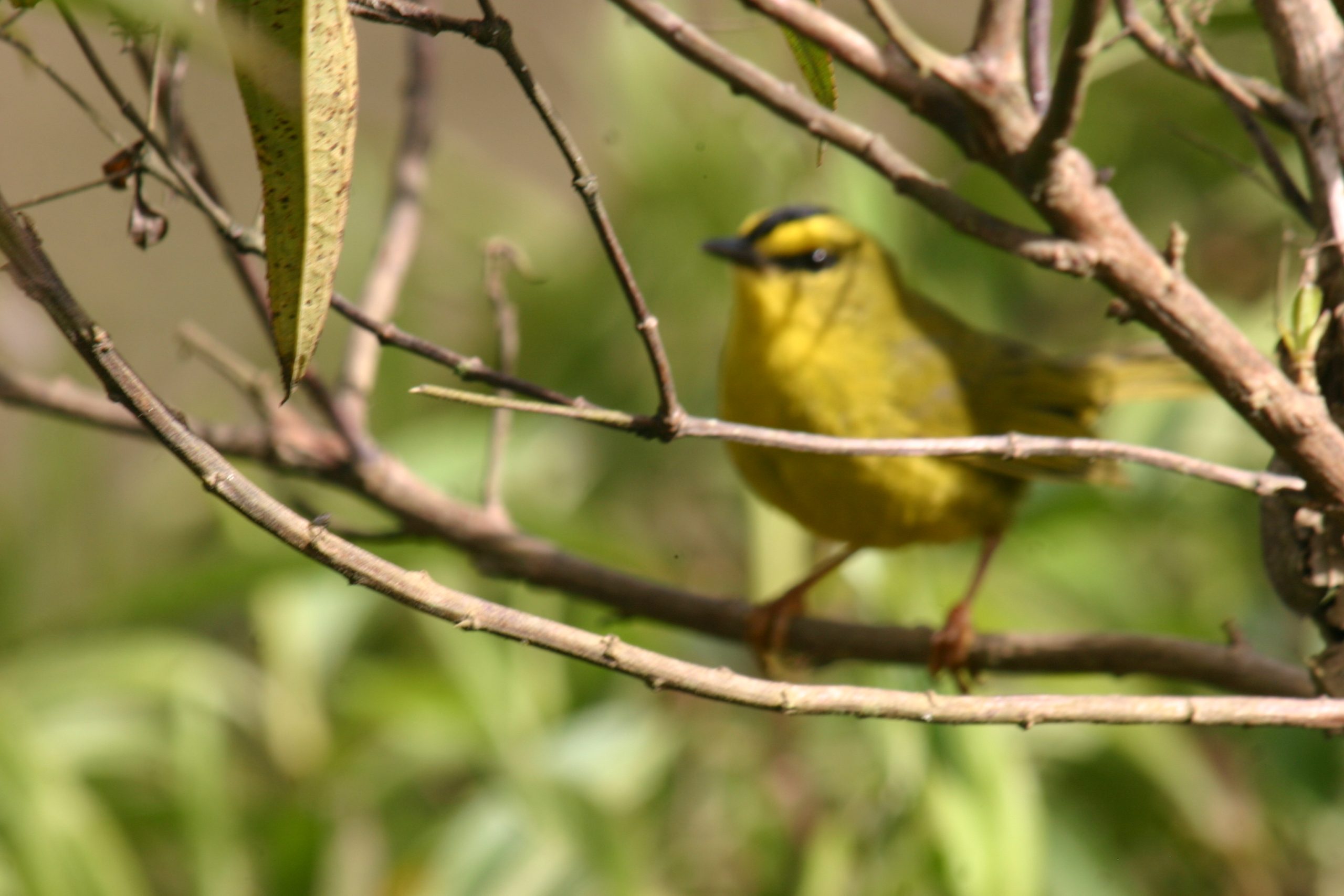
Black-crested Warbler
Black-sided Flowerpiercer
Black-tailed Trainbearer
Black-throated Macaw
Blue-gray Tanager
Blue-headed Parrot
Blue-necked Tanager
Blue-throated Star Frontlet
Brown-banded Antpitta
Brown-bellied Swallow
Bush Tanager
Cattle Egret
Cauca Guan
Chestnut-bellied Seedeater
Chestnut-capped Brush Finch
Chestnut-crowned Antpitta
Chestnut-fronted Macaw
Clay-coloured Thrush
Cock-of-the-rock
Cocoi Heron
Colombian Chachalaca
Common Gallinule
Coppery-bellied Puffleg
Fawn-breasted Brilliant
Flame-rumped Tanager
Fork-tailed Flycatcher
Glowing Puffleg
Grass-green Tanager
Great Black Hawk
Great Cowbird
Great Kiskadee
Great Sapphirewing
Great Thrush
Great White Egret
Greater Yellow-headed Vulture
Great-tailed Grackle
Grey-blue Tanager
Grey-headed Dove
Green Jay
Green Kingfisher
Green Parakeet
Green-black Fruiteater
Hermit Hummingbird
Hoatzin
Hood Mountain Tanager
Horned Screamer
Inca Hummingbird
Jacana
Large-billed Tern
Laughing Falcon
Lesser Violetear
Long-tailed Sylph
Longuemare’s Sunangel
Masked Flowerpiercer
Masked Tityra
Masked Trogon
Metal-tailed Hummingbird
Motmot
Mountain Cacique
Mountain Racique
Neo-tropic Cormorant
Northern Emerald Toucanet
Oropendola
Pale-naped Brush Finch
Palm Tanager
Pied Grebe
Plumbeous Kite
Puff-tailed Coronet
Purple Gallinule
Purple-eared Hummingbird
Red-bellied Macaw
Red-breasted Meadow Lark
Red-capped Cardinal
Ringed Kingfisher
Roadside Hawk
Ruddy Ground Dove
Rufous-collared Sparrow
Rufous-tailed Hummingbird
Russet-backed Oropendola
Saffron Finch
Scarlet Macaw
Scarlet-belly Mountain Tanager
Scarlet-crested Woodpecker
Scarlet-crowned Barbet
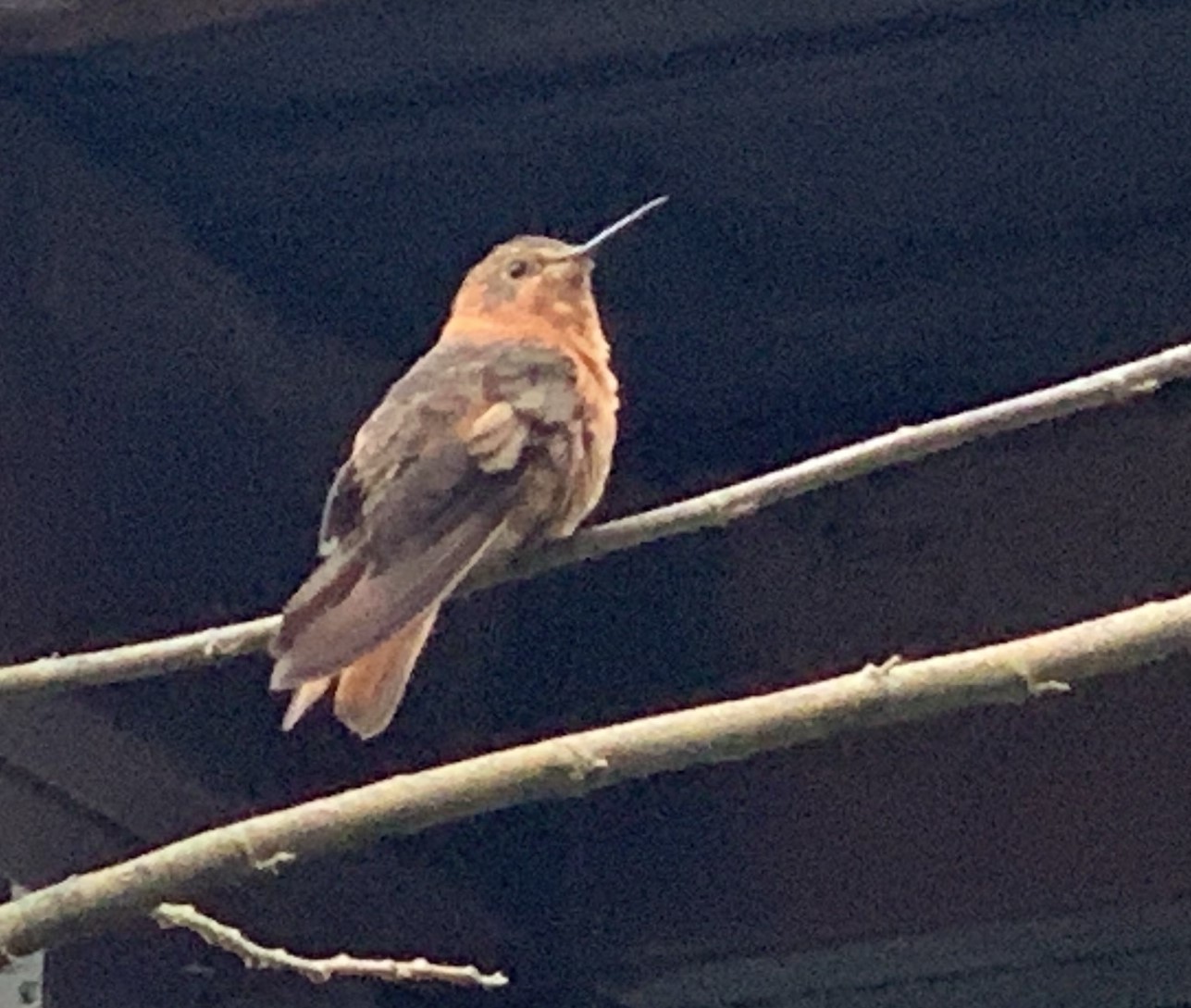
Shining sunbeam
Short-tailed Parrot
Sickled-winged Guan
Sierra Finch
Silver-beaked Tanager
Slaty-backed Nightingale-thrush
Smooth-billed Ani
Snail Kite
Snowy Egret
Social Flycatcher
Southern Lapwing
Sparkling Violetear
Speckled Chachalaca
Speckled Hummingbird
Spotted Sandpiper
Southern Martin
Striated Heron
Swallow-tailed Kite
Sword-billed Hummingbird
Tawny Antpitta
Thick-billed Euphonia
Torrent Duck
Torrent Tyrannulet
Tourmaline Sunangel
Tropical Kingbird
Turquoise Tanager
Tyrian Metaltail
Vermillion Flycatcher
White-bellied Woodstar
White-capped Dipper
White-eared Jacamar
White-shouldered Antbird
White-winged Swallow
White-throated Tyrannulet
White-winged Parakeet
Yellow-bellied Oriole
Yellow-billed Tern
Yellow-blue Macaw
Yellow-eared Parrot
Yellow-headed Caracara
Yellow-rumped Cicique
Yellow-tufted Woodpecker

Wild mammals
Pink river dolphin
White river dolphin
Bat
Andean rabbit
Squirrel
Guinea pig
Pygmy marmoset (world’s smallest monkey)
Three-toed sloth with young on its stomach

Other wild animals
Frog
Butterflies
Howler monkey (pet)
Caiman – Lucas (and young ones)
Catfish

Domestic animals
Muscovy duck
Turkey
Horse
Donkey
Dog


6 – Wax palms are waning

Colombia Posted on 15 Oct, 2025 10:49

Colombia’s national tree is in danger.

A lot of our time is spent walking up and down mountain paths in various natural reserves and parks, enjoying the scenery, and keeping our eyes peeled for birds. We sometimes share trails with horses and mules.

Normally, the mountainsides are lush with greenery.

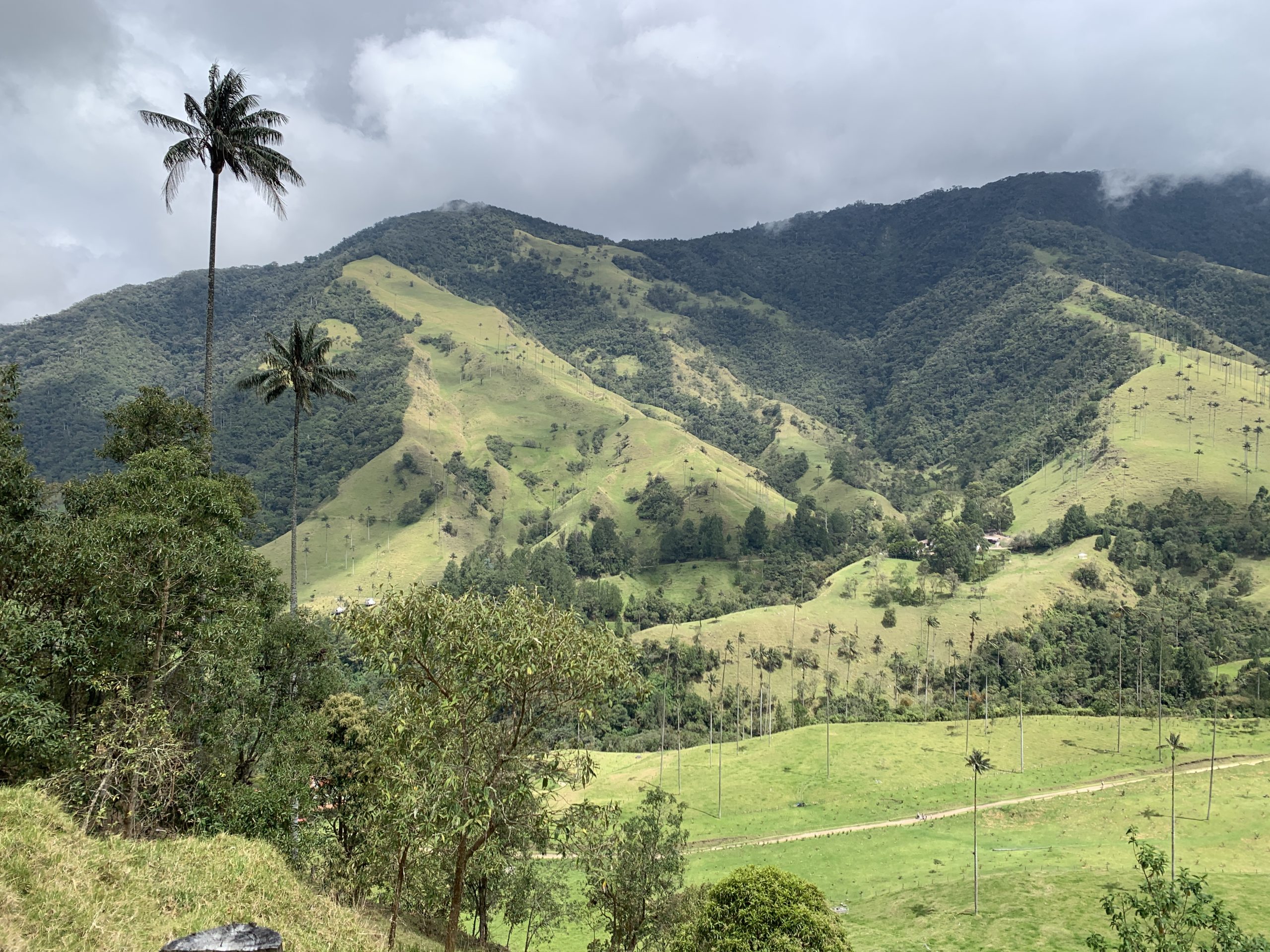
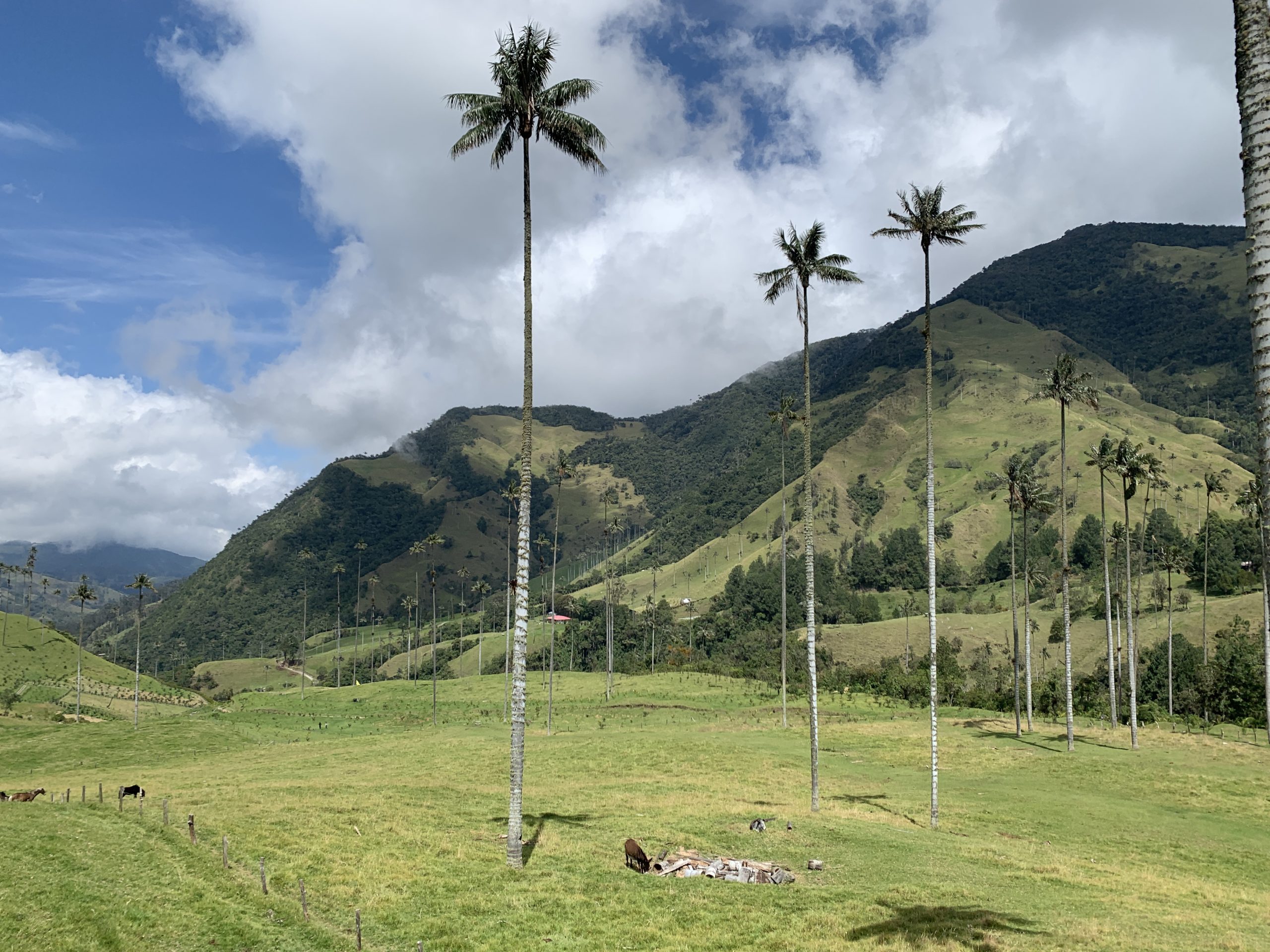
However, as is the case in so many countries, human activity is encroaching on natural habitats. One of the places where this is evident is the Cocora Valley in the eastern Andes, south of Manizales. Here, the slopes of the Andes have been shaved to make way for grazing lands for cattle.

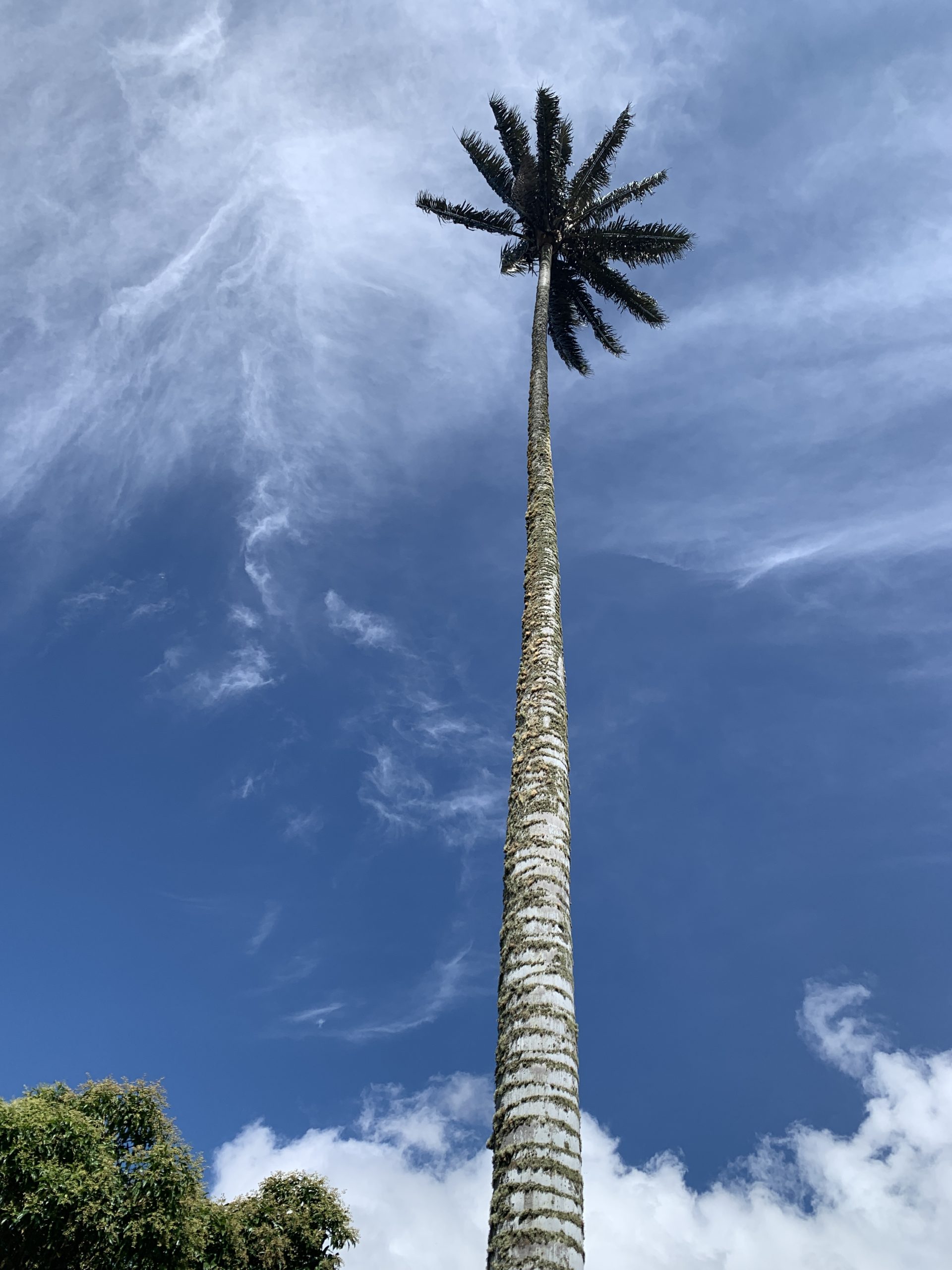
Denuding the mountains of their forests not only creates perfect conditions for erosion and landslides, it also makes life difficult for certain plants and animals. In the Cocora Vally a notable example is the wax palm, which can reach heights of up to 60 metres.

These trees provide habitats for many unique life forms, including the endangered species yellow-eared parrot (which we were fortunate enough to see at a nature reserve earlier in the trip). The trunks of wax palms are covered in a waxy substance that protects the trees against parasites. Humans have felled the trees to harvest the wax to make candles. They have used the fruit of the wax palm for cattle and pig feed, and the palm leaves in Catholic celebrations of Palm Sunday (harvesting the leaves from young trees damages them to death). And humans have felled the forest to make way for pastures.

In light of the fact that the wax palm is Colombia’s national tree, efforts have been made to protect it. Farmers now leave a few of the iconic trees standing. These efforts are wasted, though, because the wax palm cannot survive in the open. It needs the protection of fellow trees in a forest. The trees in these photos, although tall, will never reach a height of 60 metres or even close to it. They will topple over before that.

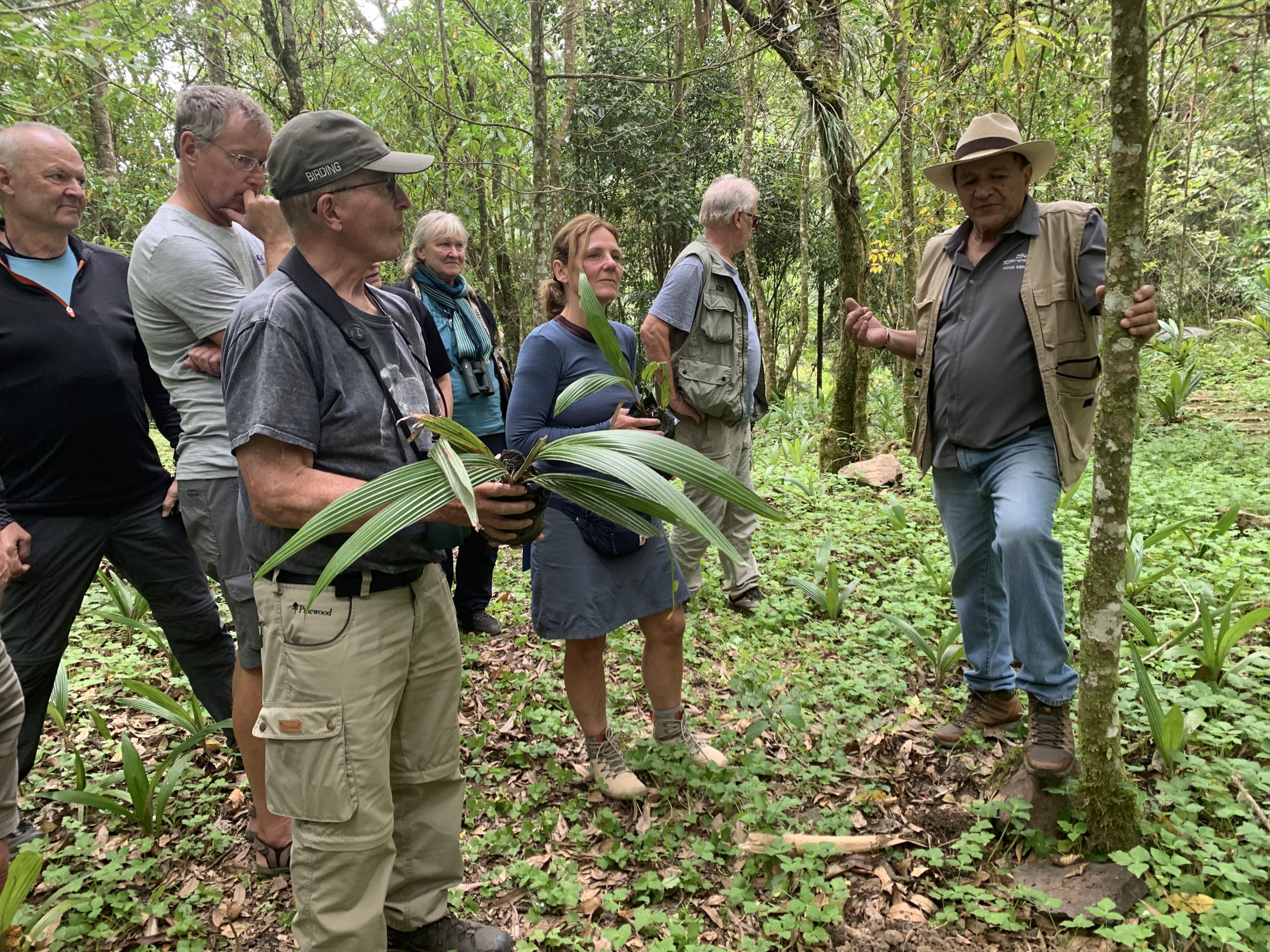
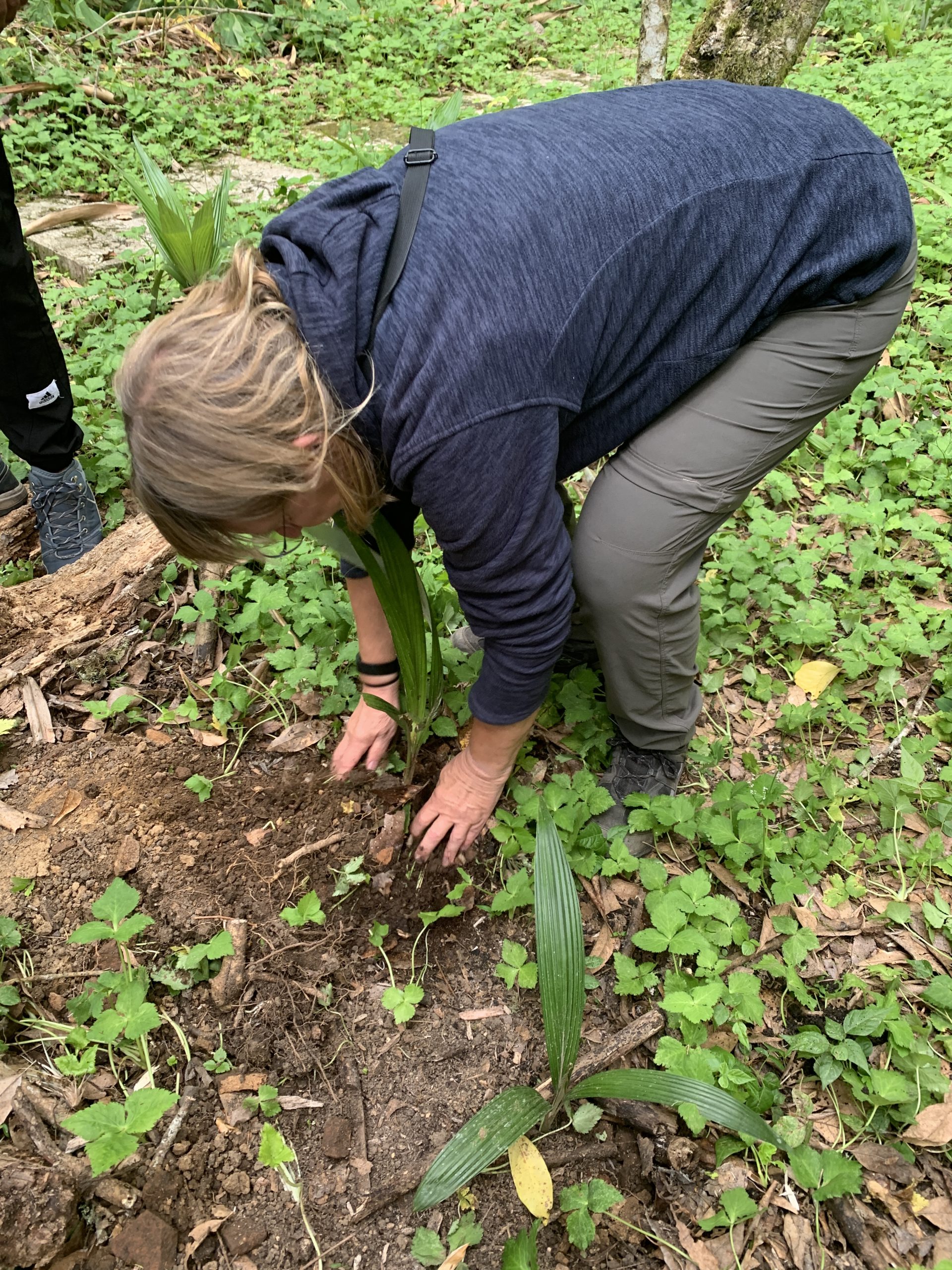
Wax palms need to be planted within a forest, not stand like solitary sentinels in an otherwise bare landscape. This is what three of us in my travel group do after an invitation from the owner of a restaurant we visit. After lunch we follow him into his private forest.

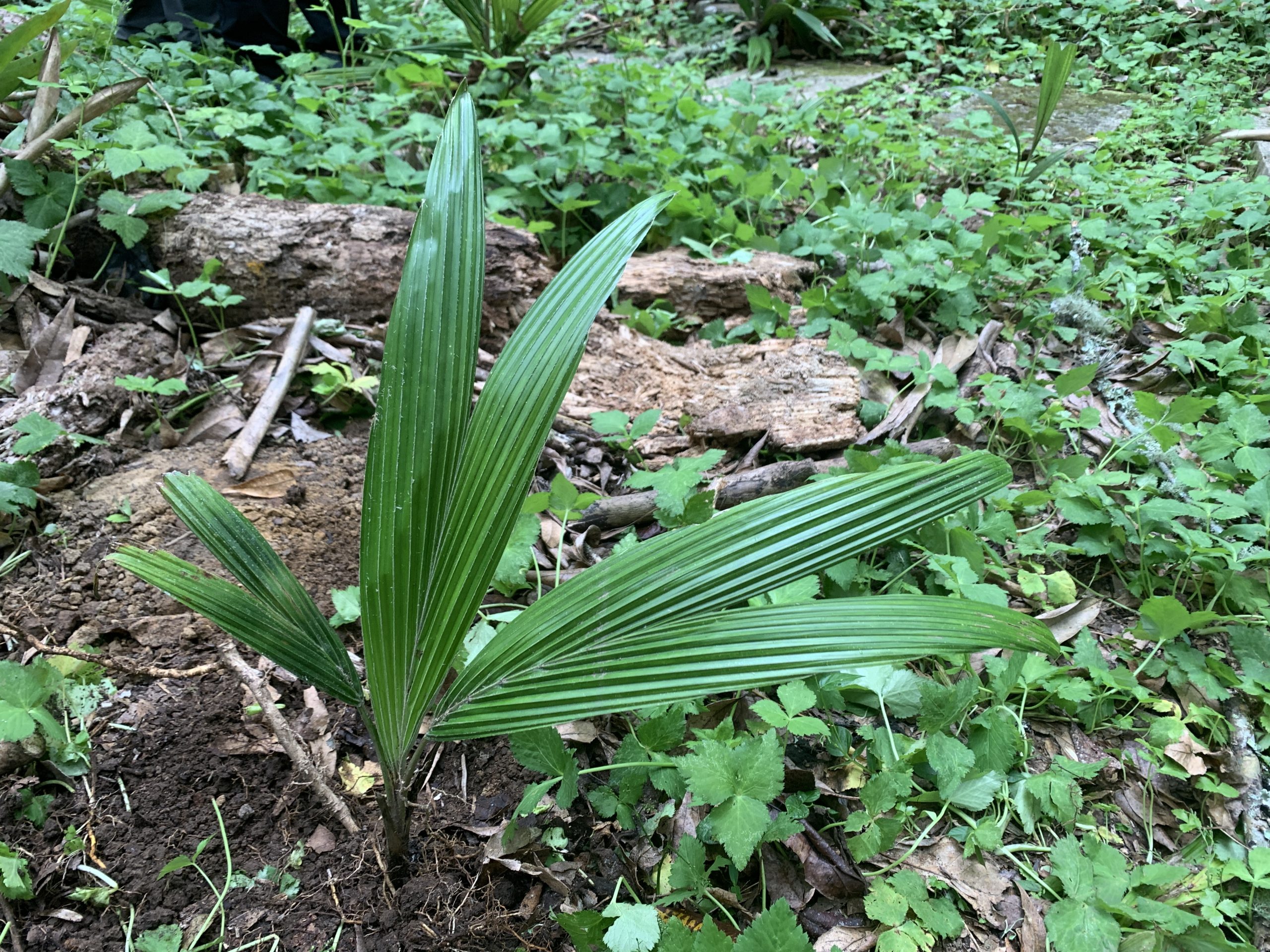
The three of us, one of them being myself, carry young wax palms with us. As the others watch and take pictures, we plant them amidst a whole lot of other trees so they can grow and hopefully thrive in a protected environment. The photo shows my tree.  


5 – Blasts of colour

Colombia Posted on 14 Oct, 2025 10:31

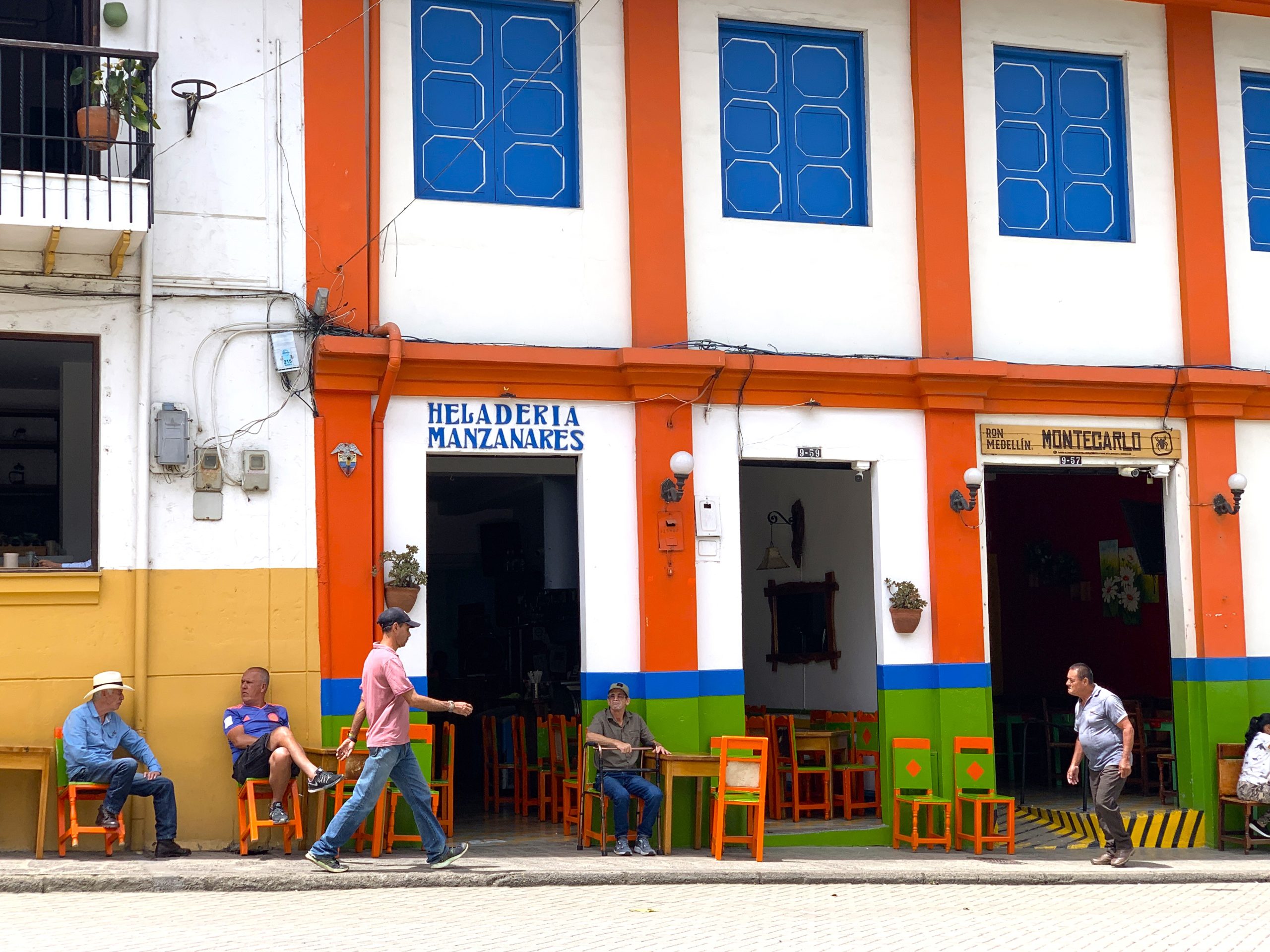
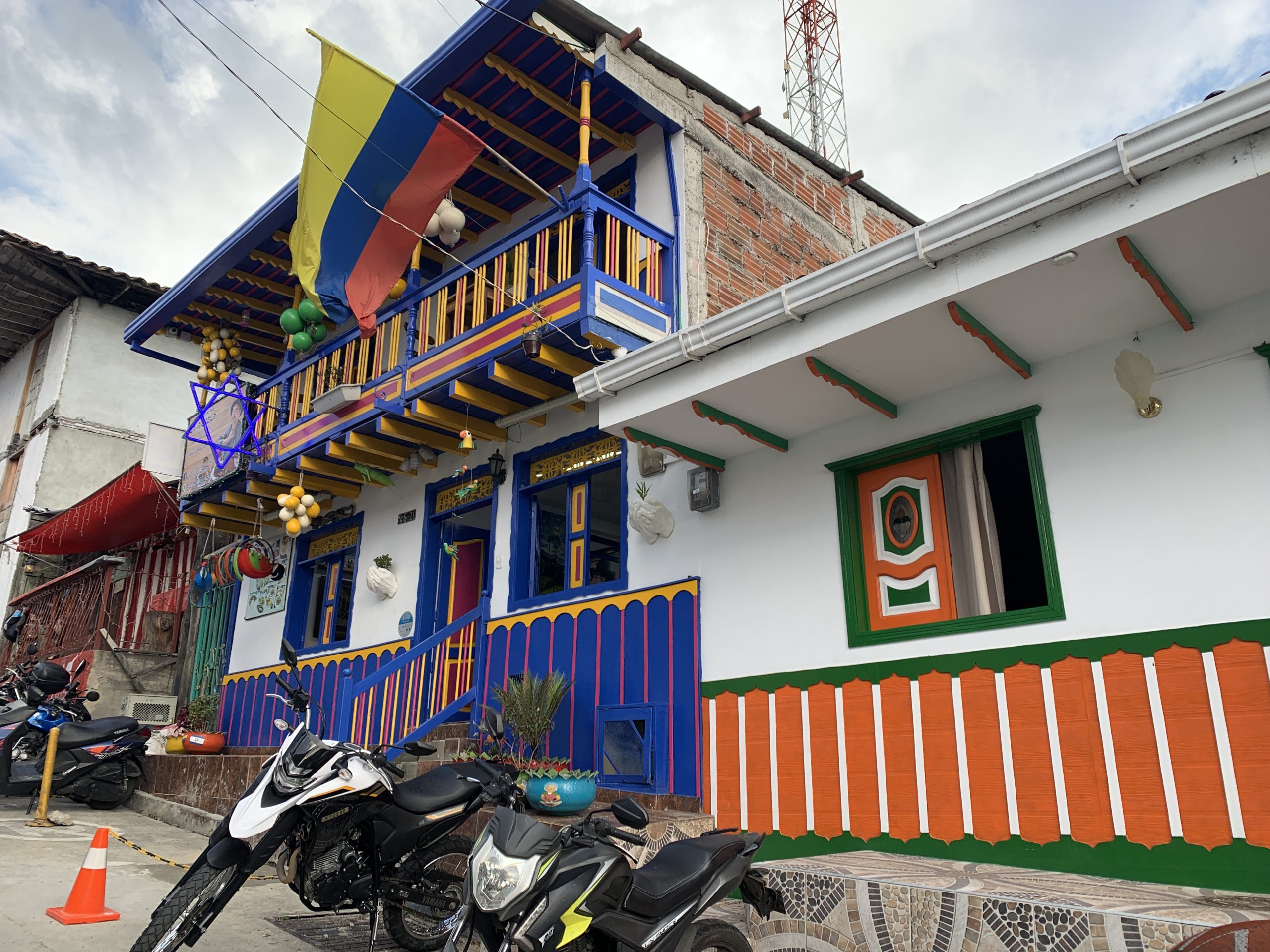
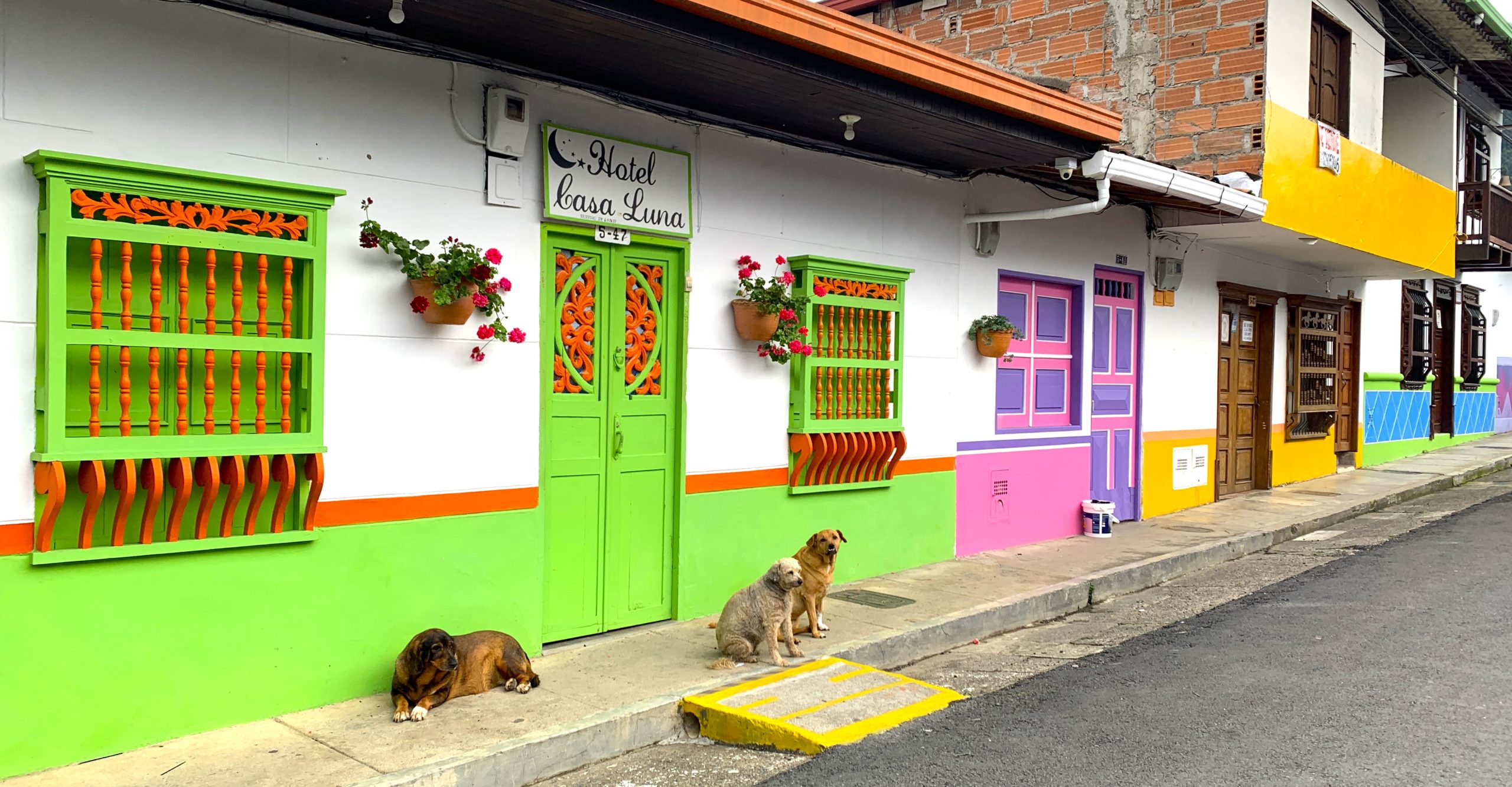
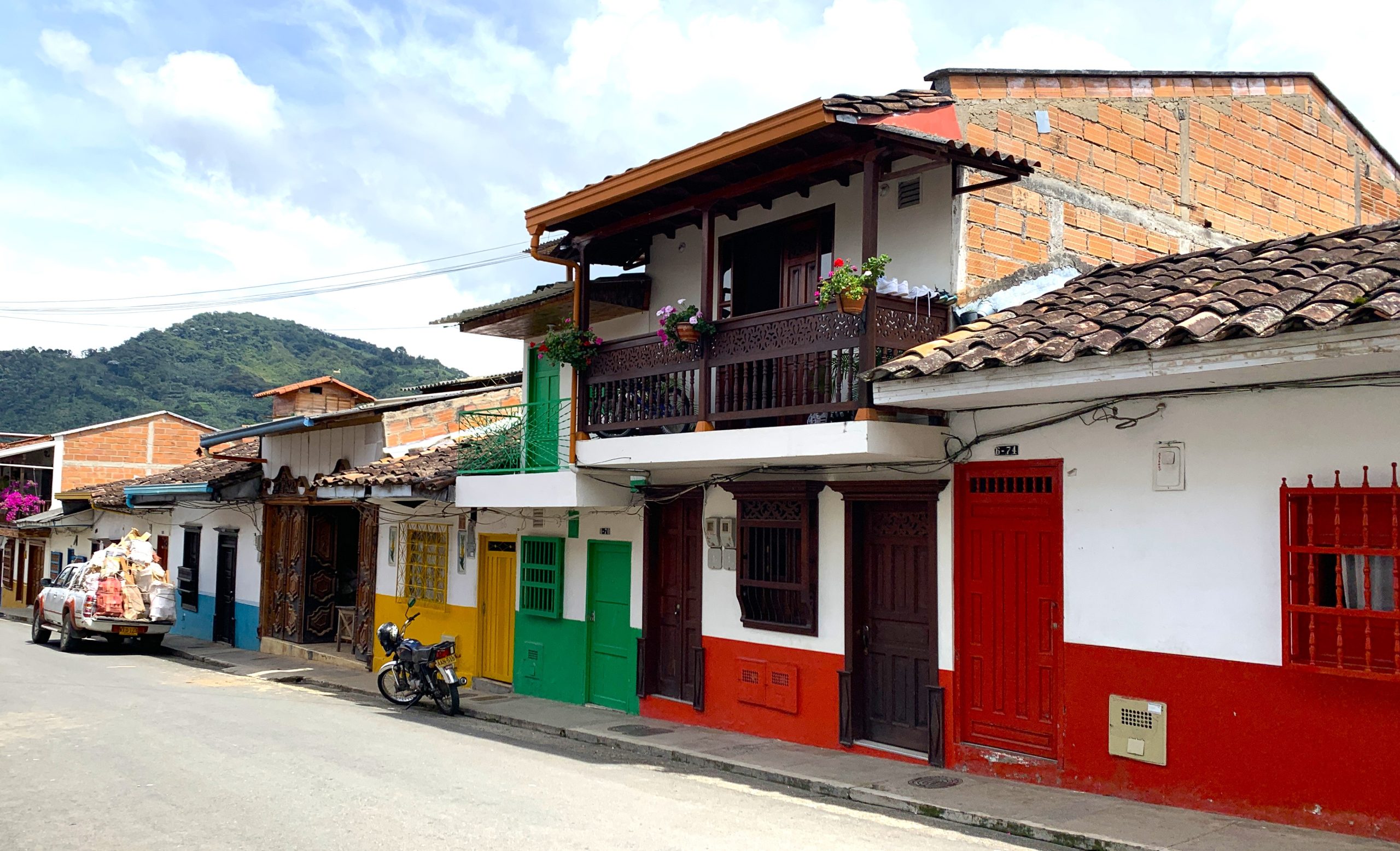
The Colombians have a love for bright and happy colours.

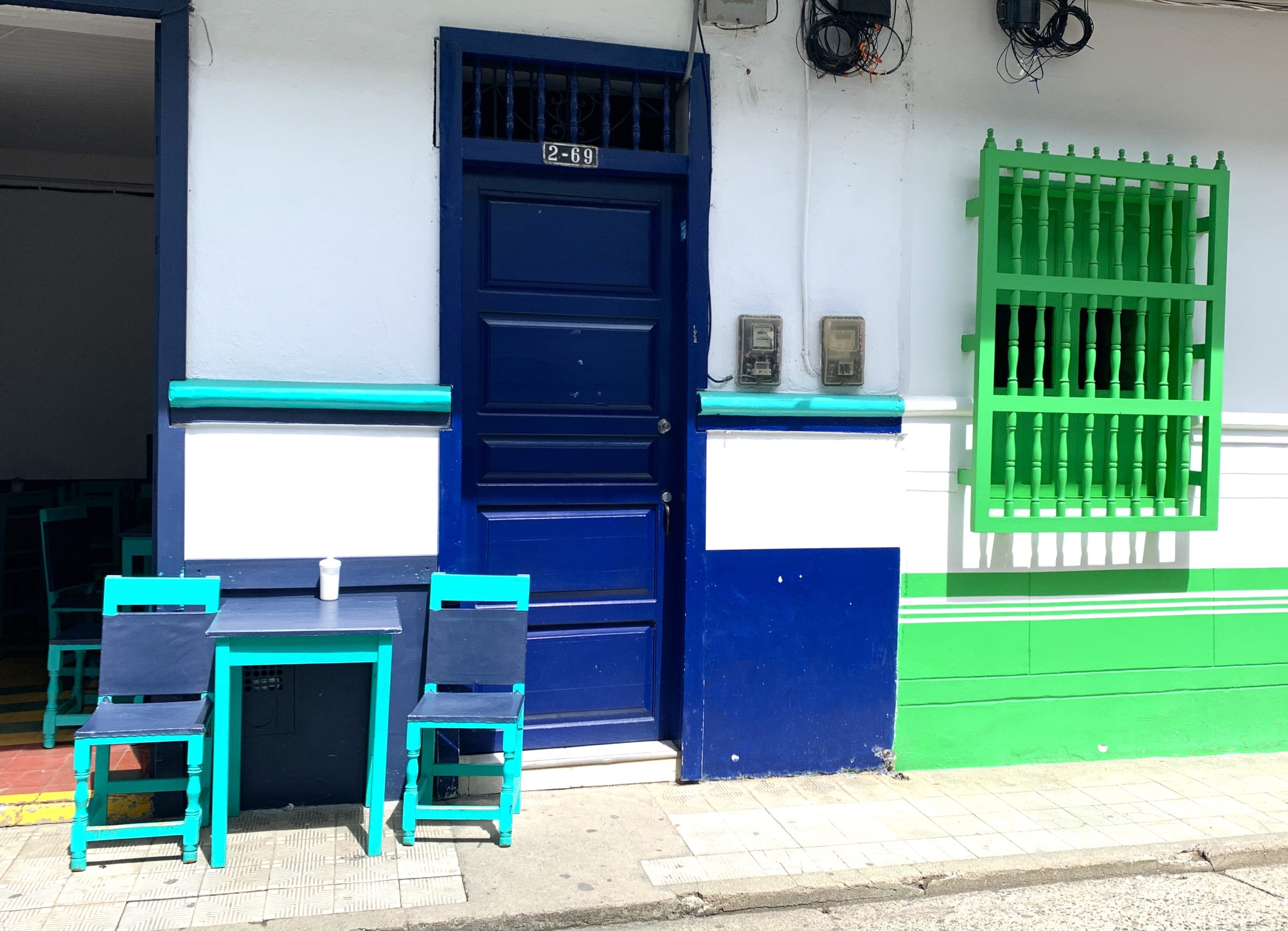
As if it is not enough with all the colourful flowers, birds and butterflies in Colombia, some of the towns and villages are also bursting with colour. Most of the following photos are from the towns Jardin and Salento.

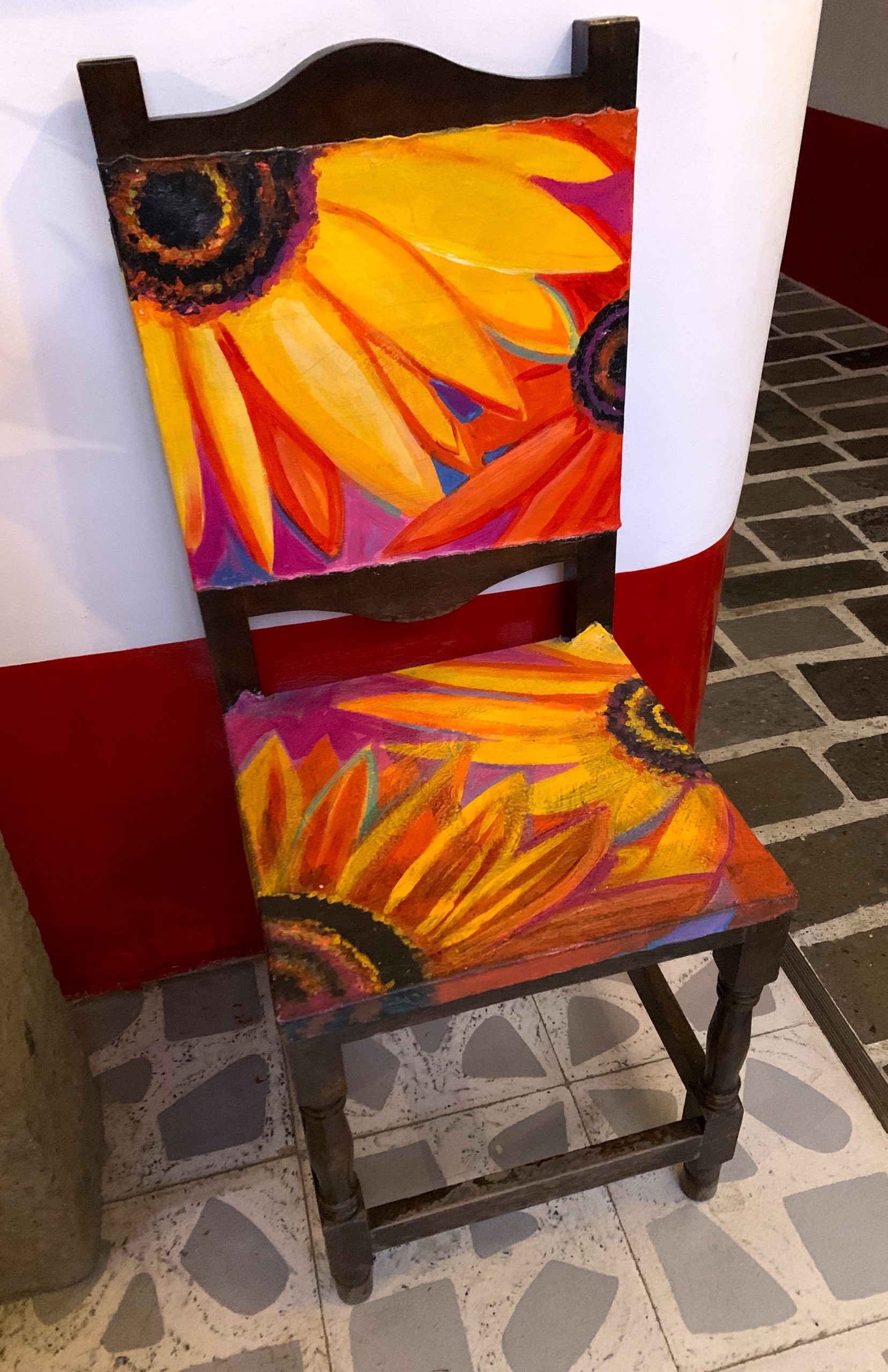
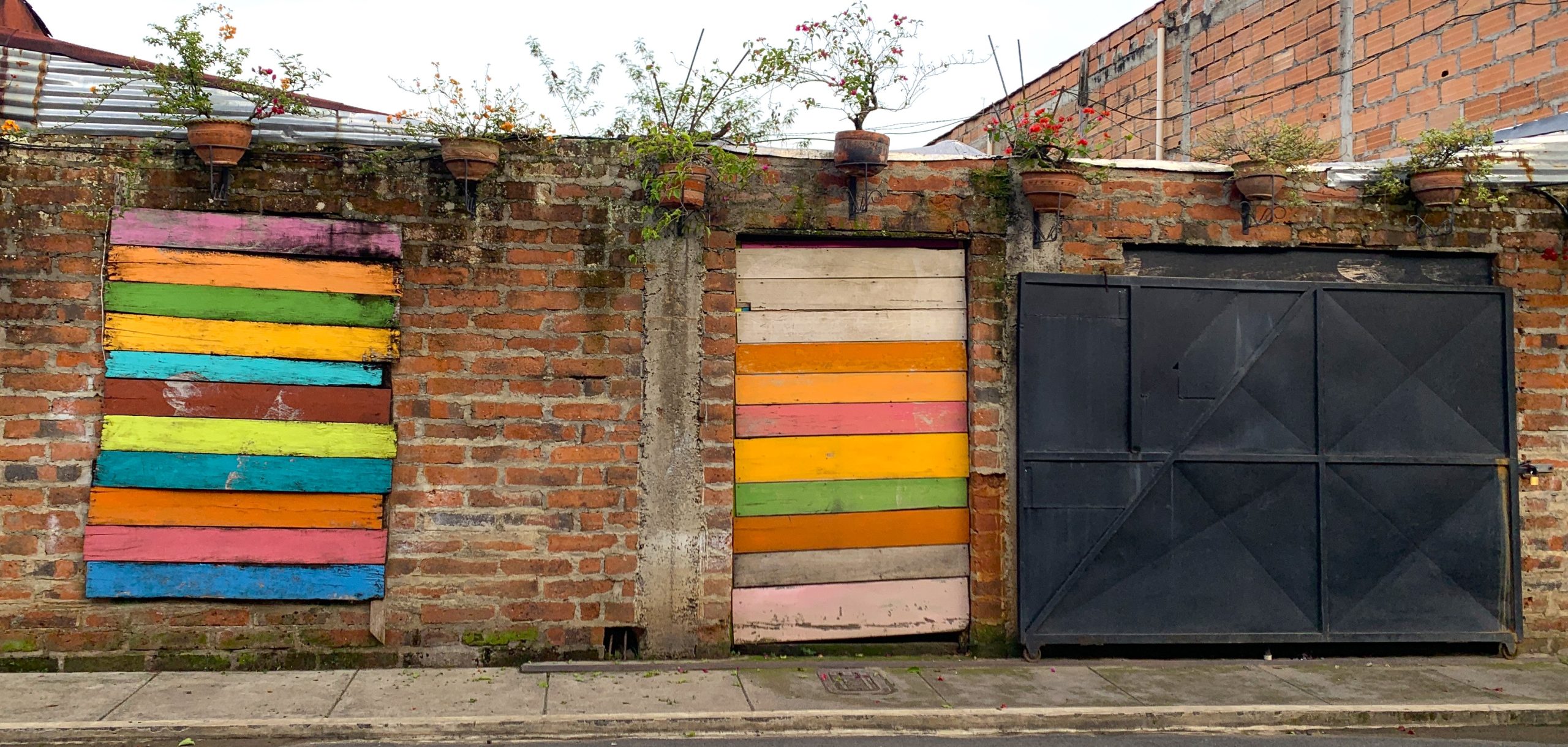
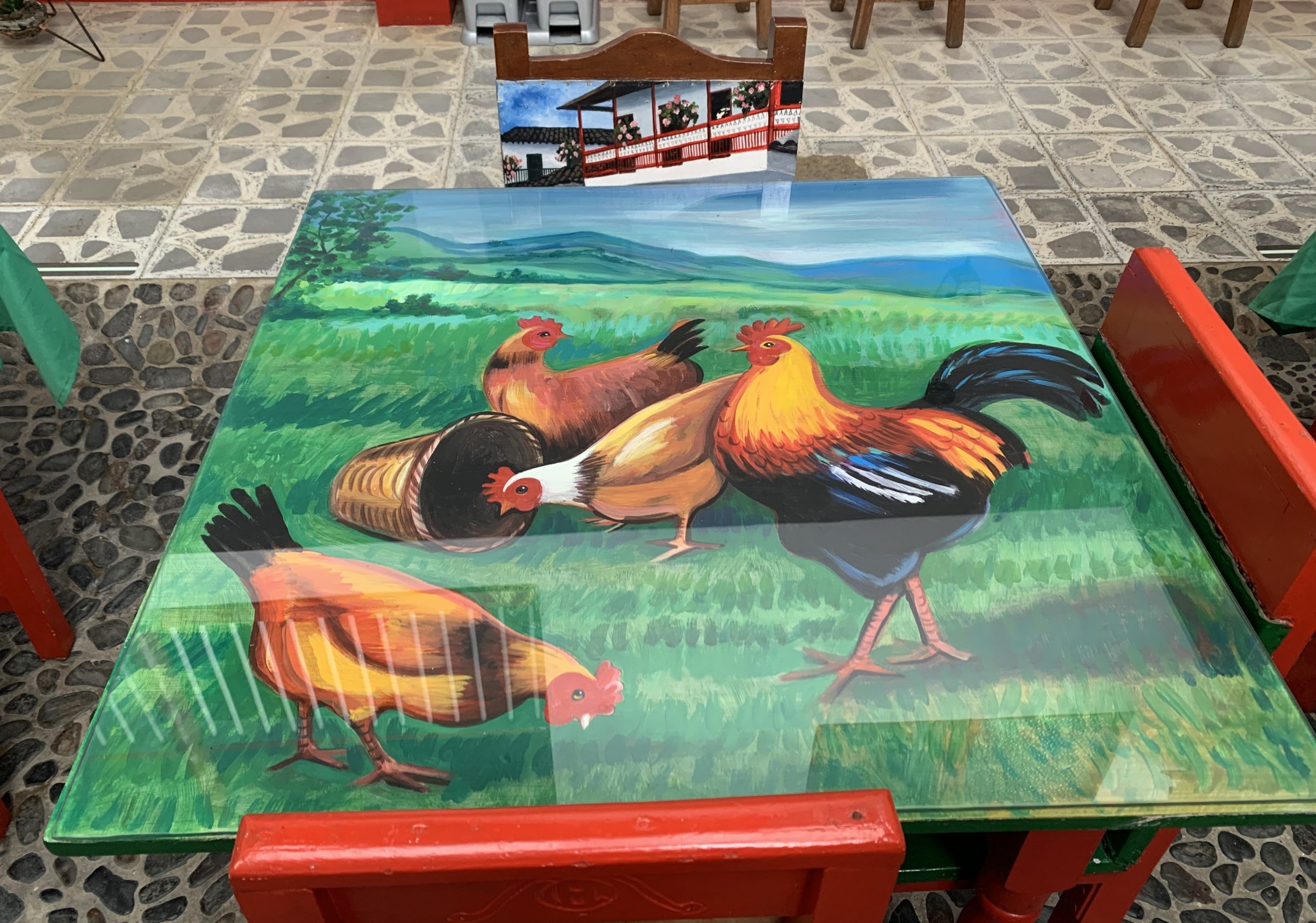
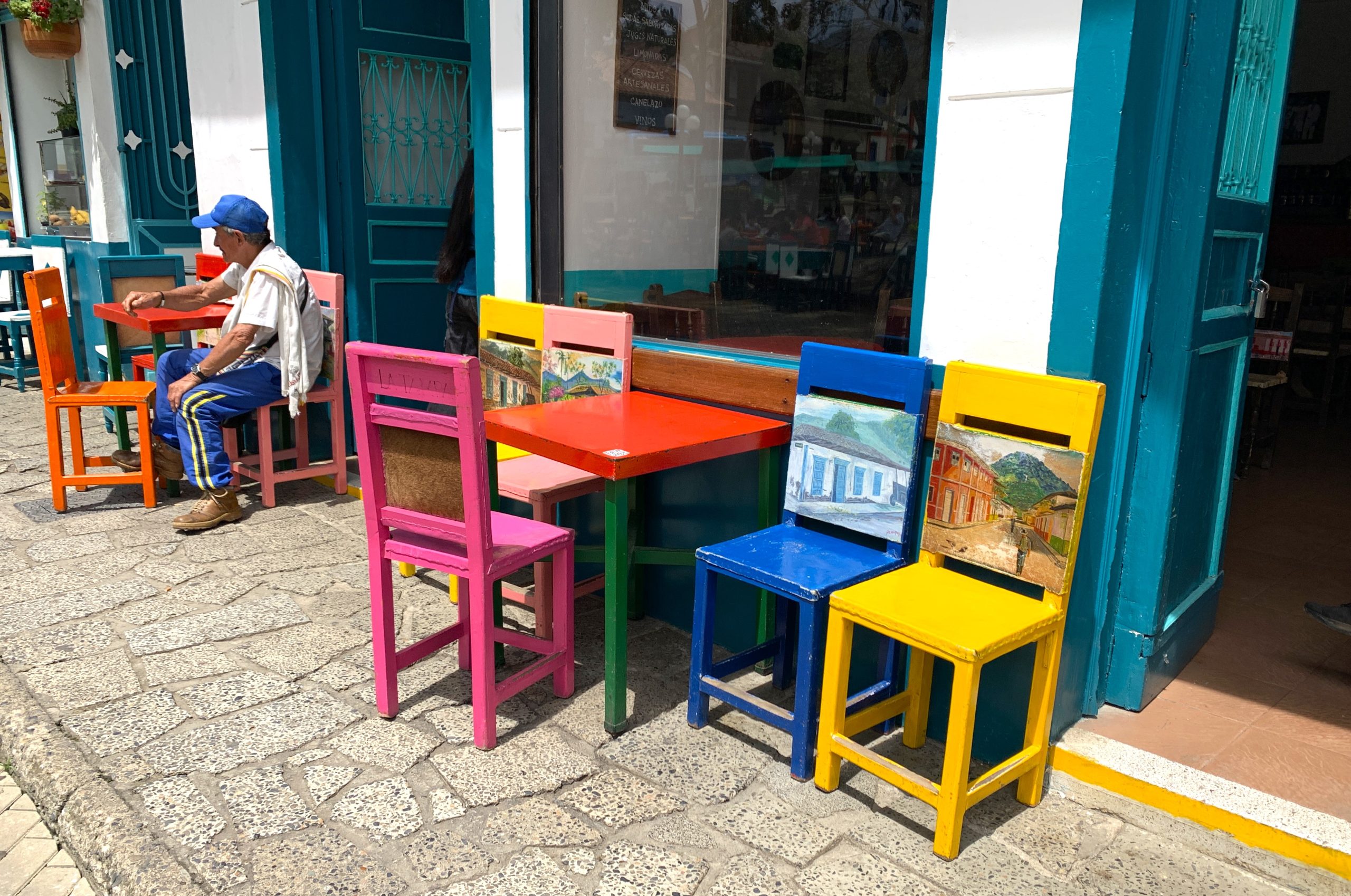
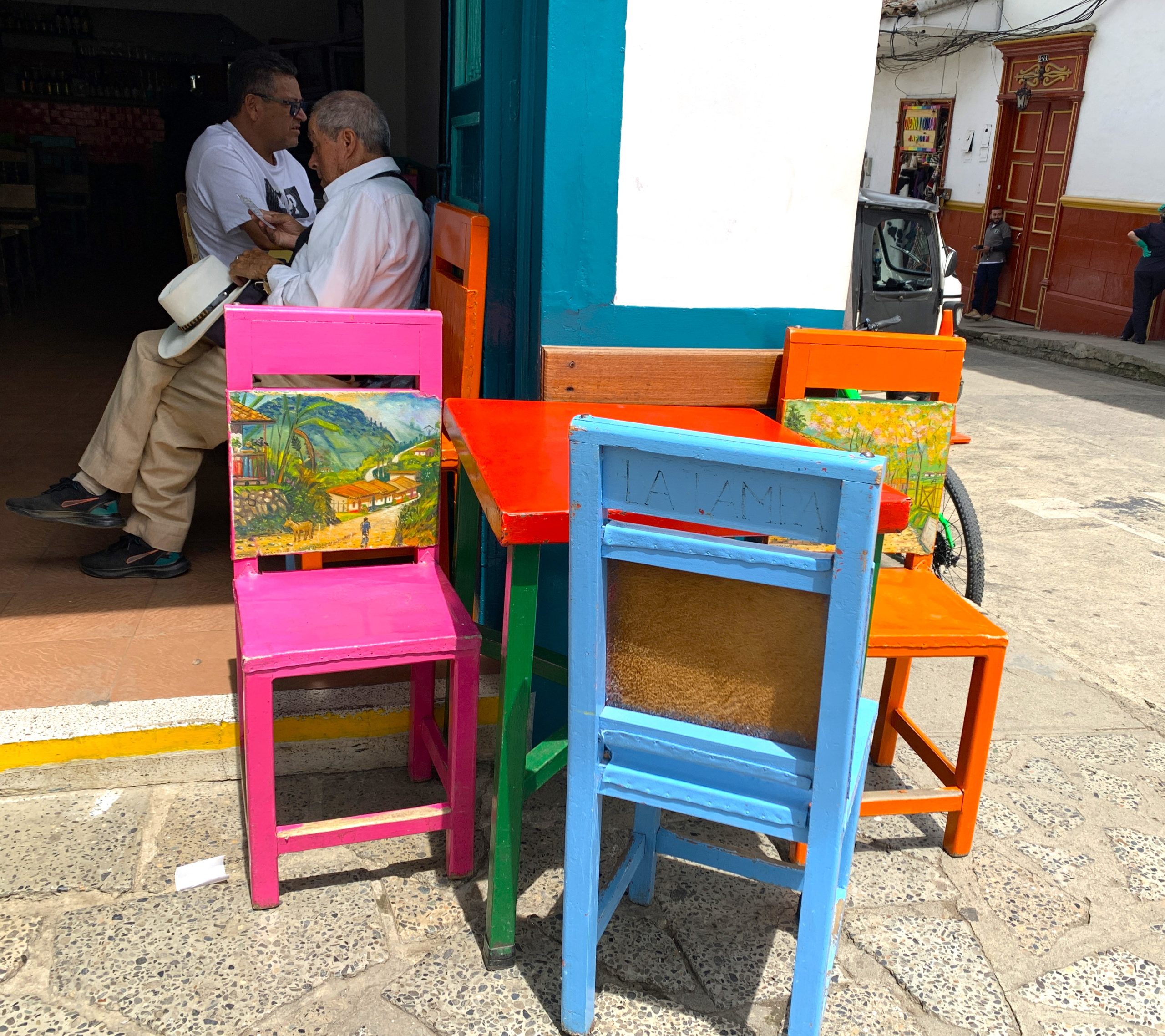
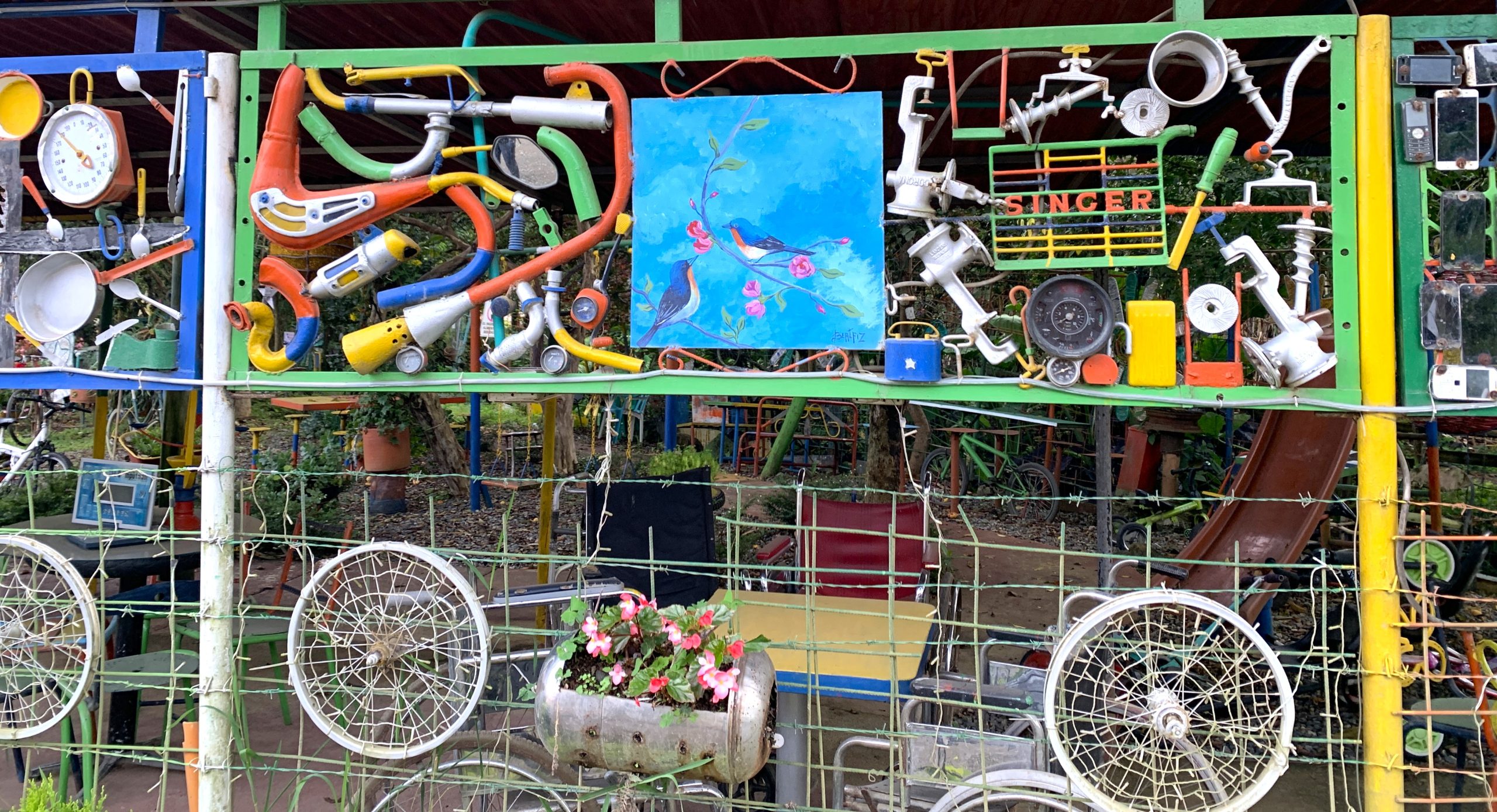
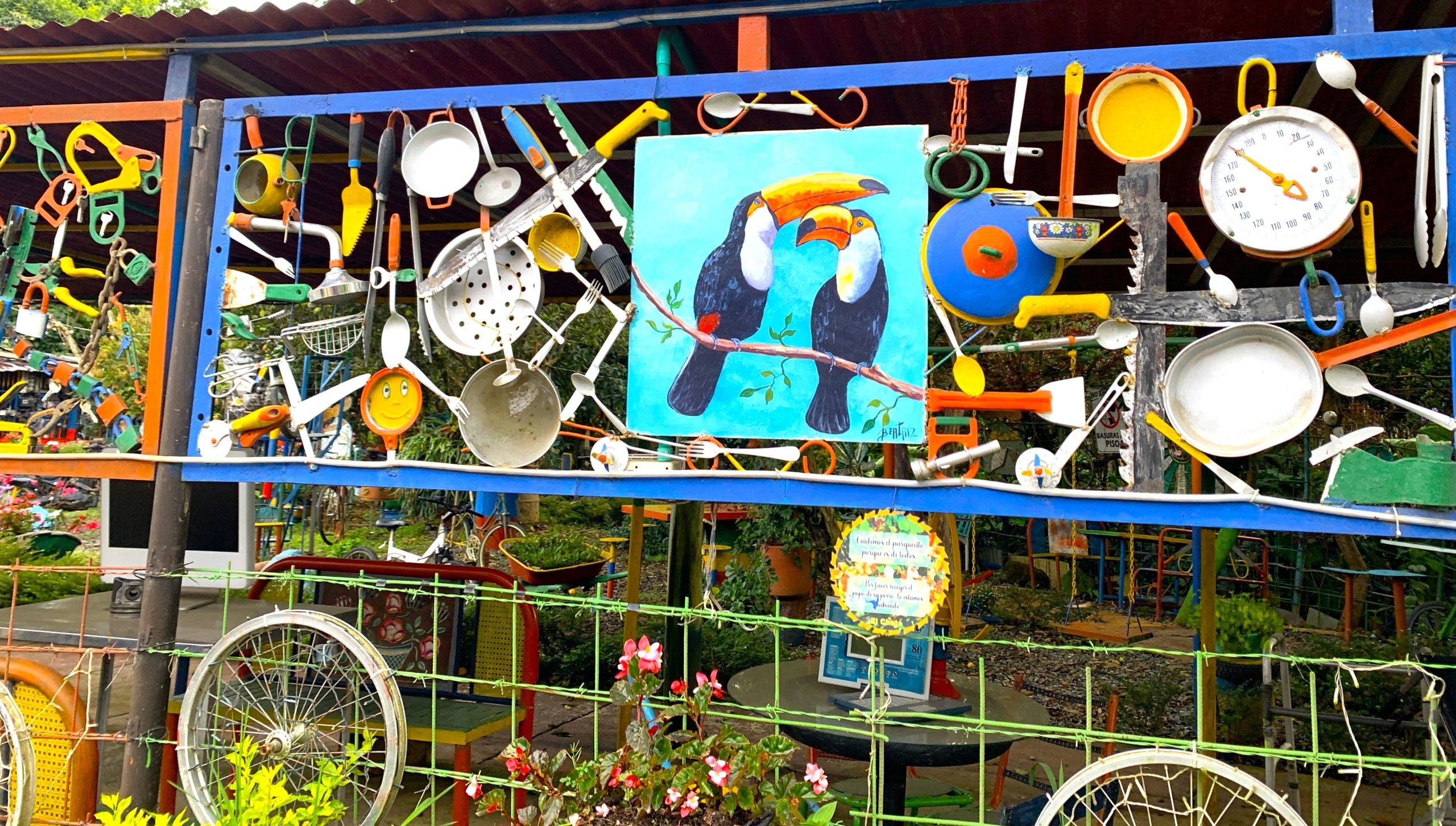
It must be good business selling paint in Colombia. Not only houses, but chairs, tables, fences, used objects – everything seems to get a colourful coat of paint.

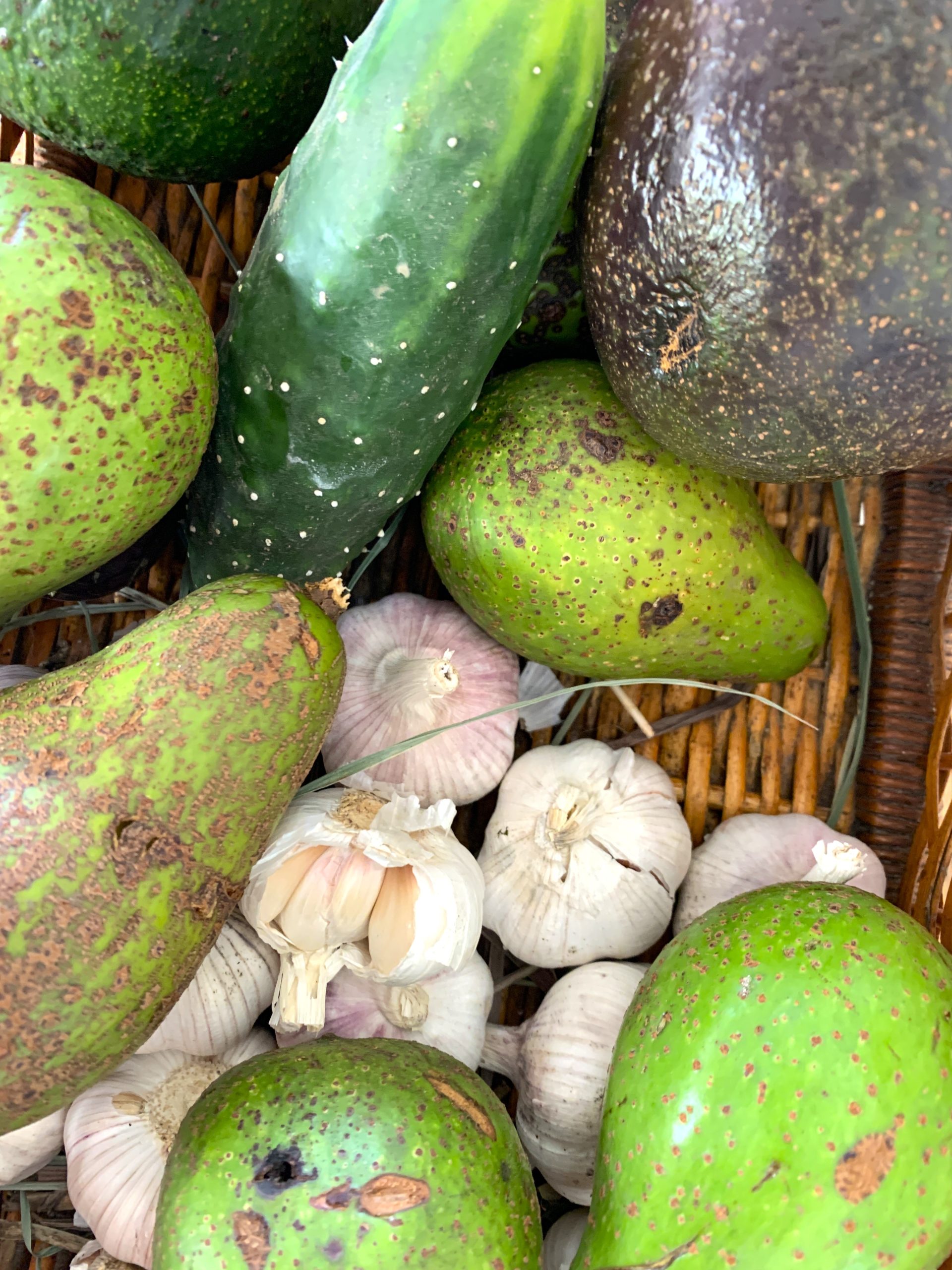
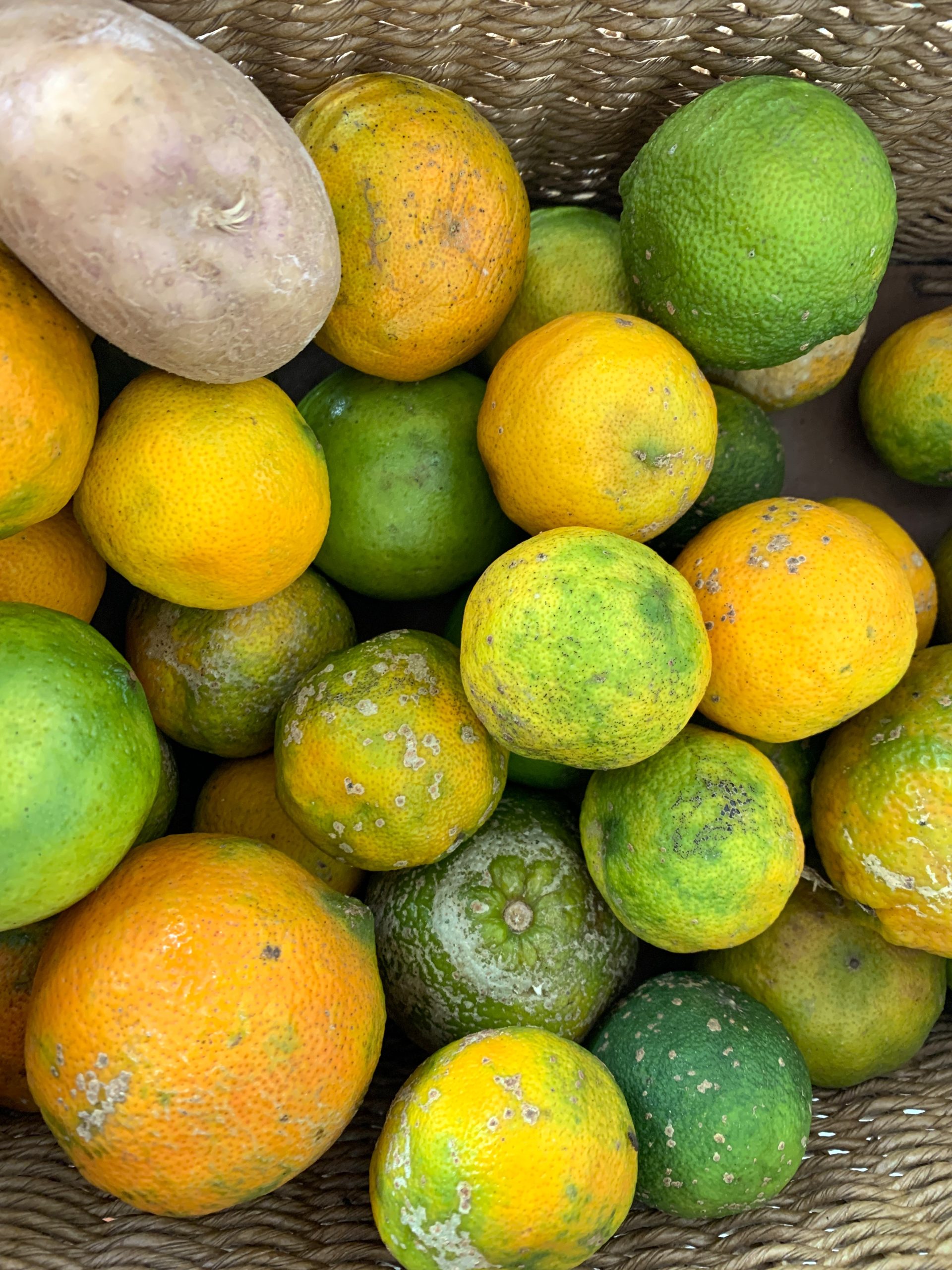
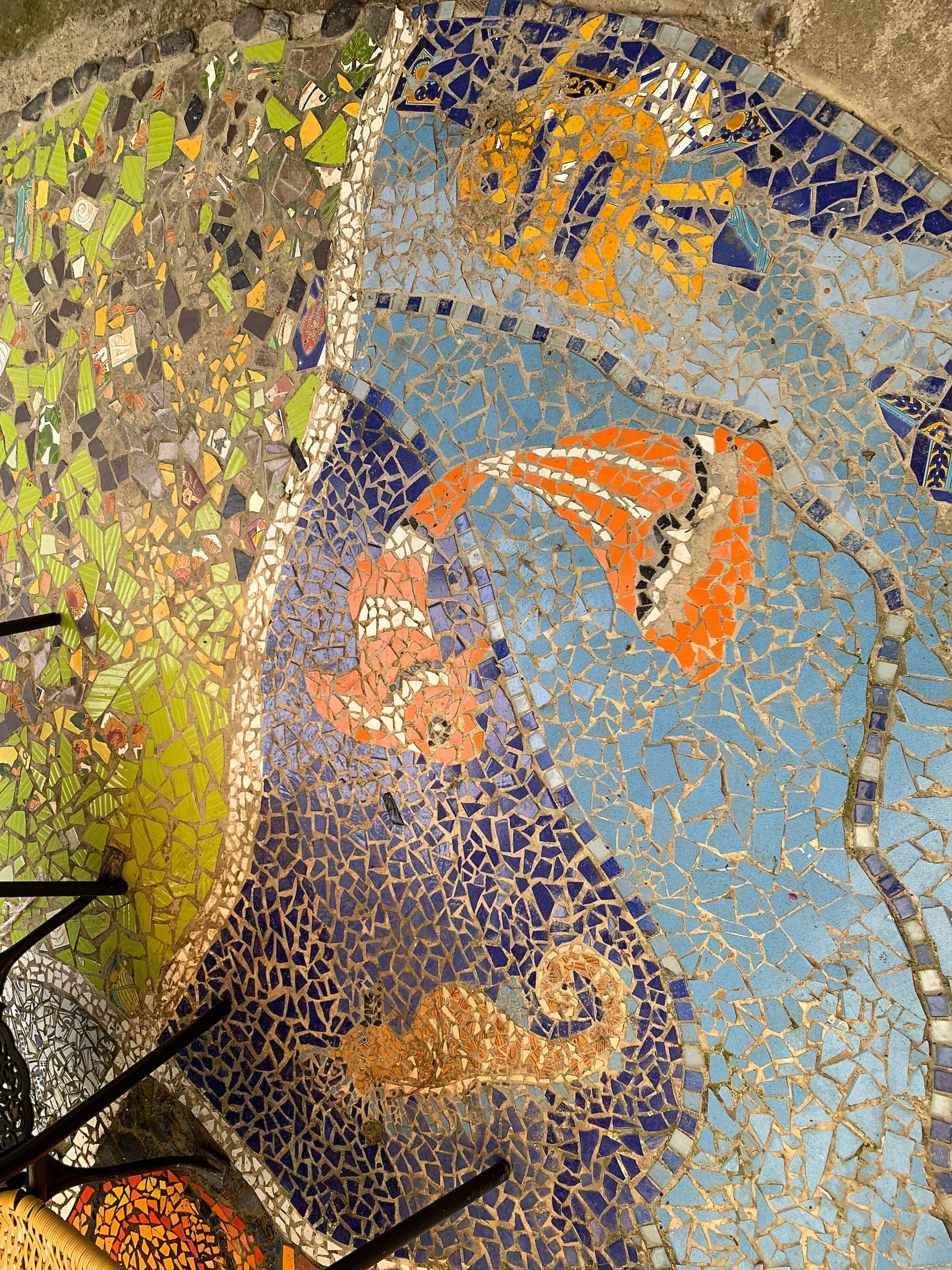
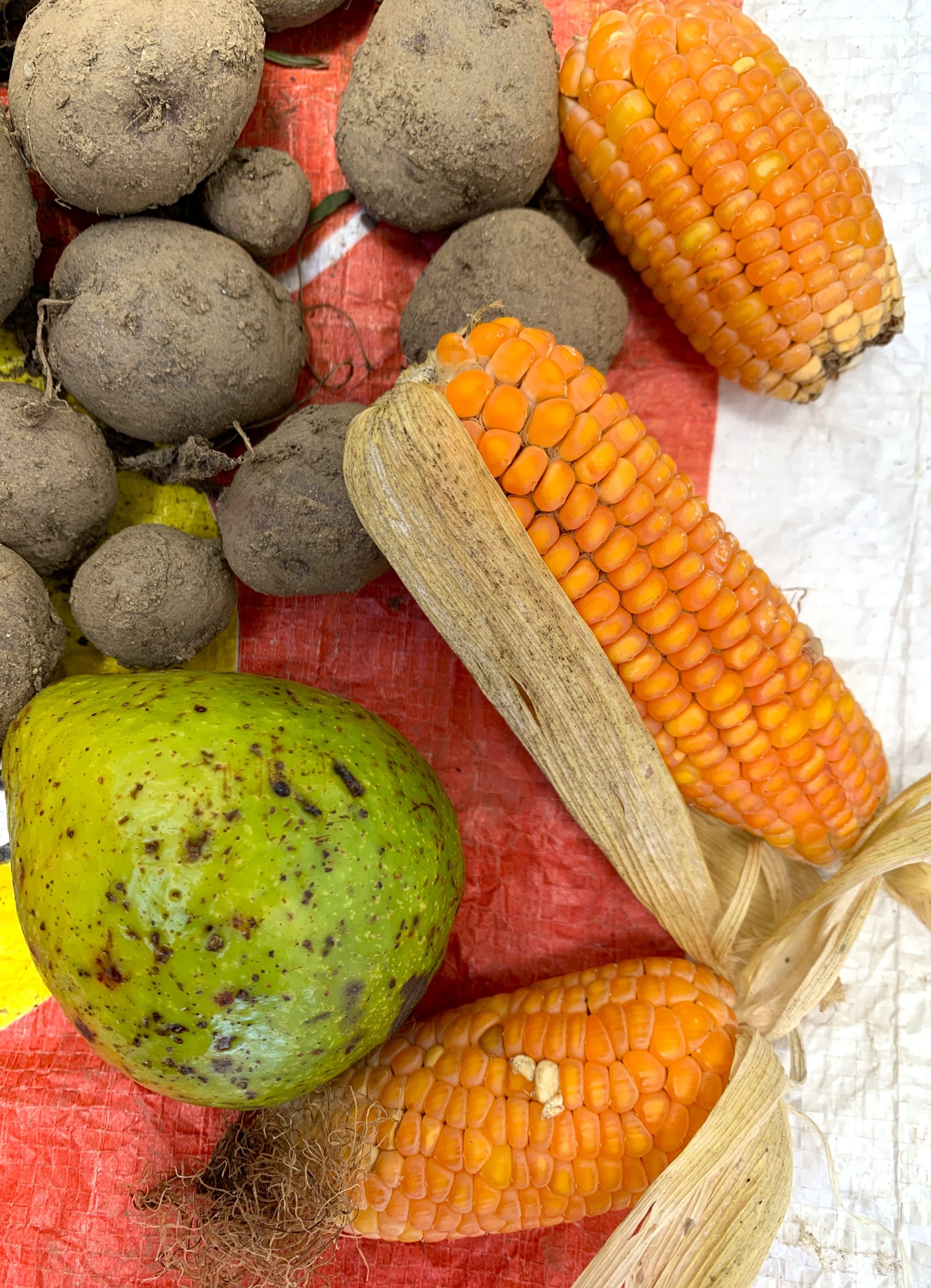
At one of the places we eat lunch, the floor is covered with mosaics. Woven baskets contain artfully arranged fruit and veggies.

The gardens and hedgerows also have plants with exotic and decorative shapes and colours.

I cannot resist showing you the bathroom table in one of our hotels. I wish I had one just like it.


4 – With our heads in the clouds

Colombia Posted on 12 Oct, 2025 18:12

After days in the stifling heat and humidity of the jungle we head for the hills and cloud forests.

One of the places we visit in Colombia is Los Nevados National Park high up in the central Andes Mountains, west of Bogotá and south of Medellin.

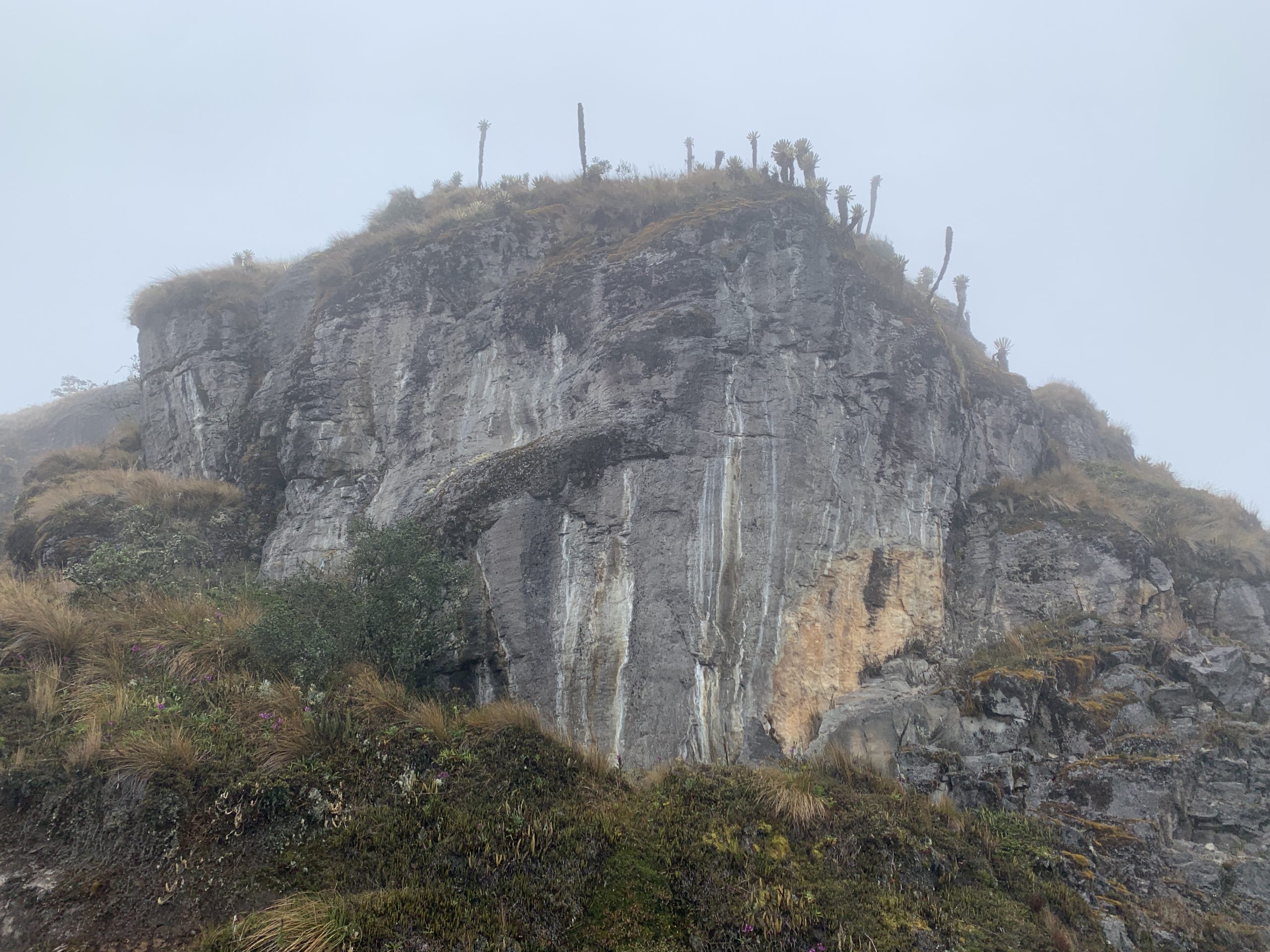
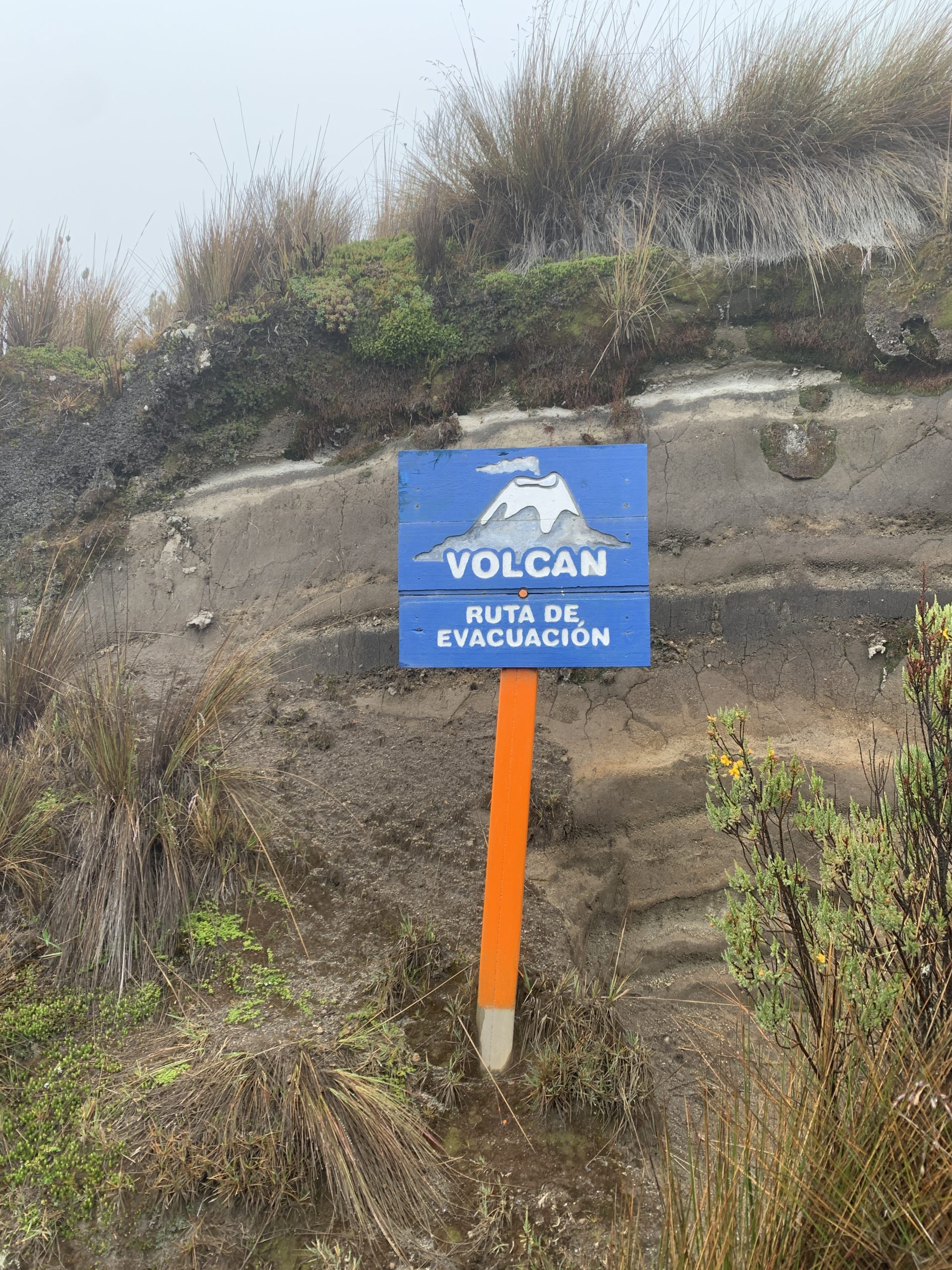
The national park sits at the foot of Colombia’s most active volcano, Nevado del Ruiz, which is 5300 metres above sea level. (That is about the same altitude as Mount Everest’s base camps). We see traces of previous eruptions in the soil layers.

We are at almost 4000 metres above sea level. It is about 6 degrees centigrade, so quite the change from the 30+ degrees in the jungle. To keep us warm and alert and provide easily accessible energy at the high altitude, we are given cups of coca tea laced with palm sugar. It is monstrously sweet but delicious.

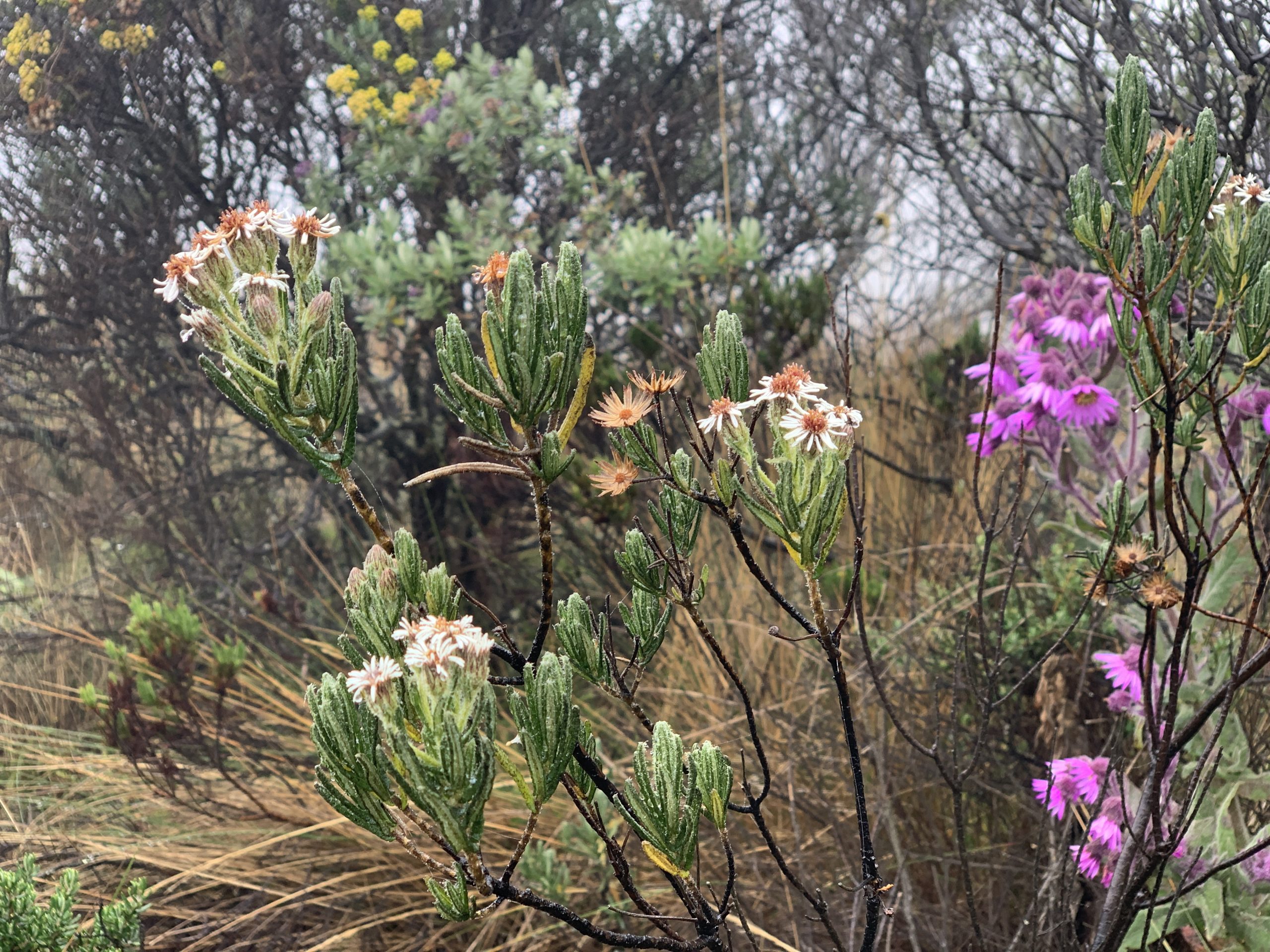
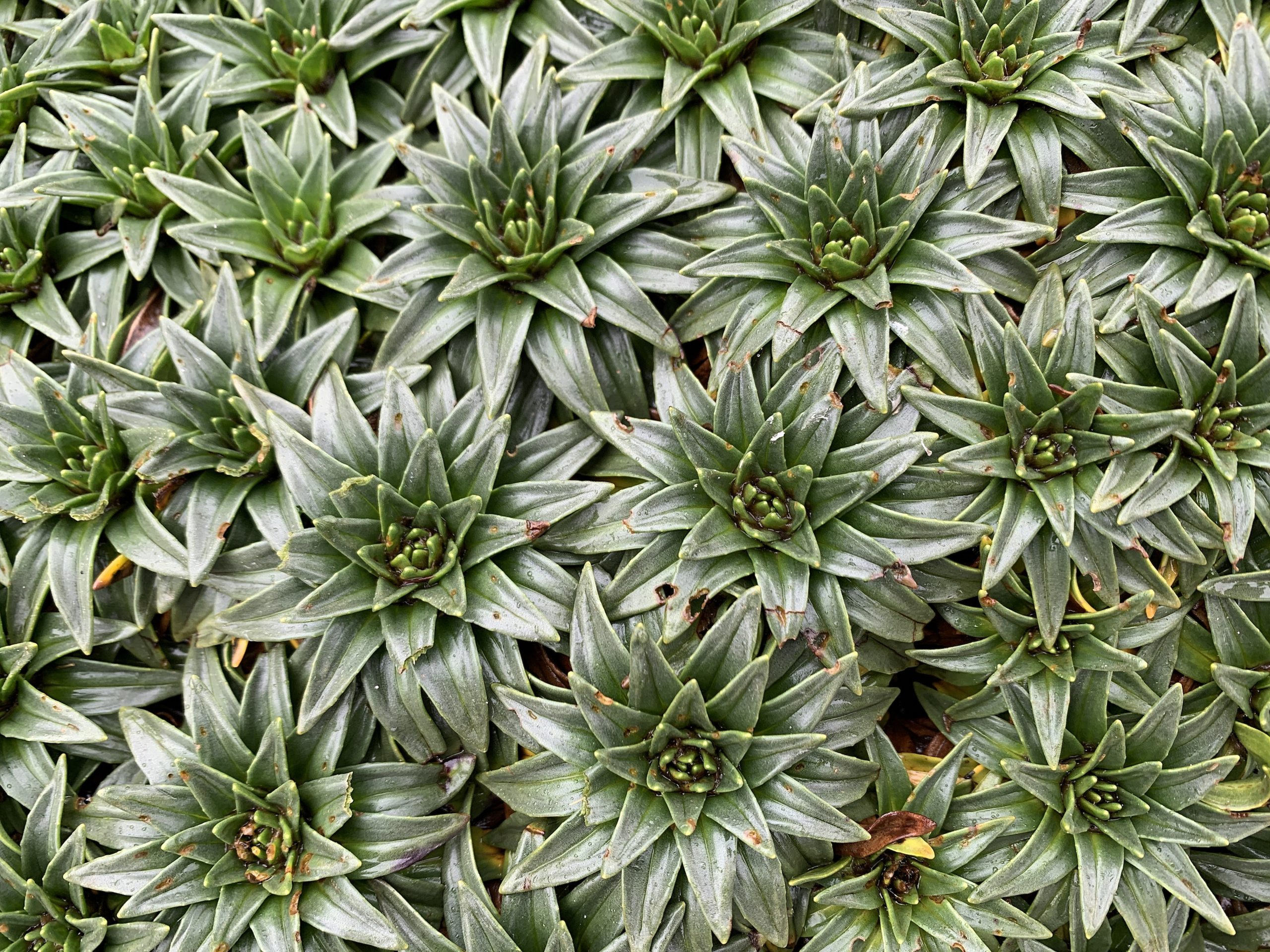
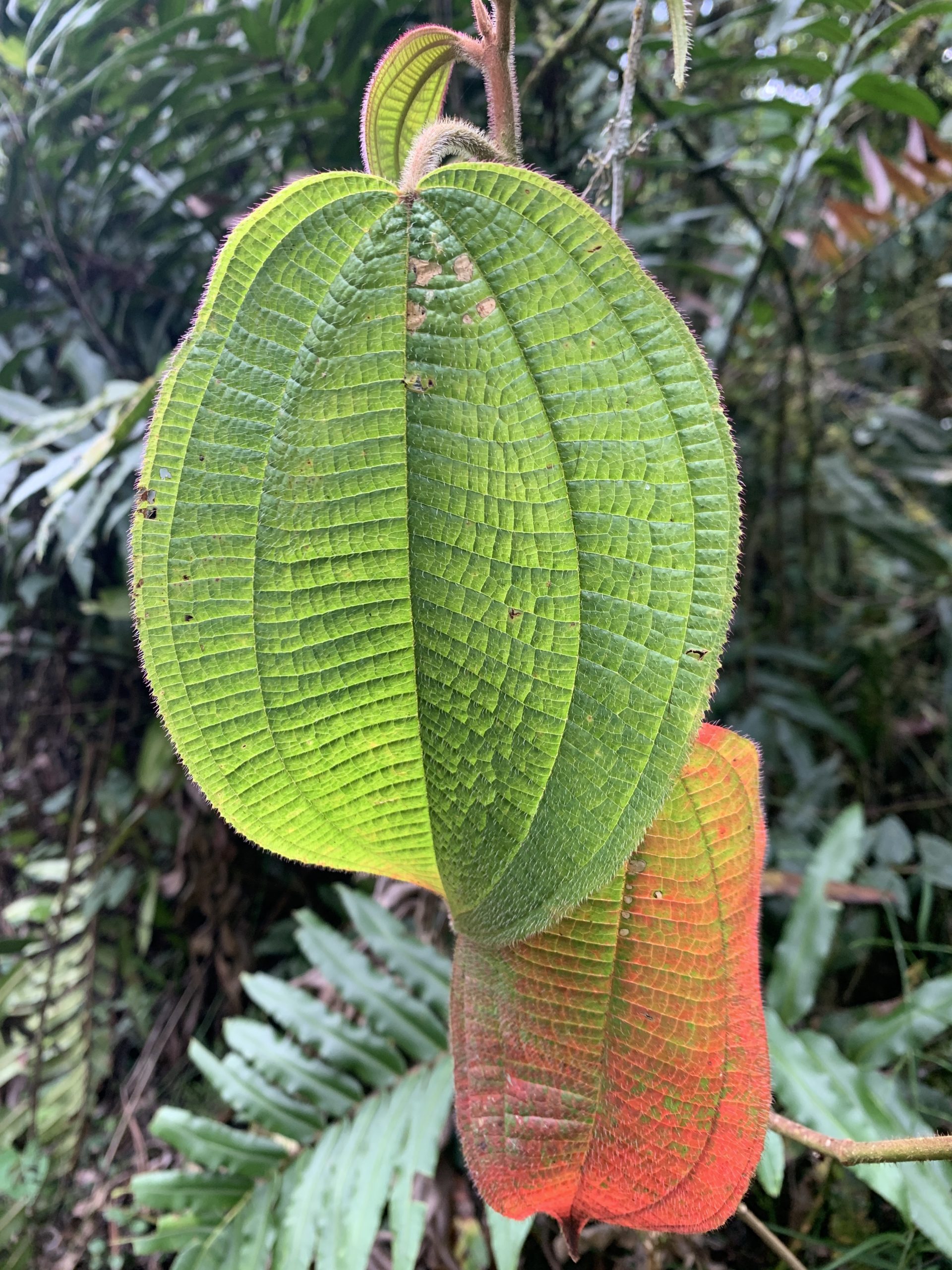
In the chilly environment of the cloud forest the plants’ leaves close tight around themselves to preserve heat.

In the cloud forest plants have adapted to catch moisture from the air or have a waxy surface to prevent evaporation.

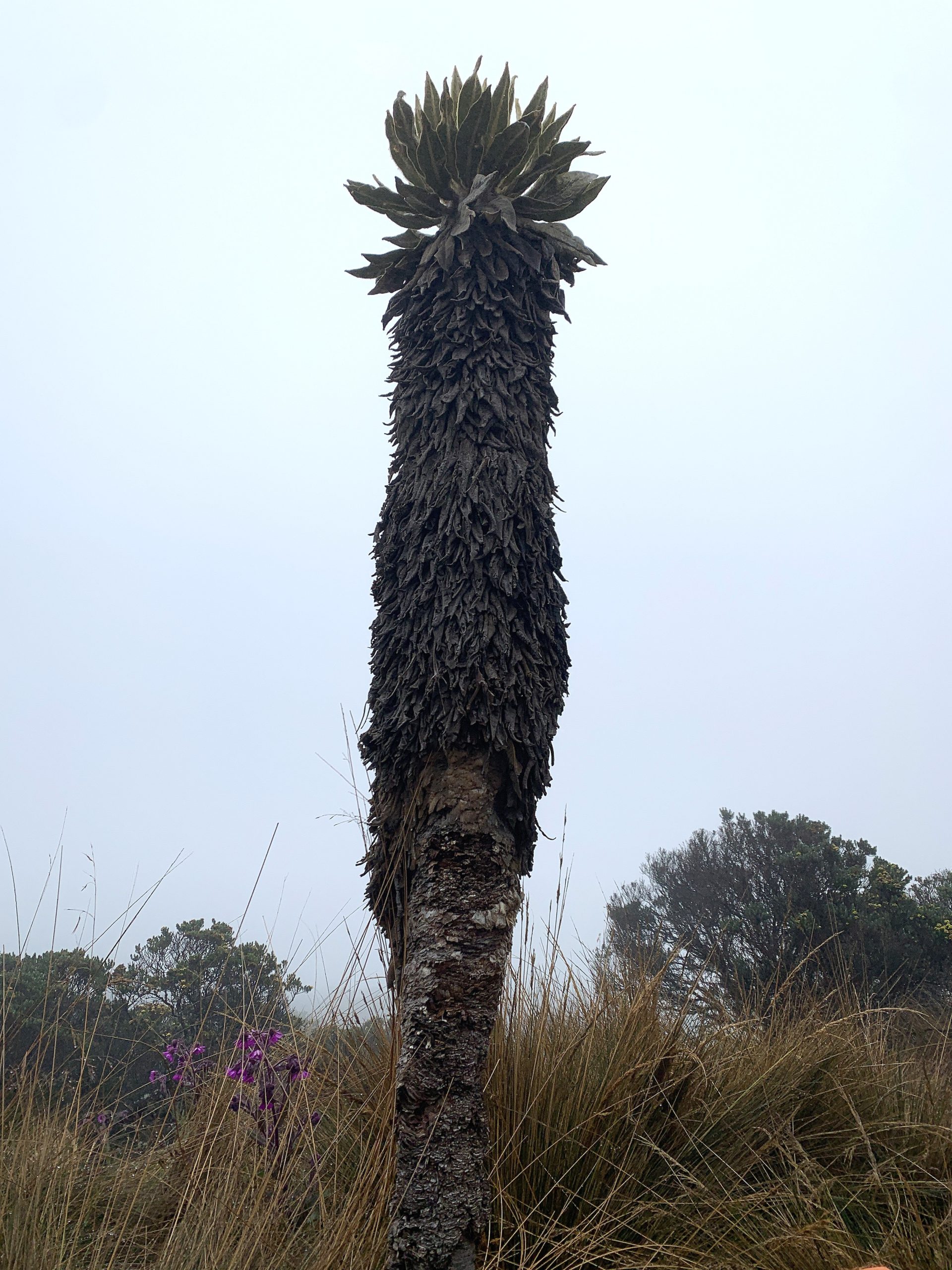
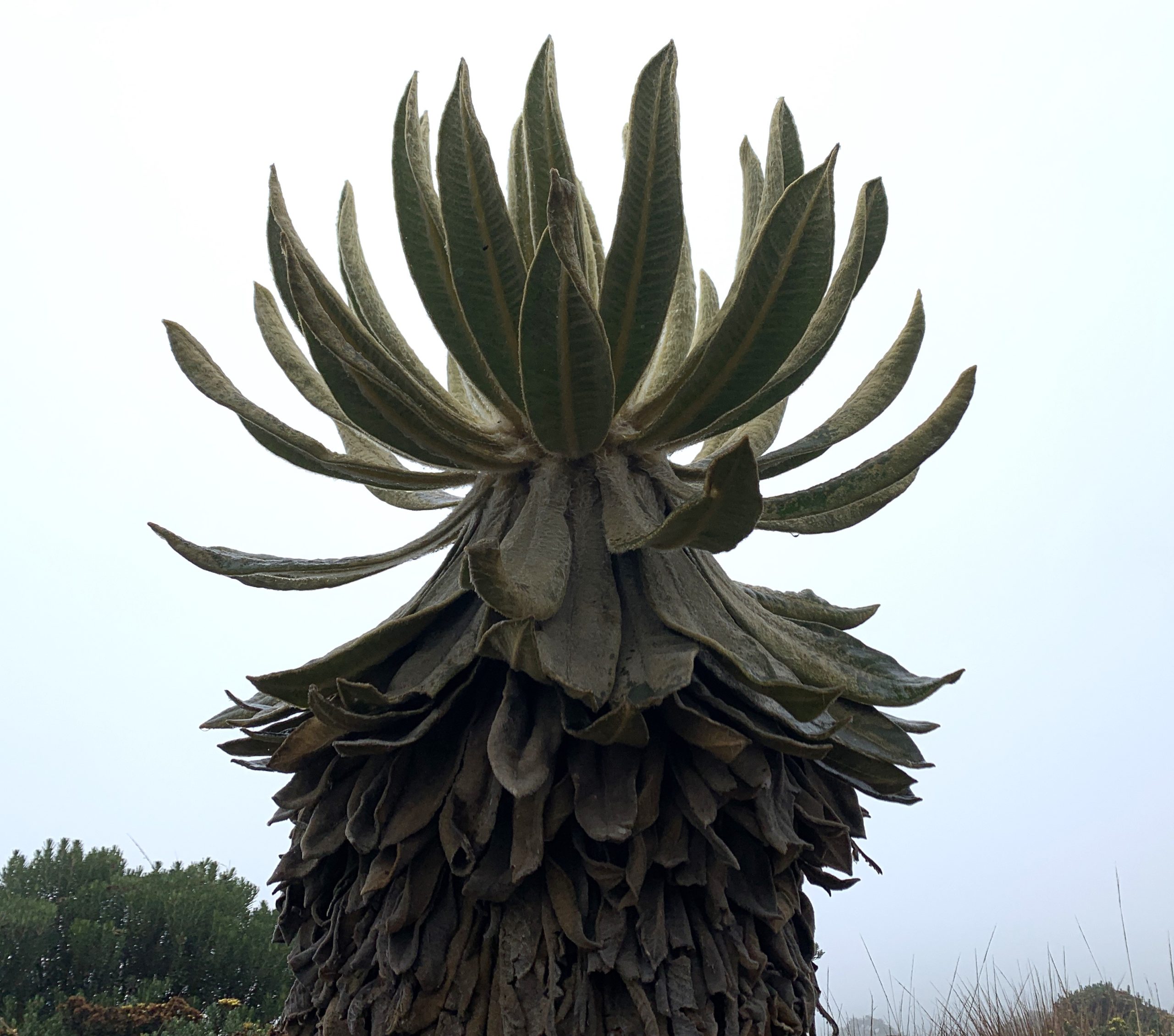
Espeletia, plants, commonly known locally as frailejones (big monks) are an important example of this. They have thick trunks and succulent hairy leaves. Espeletia capture water vapor from passing clouds in their spongy trunks and release it through their roots into the soil. This process helps create high-altitude subterranean water deposits and lakes. The water eventually trickles down through streams, rivers and waterfalls, providing Colombians with drinking water.

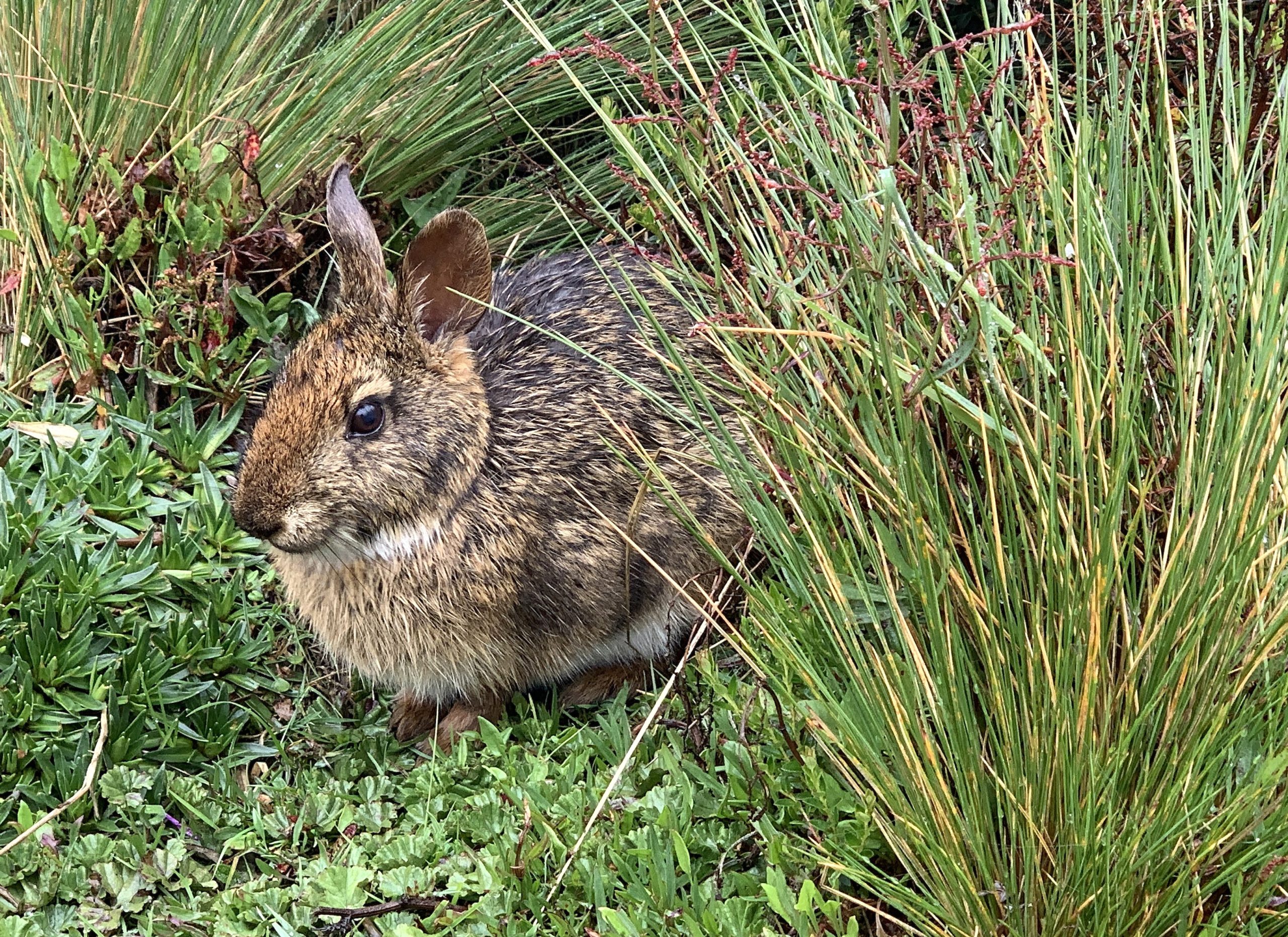
An Andean tapeti, a species of cottontail rabbit native to Colombia and other countries in the region, emerges from behind a tuft of grass in the fog. According to Wikipedia, not much is known about the biology of the Andean tapeti, so if some biology student out there is looking for an animal so study, then here is a potential subject.


3 – Birds, butterflies and blooms

Colombia Posted on 10 Oct, 2025 11:29

Amid all the greenery in Colombia are the startling colours of the birds, butterflies and flowers.

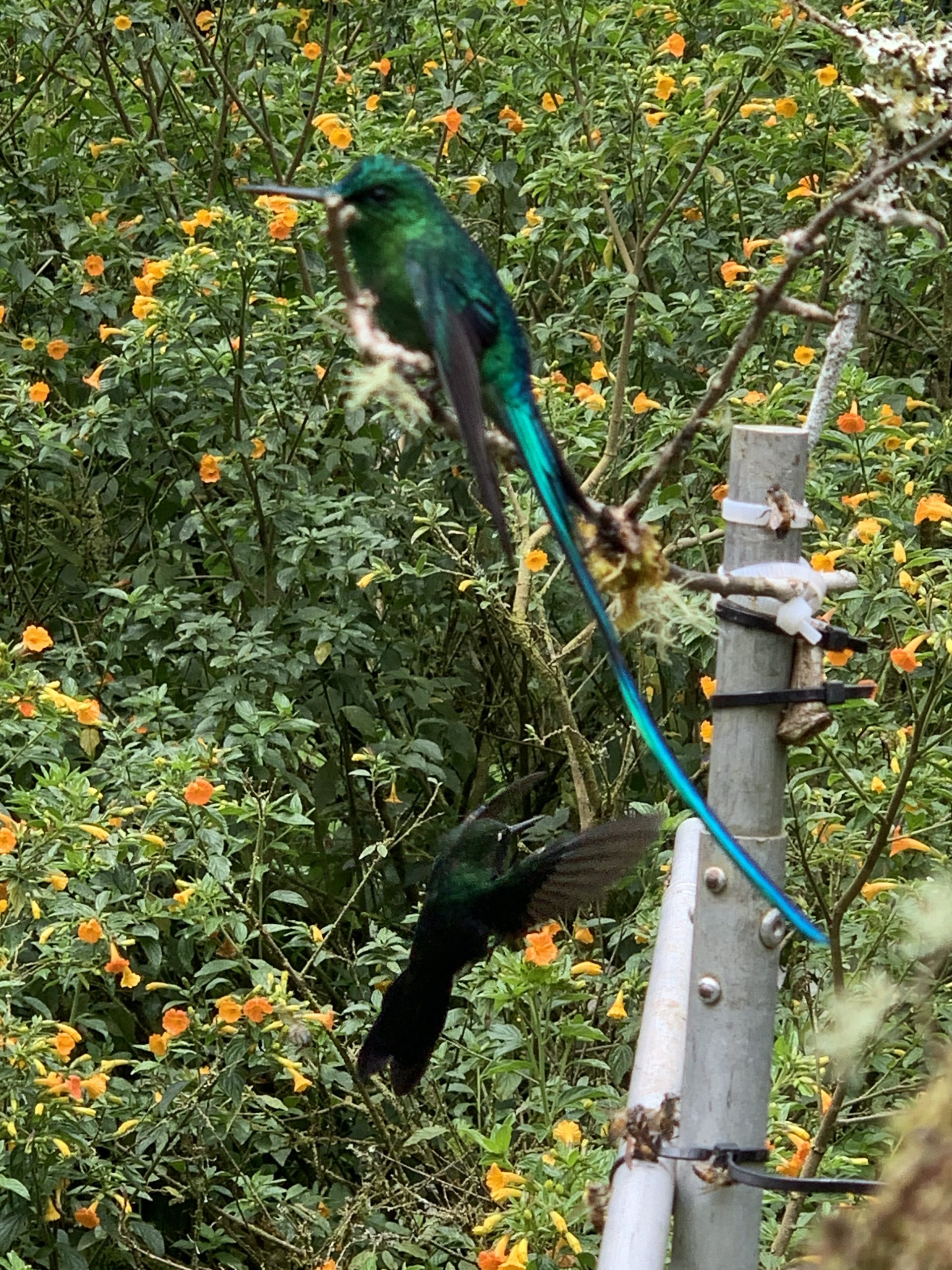
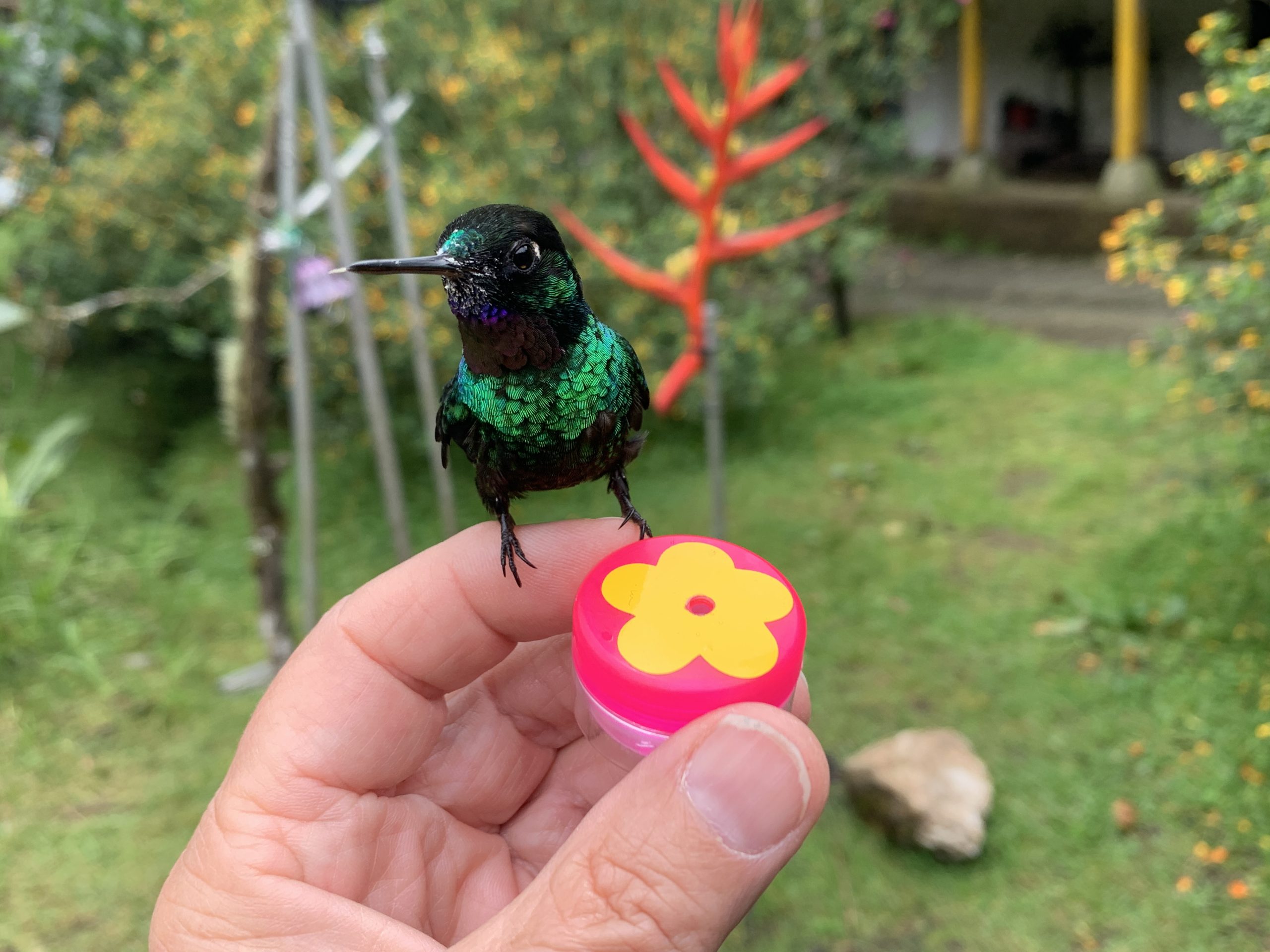
I am astounded at the number of bird species I see in Colombia, even though I just spot a fraction of the total number. For example, I see about 21 species of hummingbird. These tiny, territorial, technicolour birds sparkle in the sunshine, some of them changing colours from purple to green to blue right before your eyes, depending on how the light falls. They are attracted to red, which is why hummingbird feeders have that colour. They are so drawn to red that, with a good portion of patience, you can lure them to land on your hand and take a drink.

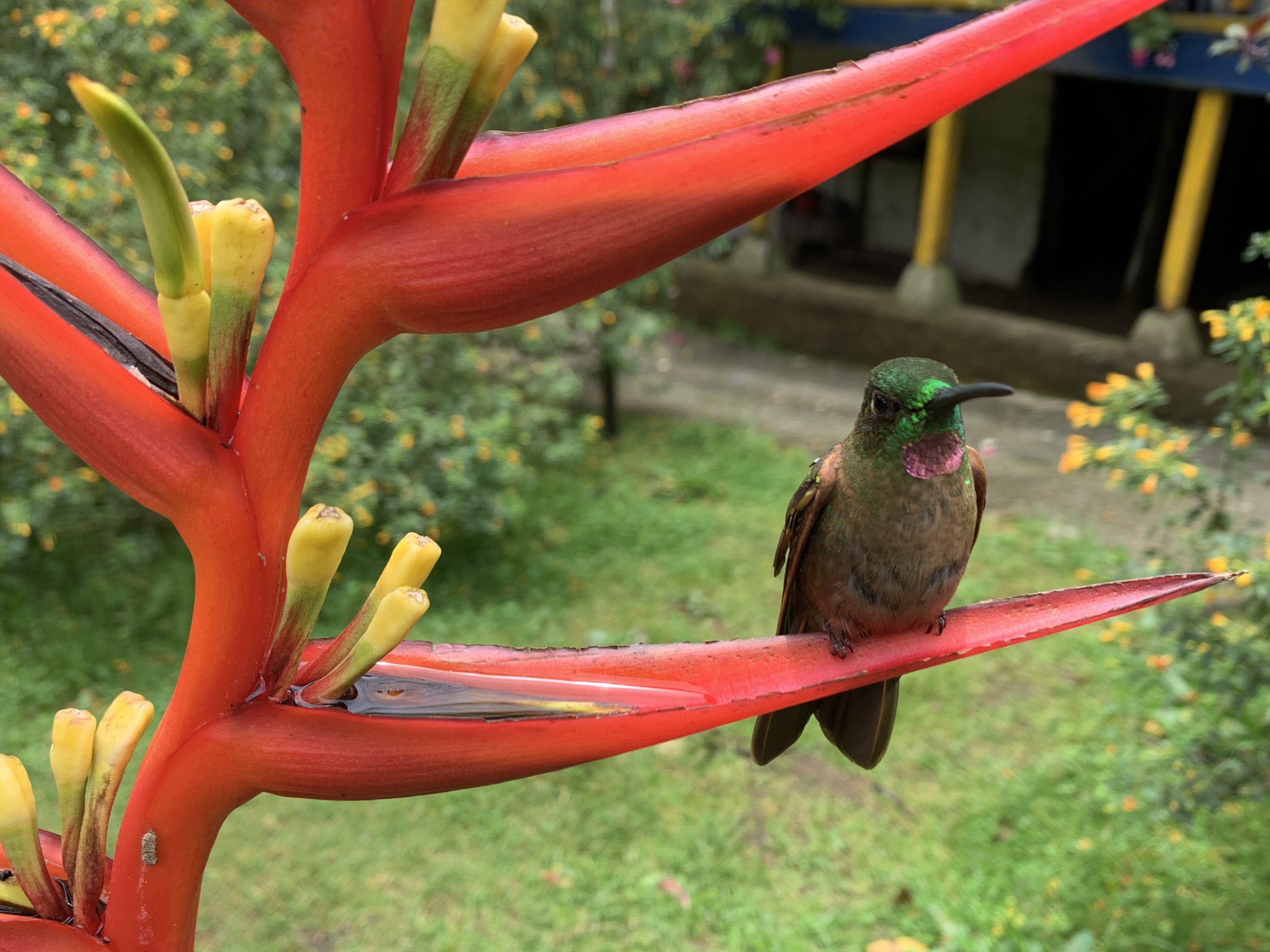
Above are Fawn-breasted Brilliant, Long-tailed Sylph (left) and Tourmaline Sunangel (right).

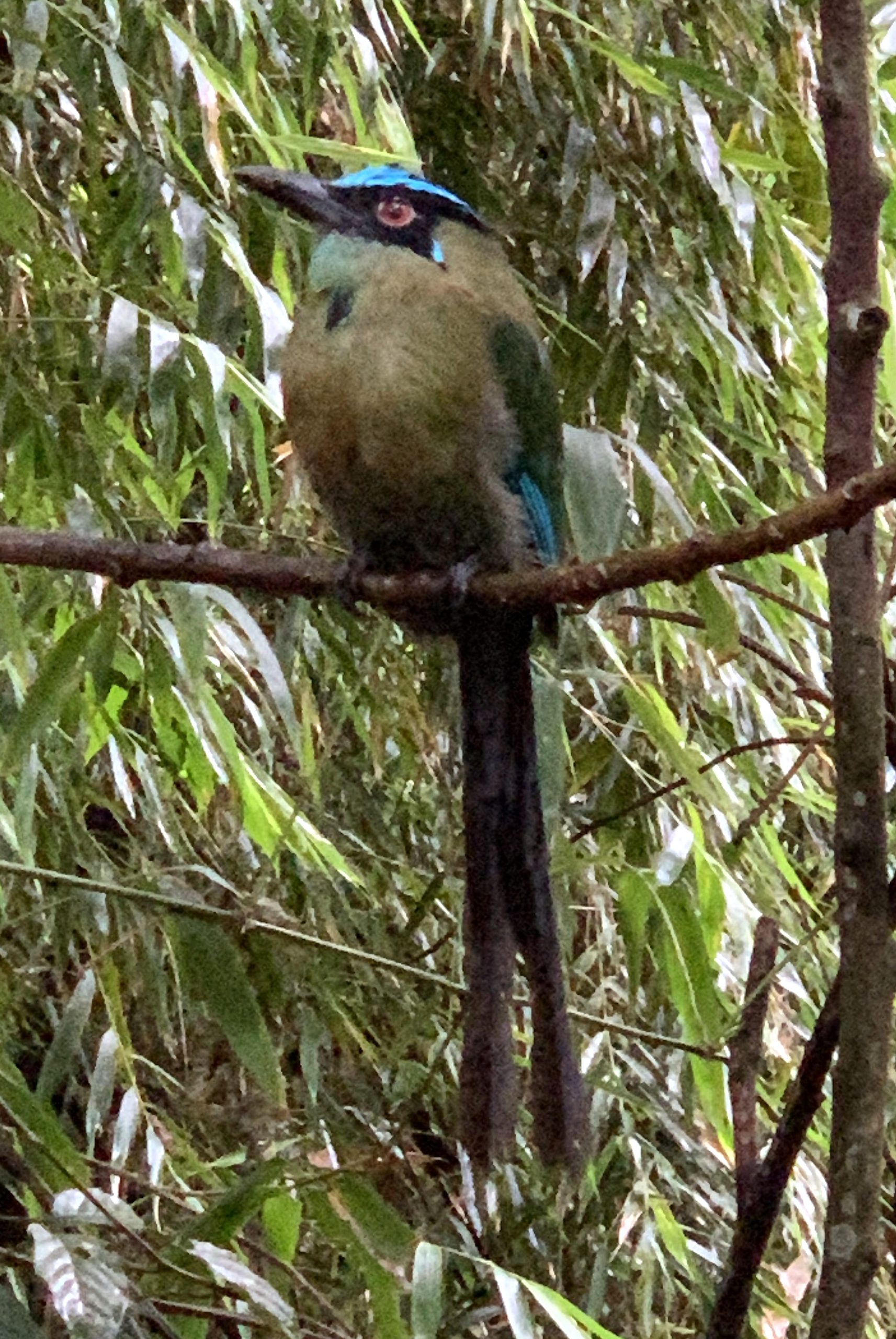
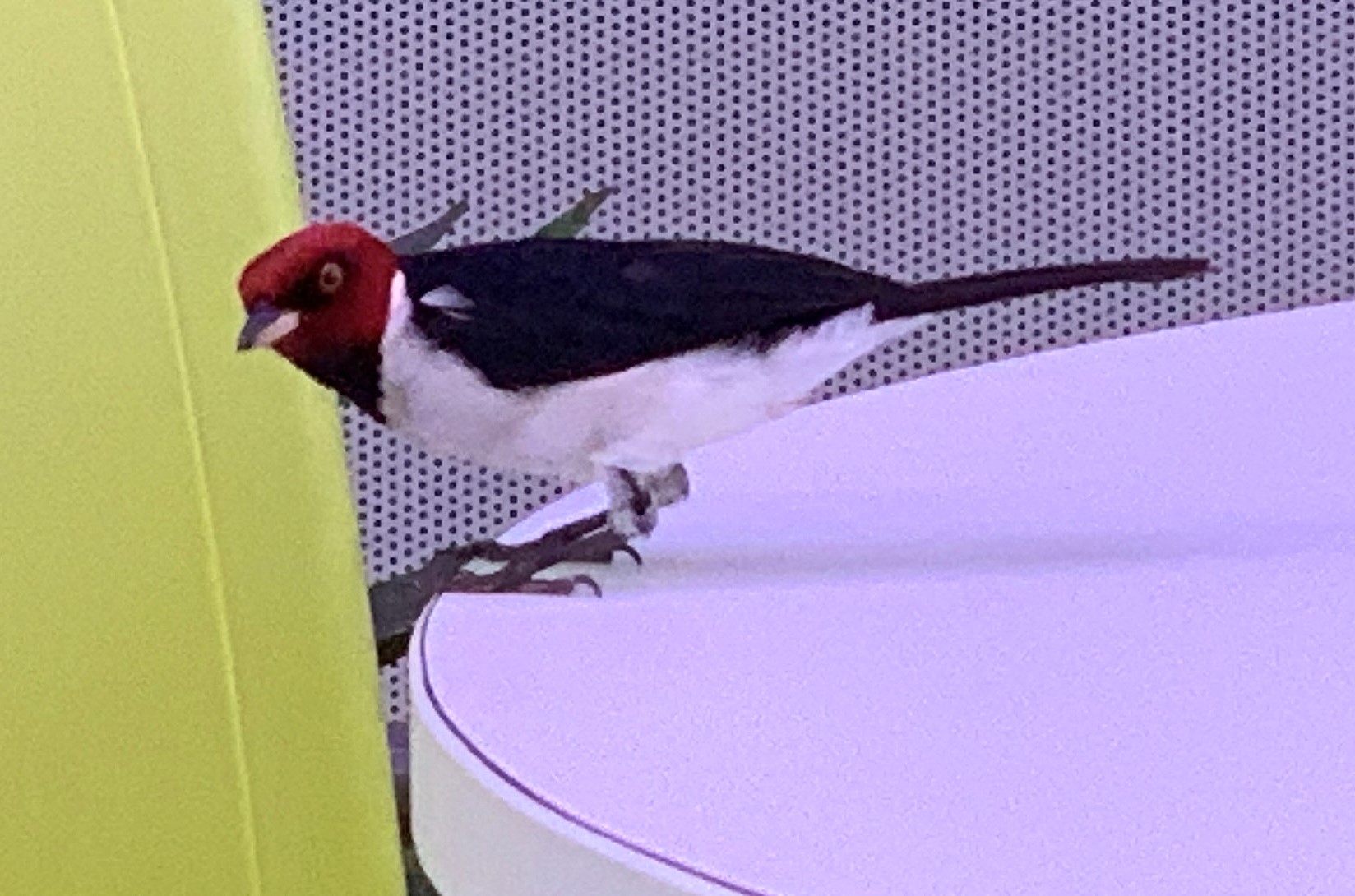
Other birds are colourful, too. The Motmot has a blue cap while the Red-capped Cardinal has a red one.

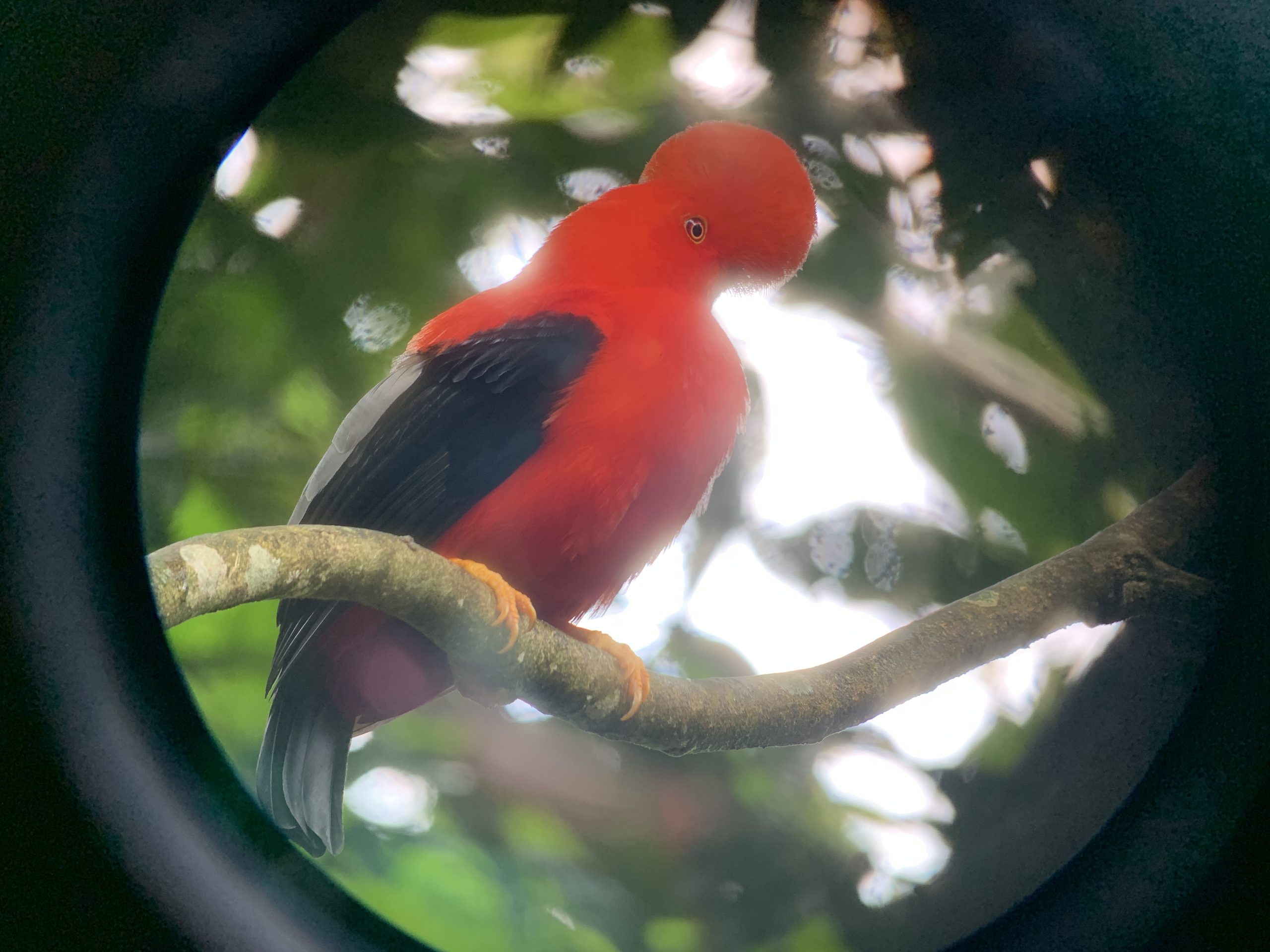
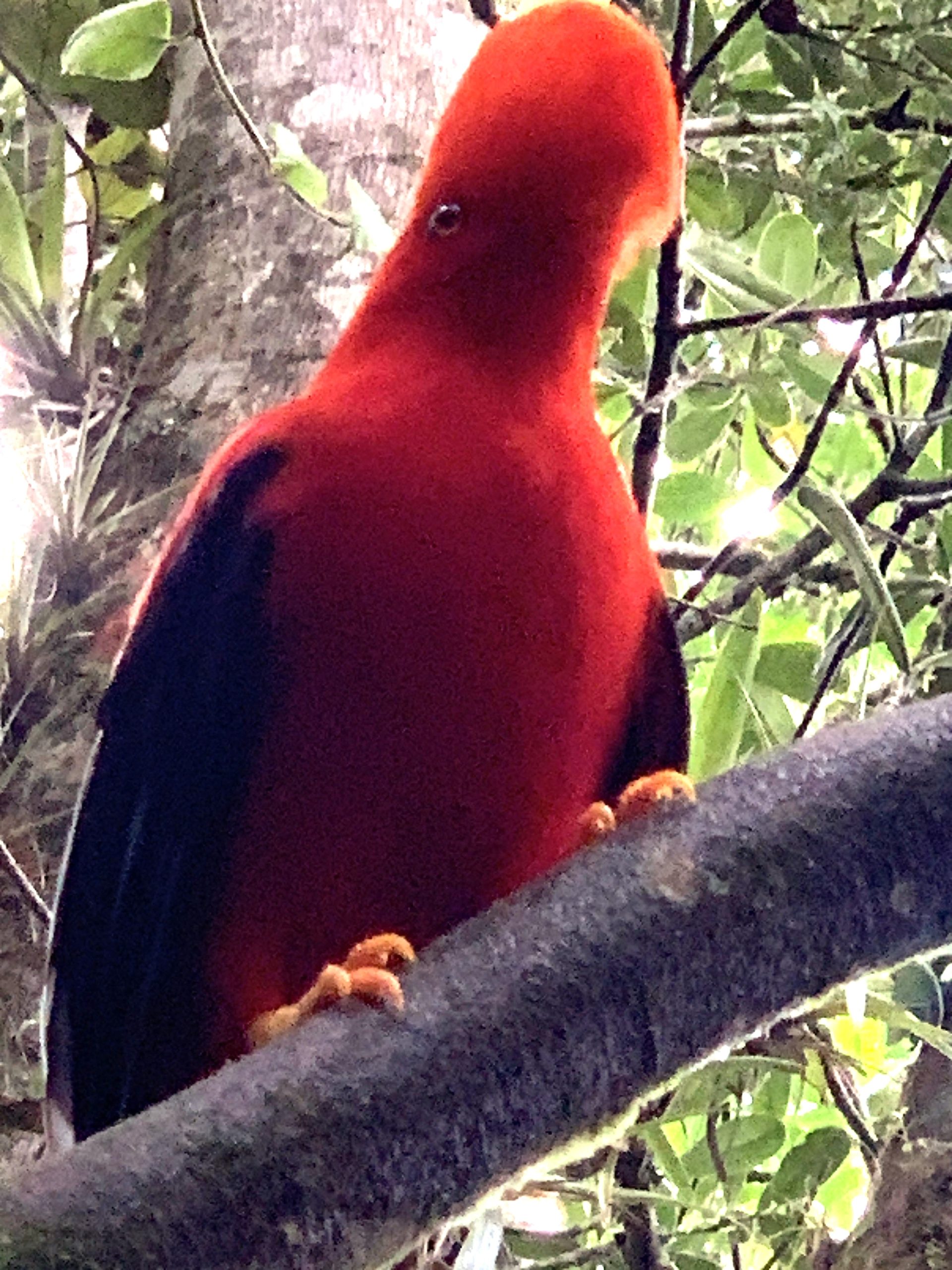
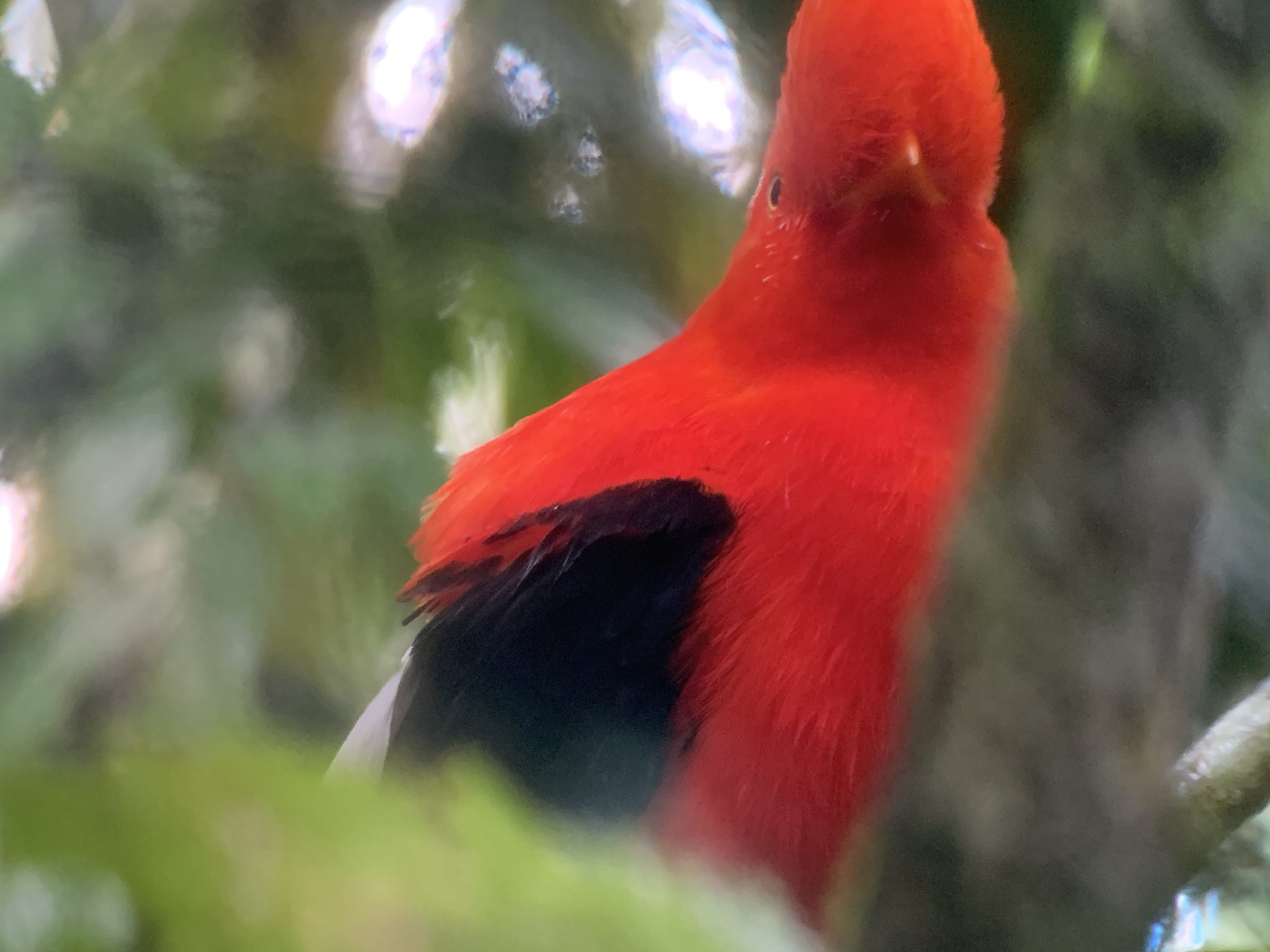
Then there is the very red male bird with the fun name Cock-of-the-Rock. It has an odd appearance. To me it looks like it has encephalitis, but that is just the fan-shaped crown on its head. Gatherings of males compete for breeding females. Each male bobs, hops, squawks and shows off his colourful plumage, hoping to attract a willing female.

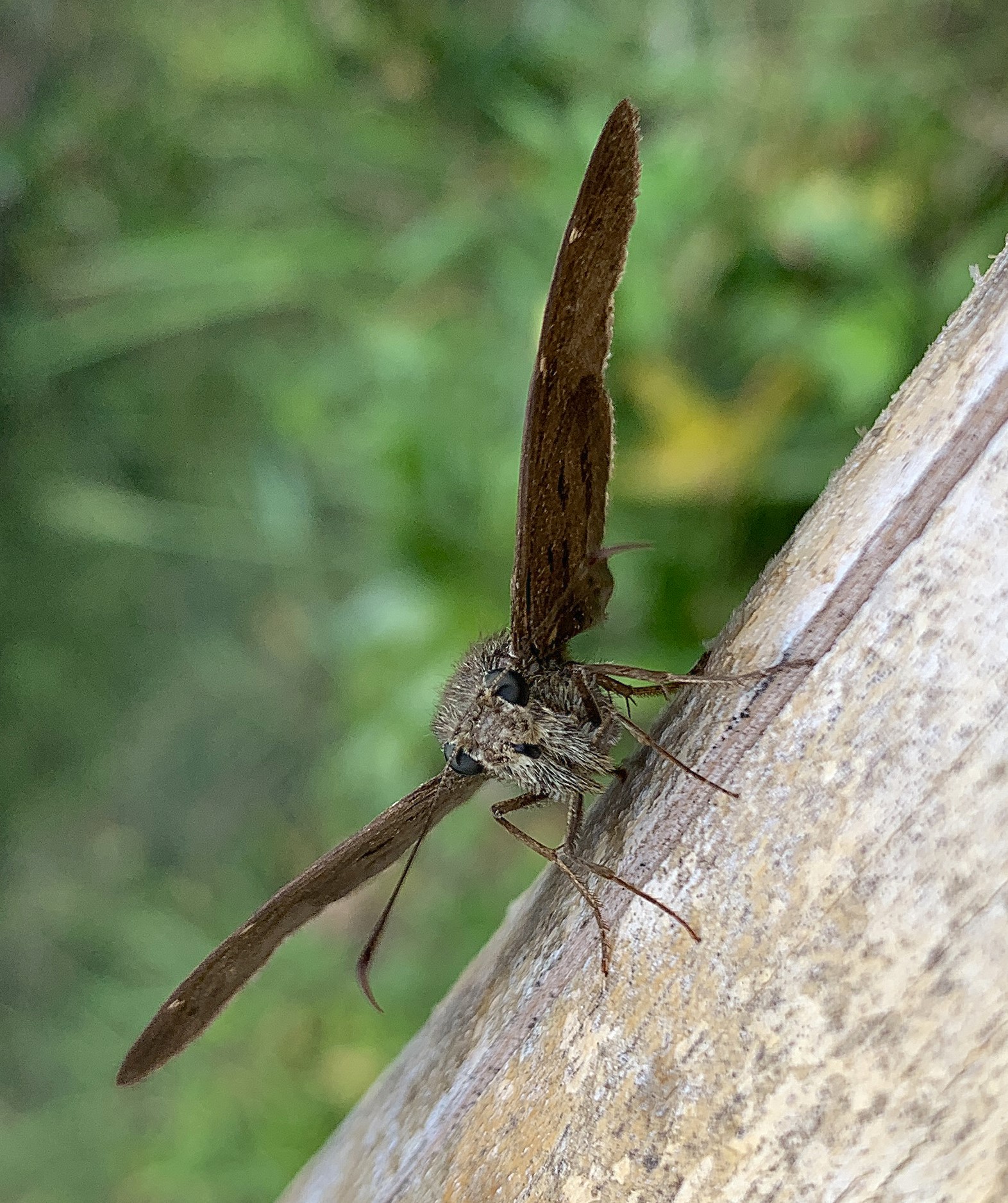
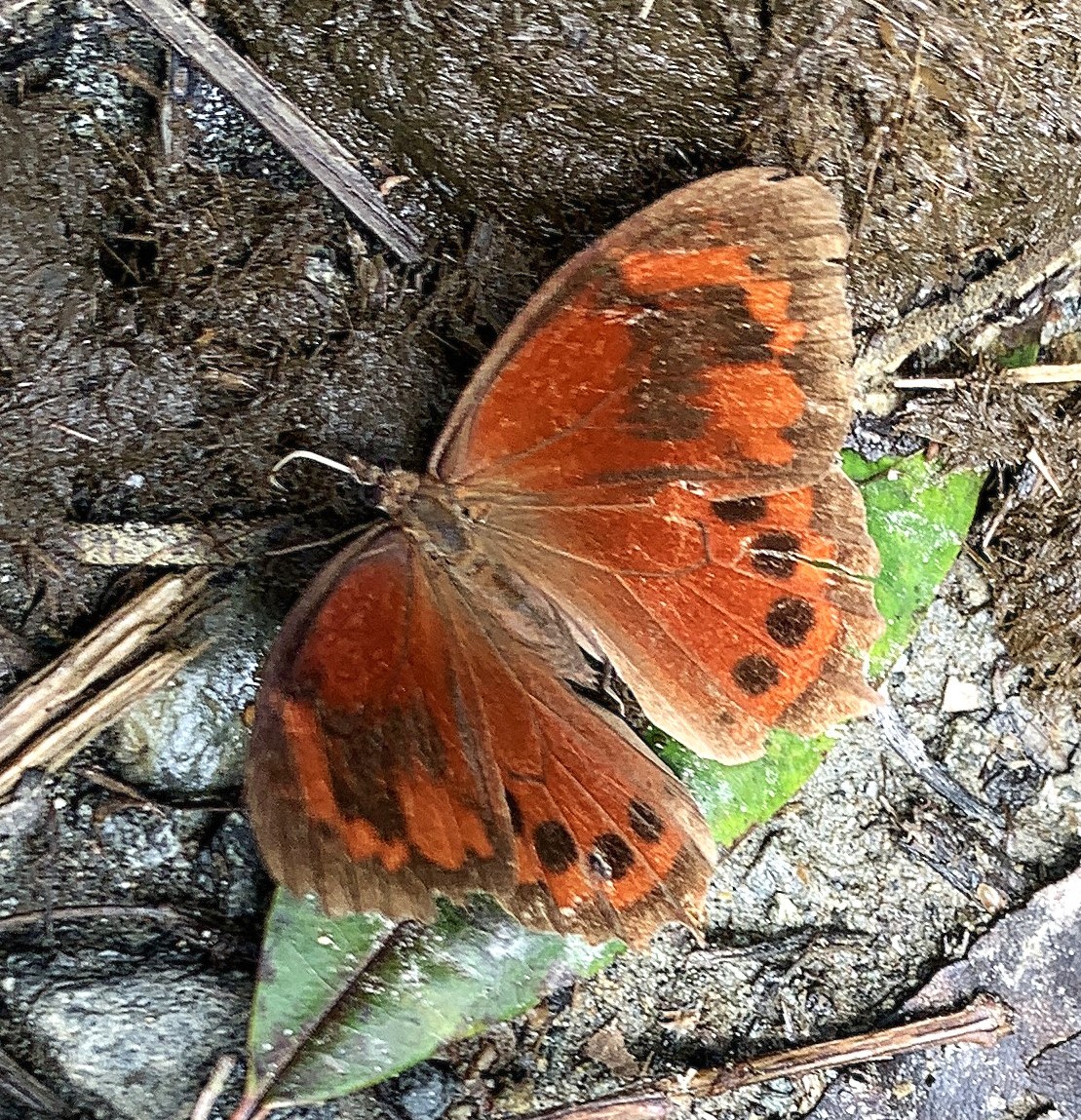
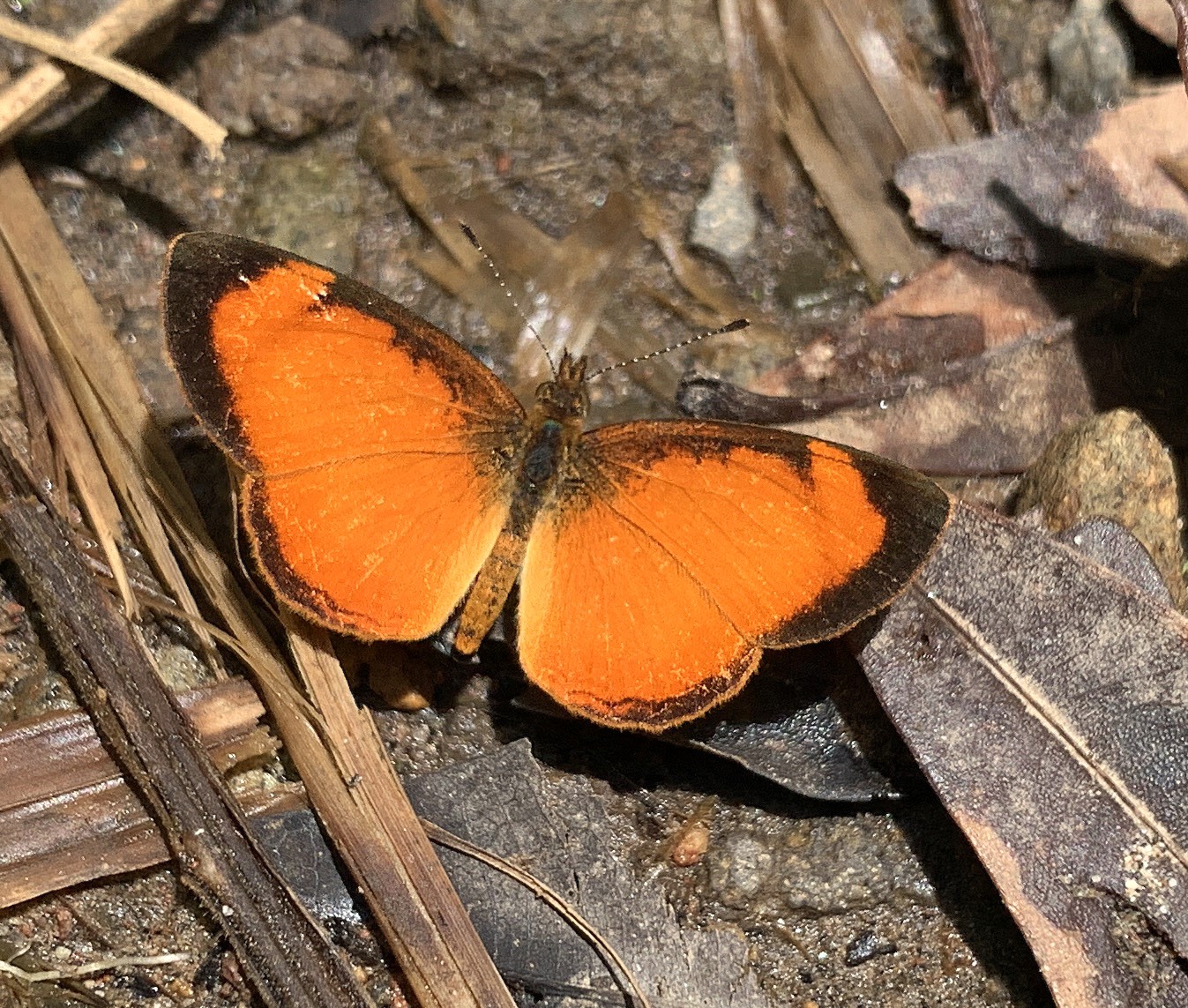
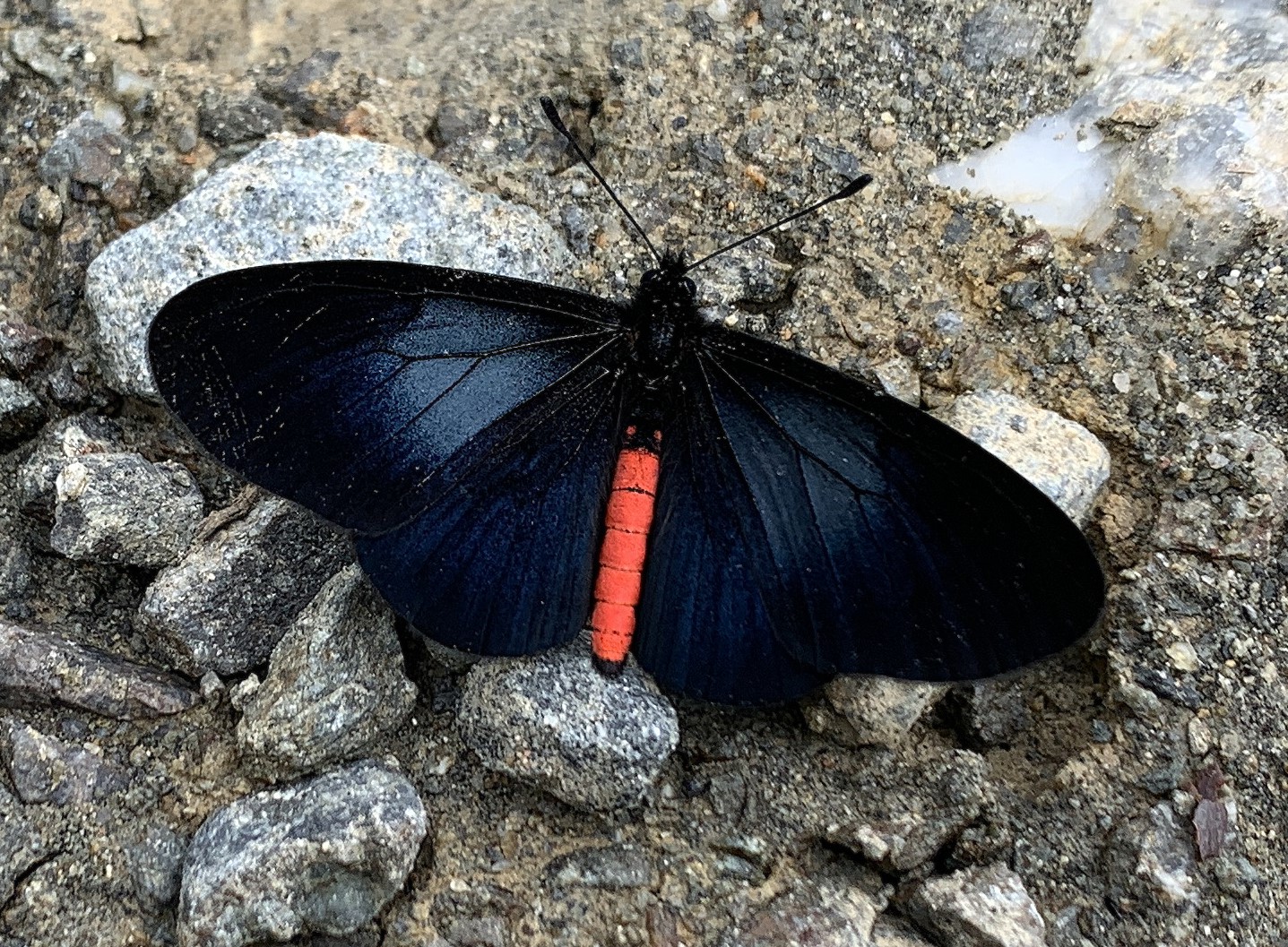
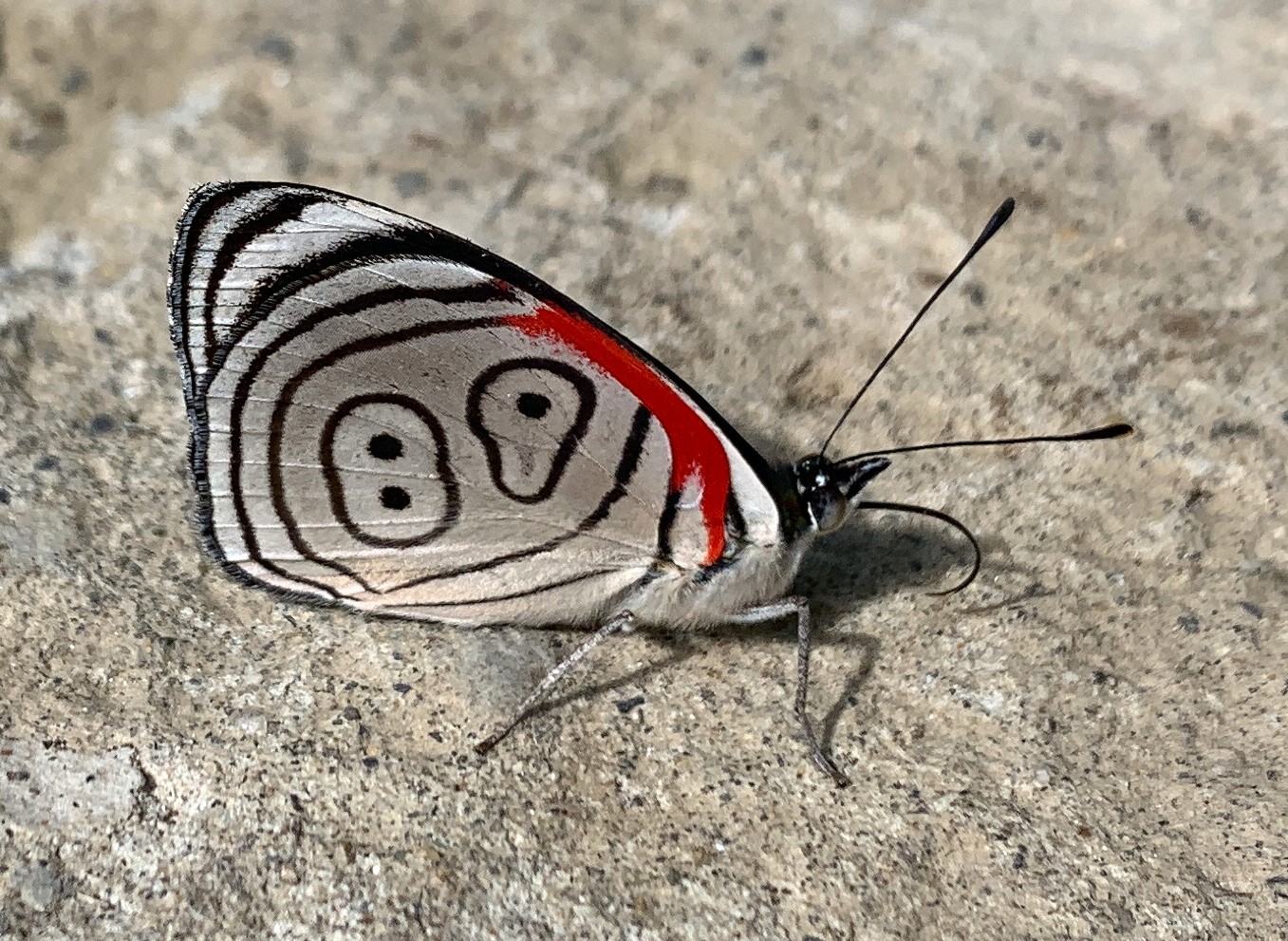
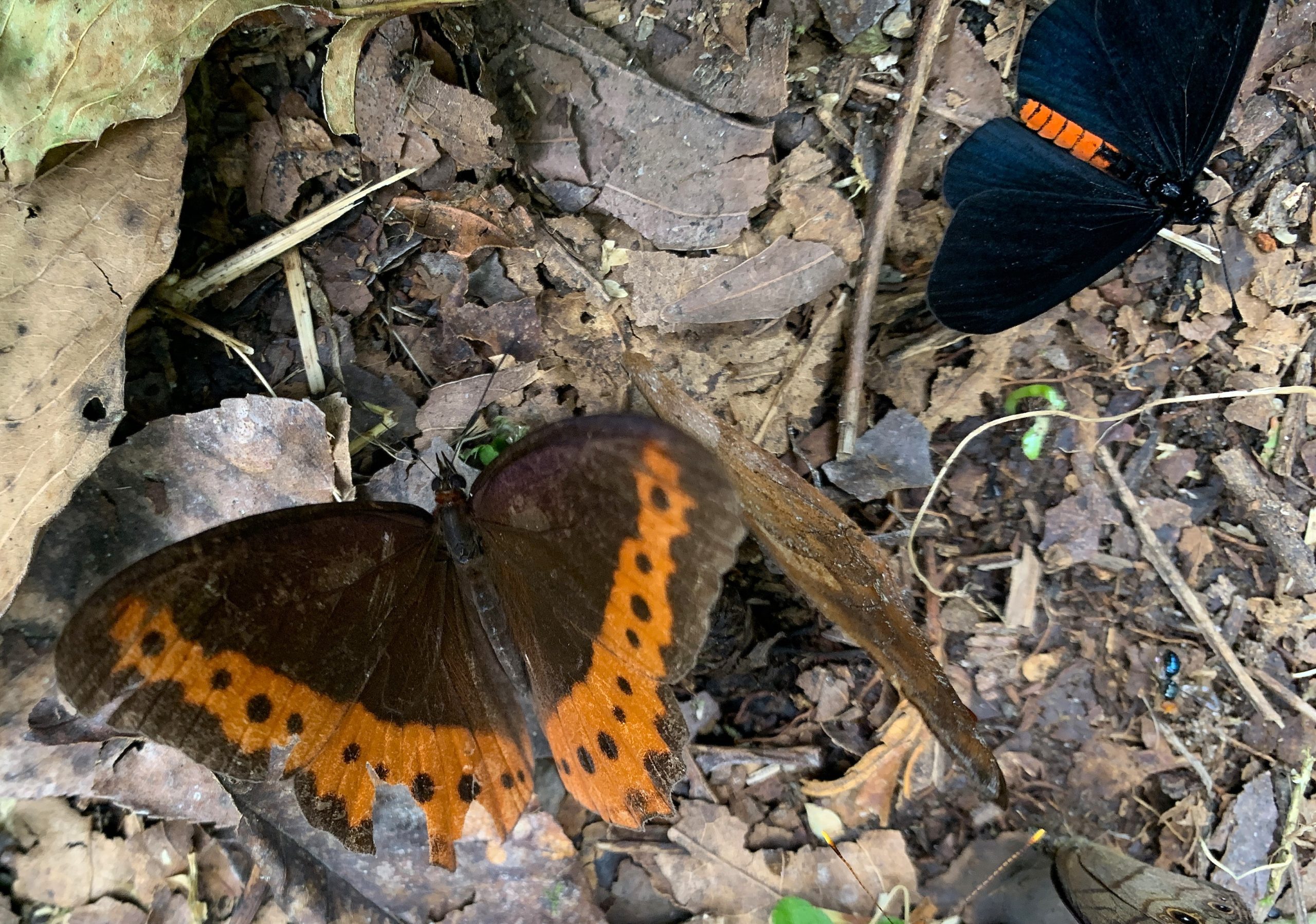
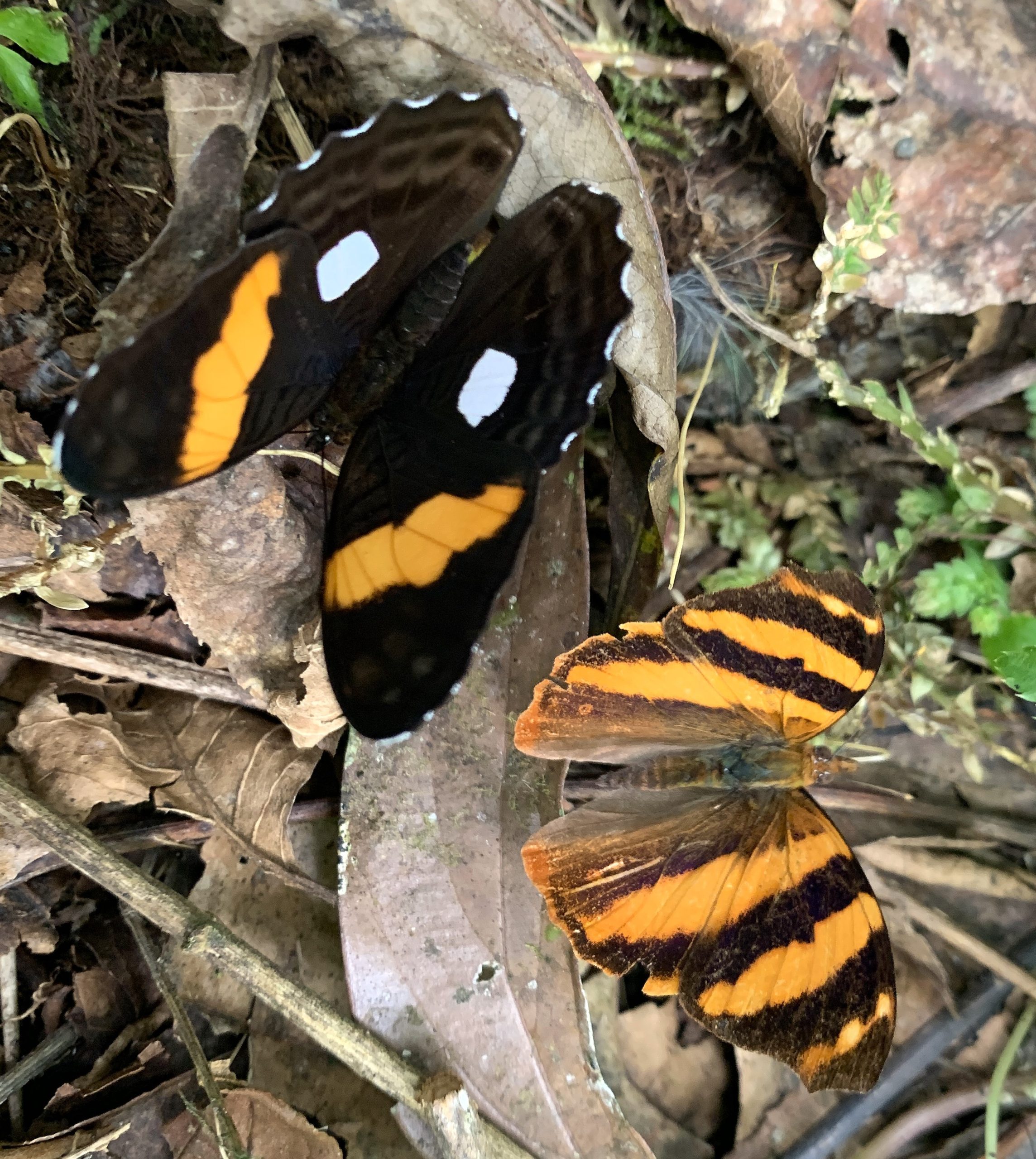
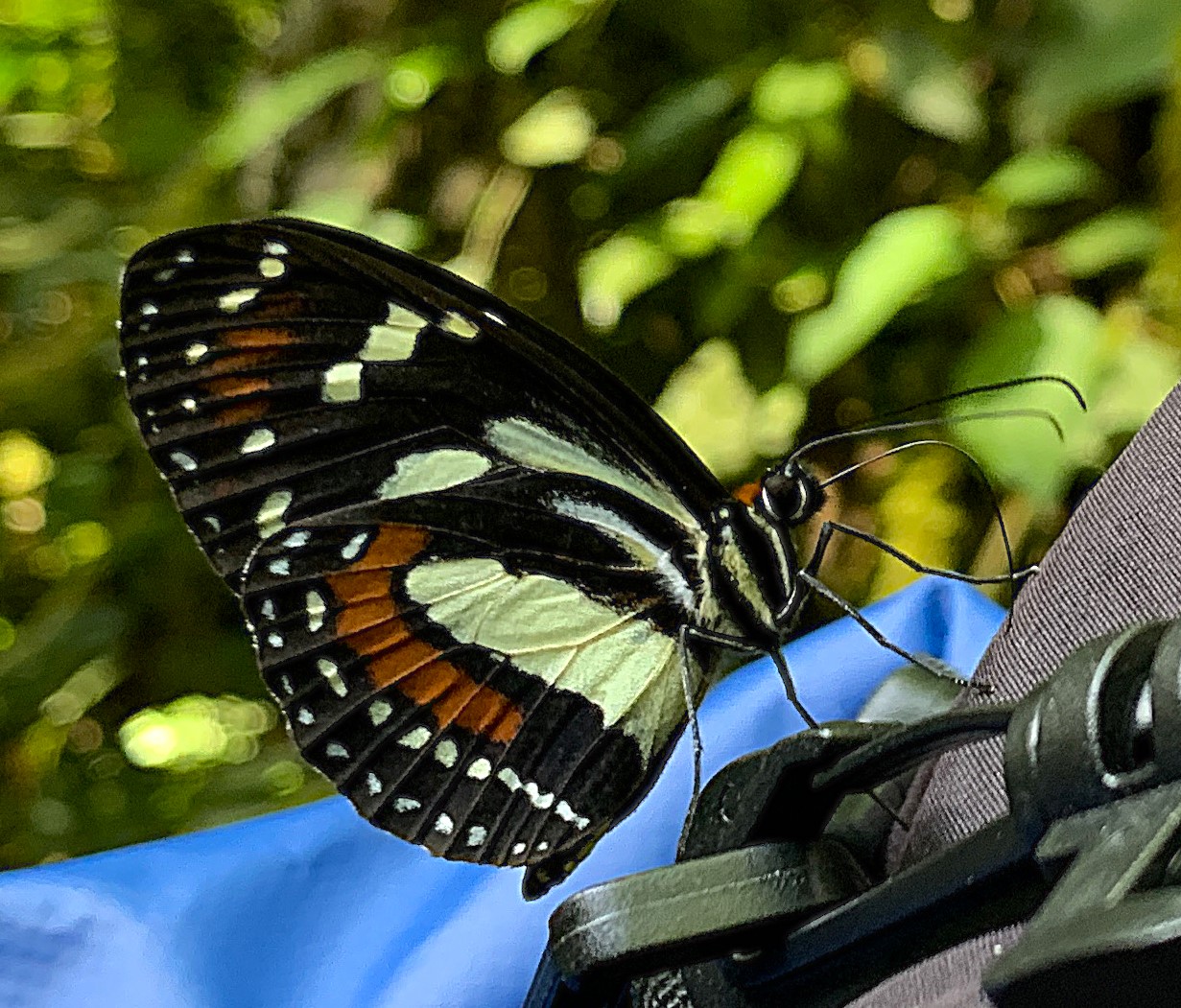
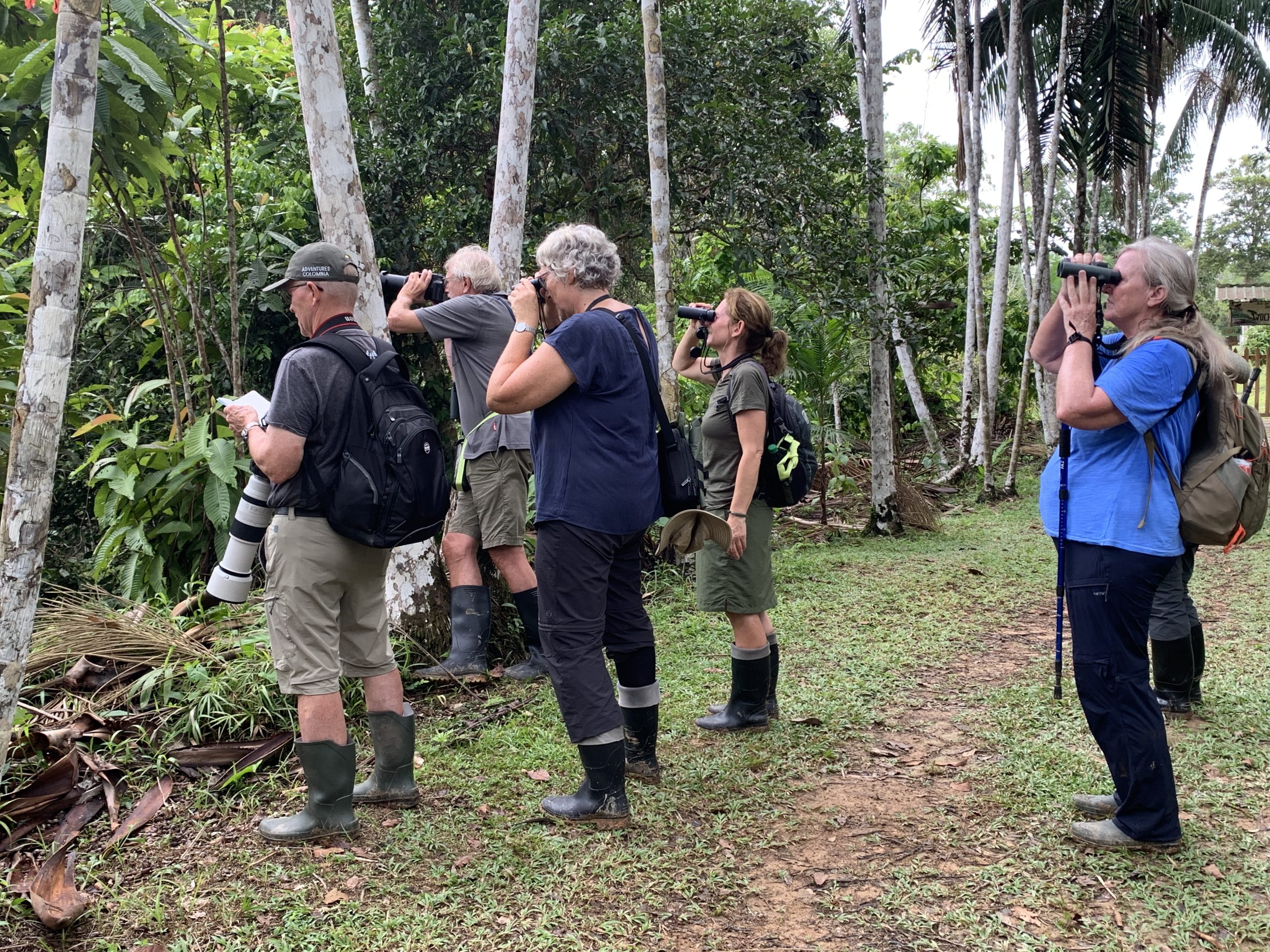
While the birders in our group look up in the trees through their binoculars and camera lenses, I get distracted by the fluttering of butterfly wings. They are also pretty good at the colour thing.

Sometimes I am lucky and get two different species in one photo.

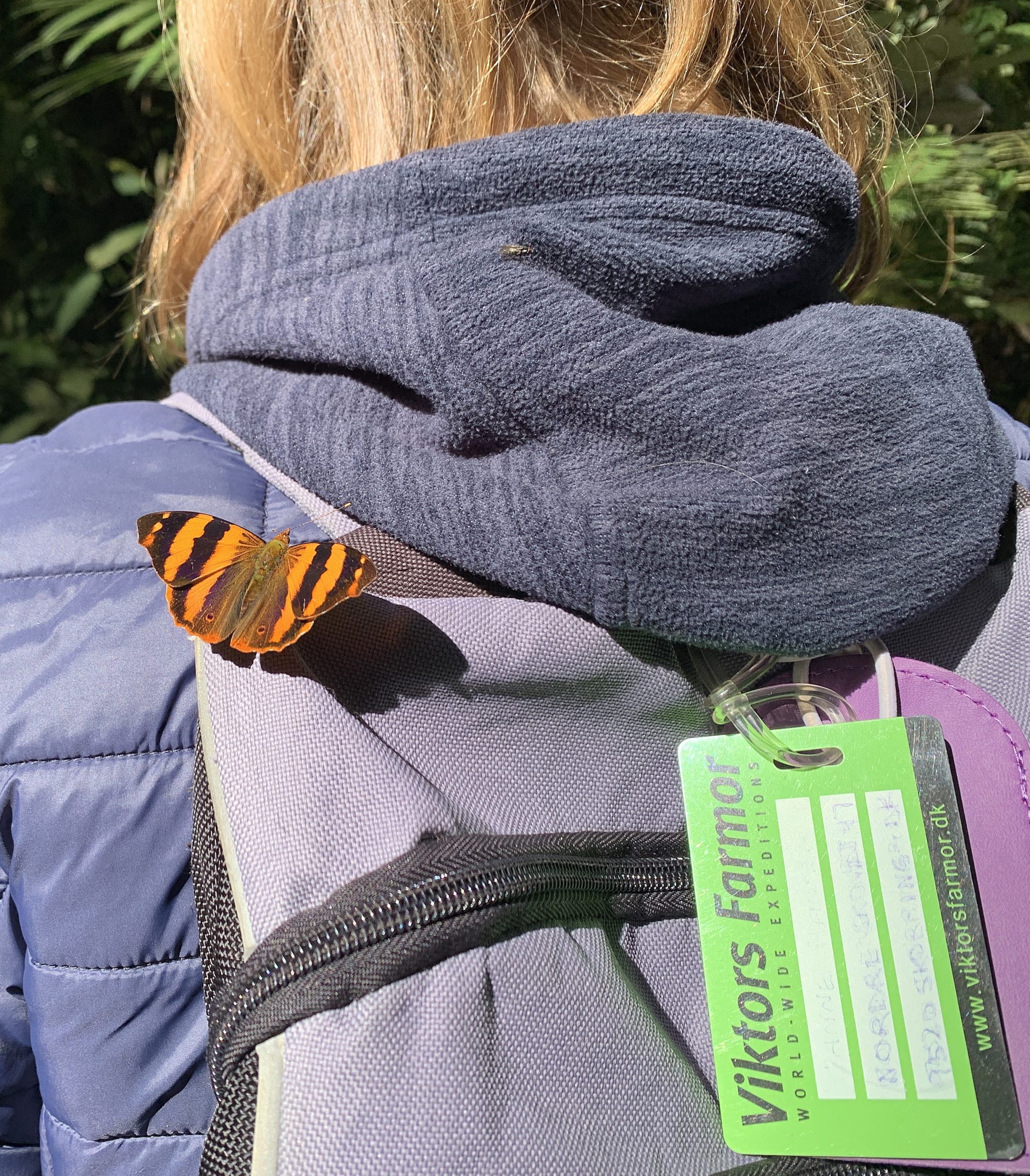
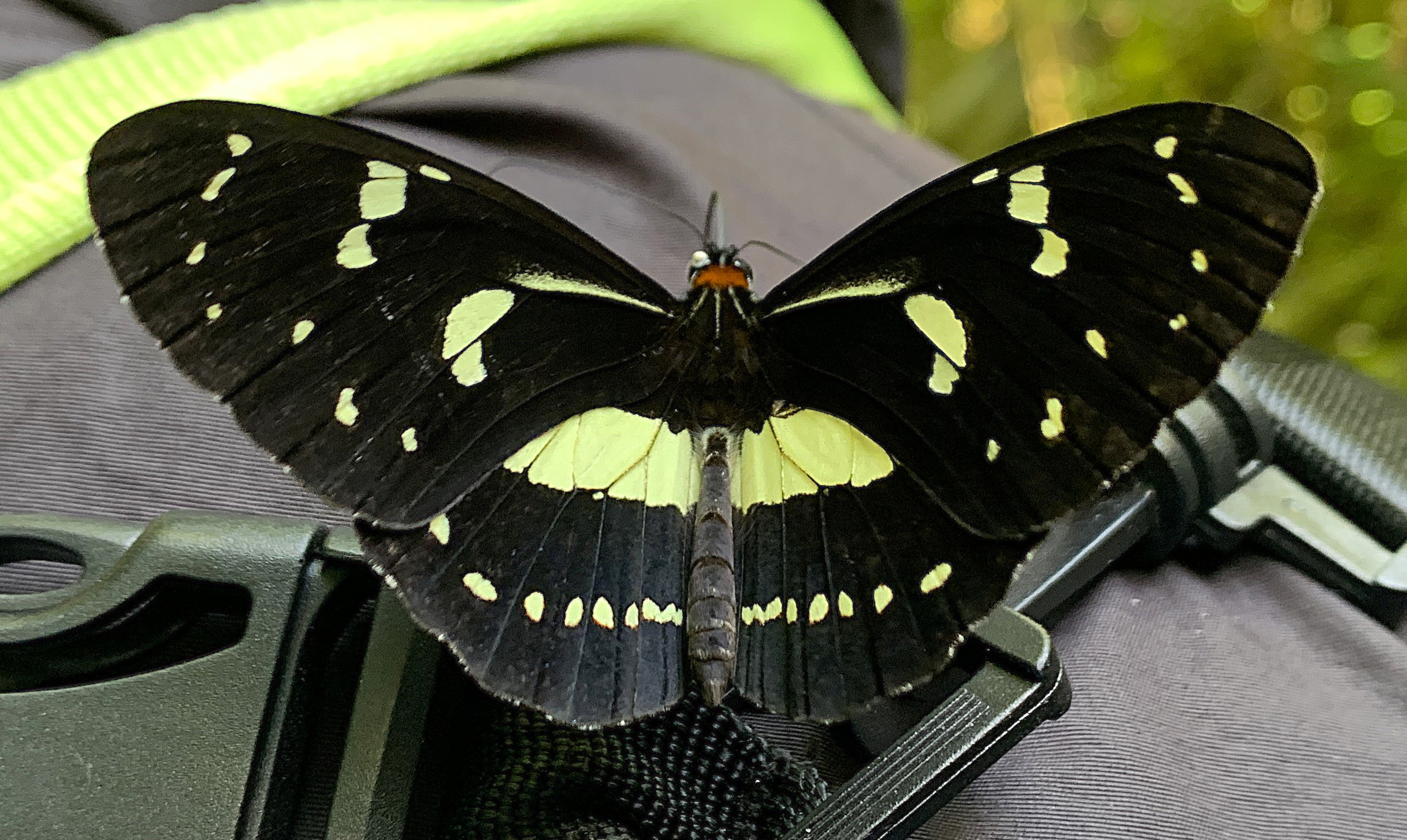
This stripy butterfly decided to take a break in the sun on my backpack.

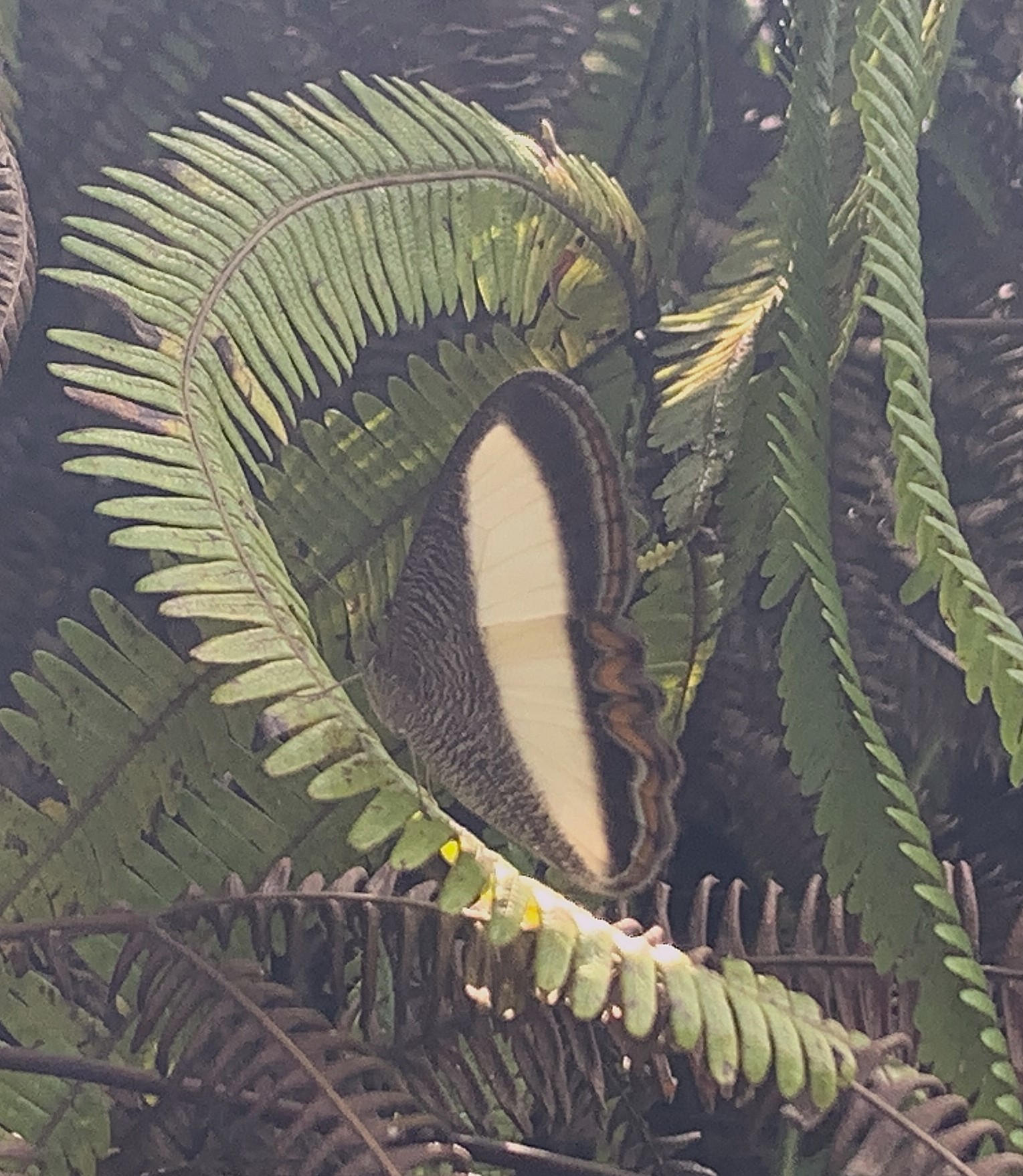
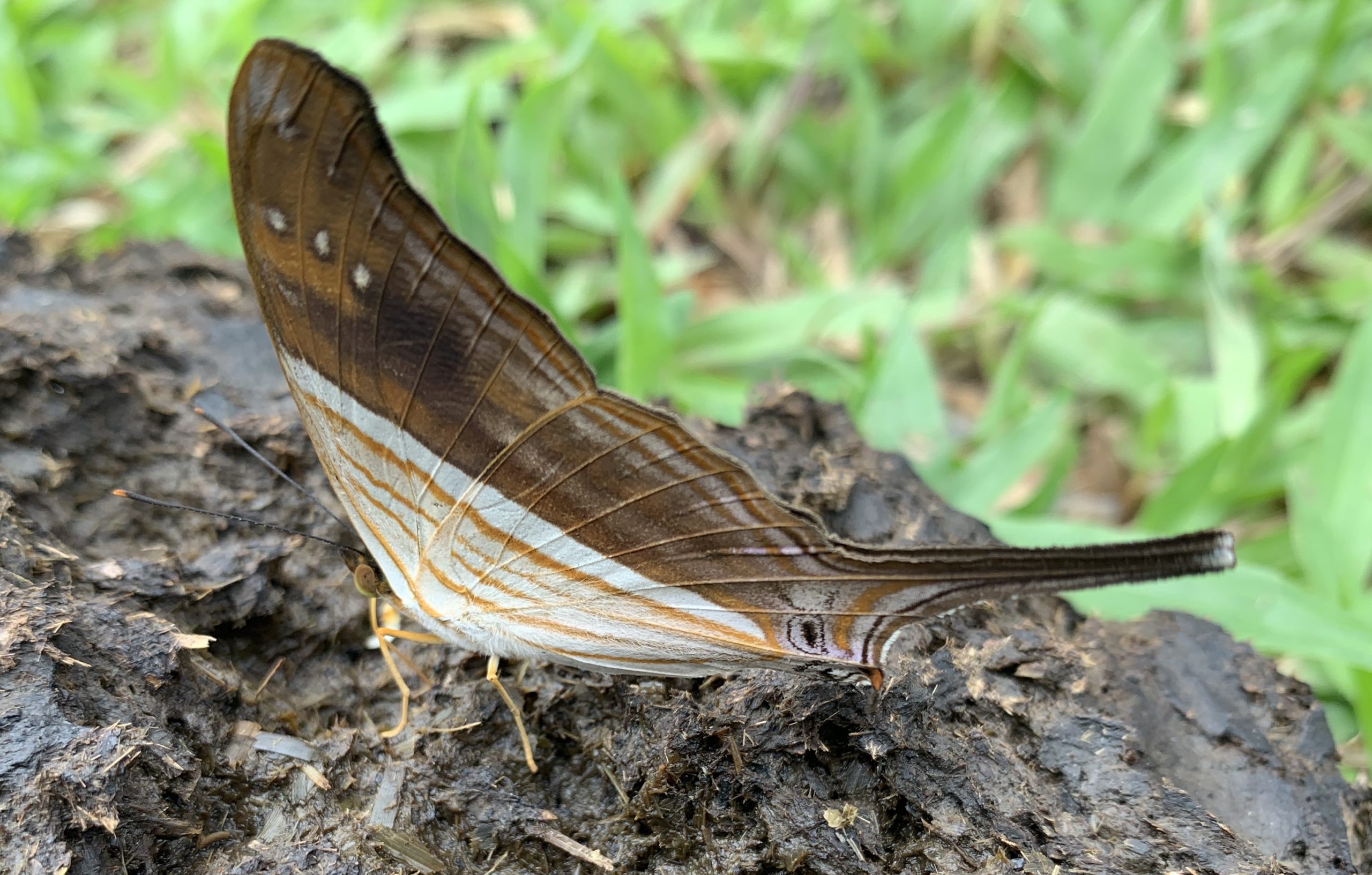
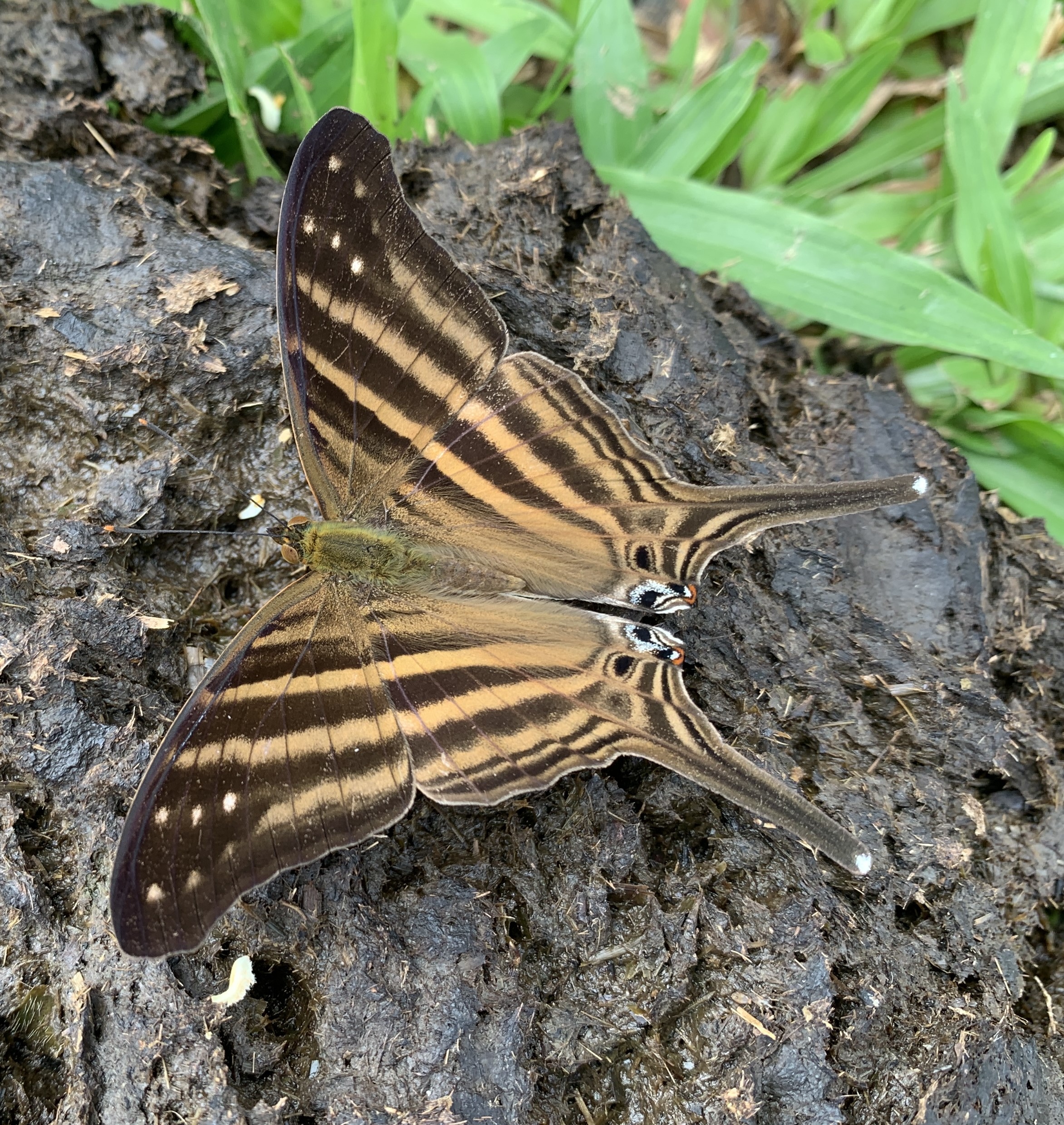
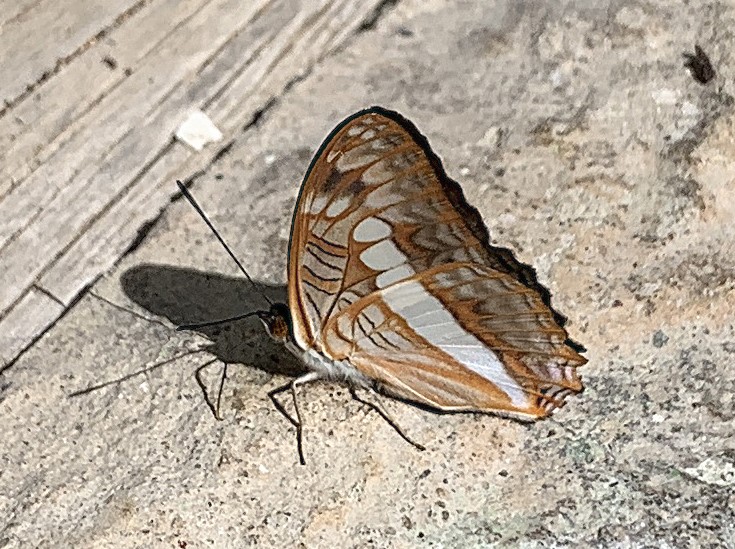
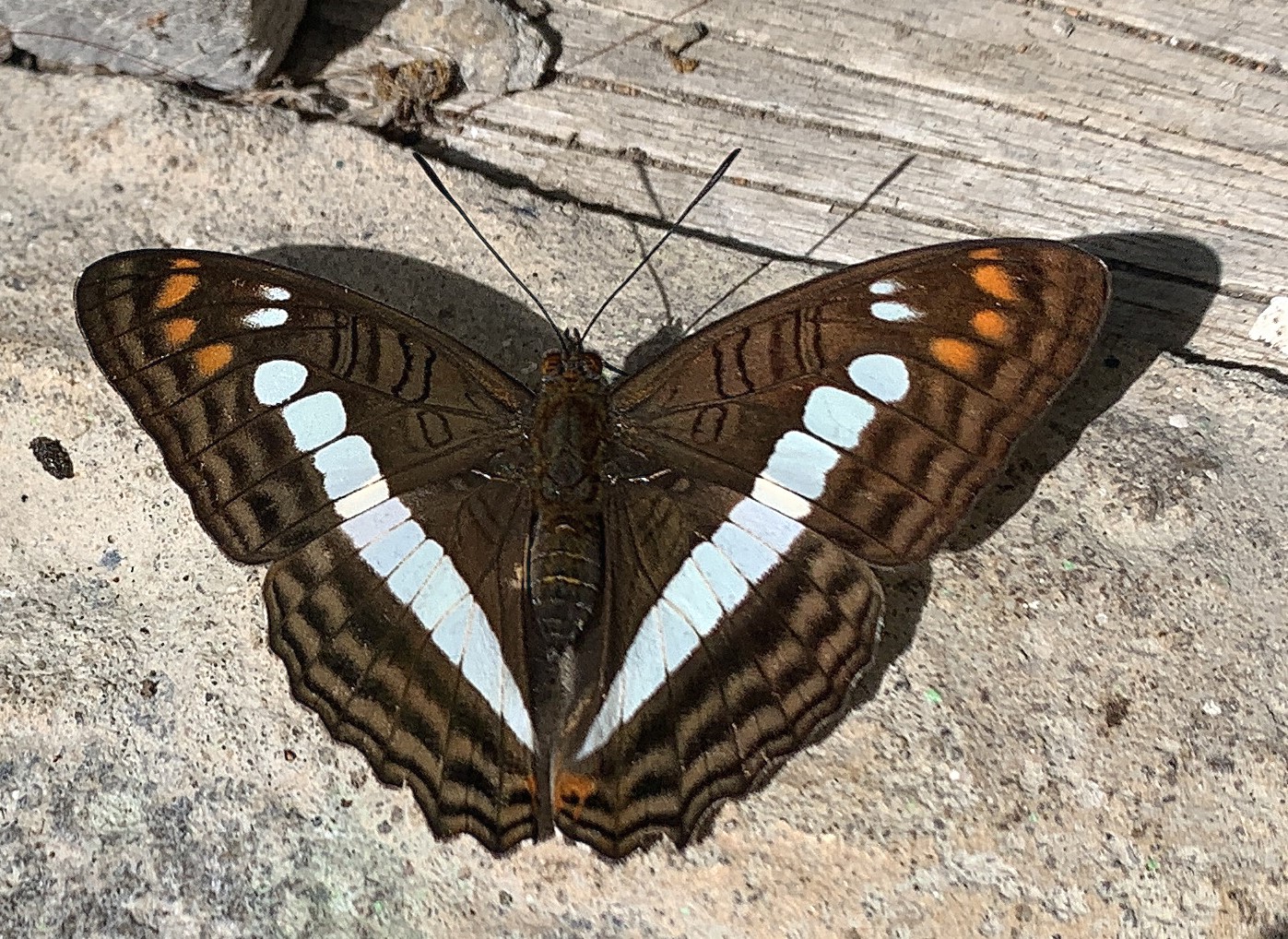
The backs and fronts of butterfly wings are often quite different from each other, as the following pairs of pictures show.

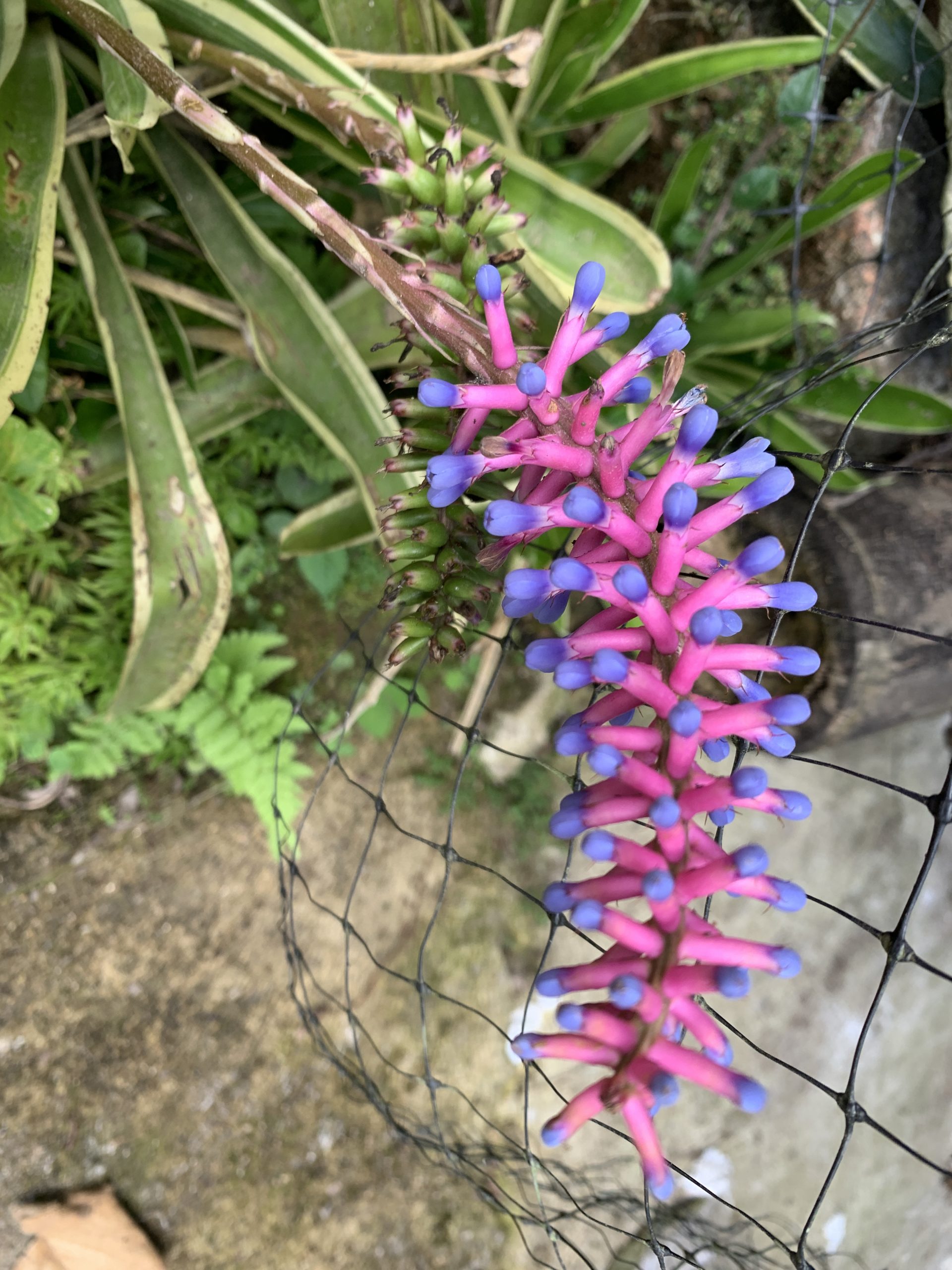
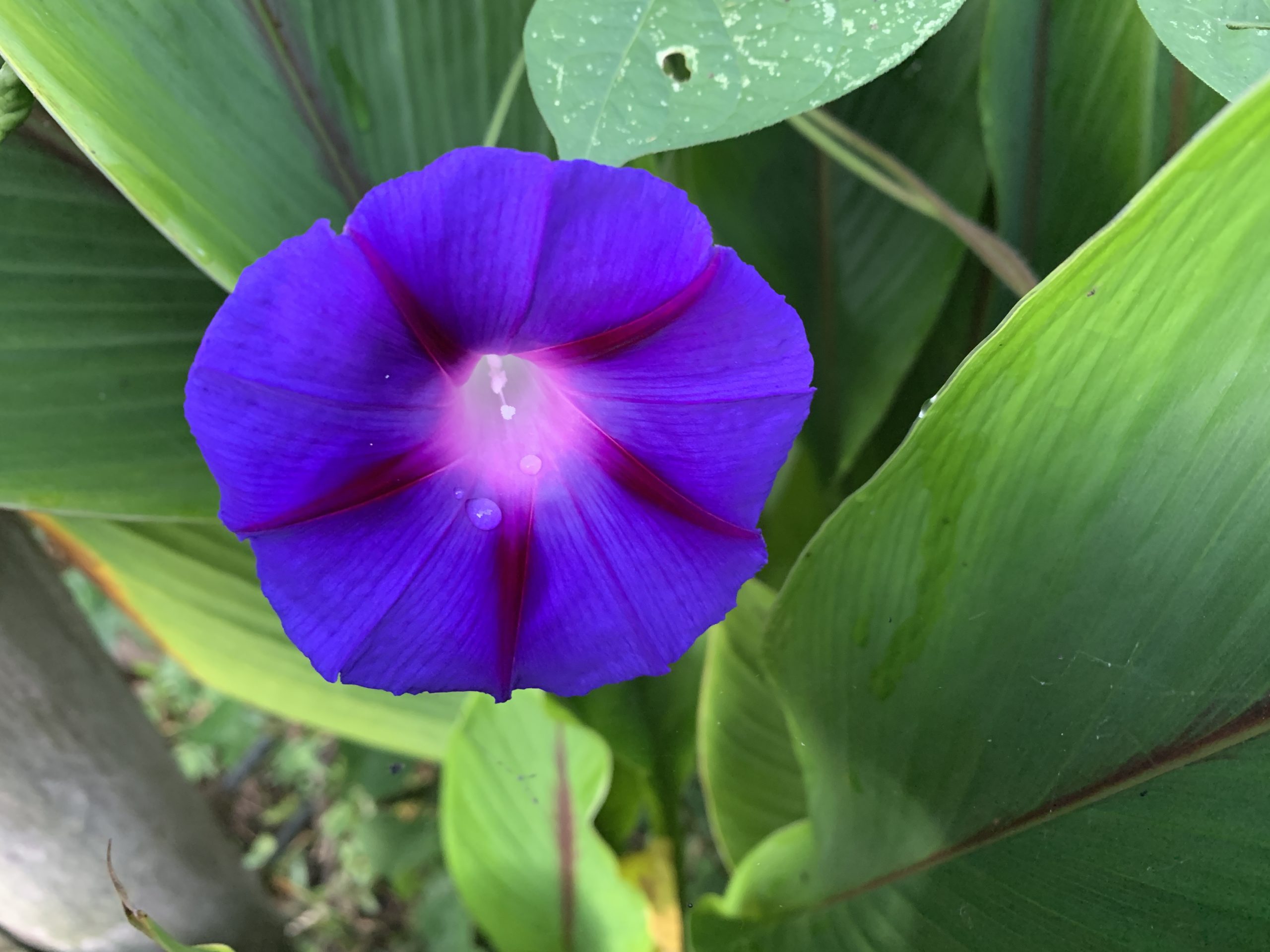
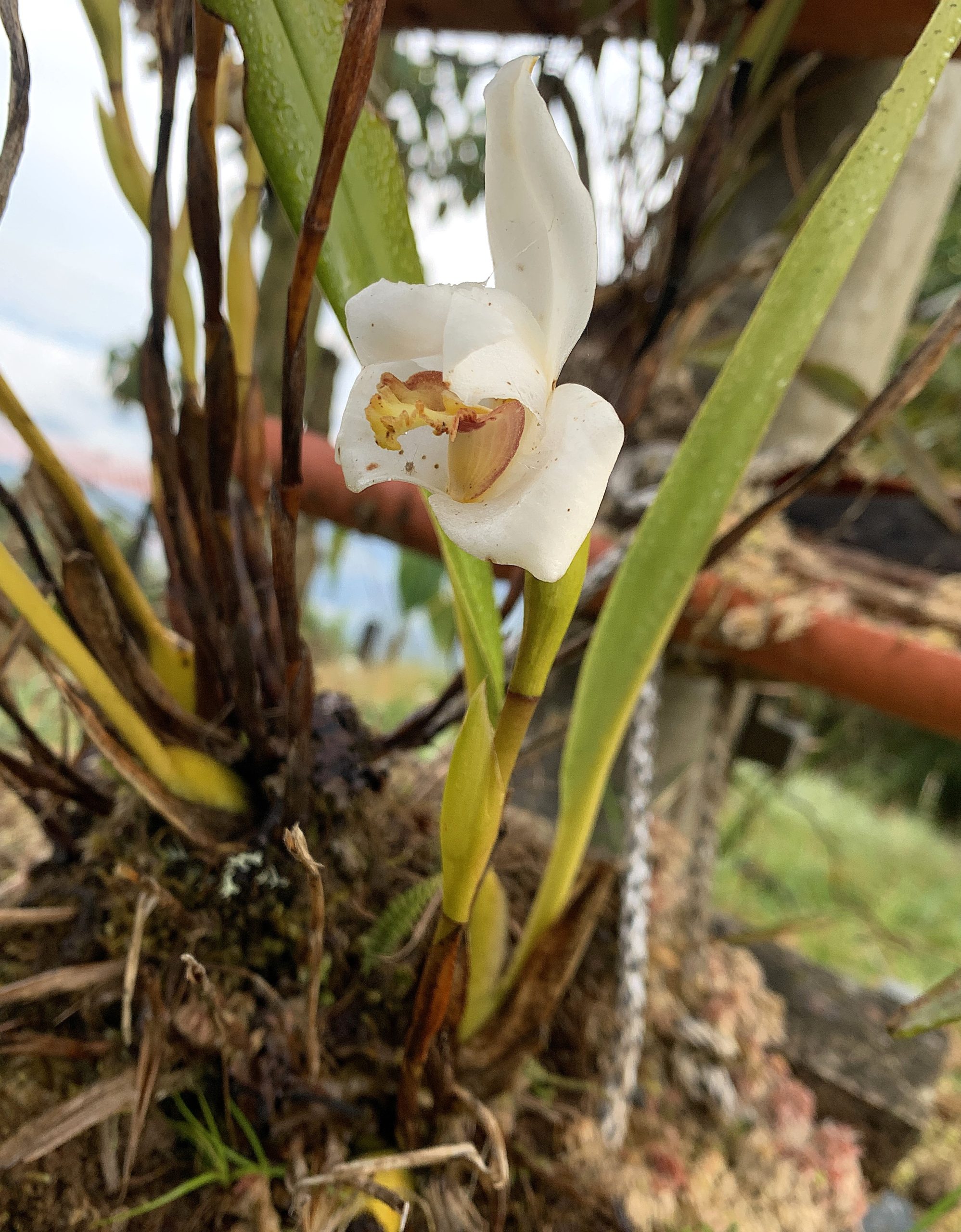
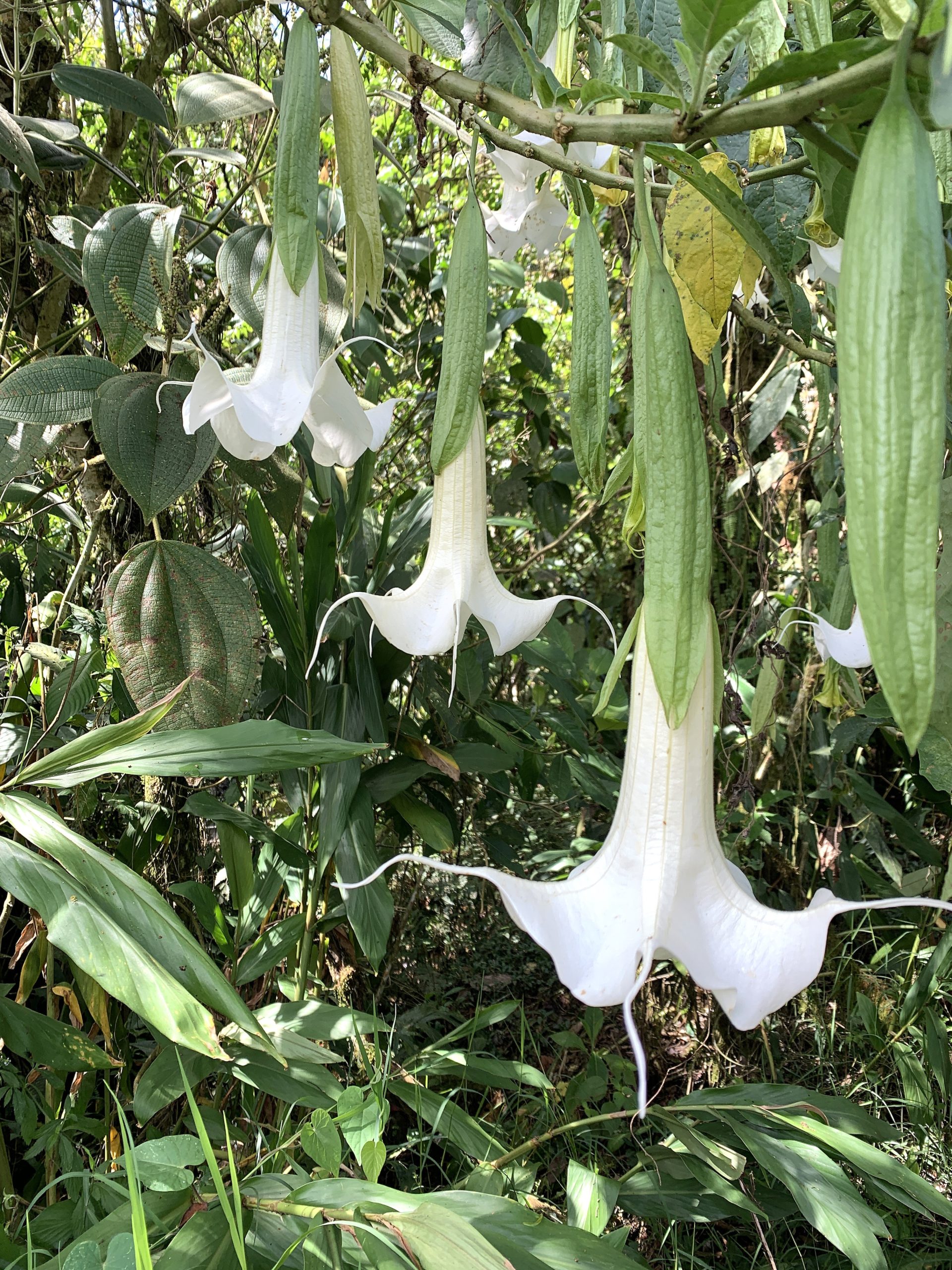
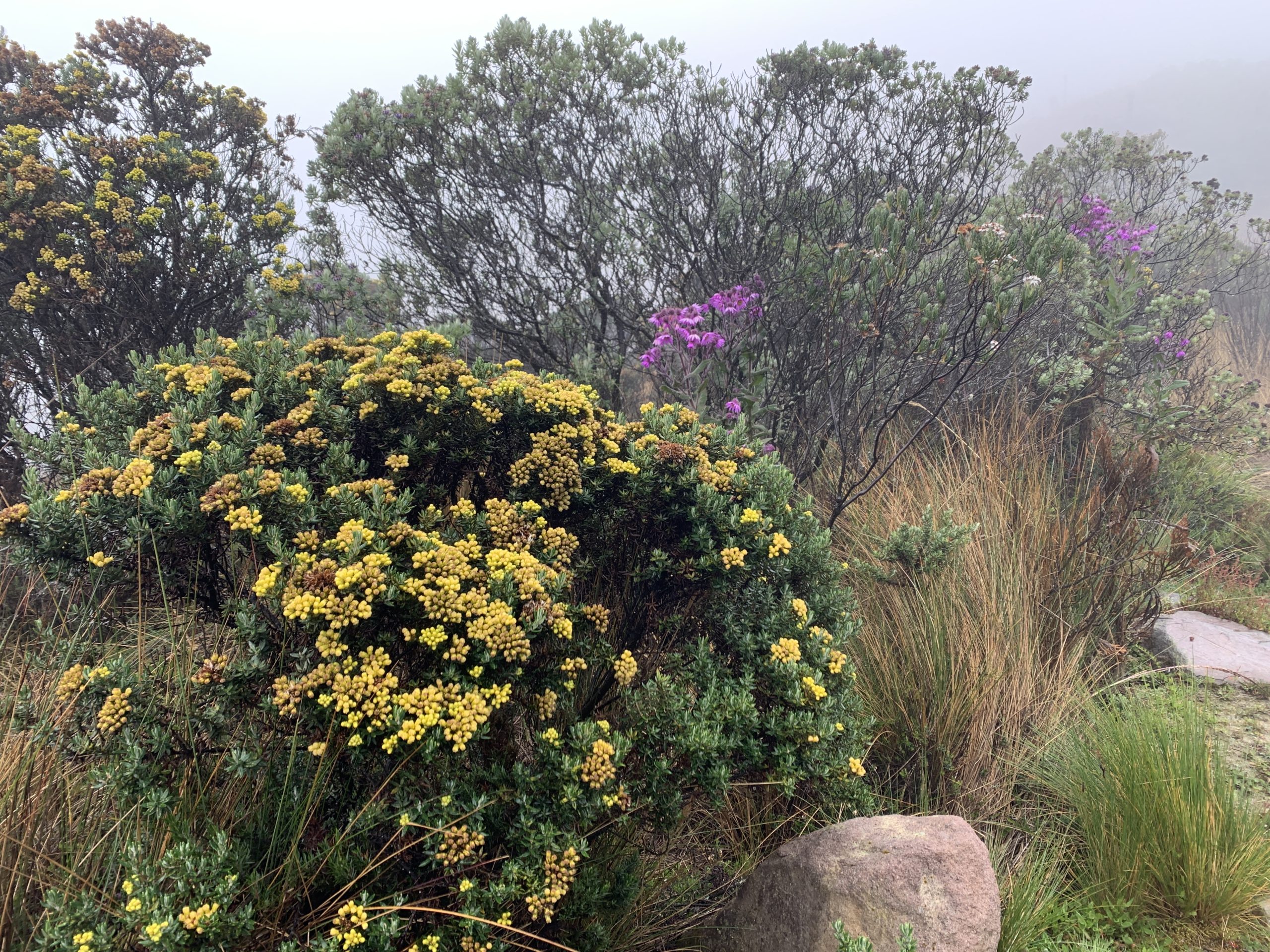
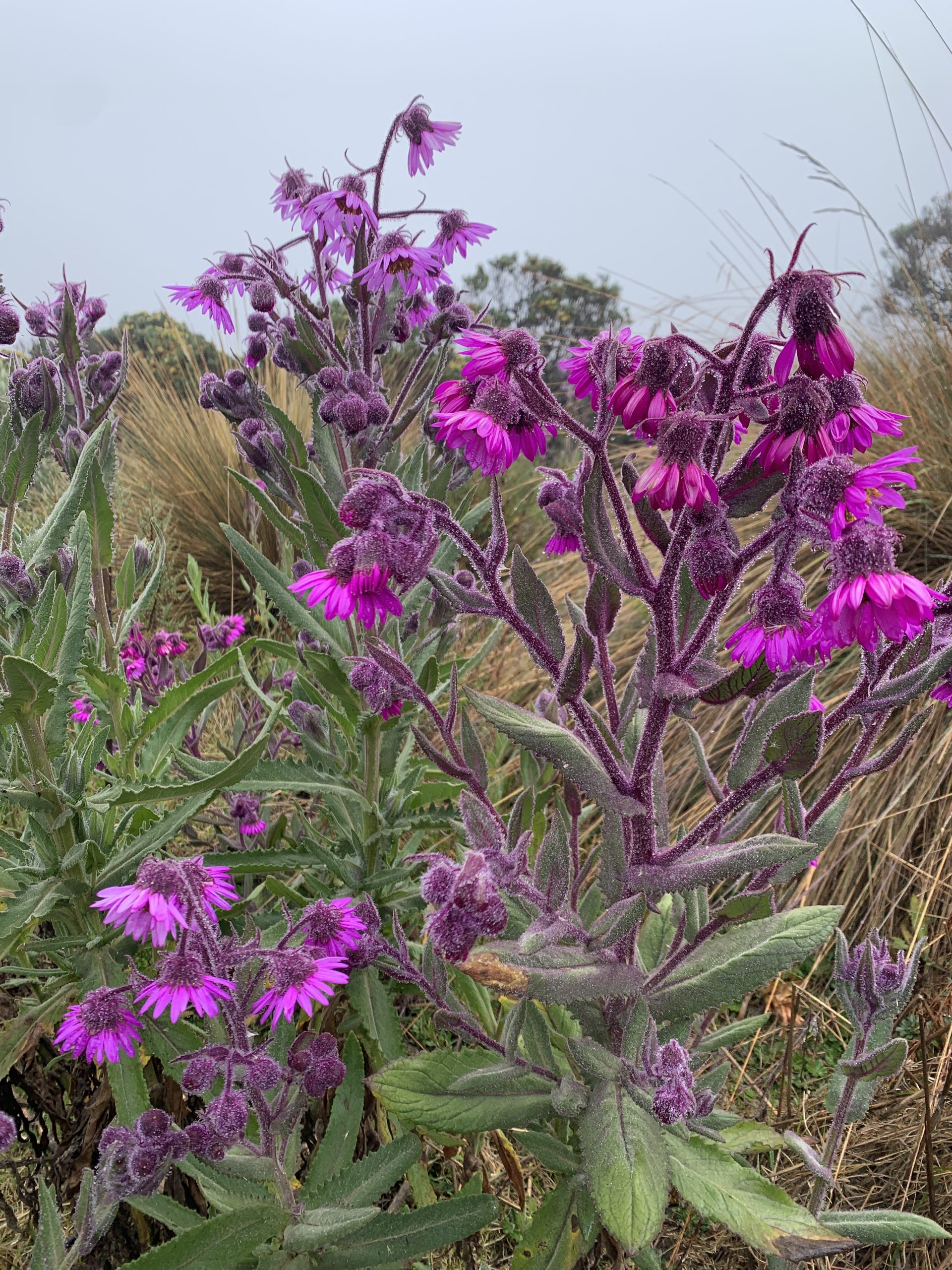
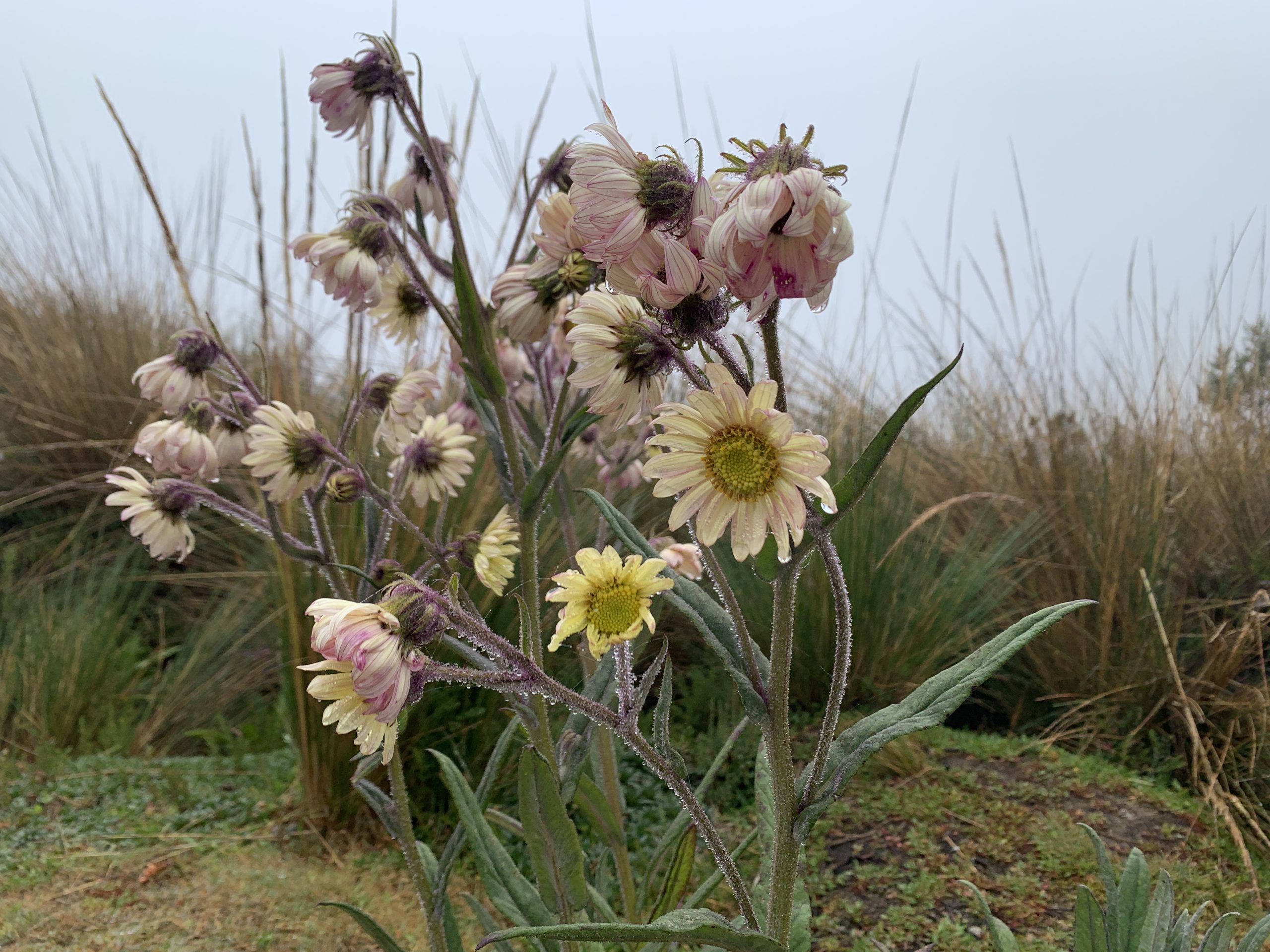
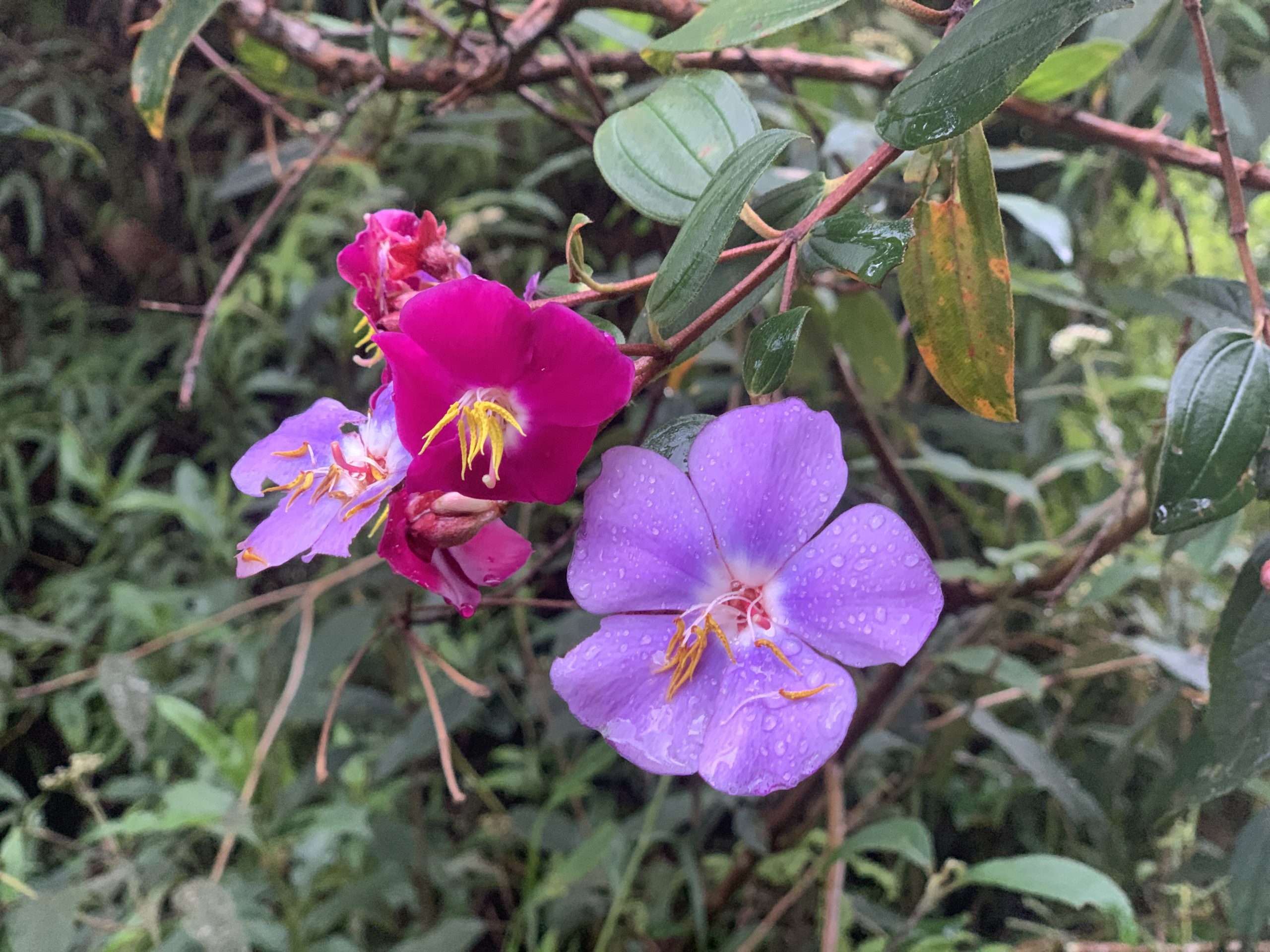
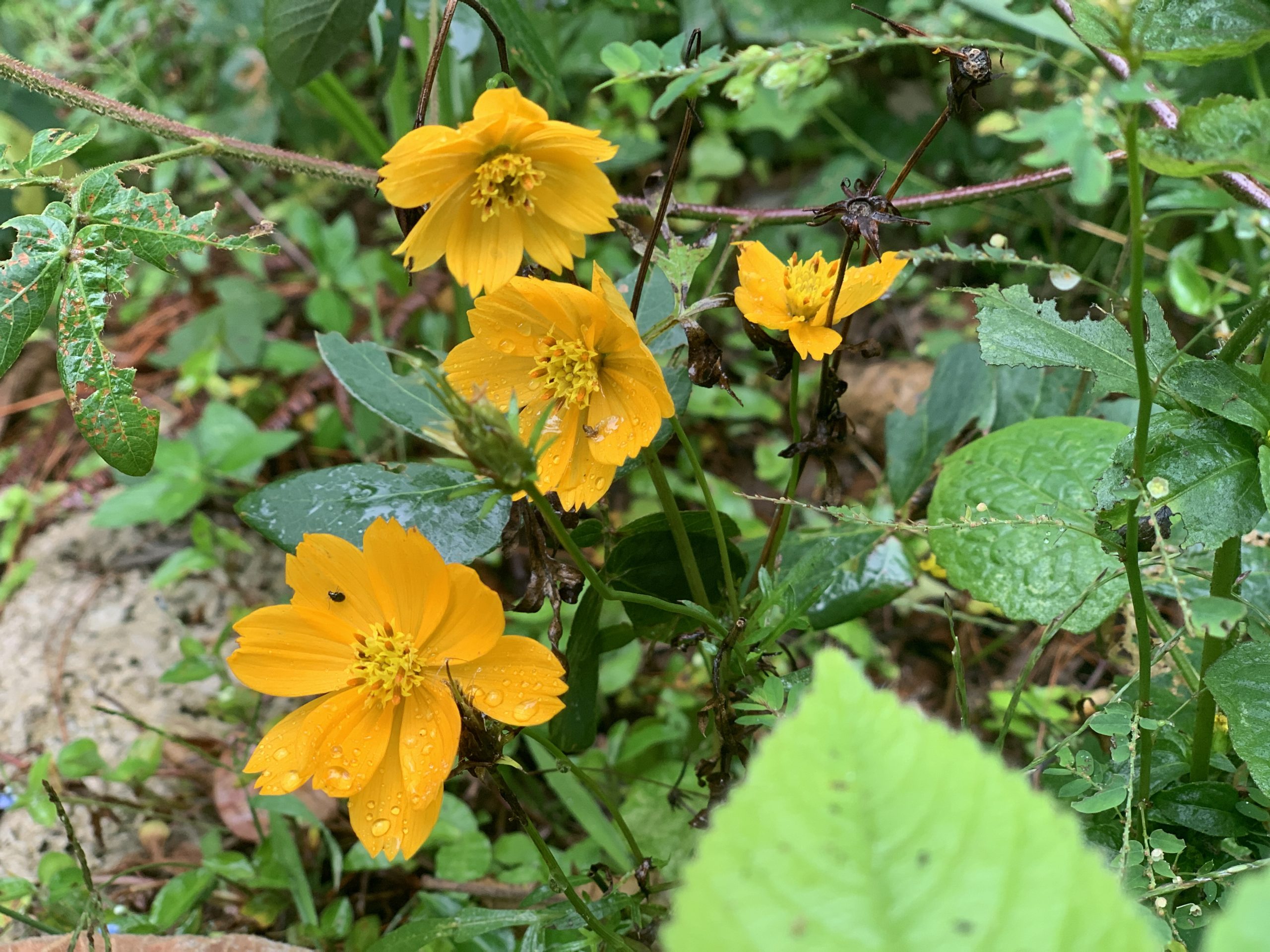
Then there are the flowers! They peep through the mist in the mountains or vie for attention in tangles of greenery.

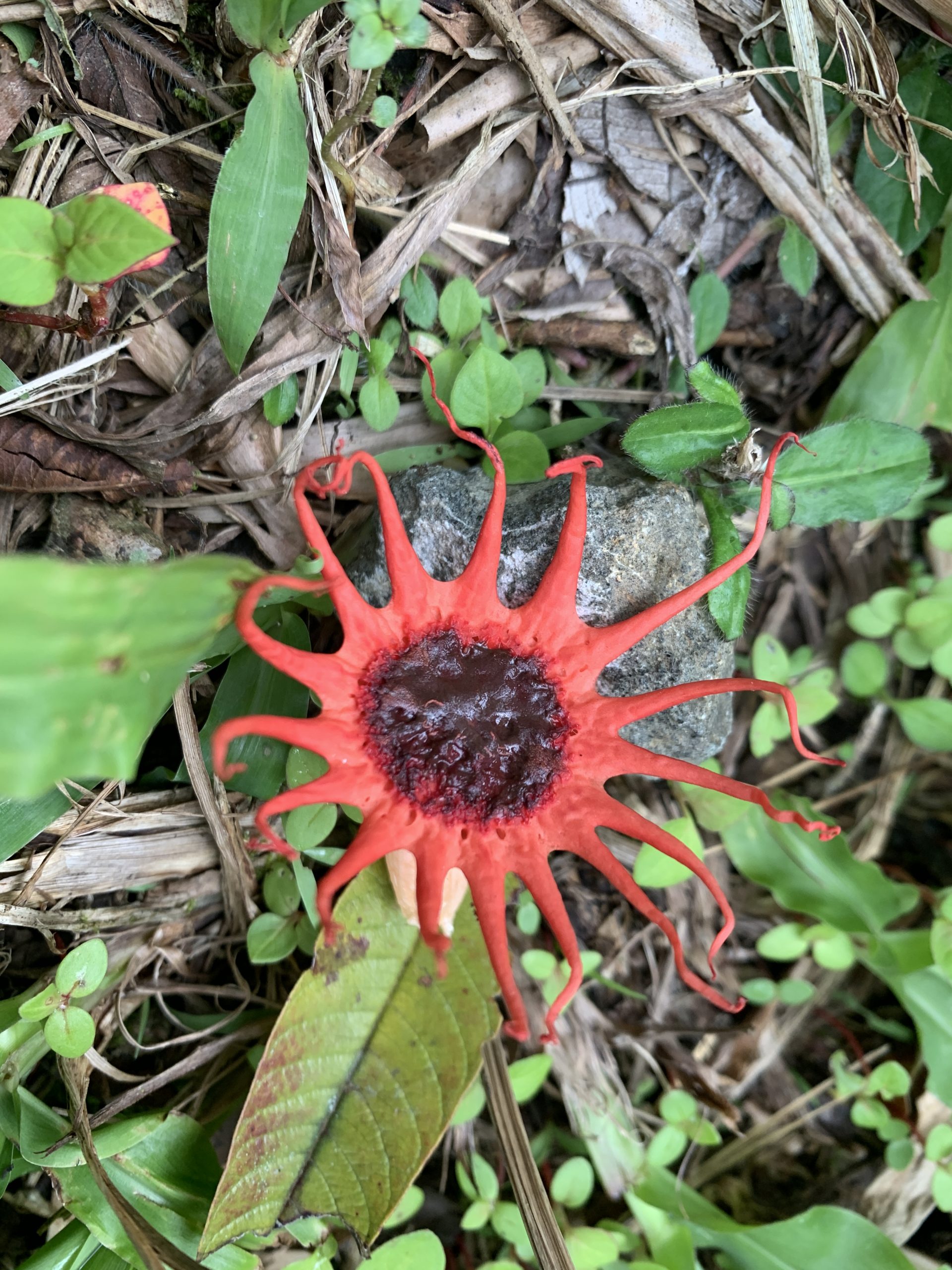
At one point I find this pretty thing on the ground. I think it is a flower that has fallen down, but it turns out it is a mushroom!


2 –Hot, humid and teeming with life

Colombia Posted on 08 Oct, 2025 11:16

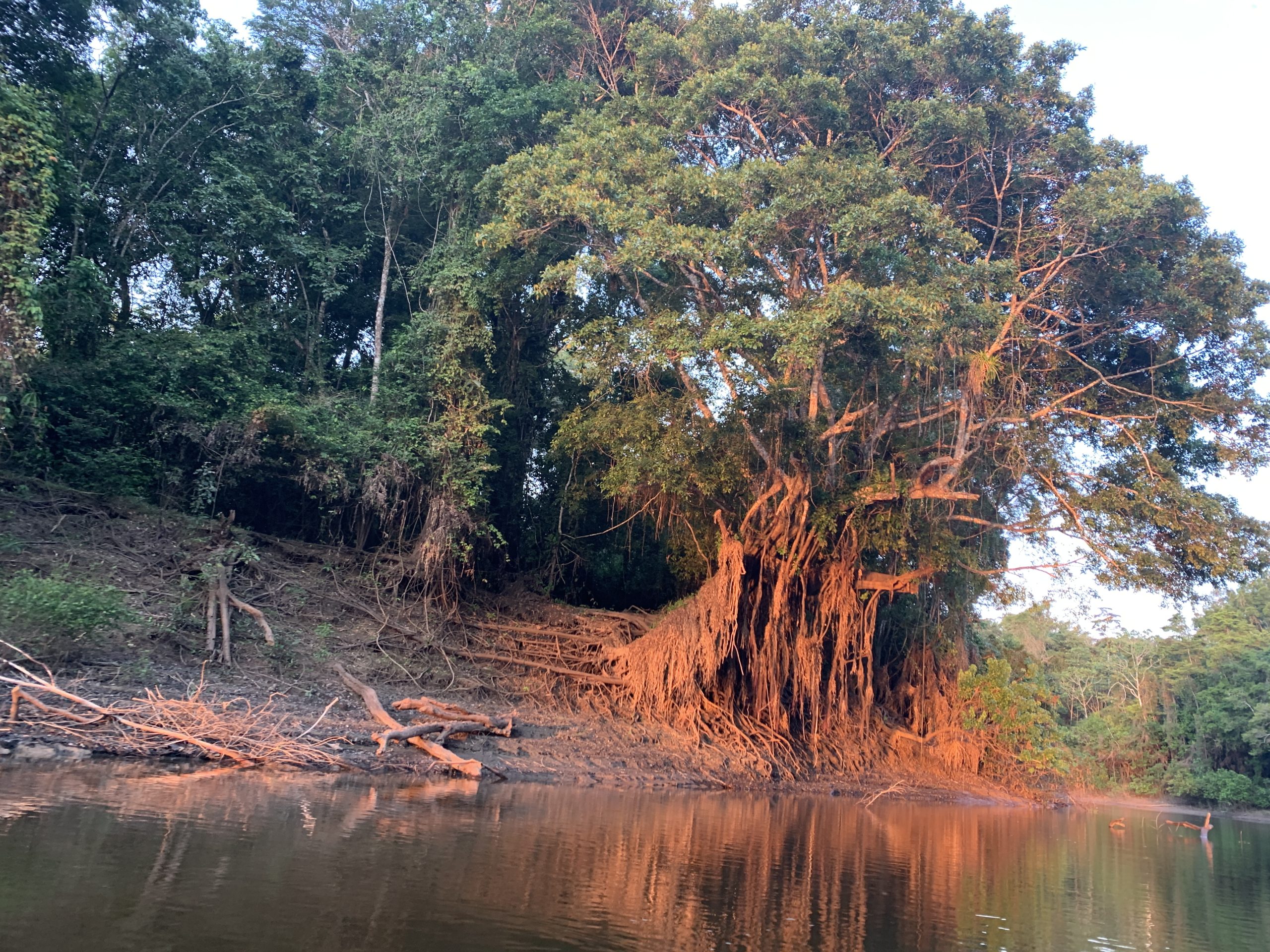
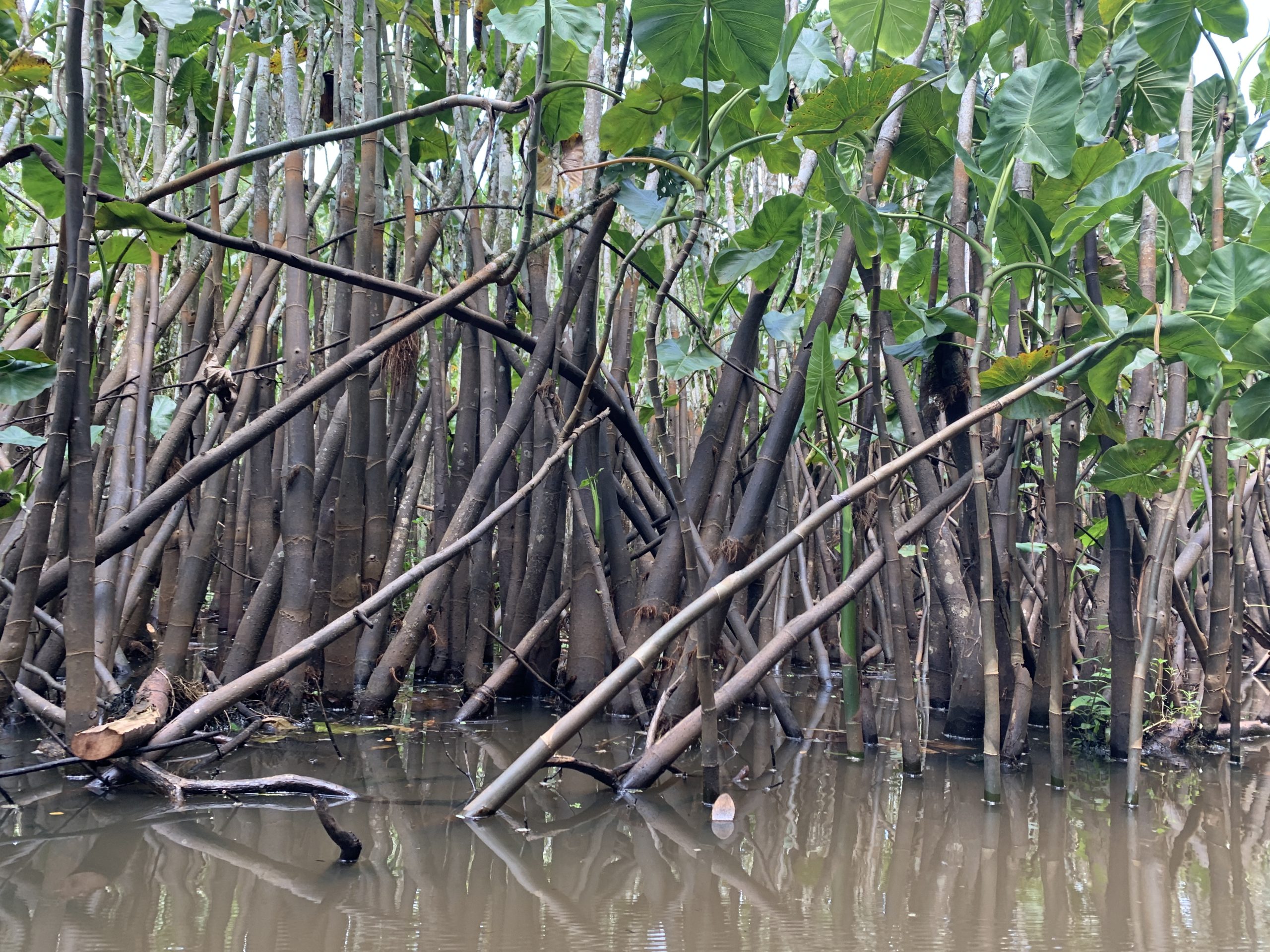
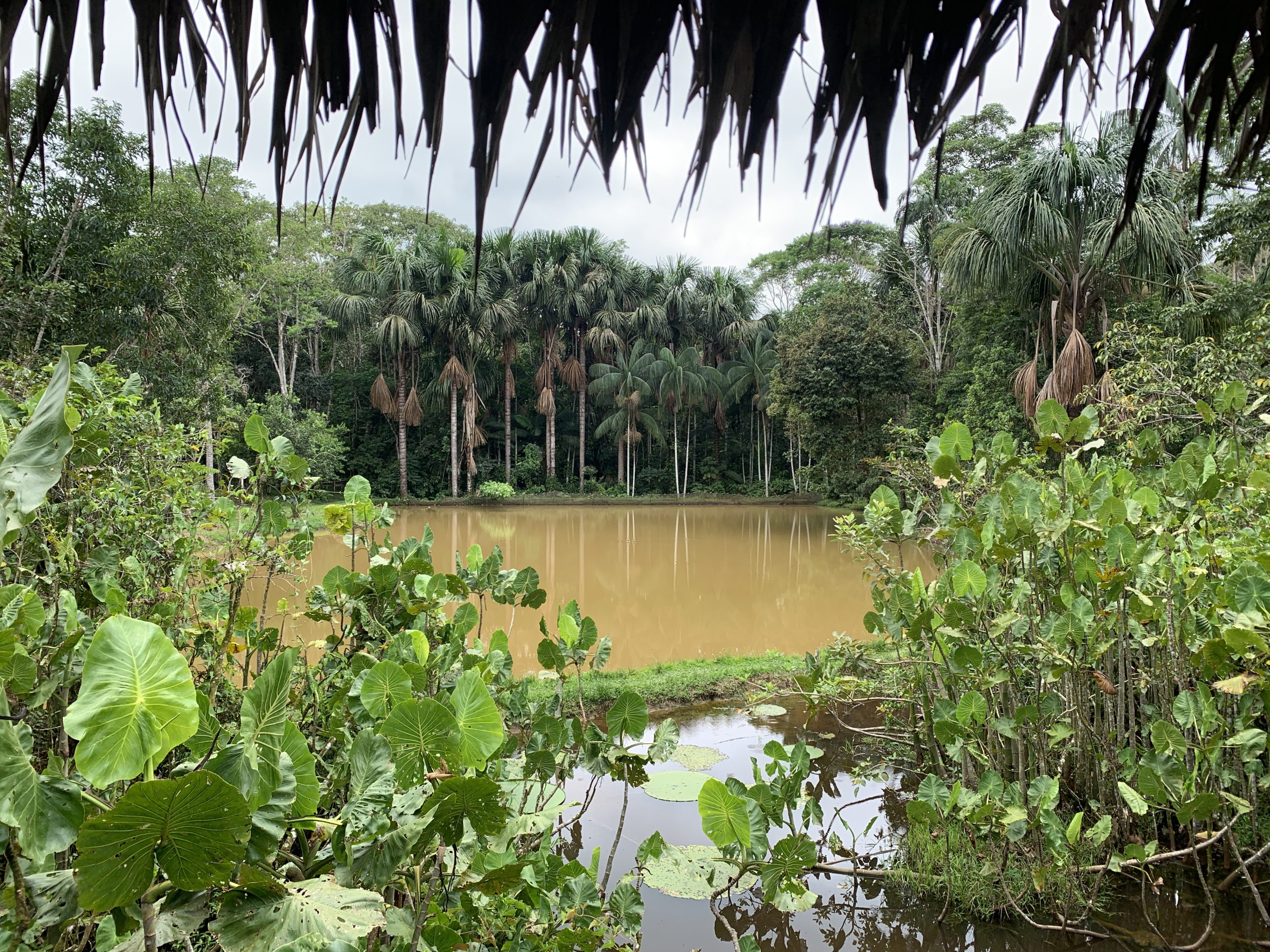
The steamy Amazon jungle is a tangle of life, where myriads of tropical species interact, compete, and live symbiotically with each other.

From the Andes Mountains we head for the Amazon jungle, a difference in height of about 4000 metres, and a huge difference in biotope – from cool, misty mountain to hot and steamy jungle. We are in the southernmost finger of Colombia, just a whisper away from Peru and Brazil. This is where the legendary Amazon River takes turns flowing through all three countries.

We stay one night in Leticia on the banks of the Amazon. I am thrilled to actually be here, by the iconic, exotic Amazon River in the middle of a huge rainforest, the Earth’s “lung”, that sucks up CO2 and provides us with oxygen. The importance of this function for the well-being of the Earth cannot be stressed too much.

Just before dusk we take a stroll to Leticia’s Parque Santander where thousands of White-winged Parakeets and Southern Martins congregate each night in a cacophony of squawks and flapping feathers before settling down for the night. Bat falcons grab the opportunity for a meal and we even see one with a hapless bird in its claws. Dinner. If Hitchcock’s movie “The Birds” frightened you, then do not go to this park at dusk. You do not view the birds from a distance; you are in the midst of the action. It is totally fascinating, if you do not have a bird phobia (ornithophobia).


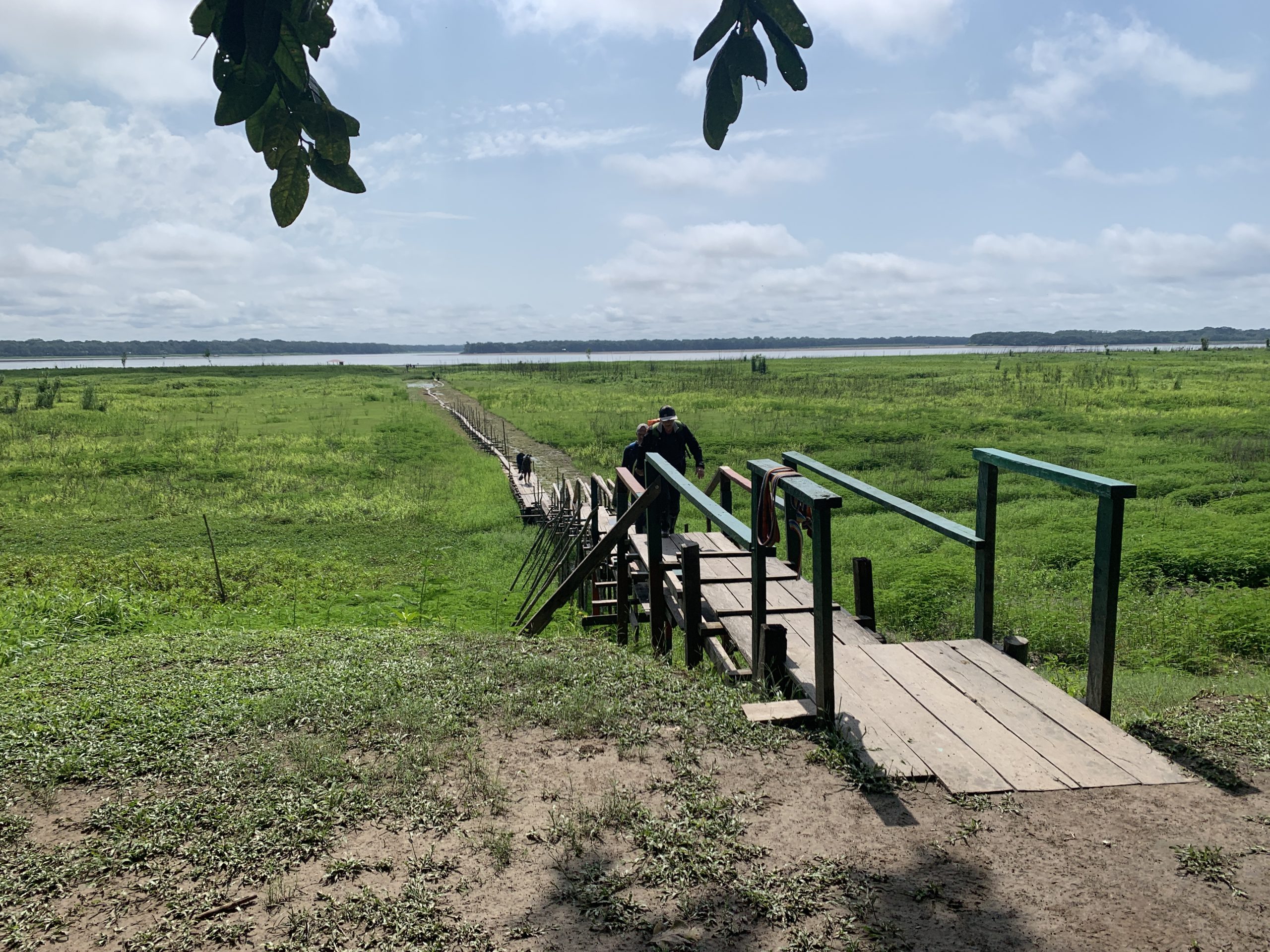
To get deeper into the jungle the only possible route is by water. First, we have to make our way to the boats. Carrying our luggage, we cross through town, traverse an island, then balance on a boardwalk, which at times shrinks to just a single board. In the heat and humidity. Phew!

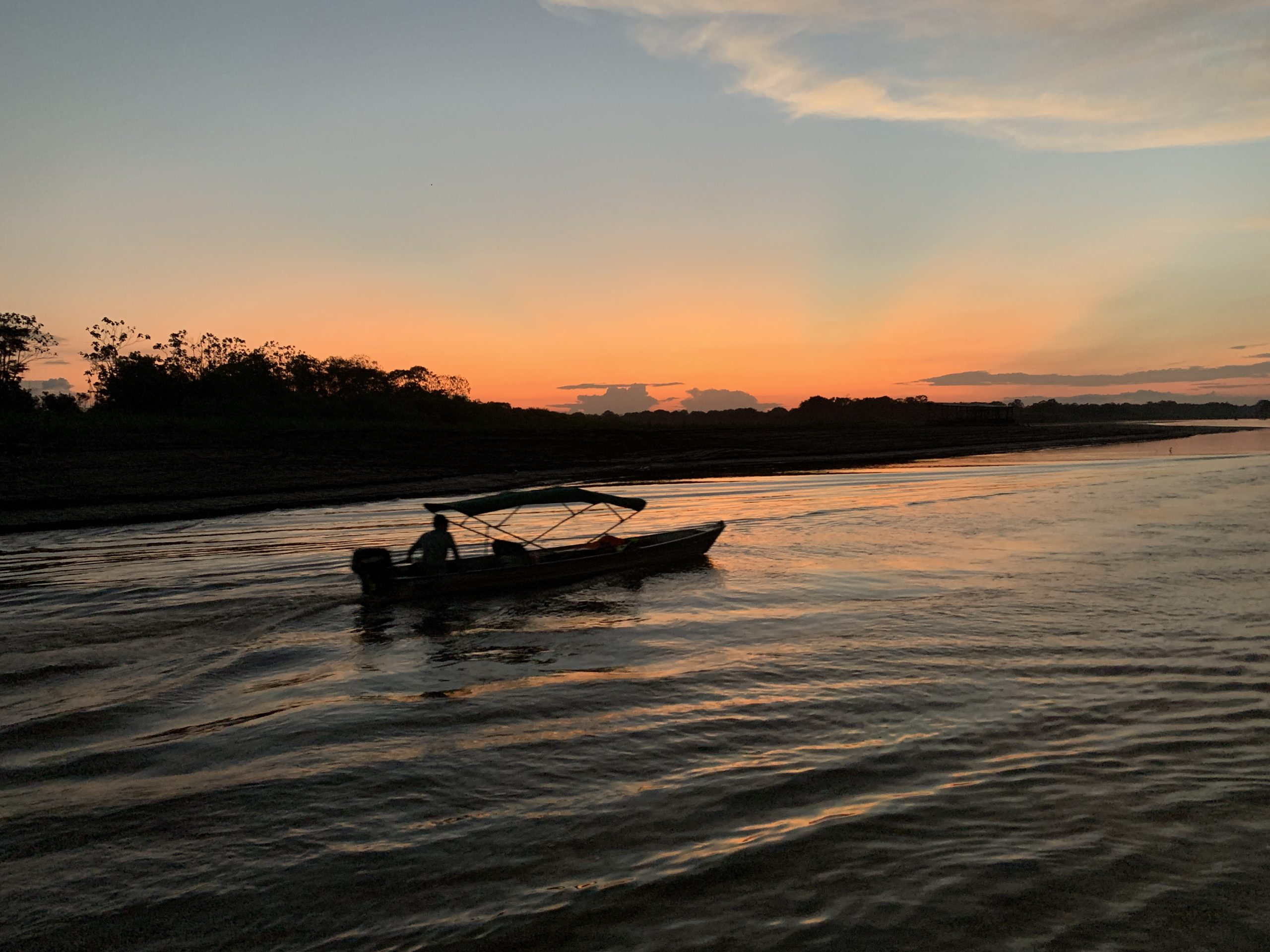
The motorboats transport us for hours along narrow waterways as we listen and look for wildlife. I note 16 new species of bird in my diary as well as pink river dolphins and white river dolphins.

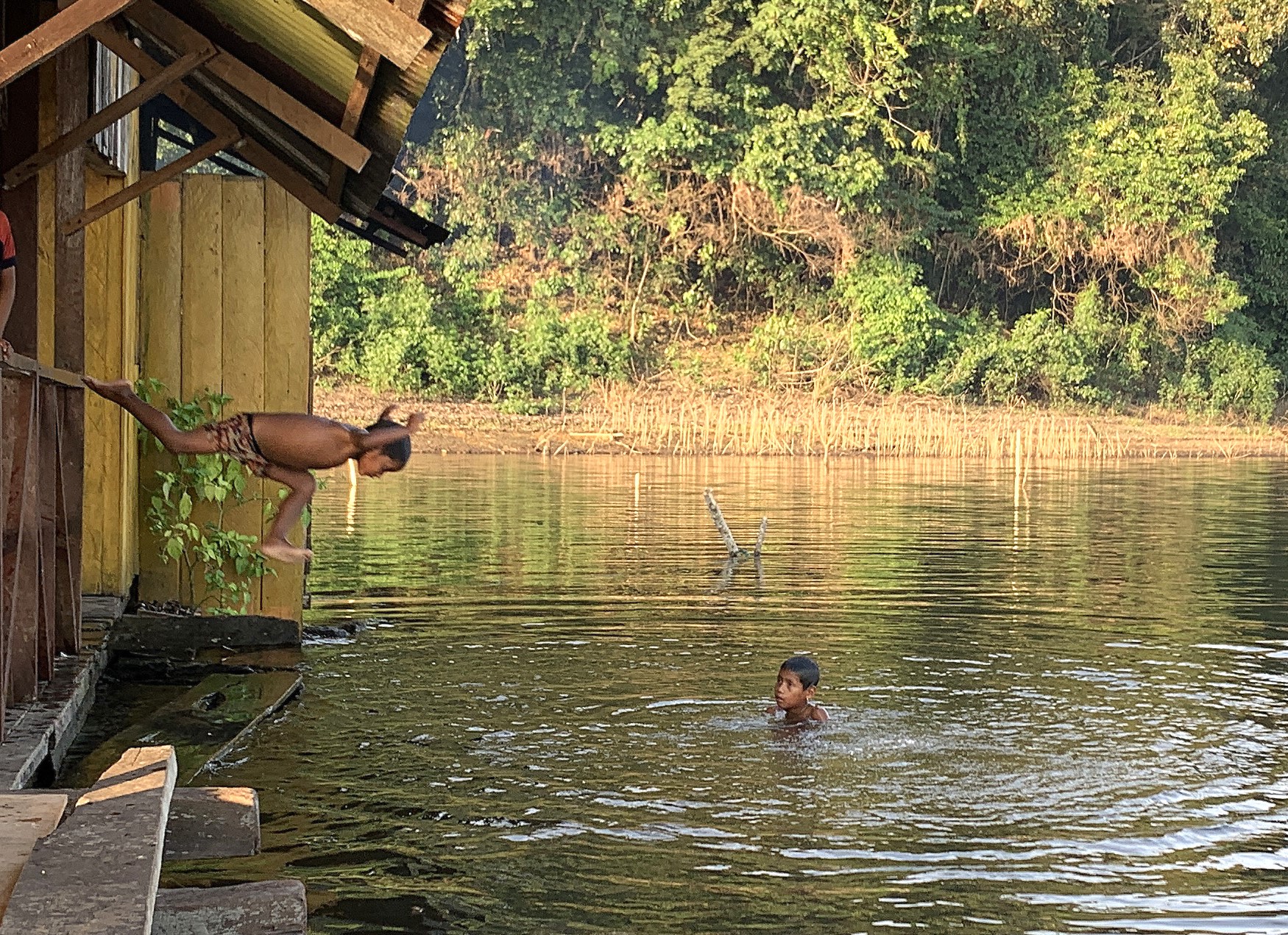
The river and its tributaries are the life-blood for the people here. The waterways are important for transportation and fishing. Some people live on the river in houses on stilts. Kids play in the water.

We stop for lunch at a tiny jungle village in the Marasha Natural Reserve. Here, the indigenous Ticuna people experienced some restrictions in their way of life when the area became a natural reserve. To offset the problem, the government offered free courses in ecotourism. Now, besides trading fish for various goods, the villagers earn cash which they use, for example, to send their children to school. Walking around the village environs, we see a three-toed sloth with a baby sloth clamped on to its stomach., various butterflies and six more bird species for my diary.

We continue our riverine journey to the Ticuna village of Puerto Nariño, deep in the rainforest. On the way we can glimpse Peru. Here, the border between the two countries seems as flowing as the water. The villagers have decided that their village should be sustainable. They have no motorised land vehicles, and they either recycle, reuse or make compost from their waste. They collect rainwater and produce electricity from an energy-efficient generator which is shut off at midnight.

After a couple of days here we travel even further into the jungle.

Unfortunately, I am laid flat with diarrhoea for almost two days, so I miss out on some of the excursions and most of the meals. Added to that, I forgot my book and reading glasses at the hotel in Leticia so I must endure three days without reading. Disaster!

Instead, I lie in my bed dozing and listening to the sounds of the animals in the verdant, peaceful surroundings. There is an incredible array of sounds, especially at sunset and sunrise. It seems as though each species has its own aria in the concert, and they take turns giving each other time to sing their songs. When the avian chorus is complete for the evening, the performance is taken over by frogs and cicadas. The whole thing starts all over again in the morning.

During the days here in the jungle I can add about 45 more bird species to my diary. The avid birders in our group have seen even more.

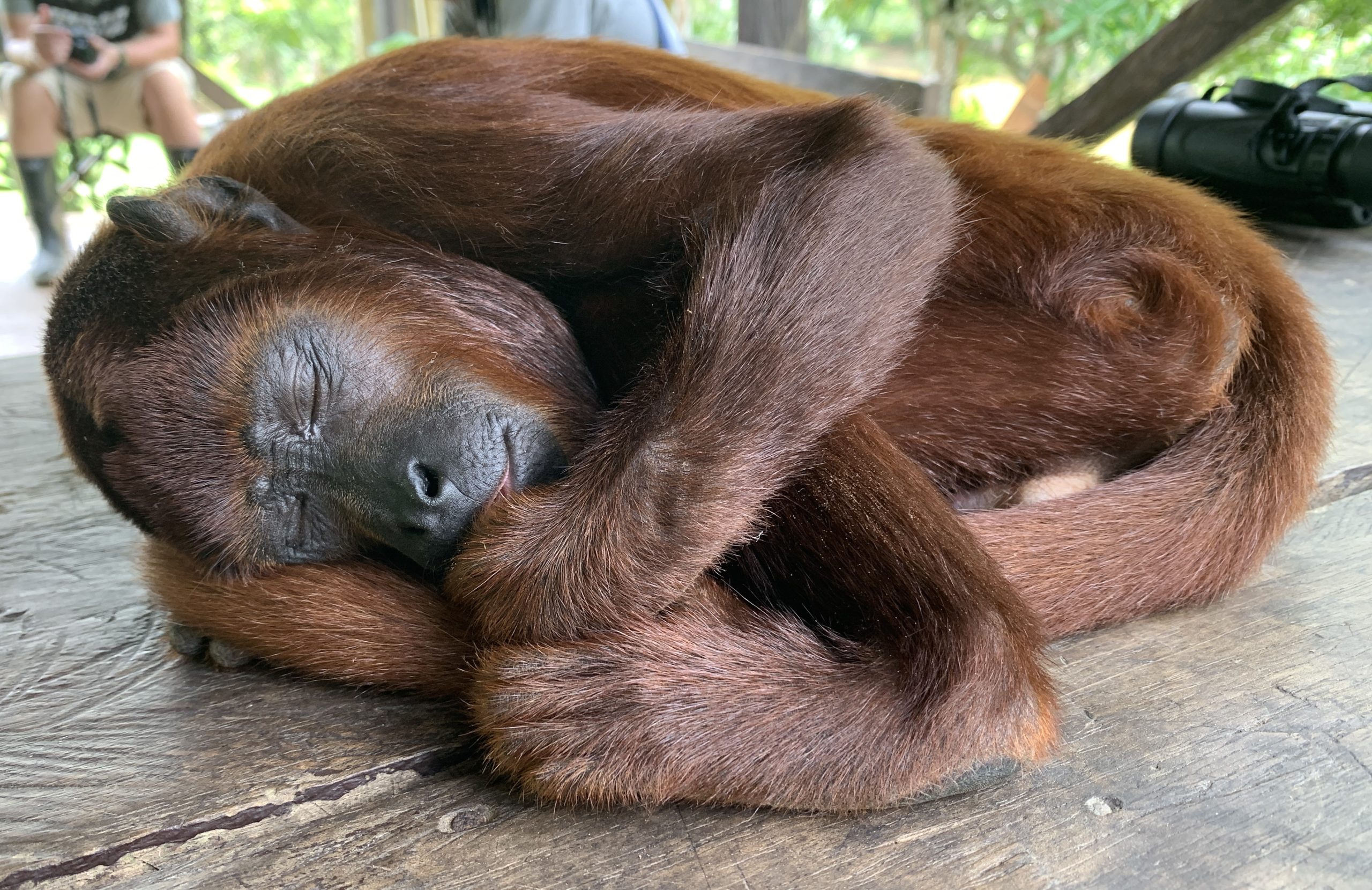
We also see caiman, catfish (HUGE mouth), pygmy marmoset – the world’s tiniest and maybe cutest monkey – and a two-year-old pet howler monkey. Sucking his thumb for comfort, the howler monkey youngster looks to me like someone who really, really misses his mother and his group. Monkeys are, after all, social animals and not meant to hang out alone.

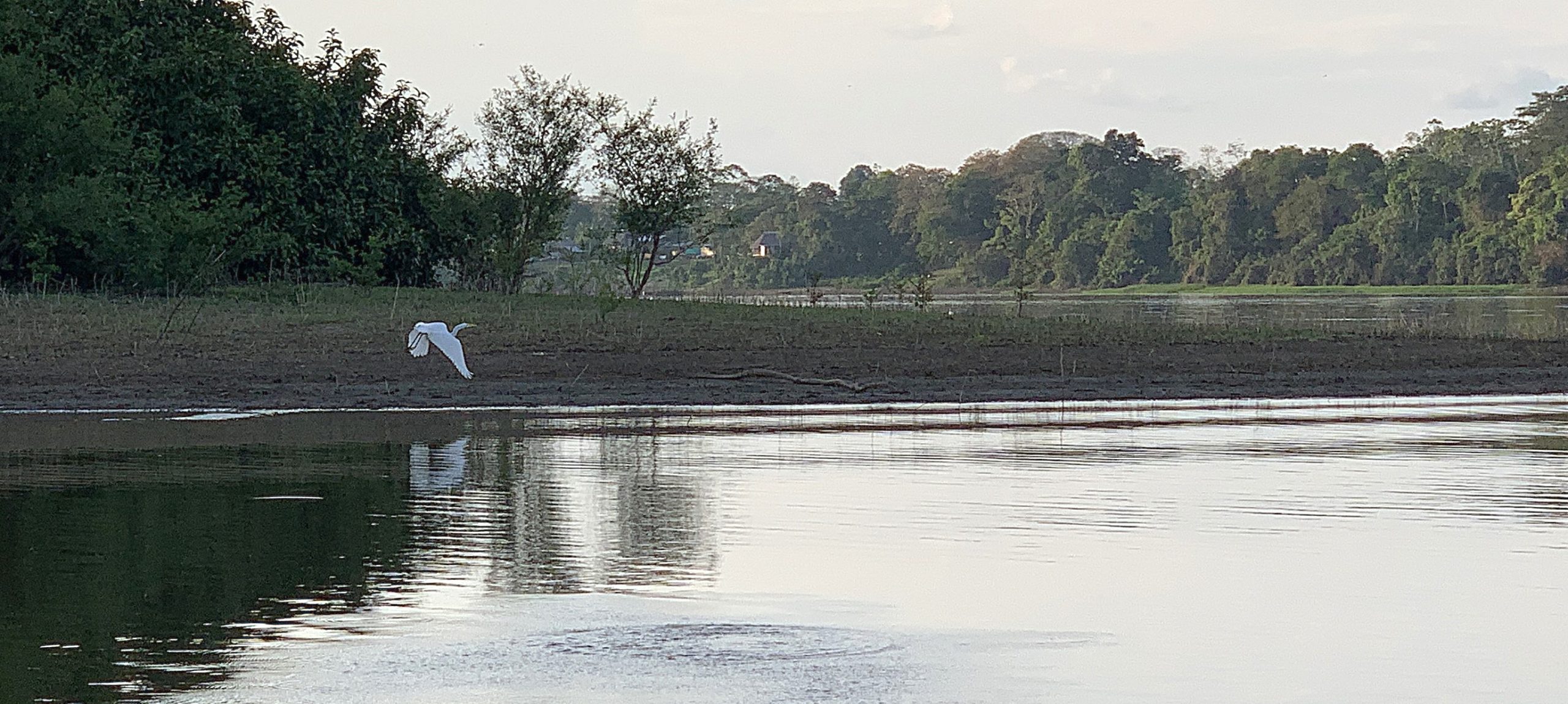
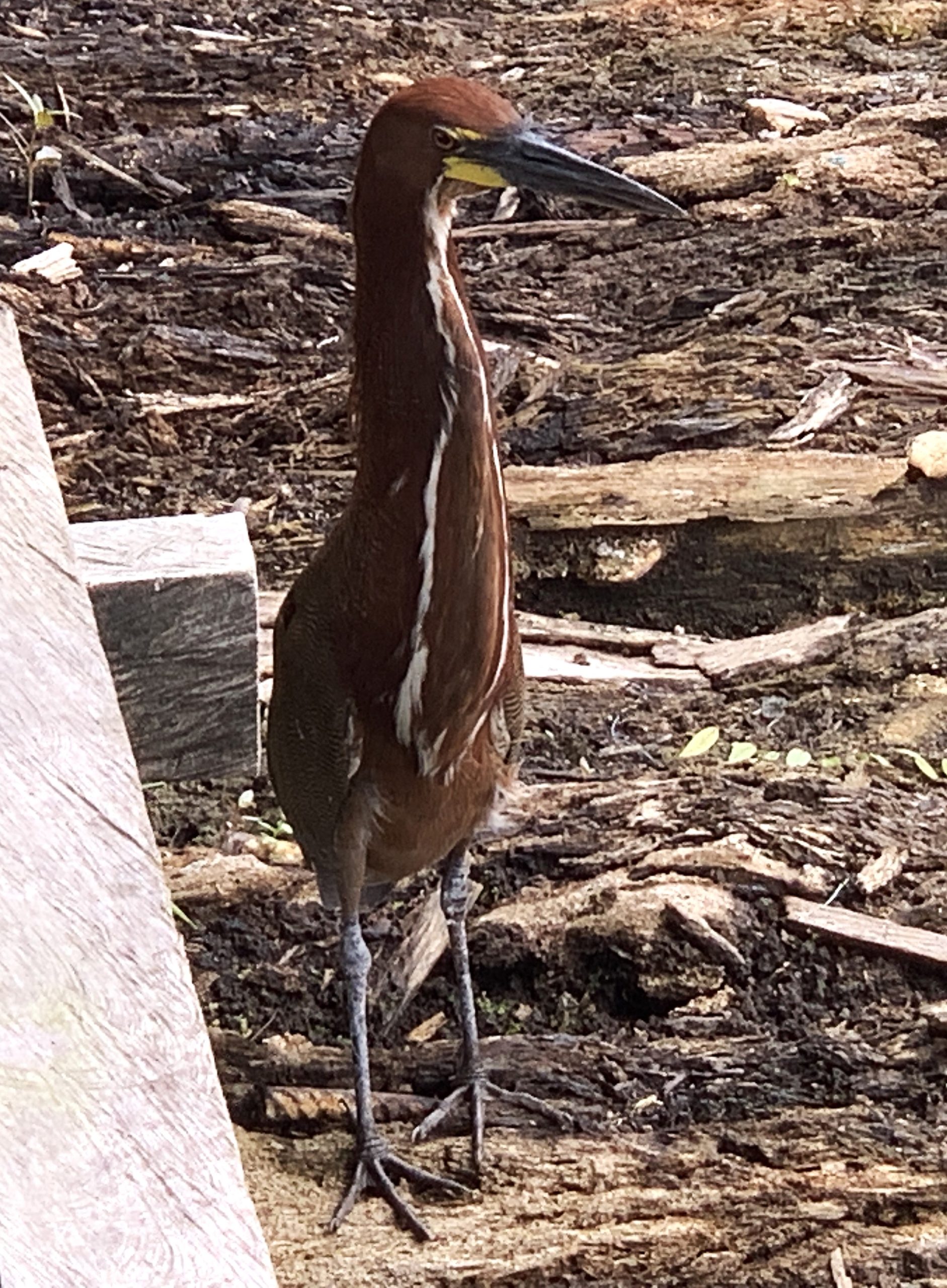
You can already now start guessing how many bird species I recorded on the whole 18-day trip to Colombia. Here are a couple more (unidentified heron uppermost and Rufescent Tiger Heron below that). You will find the answer in the last article of the travel blog, so stay tuned!


1 – Variety is the spice of life

Colombia Posted on 06 Oct, 2025 20:40

Colombia is one of the most biodiverse nations in the world. I set out to have a look.

I am a biodiversity freak. Nature’s countless varieties of plants, fungi and animals, how their lives are interwoven with each other, and how they adapt to their surroundings is endlessly fascinating to me.

That is why I have chosen to travel to Colombia. It is a biodiversity hotspot. It tops the world list with regard to number of bird species (a whopping 1871 according to BirdLife.) It also tops the list with regard to most orchid species (4,499, about half of which are endemic to Colombia, i.e. only seen here). As if that isn’t enough, Colombia is number two in the world with regard to number of species of butterflies, fish and amphibians, number three regarding reptiles, and ranks number six with regard to mammal species. So this is the place to head for if you like to see a lot of different forms of life.

Why so much life? Colombia is a large country that has many different biotopes, from the cloud-reaching Andes Mountains in the west to the steamy Amazon rain forest in the south – and a whole lot in between. Join me as I take you through some of the wonders I experience.

A walk in the mountains
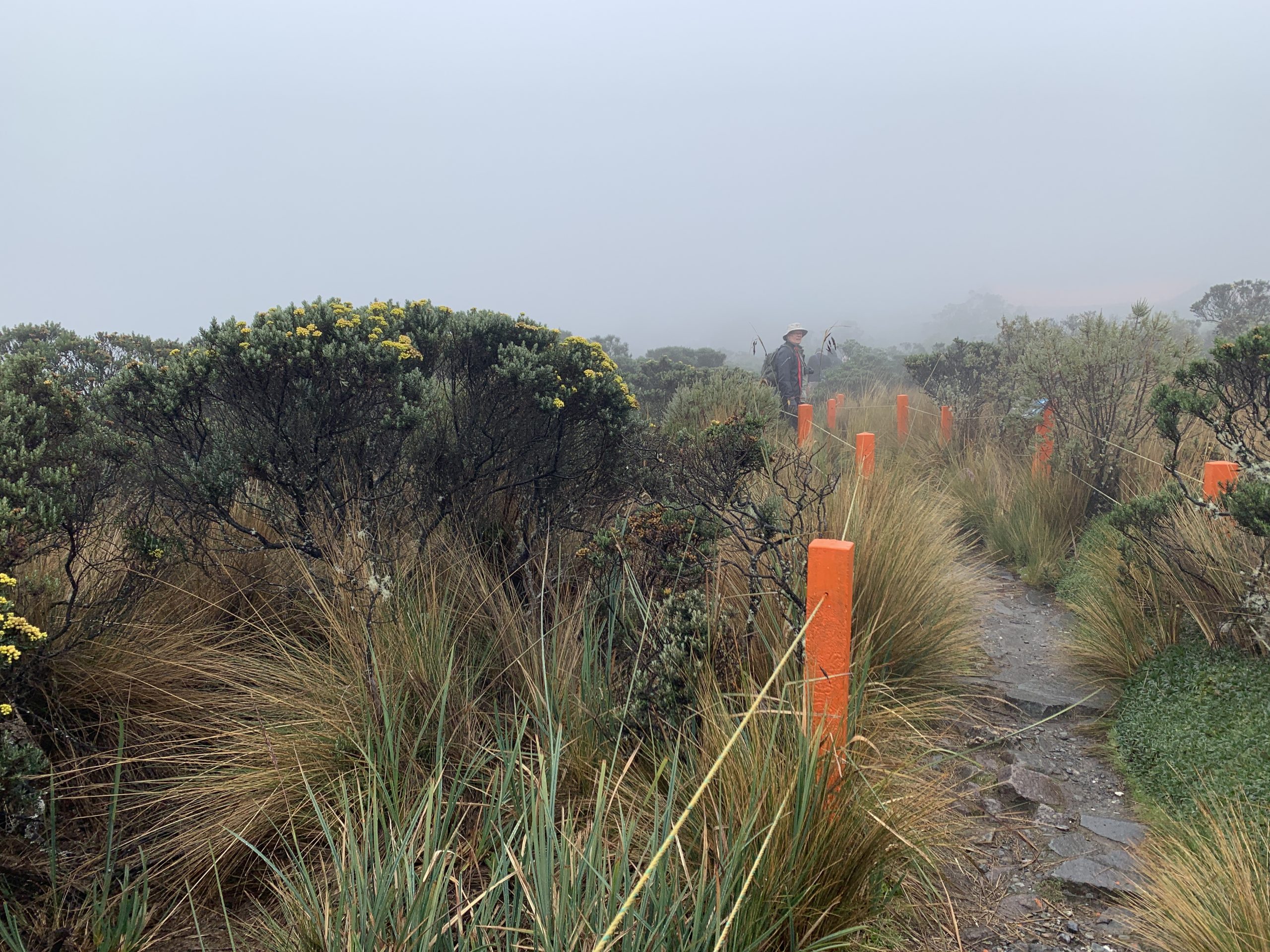
On my first day of exploring Colombia, with a group of nine other people from Denmark, I trek through Chingaza National Park in the eastern Andes Mountains. The mountains are blanketed in fog as we walk at a height of about 4000 m above sea level in the 76,600 hectares large park. The mist makes things look mysterious and a bit spooky.
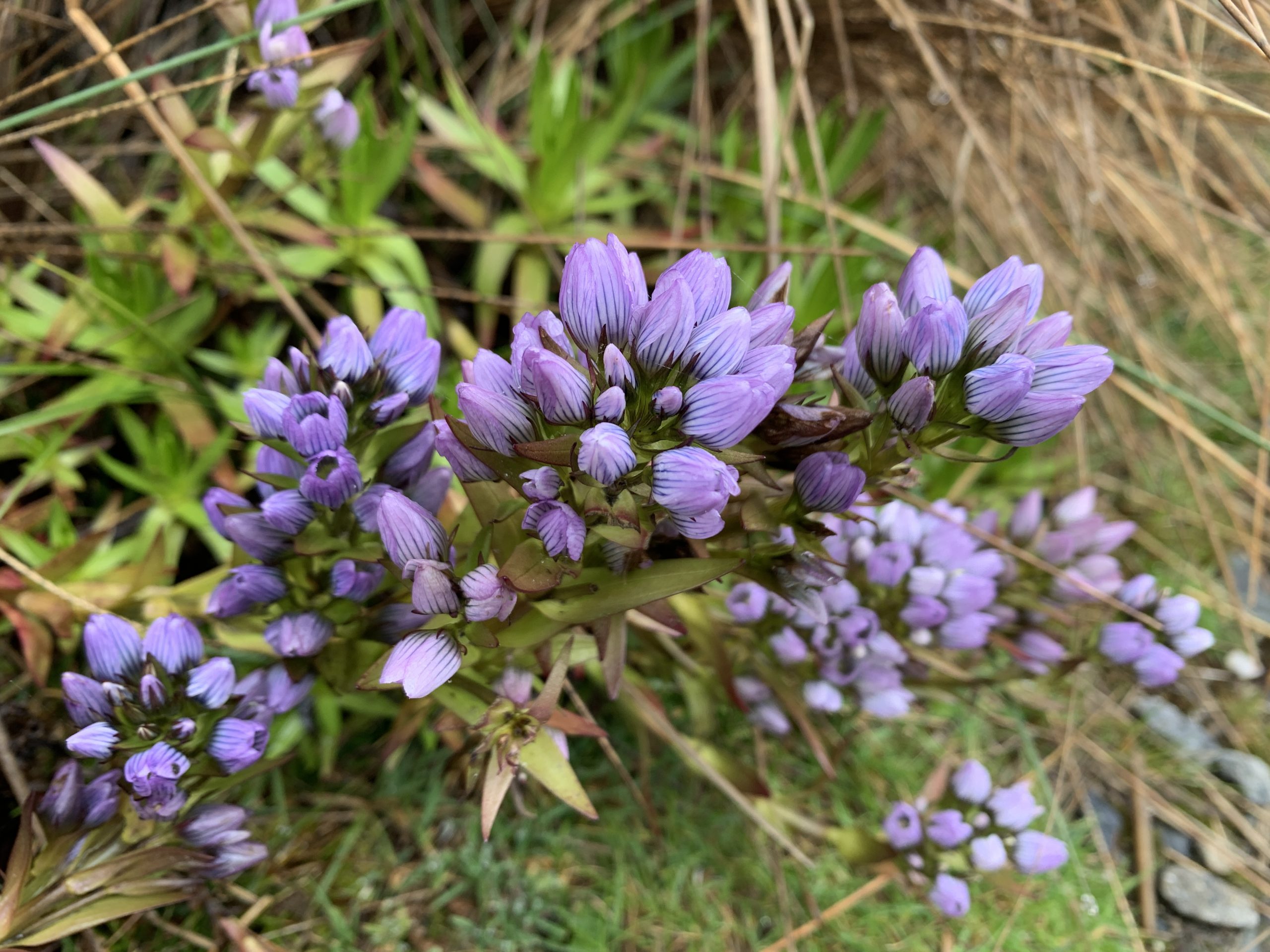
Various blooms, berries, birds and lichens brighten the greyness. A black-crested warbler peeks at us from behind a branch. Yellow flowers brighten the day.

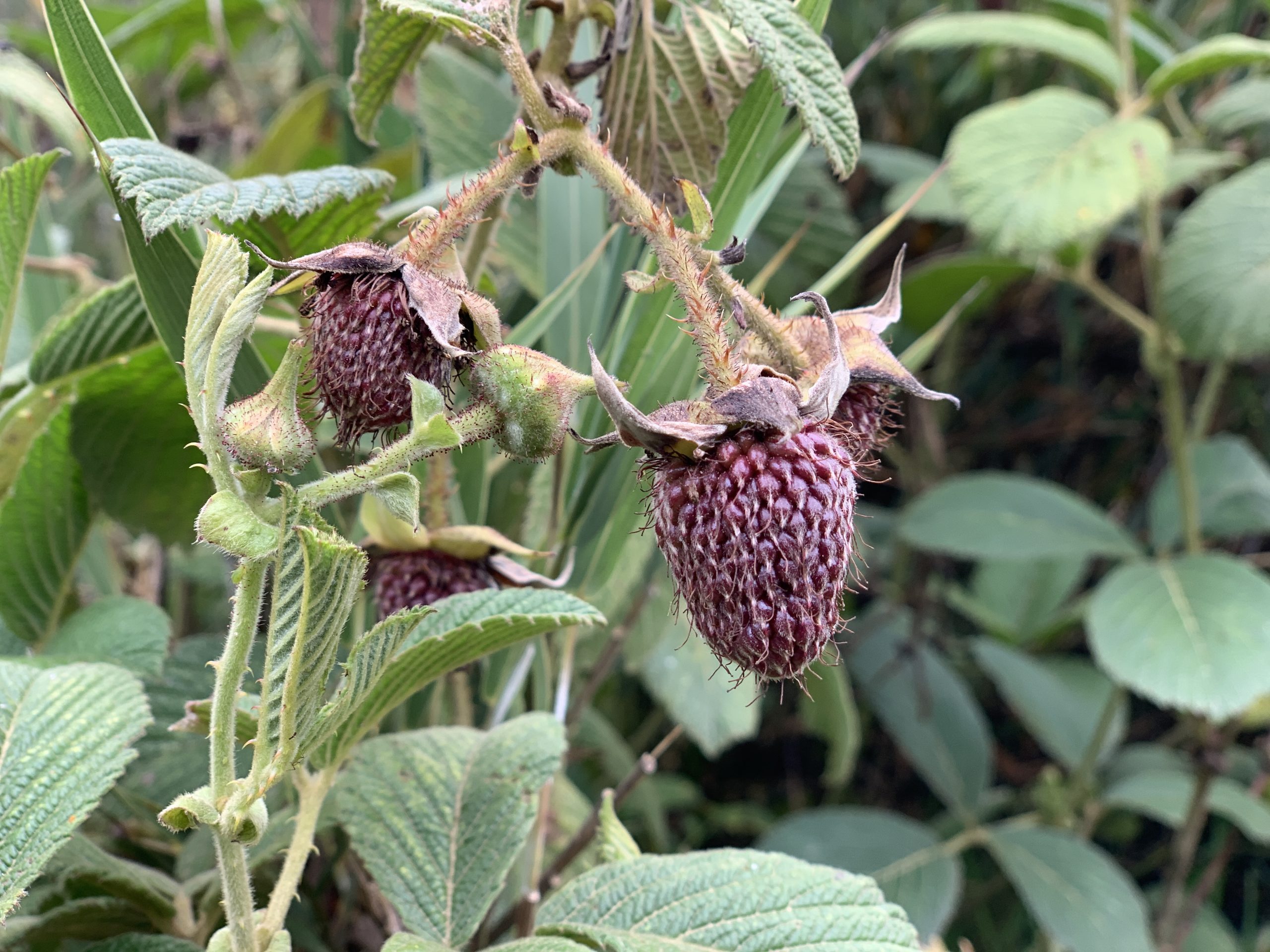
From mora bushes (similar to blackberry) hang pink flowers and deep-red berries. I drink a lot of delicious mora juice while in Colombia.
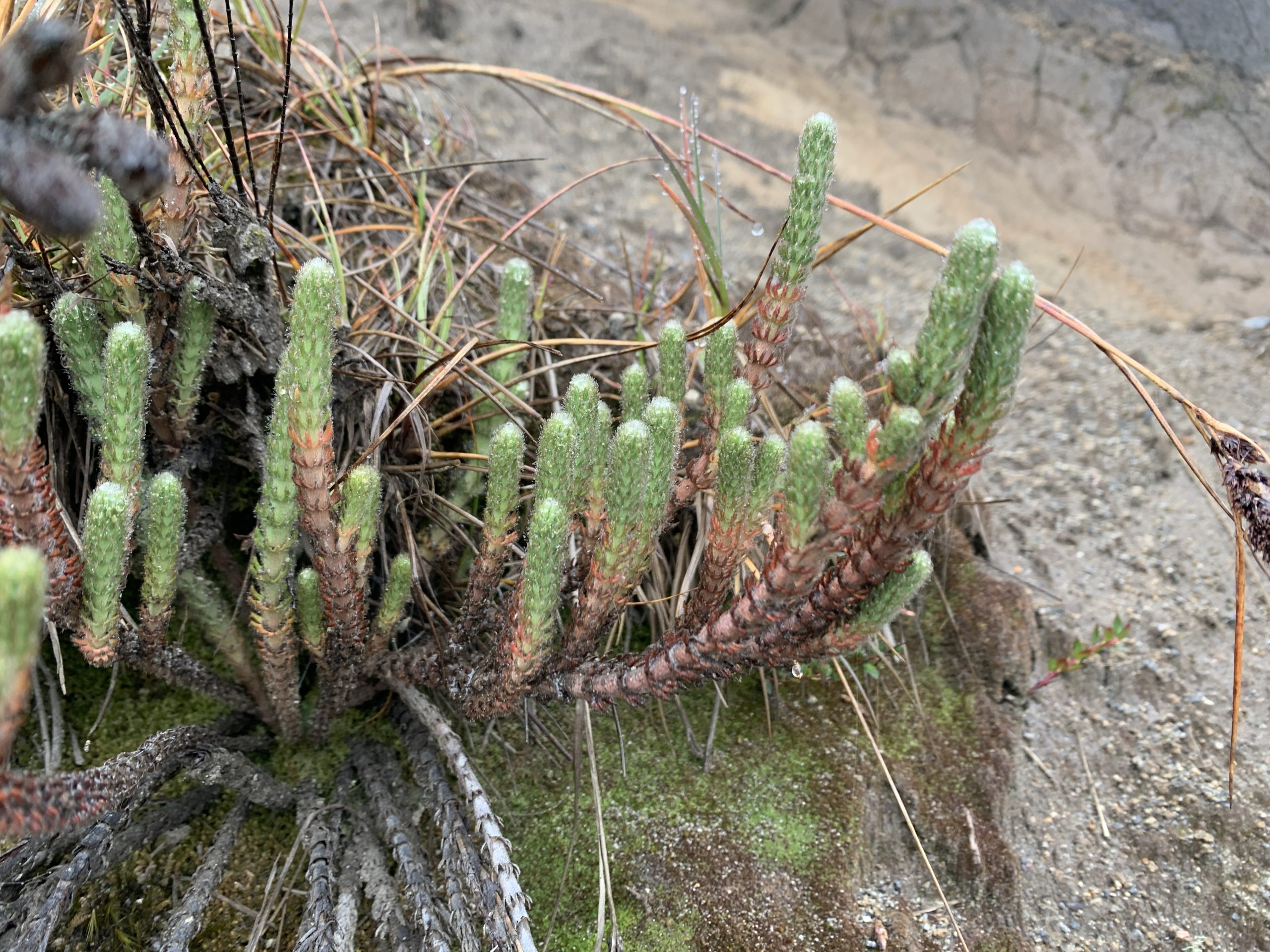
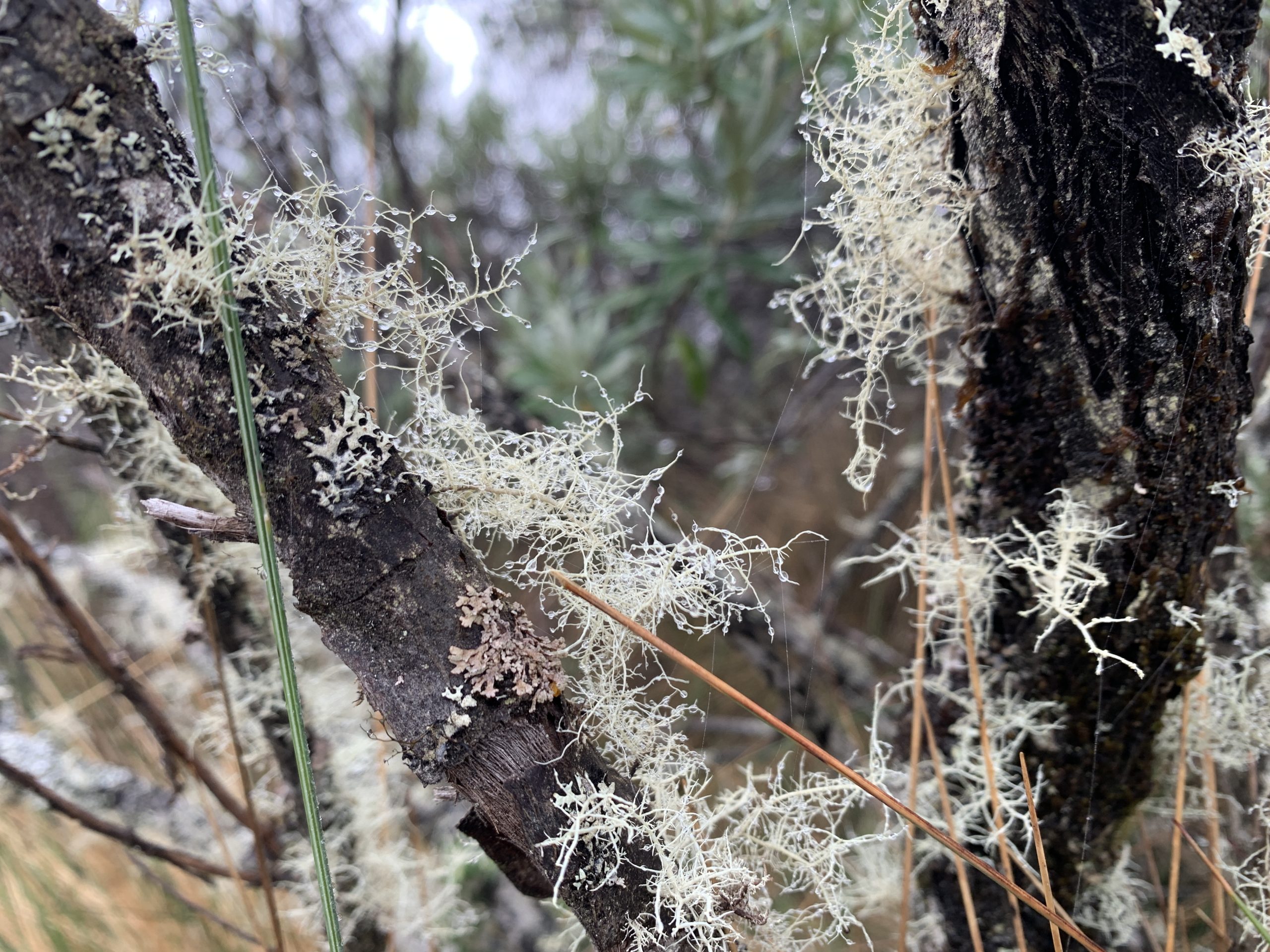
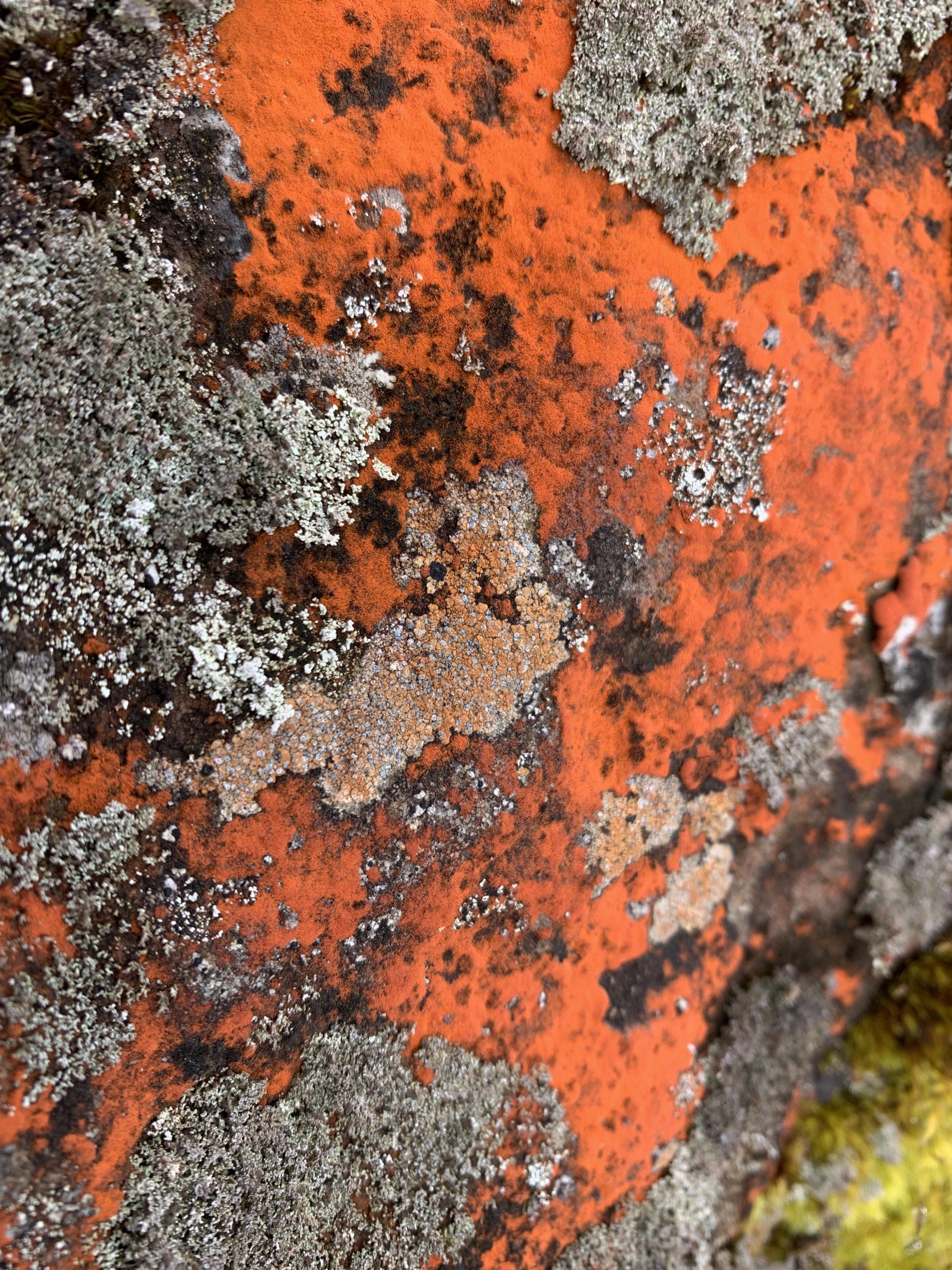
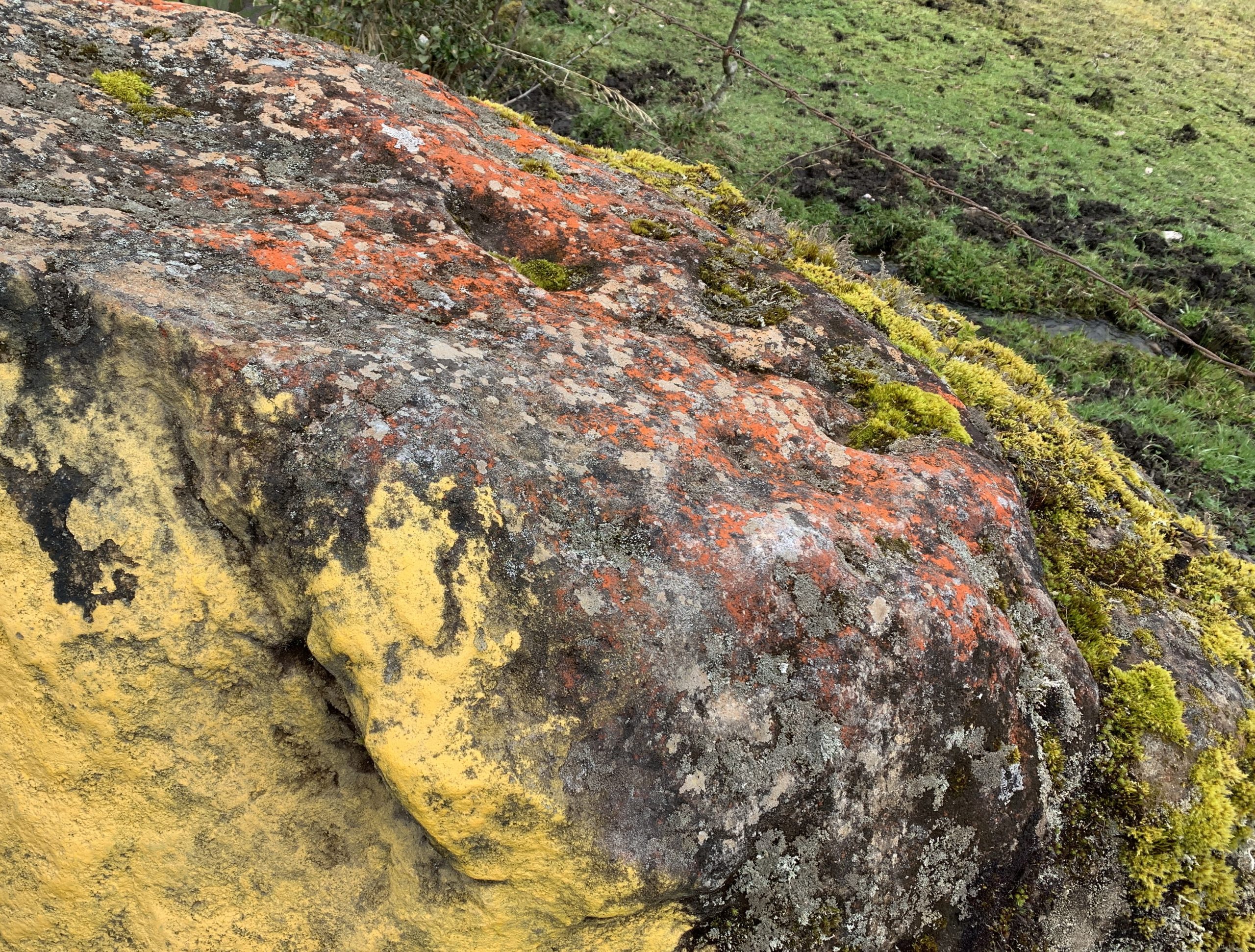
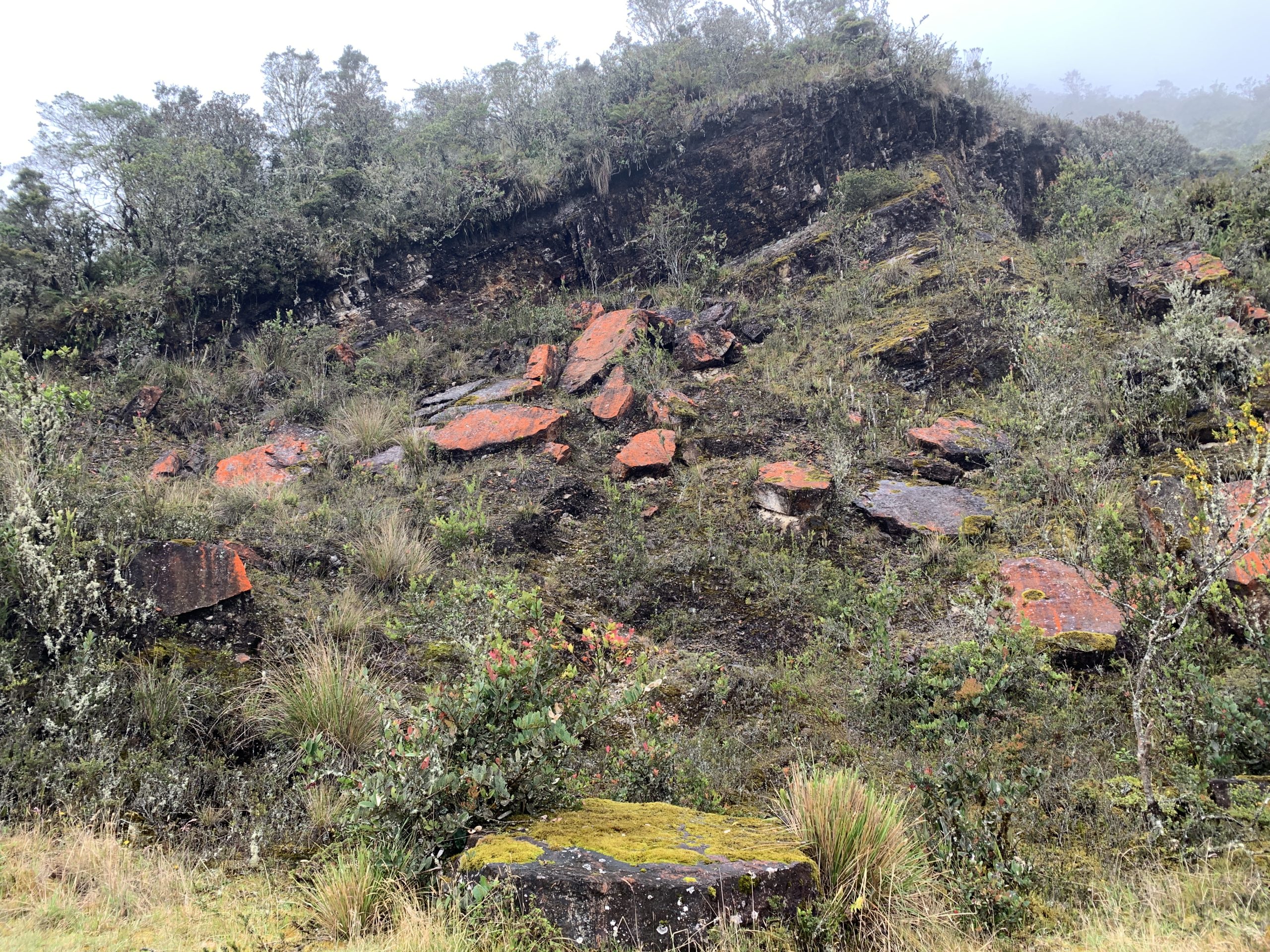
Rocks are home to a palette of colourful mosses and lichens.

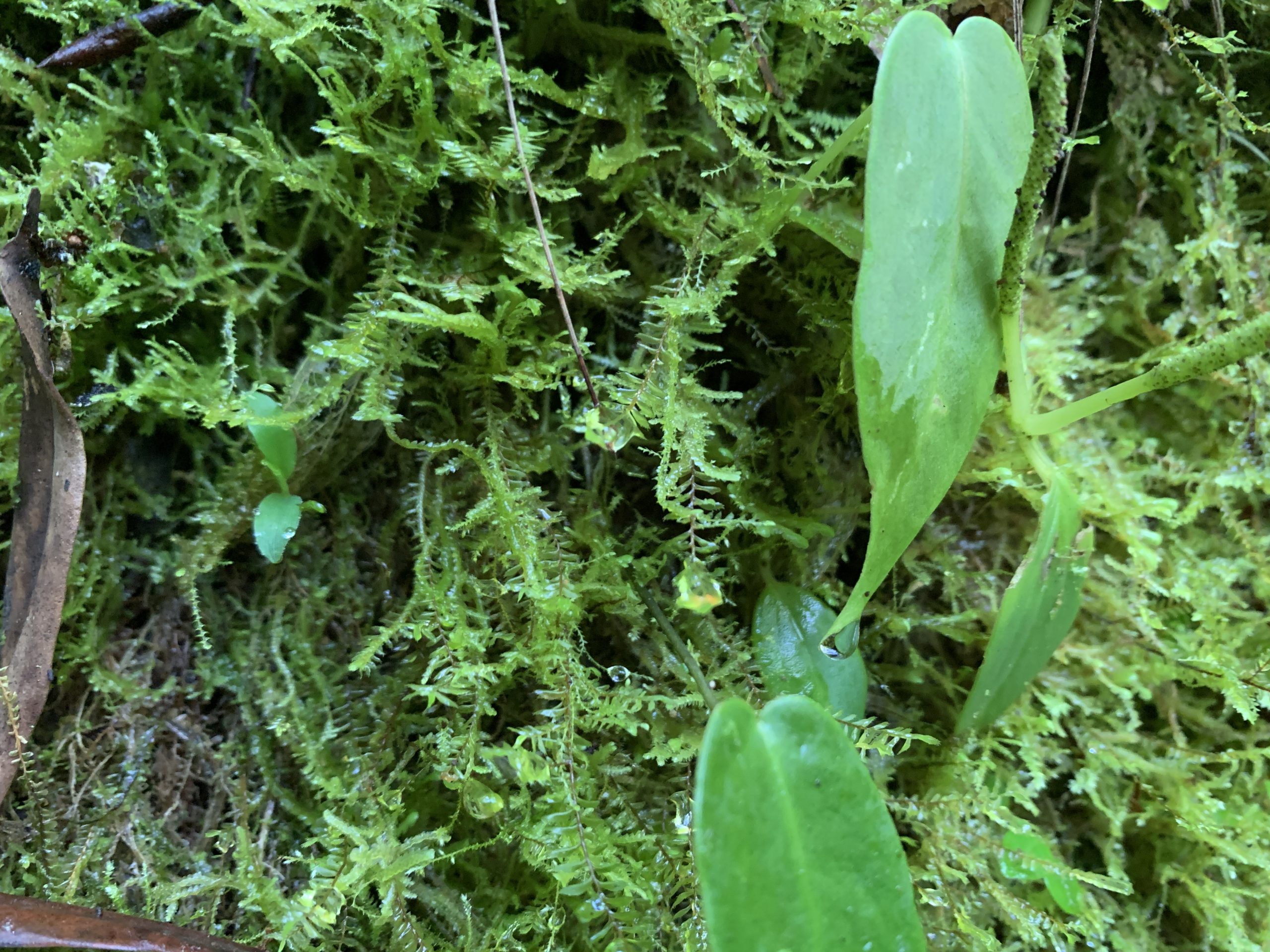
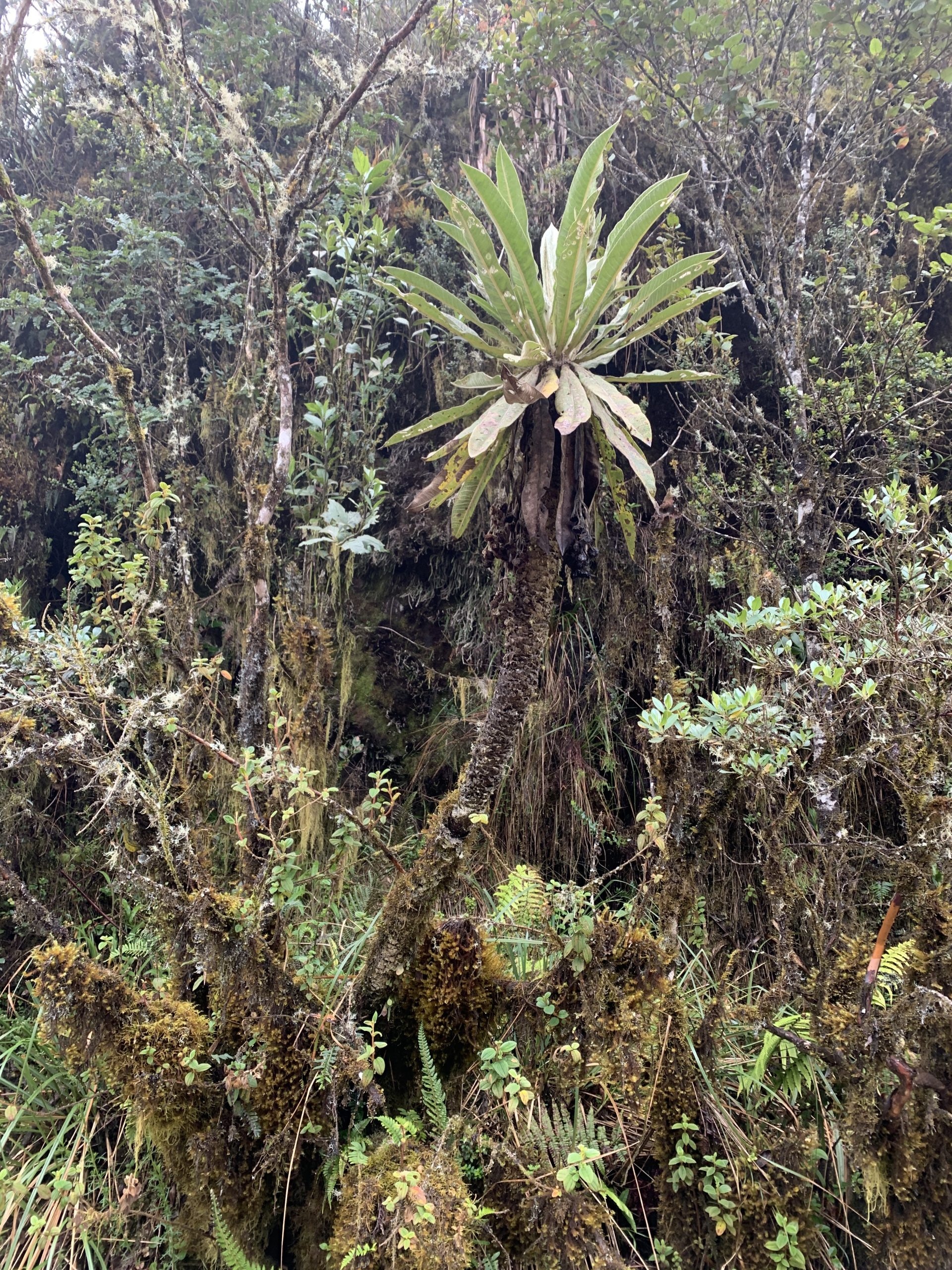
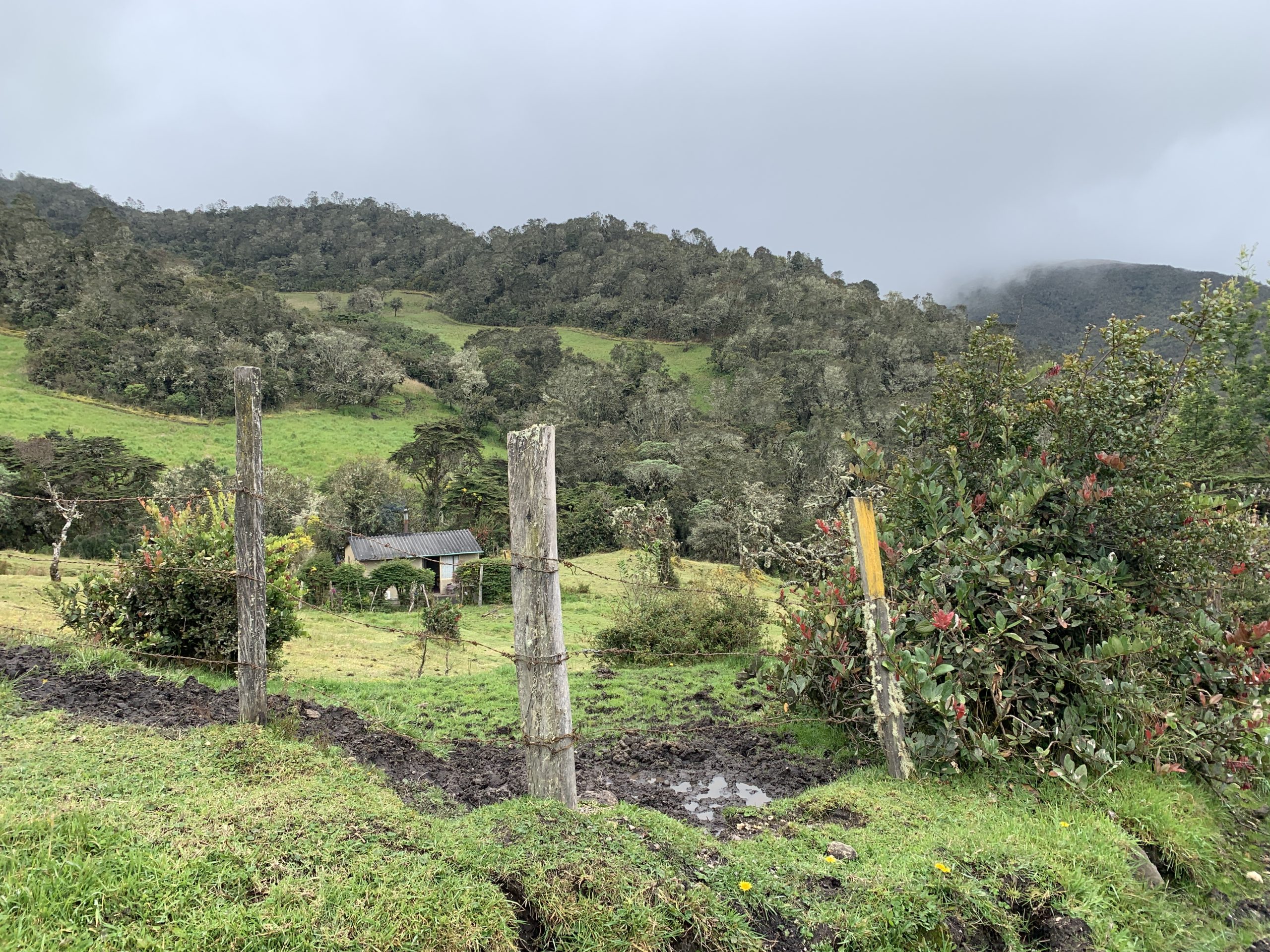
Trees are covered in moss and epiphytes. In a sudden clearing perches a lonely farm.
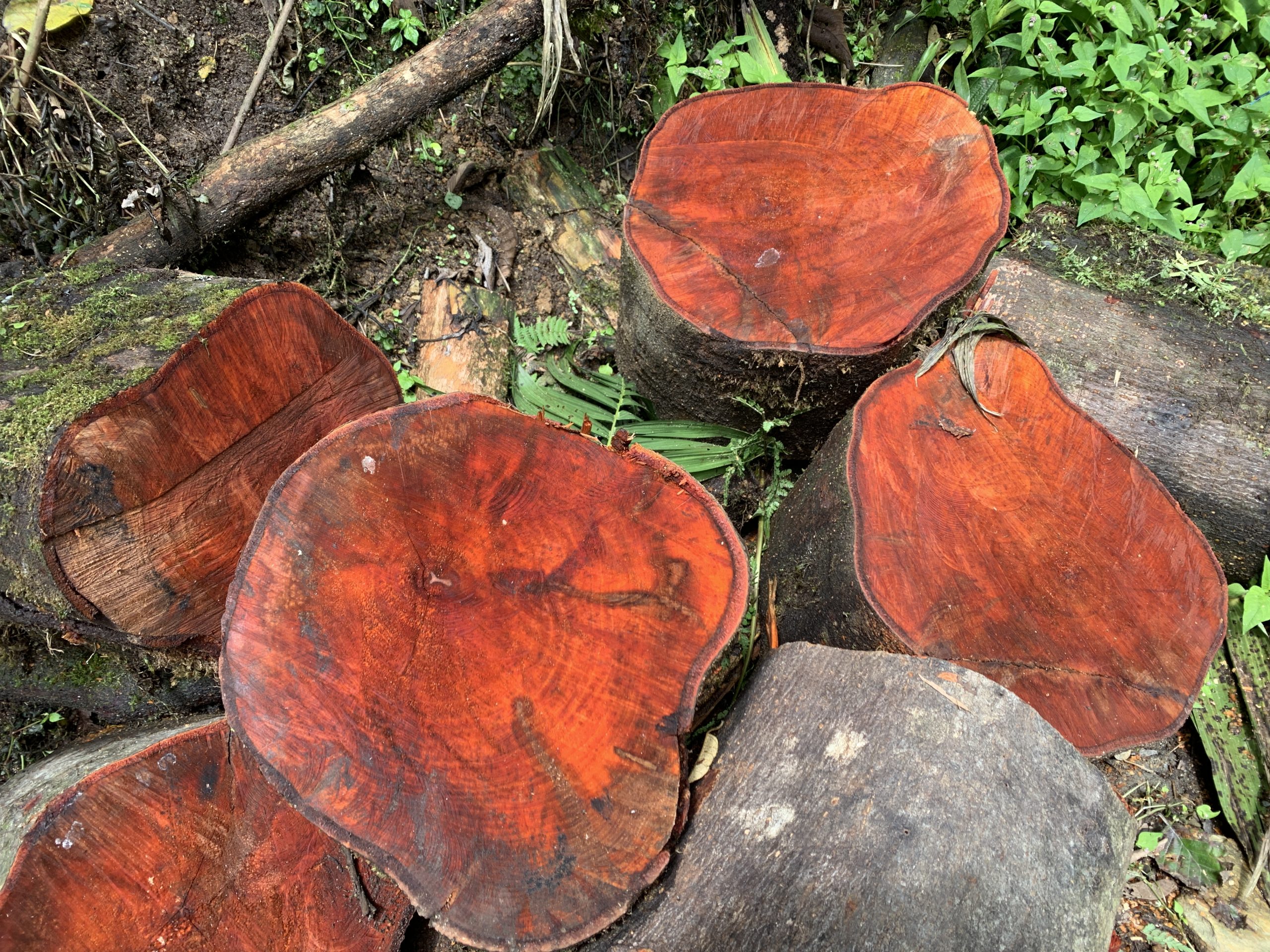
What I at first think are felled, reddish trees turn out to be flat-topped rocks. You might forgive me for making this mistake. The photo on the right shows some felled trees that I saw later on in the trip, in the cloud forest in the Rio Blanco Nature Reserve, not far from the town of Manizales.

We see lots of birds, including hummingbirds and flower piercers. I’m no good at bird photography, but I can tell you about some of them. While hummingbirds slurp nectar from flowers with their long tongues, the birds called flower piercers “cheat”. They make a hole in the base of the flower and eat what drips out. In doing so, they ruin the flower.

After our hike in the mountains, we drive to a hummingbird observatory in Calera. Here, hummingbird feeders attract more than 10 different species of hummingbird. There are other bird species here, too. I won’t bore you with long lists of species, but just tell you about some of the few I manage to take pictures of.

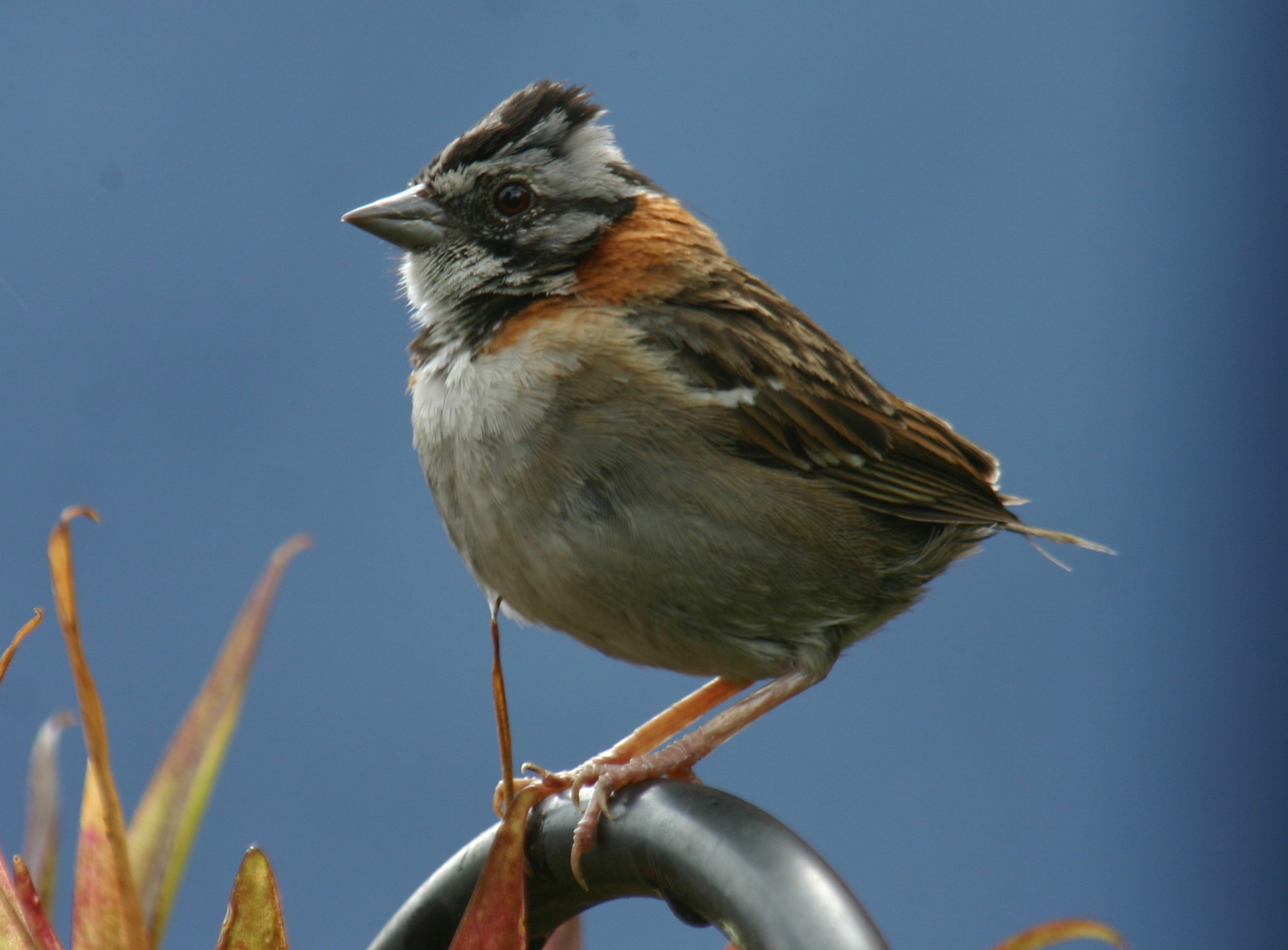
The ubiquitous rufous-collared sparrow is a plump little cutie. Here is the only successful photo I took with my horribly heavy and unwieldy SLR camera and telelens. (After a few days I stopped dragging it around with me everywhere and just used my cell phone.)

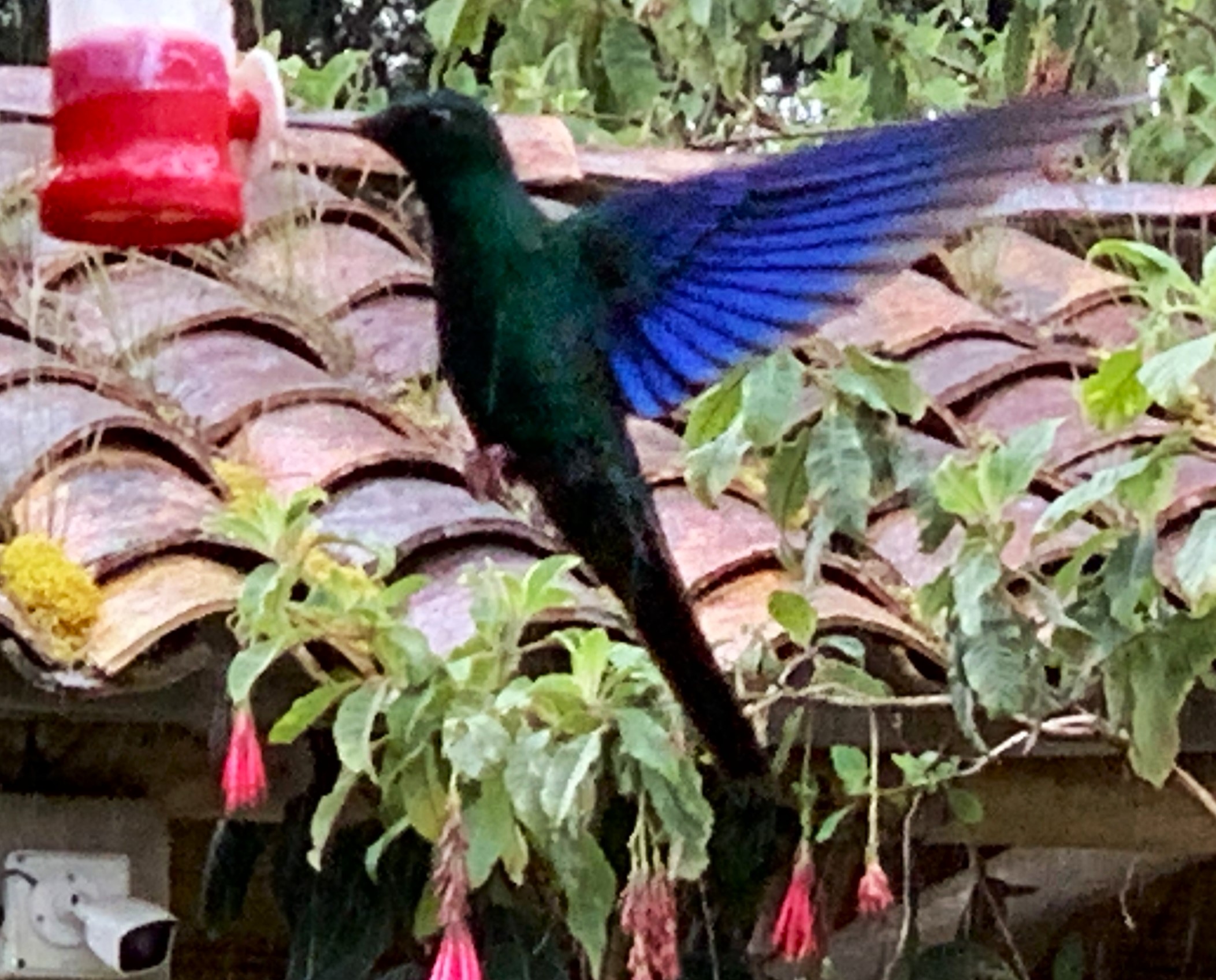
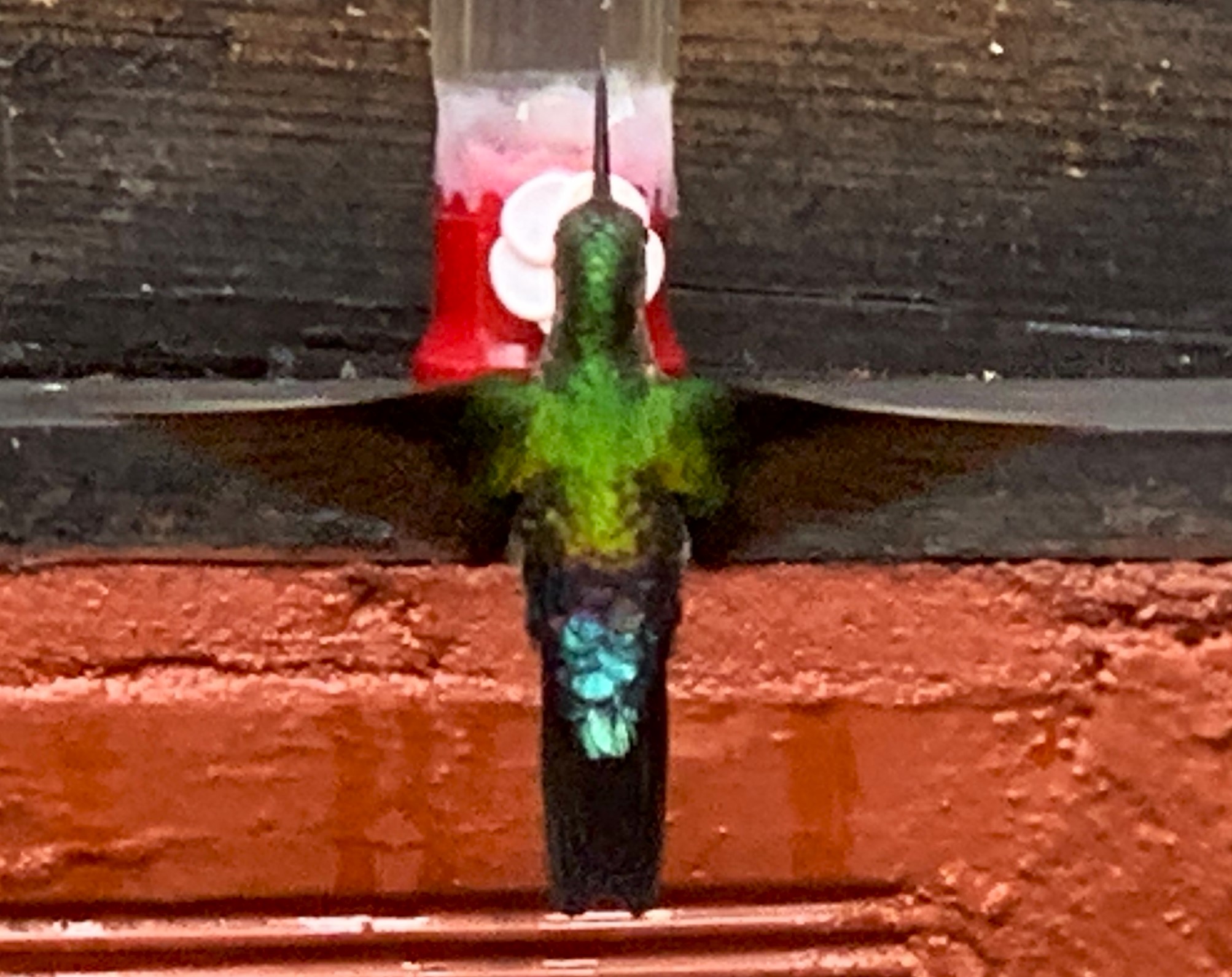
The hummingbird Great Sapphirewing (left) has deep-blue wings. The Sparkling Violetear (right) shimmers in the sunlight.

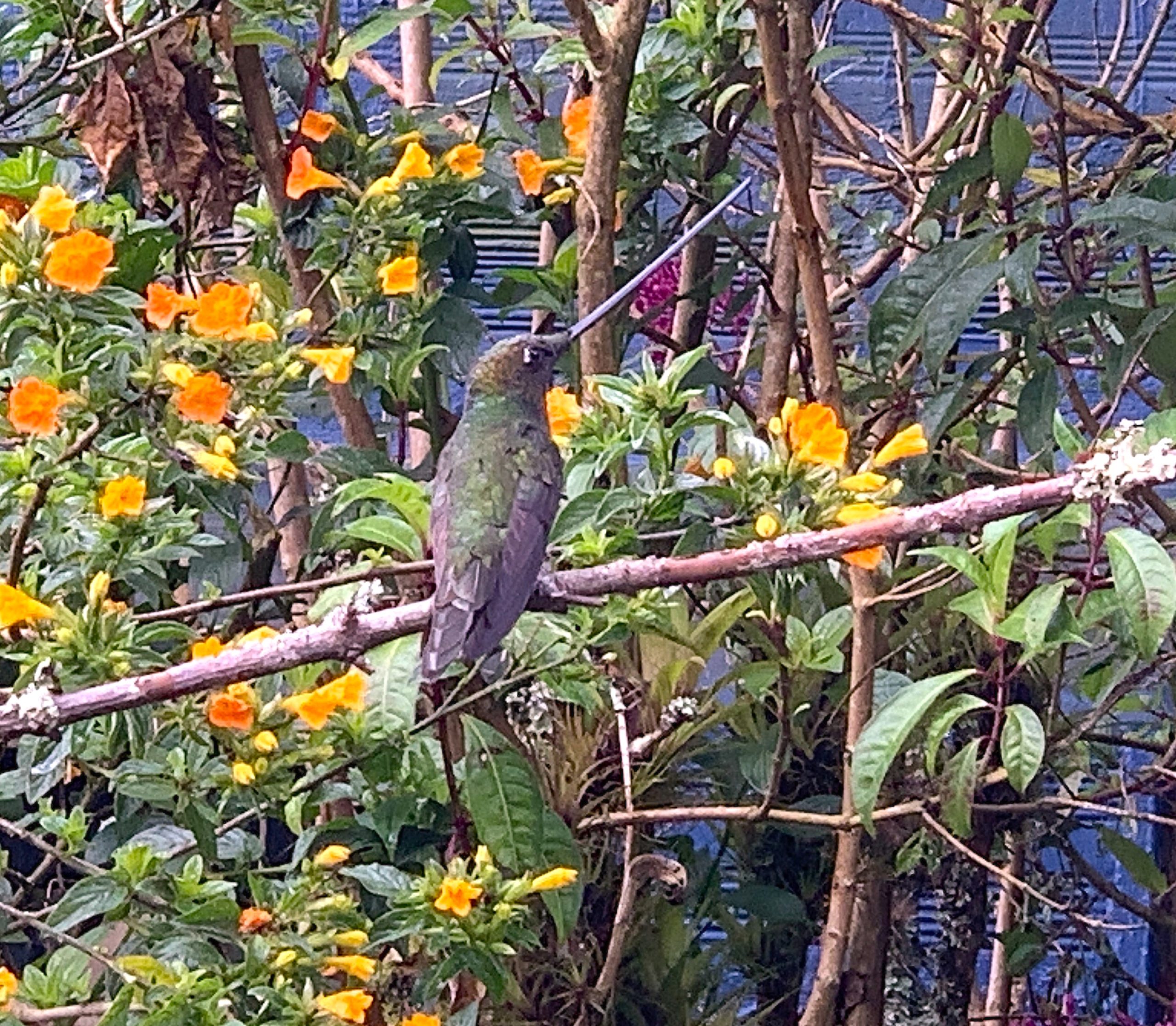
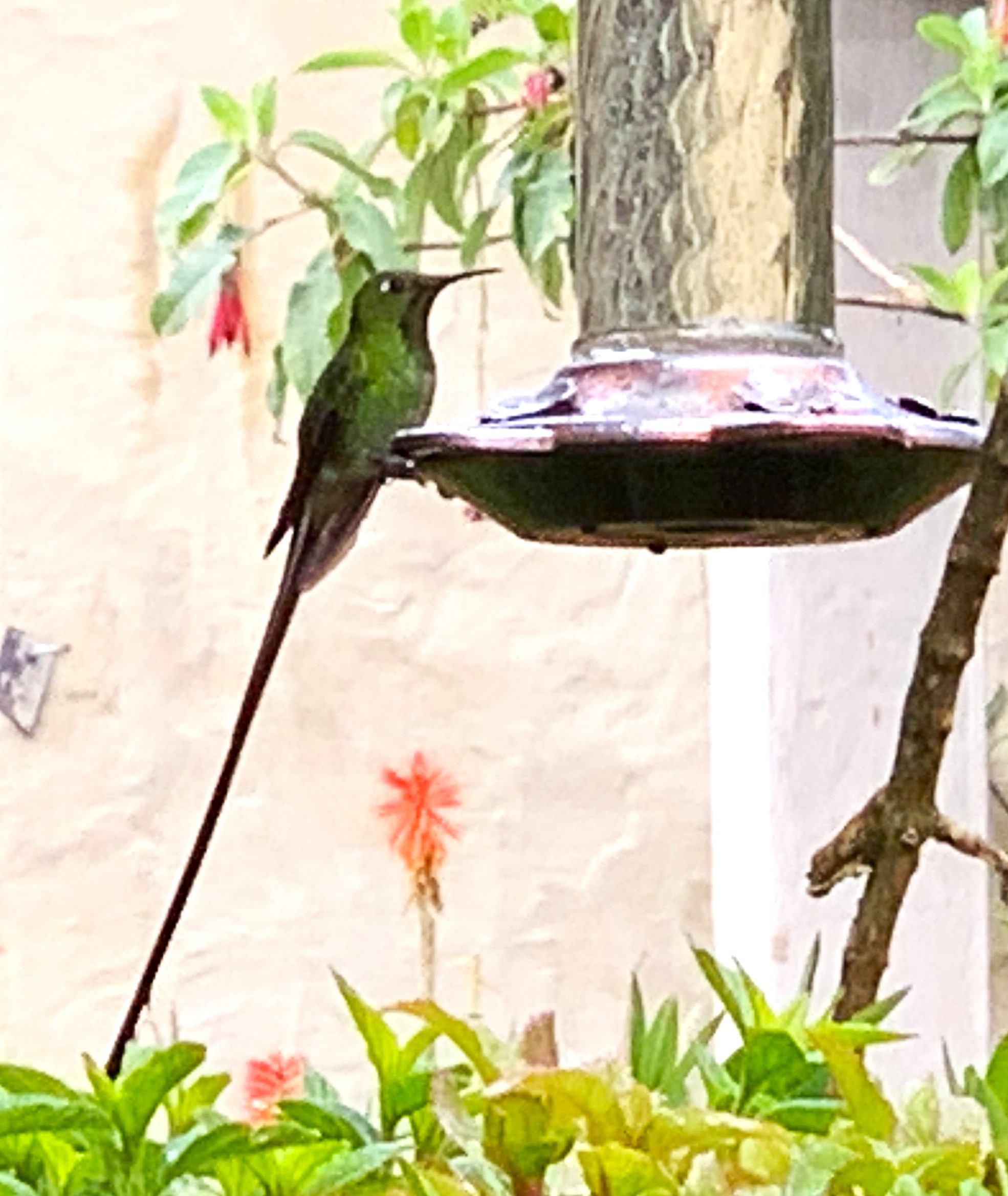
The Sword-billed Hummingbird (left) has an extraordinarily long beak while the Black-tailed Trainbearer (right) has a very long tail.

On this, the first day of my Colombian nature adventure, I spot a total of 24 bird species. That’s more than I see in my garden in Denmark in a whole year. I know the avid birders in our group saw and photographed even more species.