After days in the stifling heat and humidity of the jungle we head for the hills and cloud forests.
One of the places we visit in Colombia is Los Nevados National Park high up in the central Andes Mountains, west of Bogotá and south of Medellin.
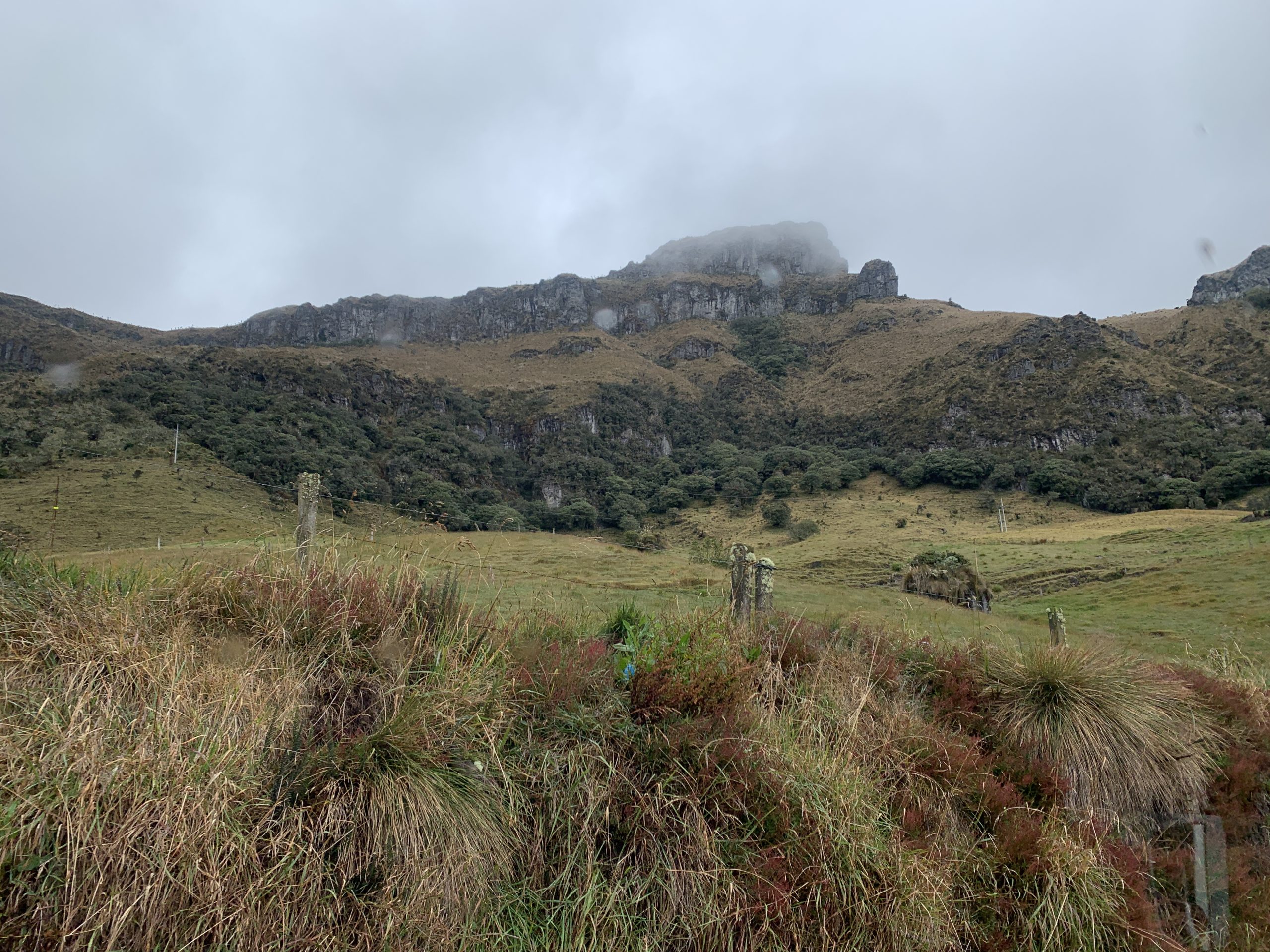
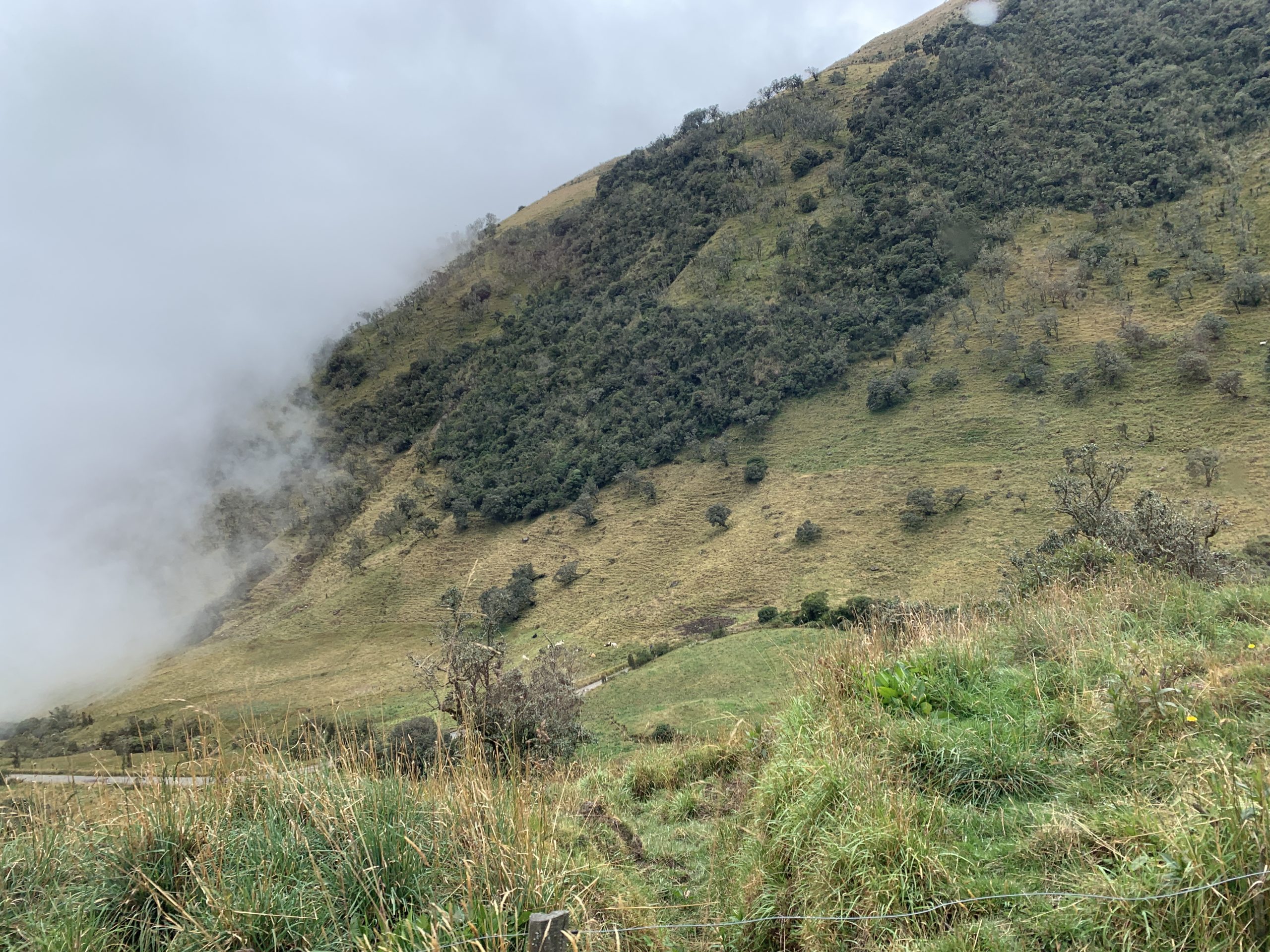
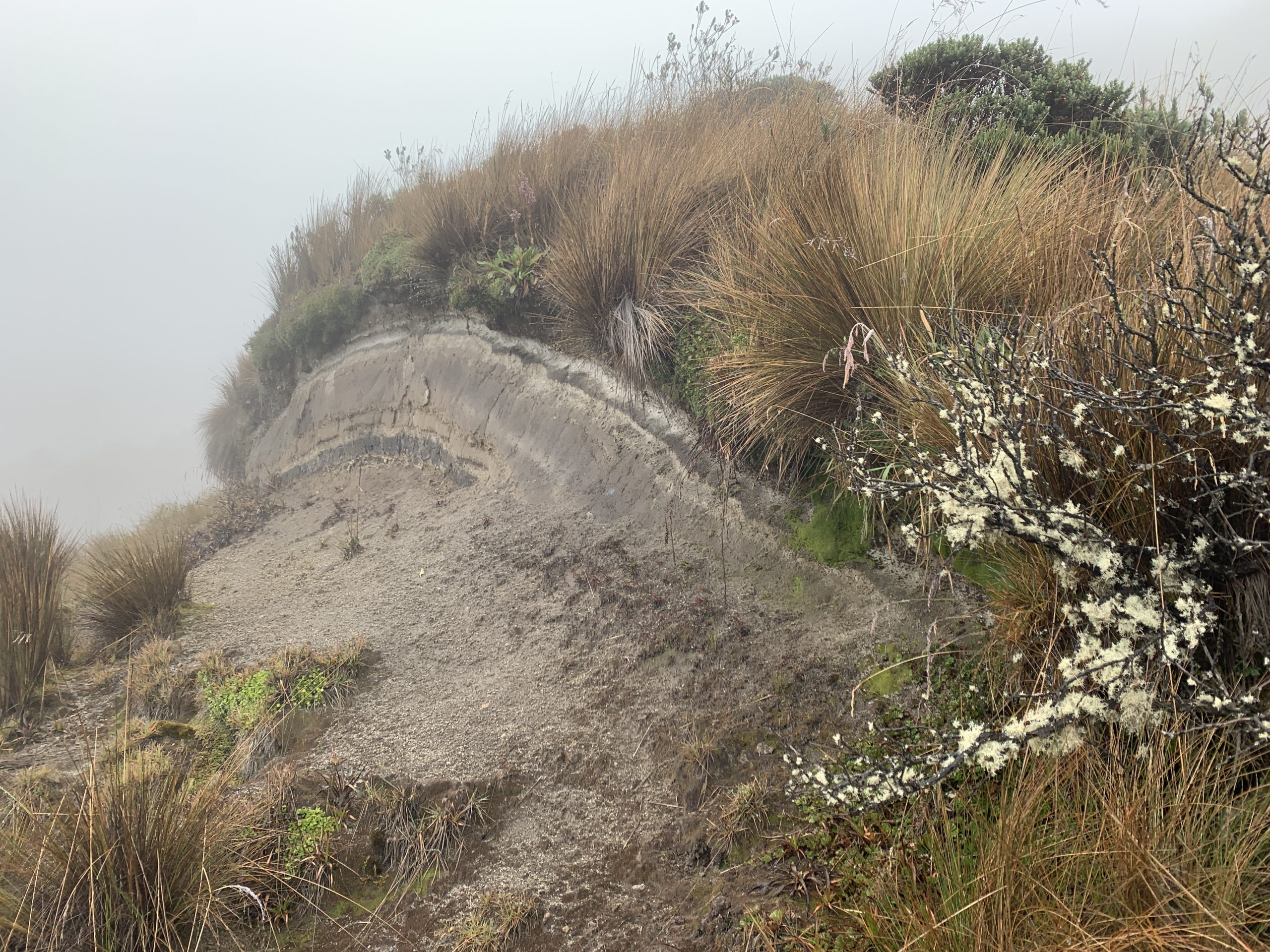
The national park sits at the foot of Colombia’s most active volcano, Nevado del Ruiz, which is 5300 metres above sea level. (That is about the same altitude as Mount Everest’s base camps). We see traces of previous eruptions in the soil layers.
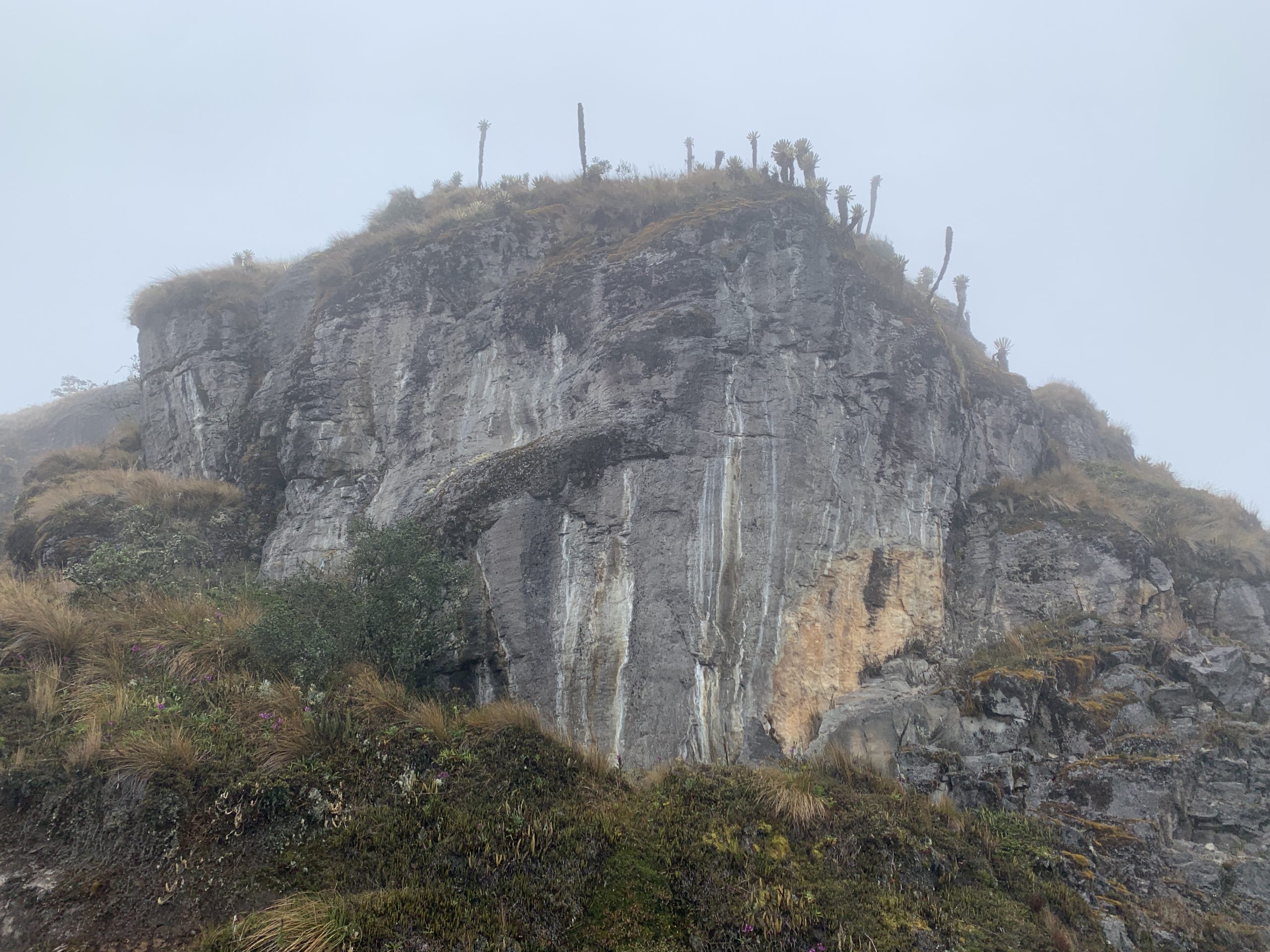
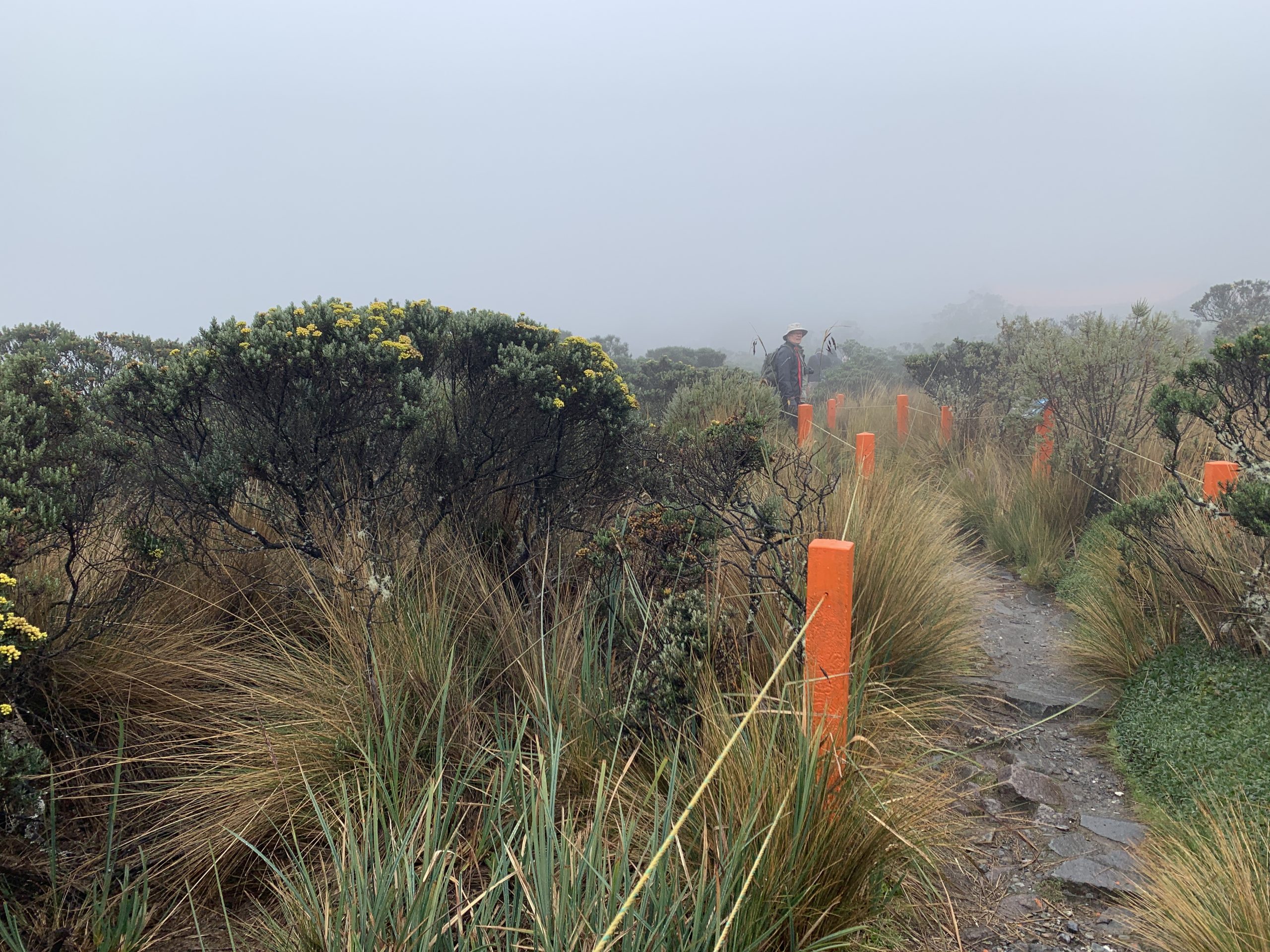
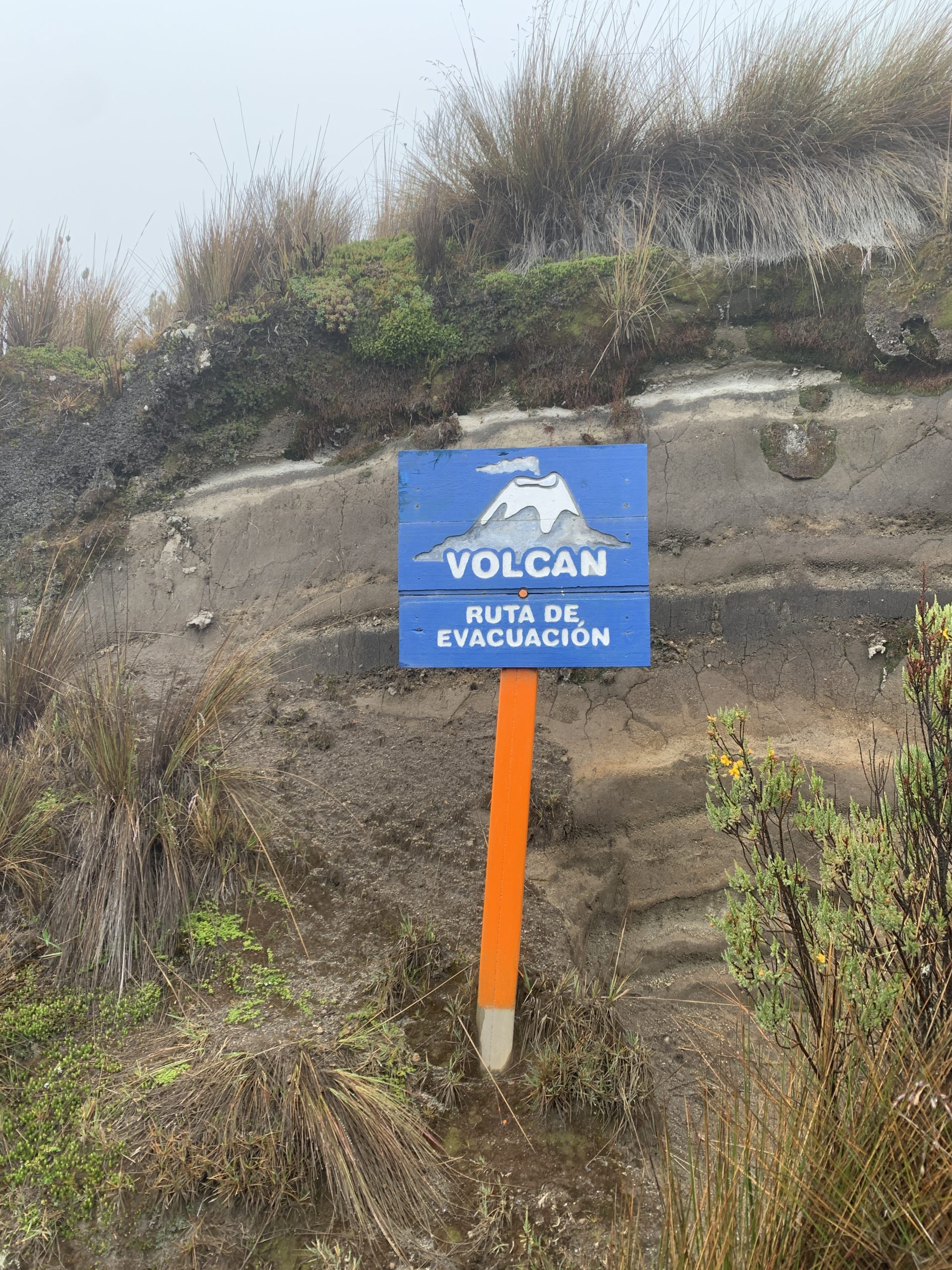
We are at almost 4000 metres above sea level. It is about 6 degrees centigrade, so quite the change from the 30+ degrees in the jungle. To keep us warm and alert and provide easily accessible energy at the high altitude, we are given cups of coca tea laced with palm sugar. It is monstrously sweet but delicious.
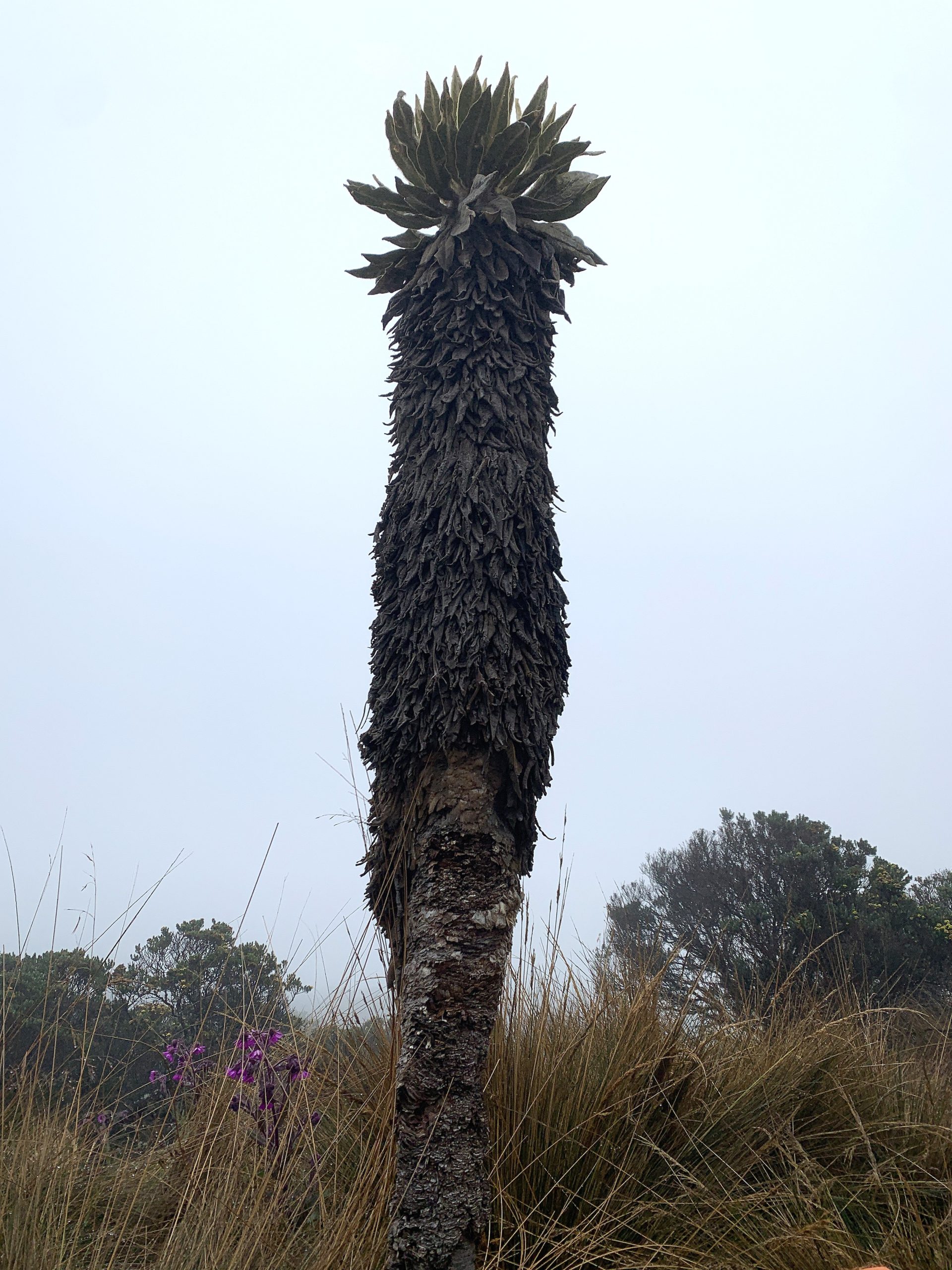
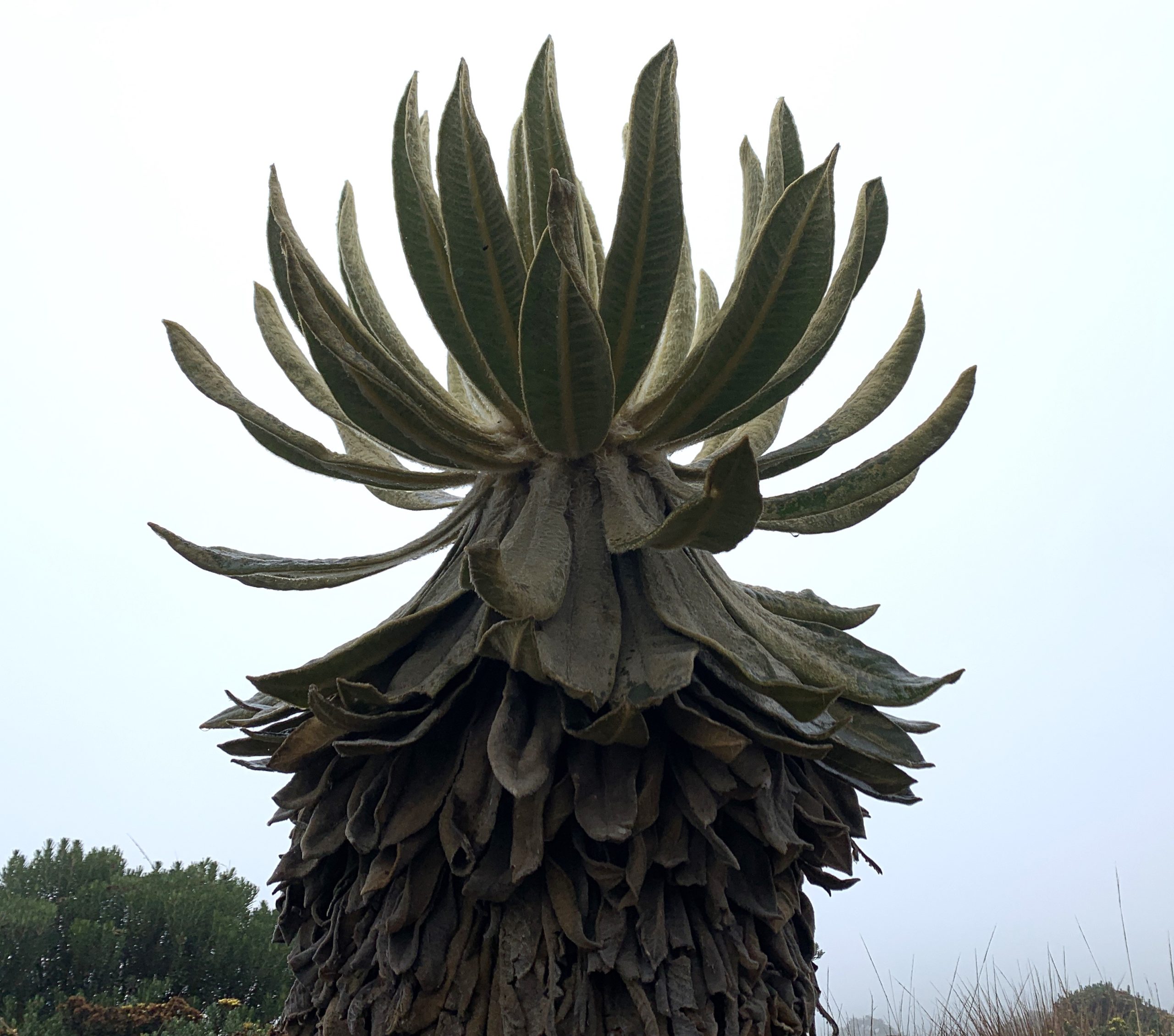
In the chilly environment of the cloud forest the plants’ leaves close tight around themselves to preserve heat.
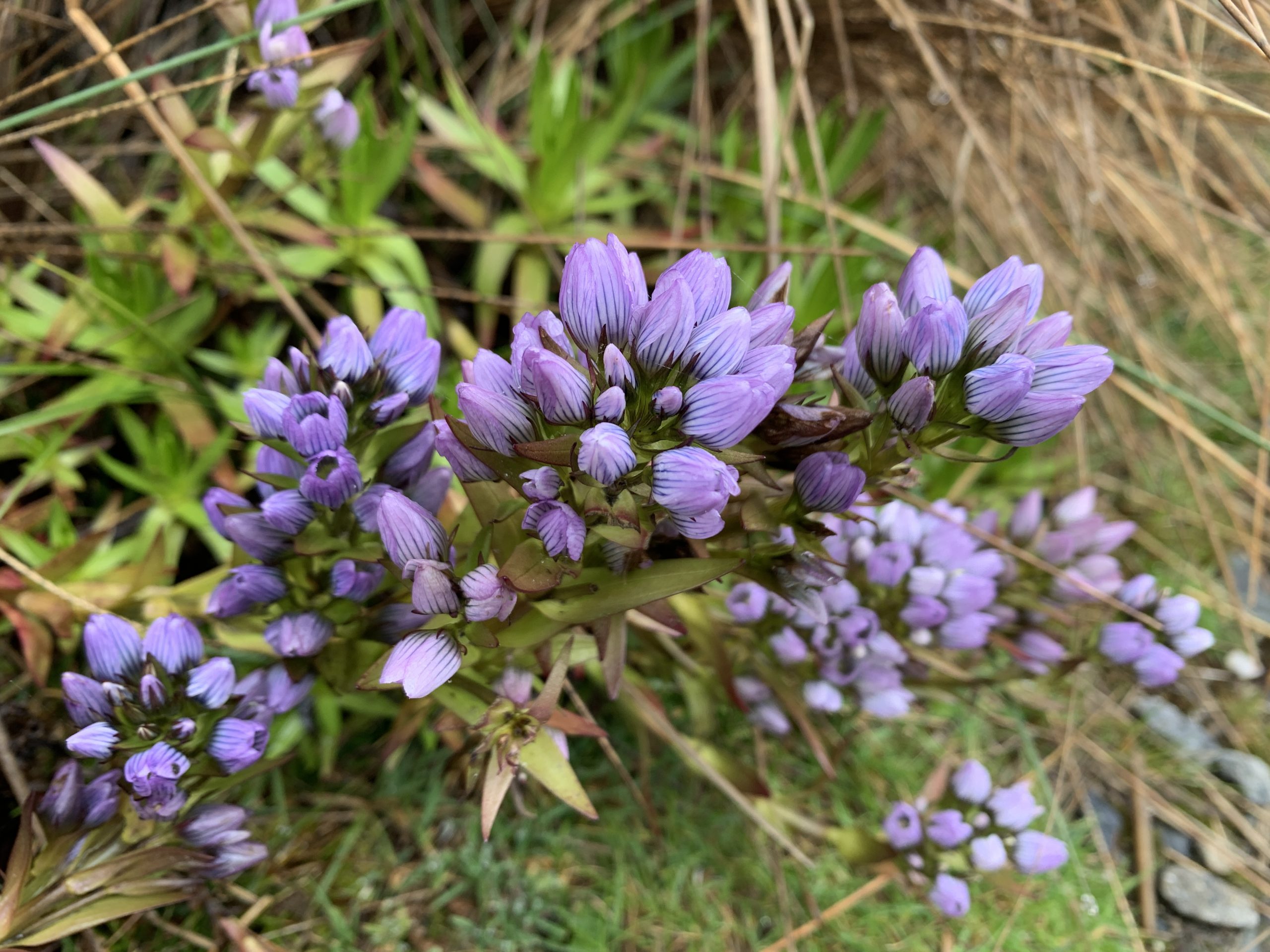
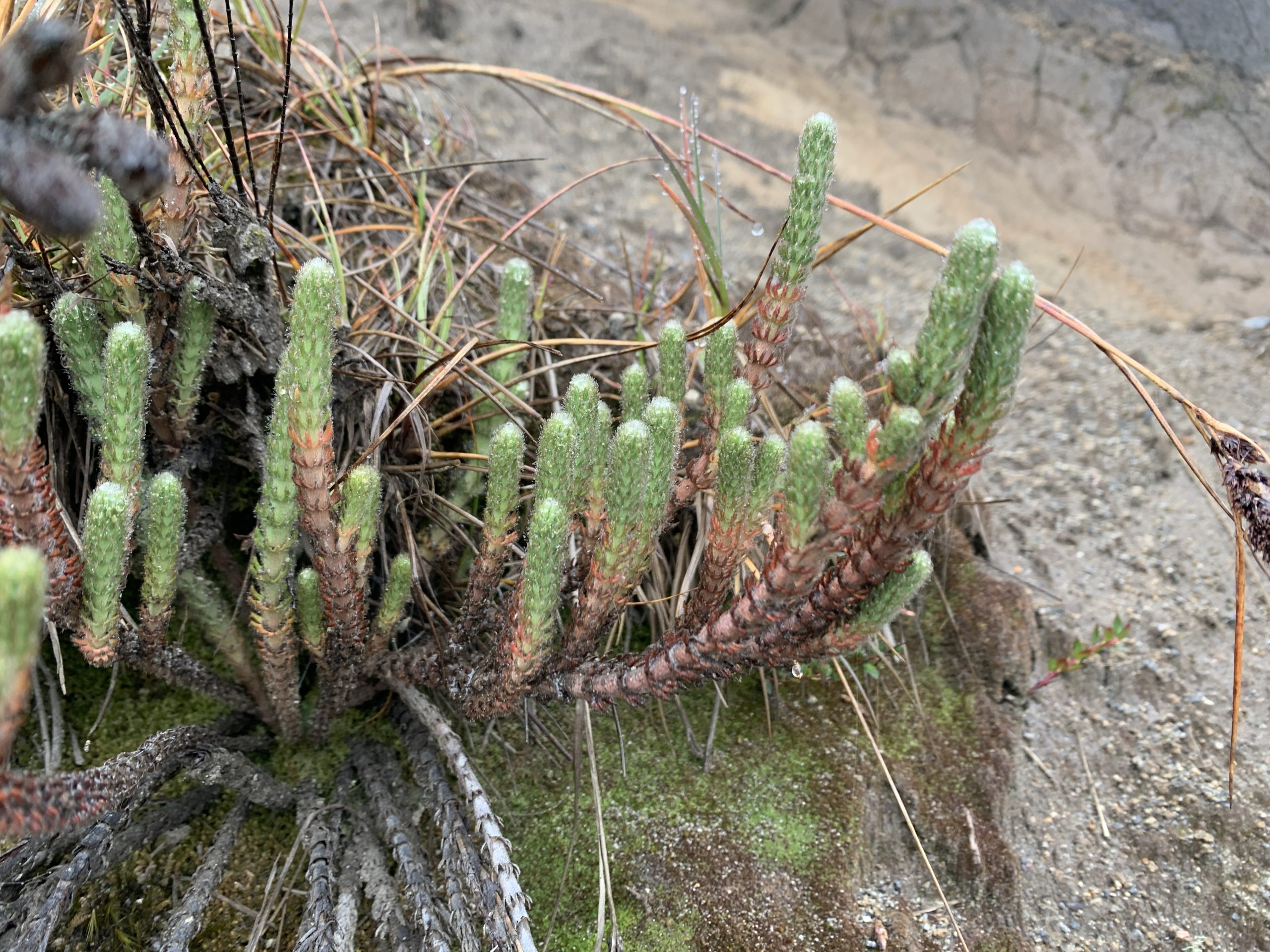
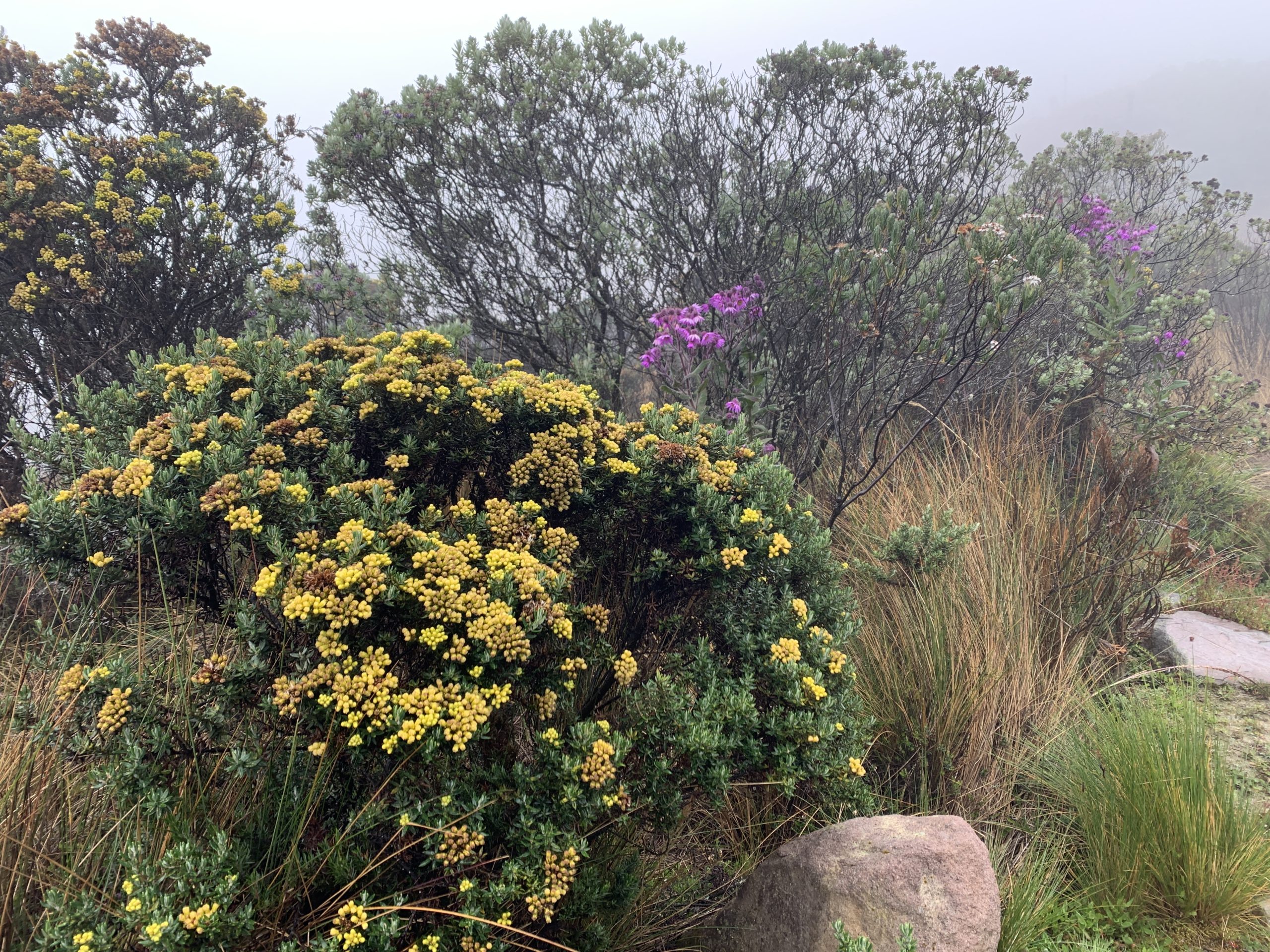
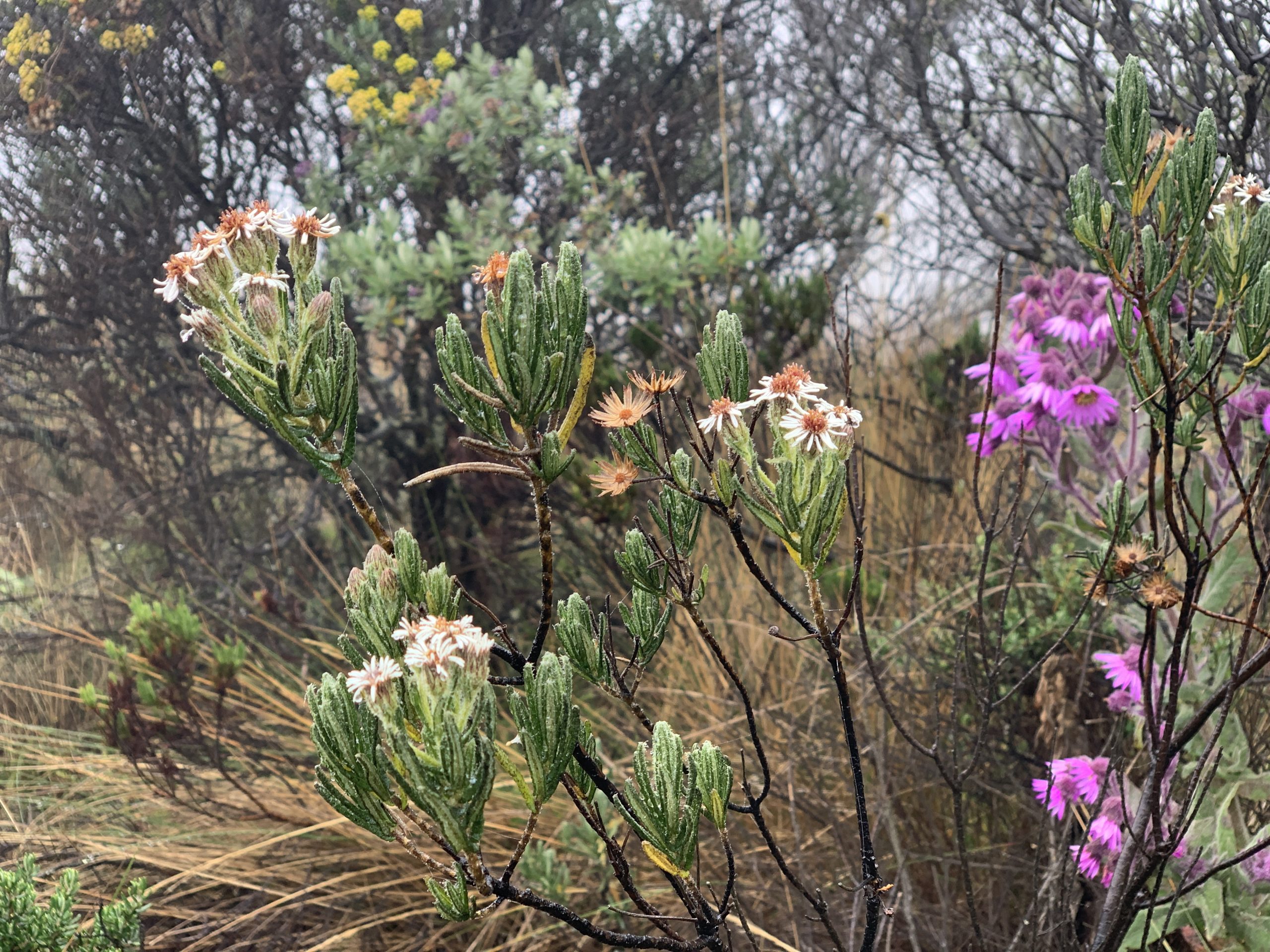
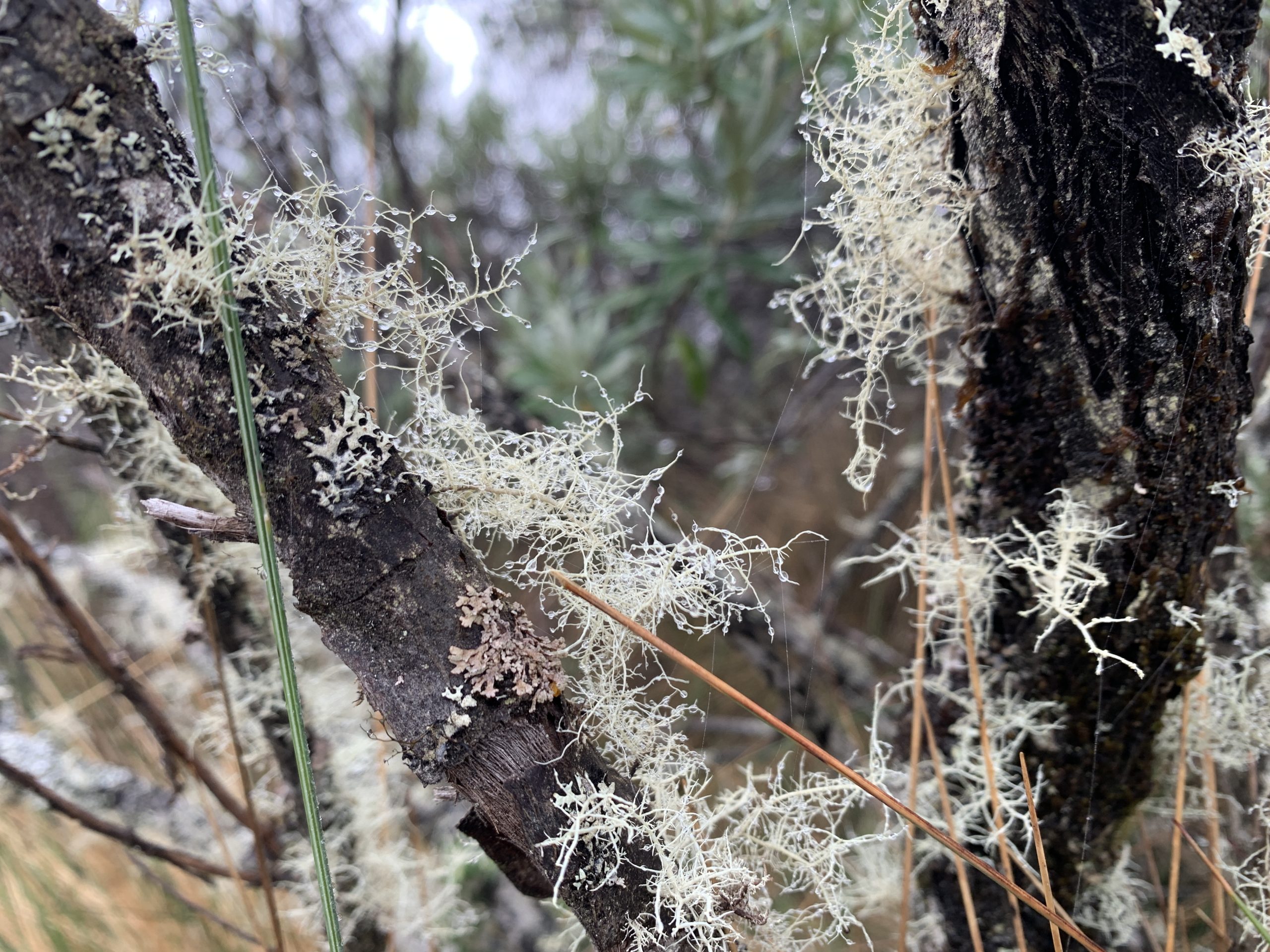
In the cloud forest plants have adapted to catch moisture from the air or have a waxy surface to prevent evaporation.

Espeletia, plants, commonly known locally as frailejones (big monks) are an important example of this. They have thick trunks and succulent hairy leaves. Espeletia capture water vapor from passing clouds in their spongy trunks and release it through their roots into the soil. This process helps create high-altitude subterranean water deposits and lakes. The water eventually trickles down through streams, rivers and waterfalls, providing Colombians with drinking water.
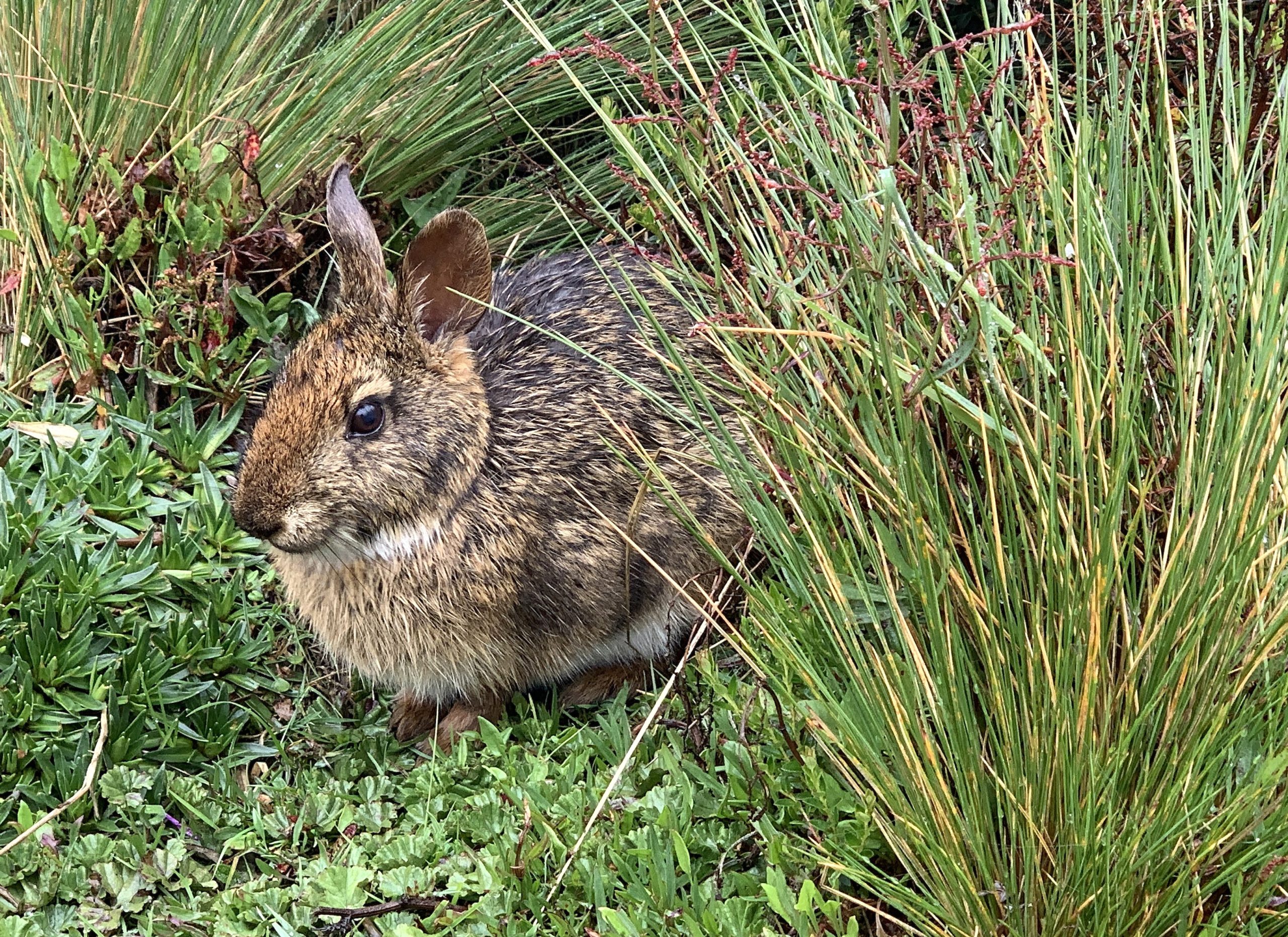
An Andean tapeti, a species of cottontail rabbit native to Colombia and other countries in the region, emerges from behind a tuft of grass in the fog. According to Wikipedia, not much is known about the biology of the Andean tapeti, so if some biology student out there is looking for an animal so study, then here is a potential subject.