
Colombia is one of the most biodiverse nations in the world. I set out to have a look.
I am a biodiversity freak. Nature’s countless varieties of plants, fungi and animals, how their lives are interwoven with each other, and how they adapt to their surroundings is endlessly fascinating to me.
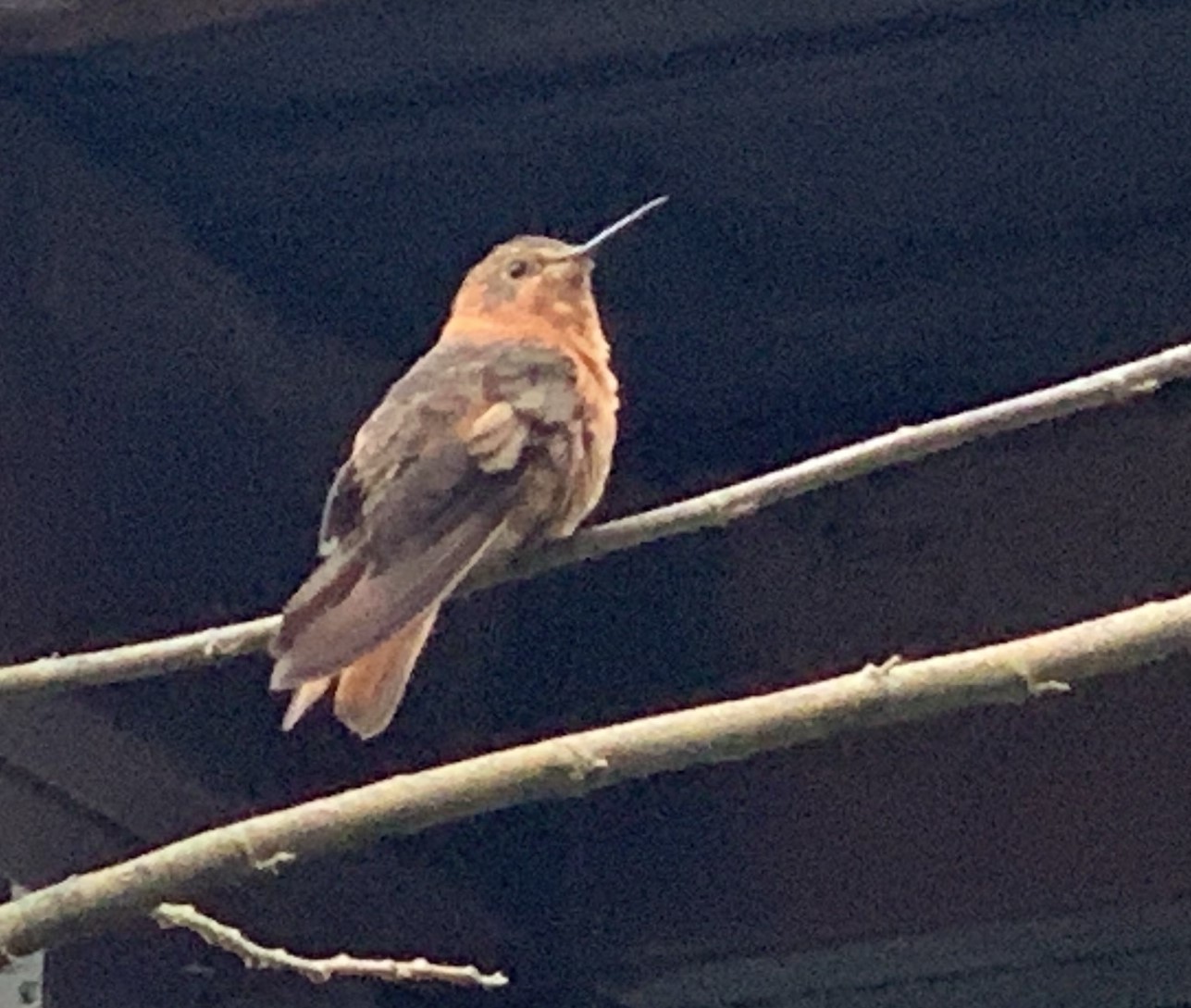
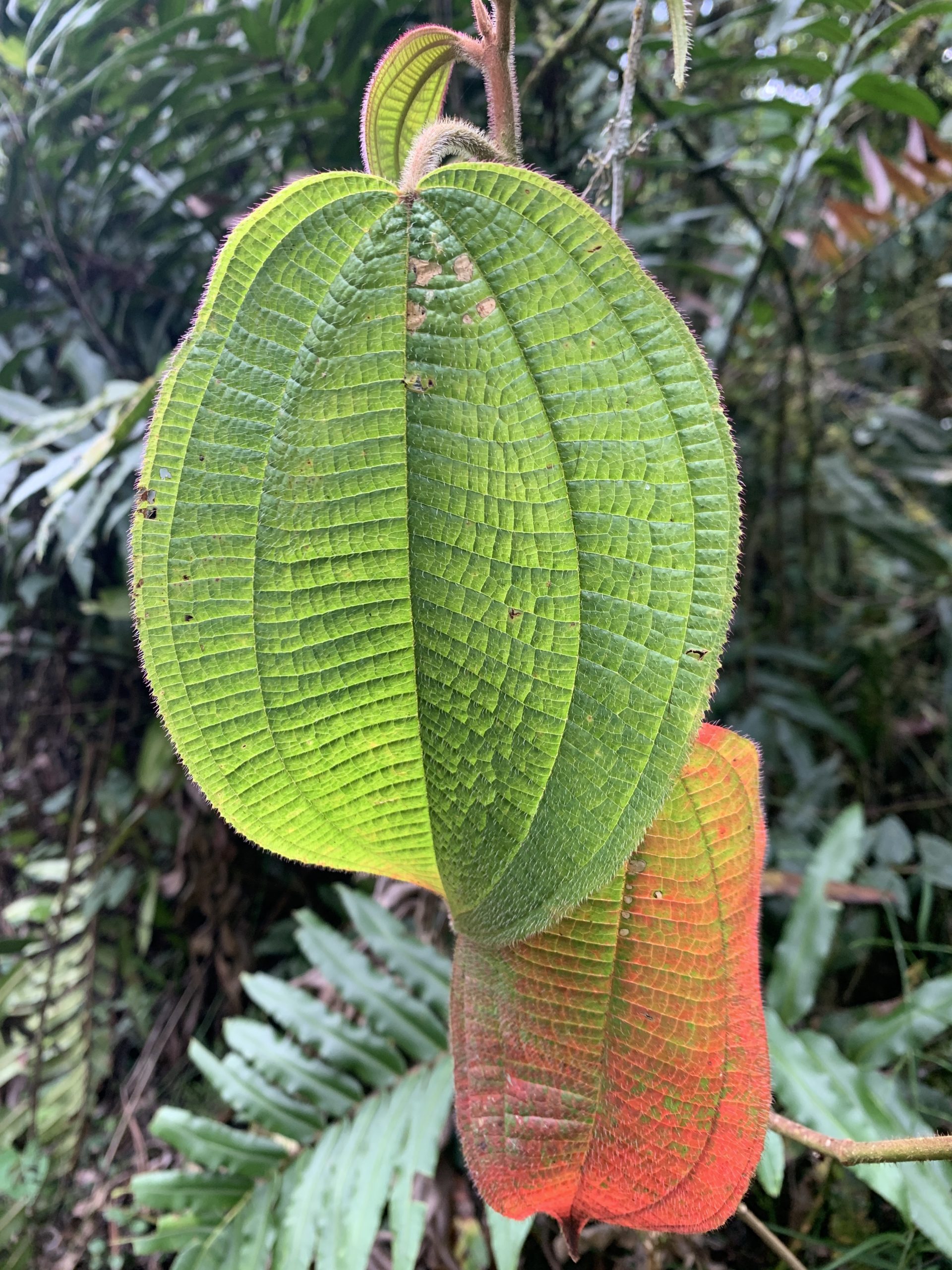
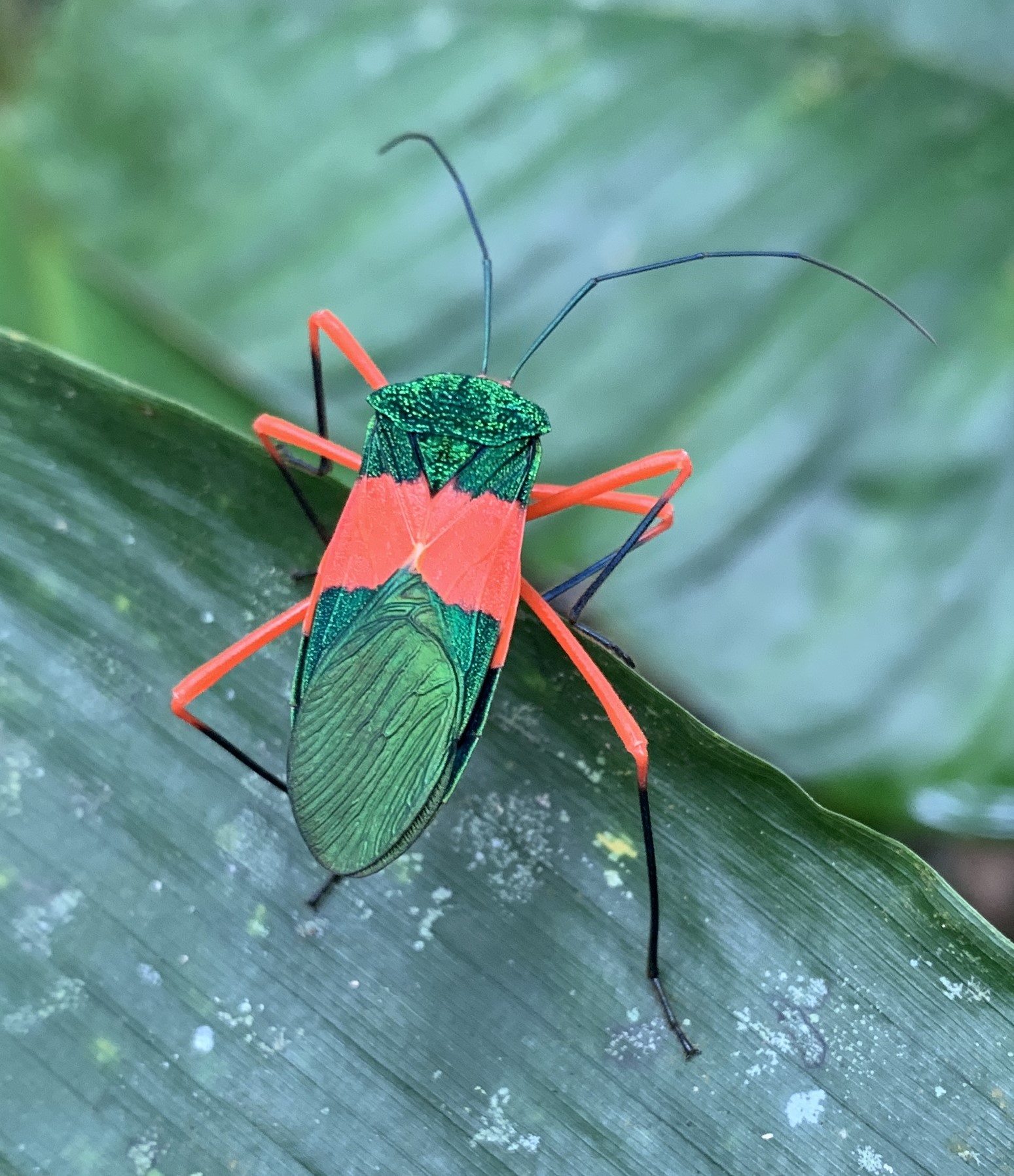
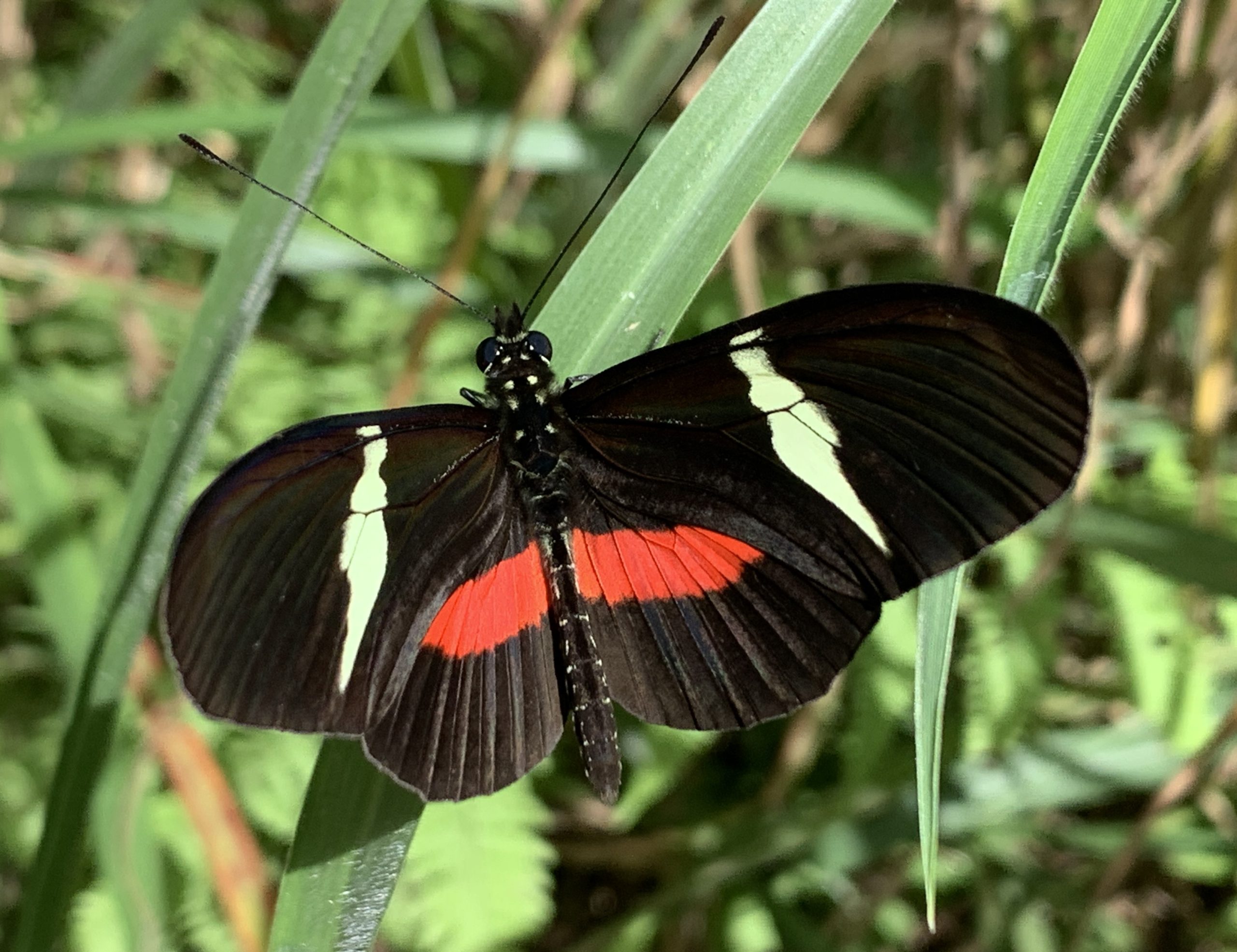
That is why I have chosen to travel to Colombia. It is a biodiversity hotspot. It tops the world list with regard to number of bird species (a whopping 1871 according to BirdLife.) It also tops the list with regard to most orchid species (4,499, about half of which are endemic to Colombia, i.e. only seen here). As if that isn’t enough, Colombia is number two in the world with regard to number of species of butterflies, fish and amphibians, number three regarding reptiles, and ranks number six with regard to mammal species. So this is the place to head for if you like to see a lot of different forms of life.
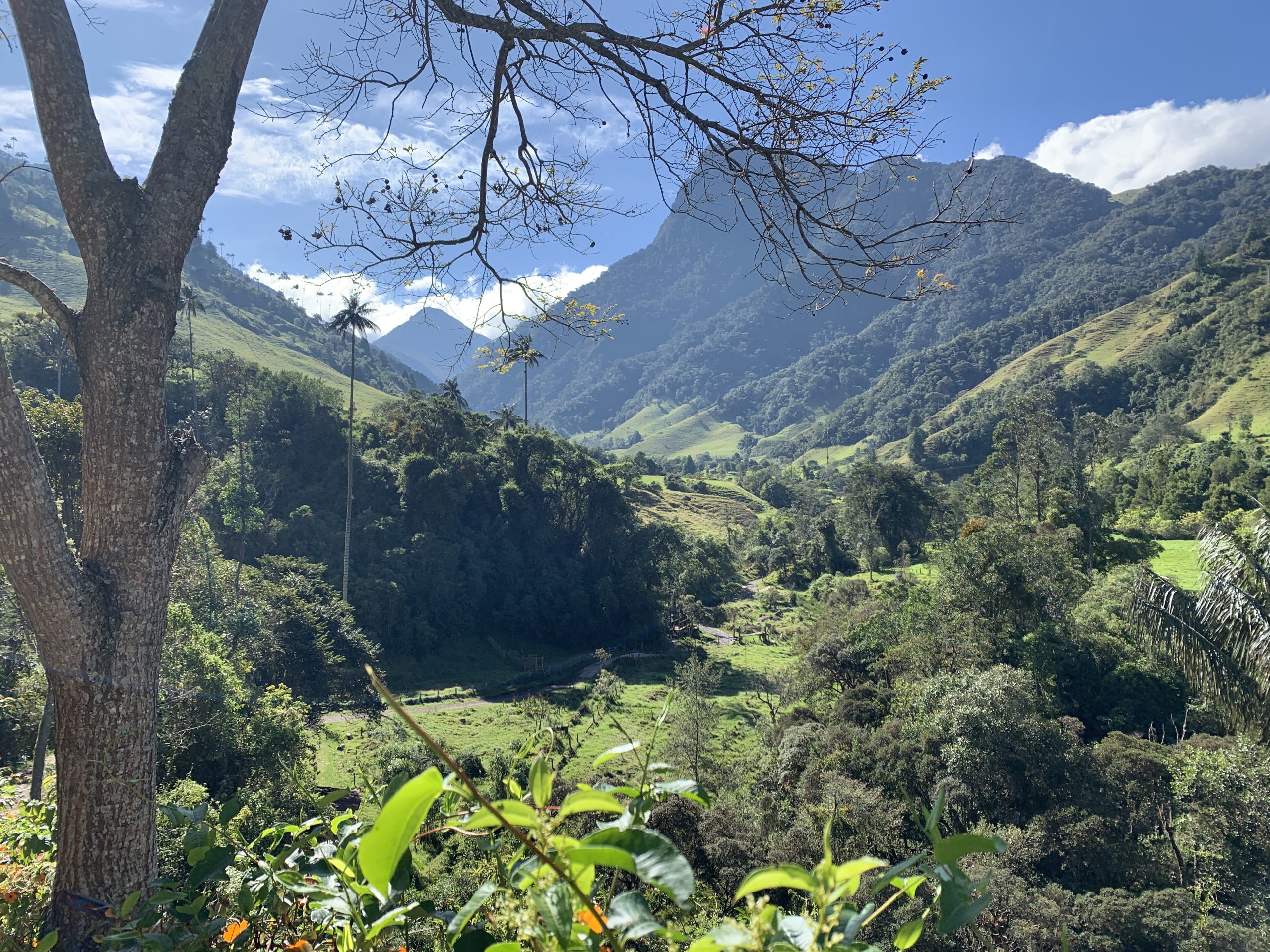
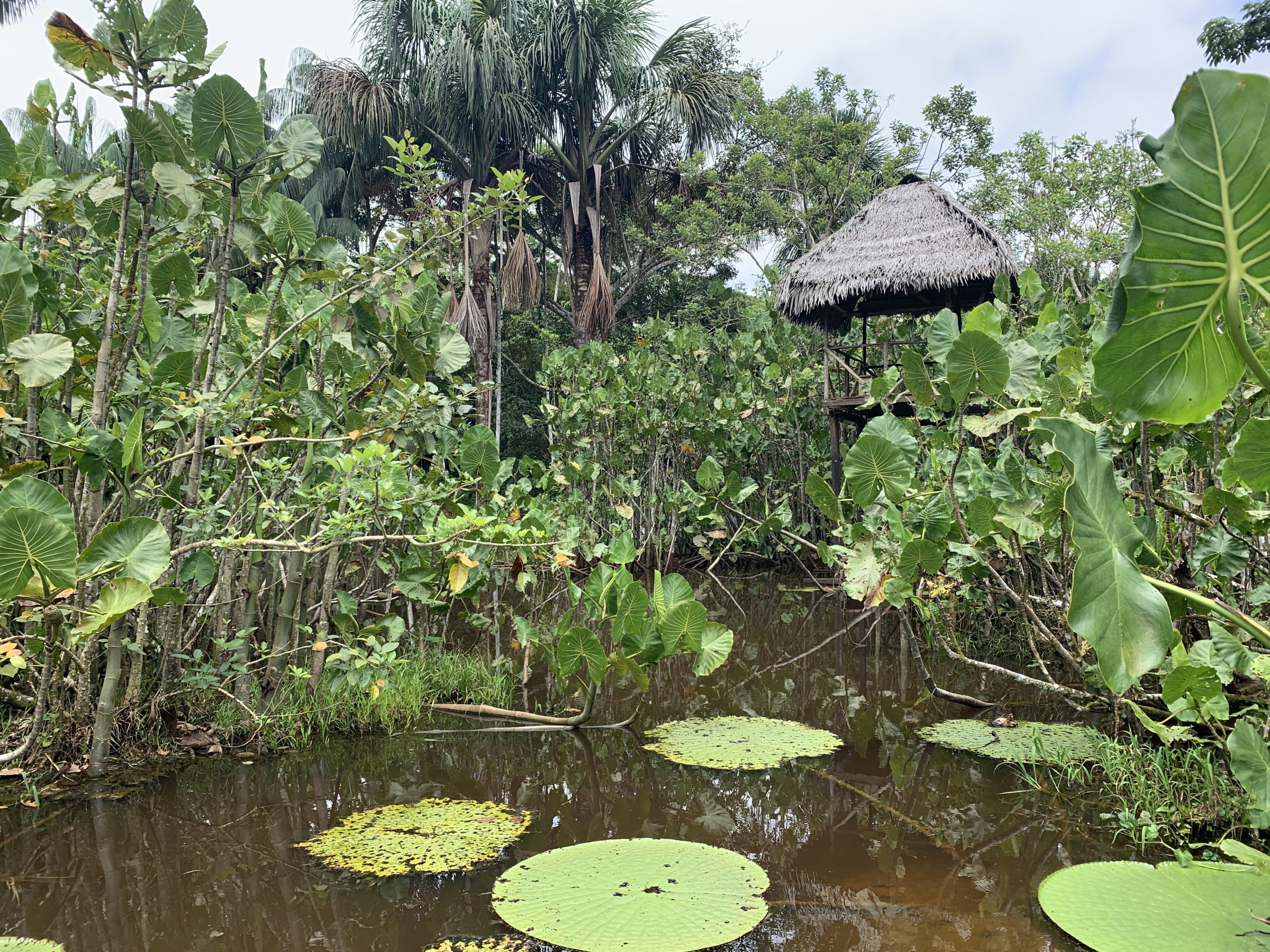
Why so much life? Colombia is a large country that has many different biotopes, from the cloud-reaching Andes Mountains in the west to the steamy Amazon rain forest in the south – and a whole lot in between. Join me as I take you through some of the wonders I experience.
A walk in the mountains
On my first day of exploring Colombia, with a group of nine other people from Denmark, I trek through Chingaza National Park in the eastern Andes Mountains. The mountains are blanketed in fog as we walk at a height of about 4000 m above sea level in the 76,600 hectares large park. The mist makes things look mysterious and a bit spooky.
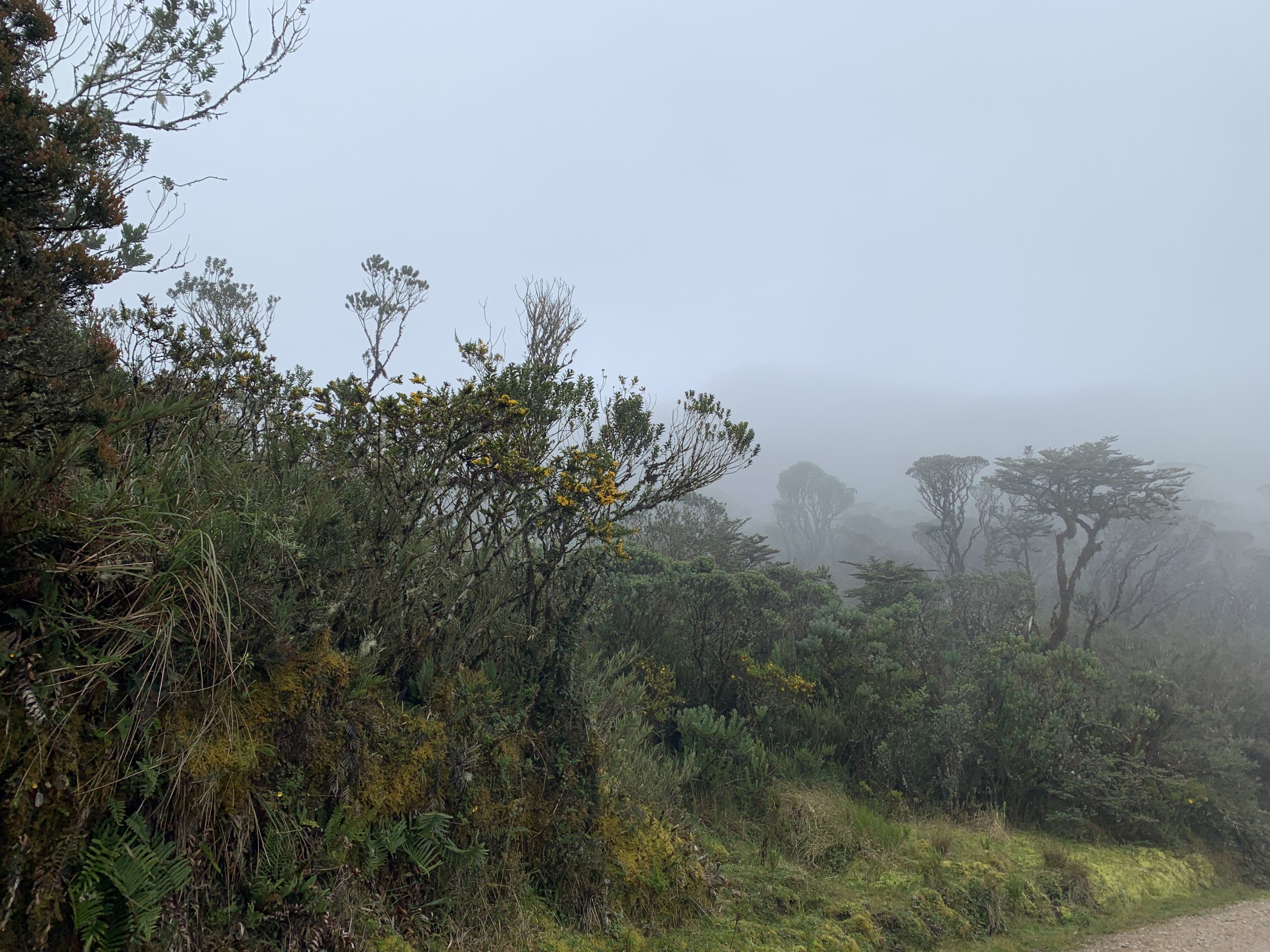
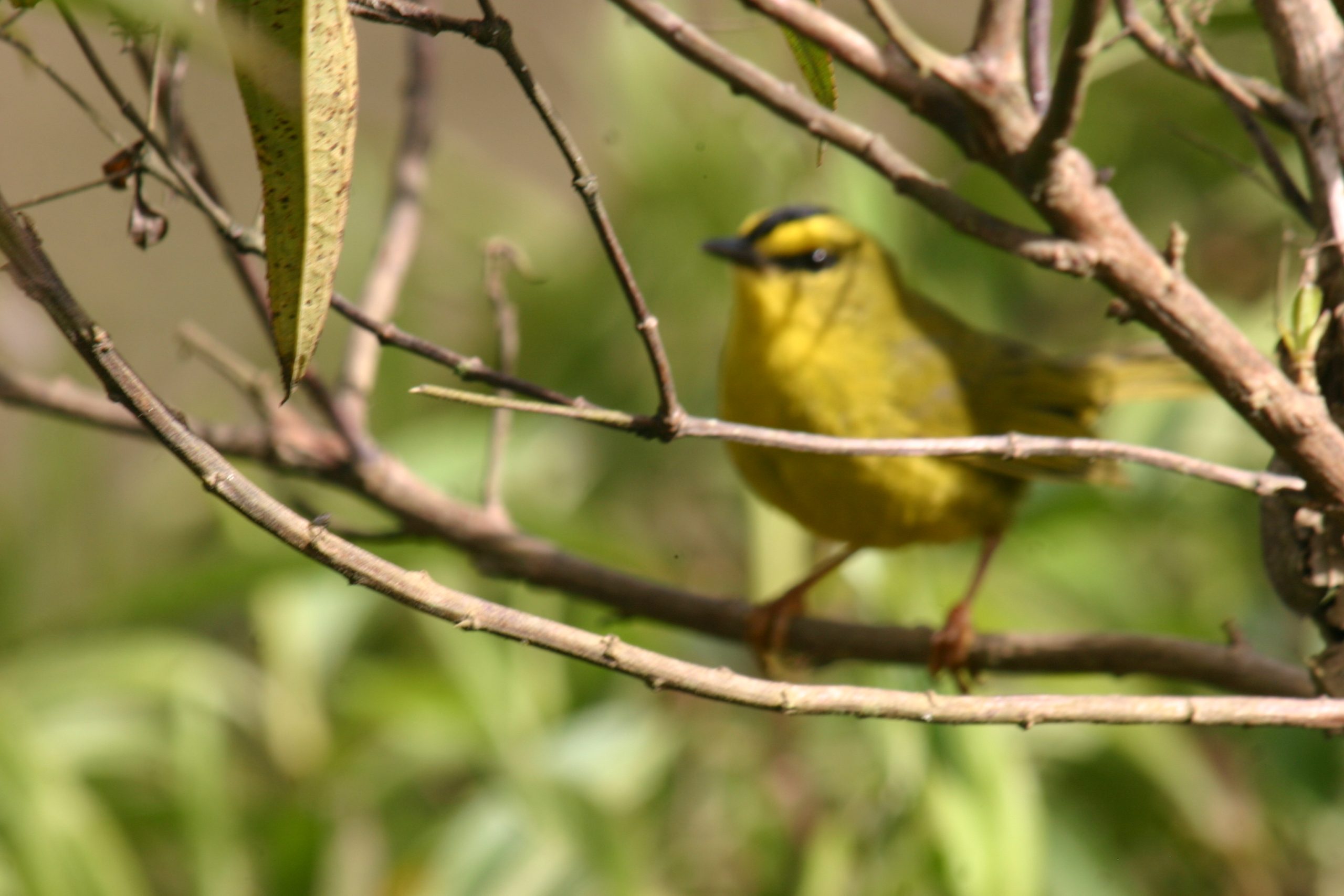
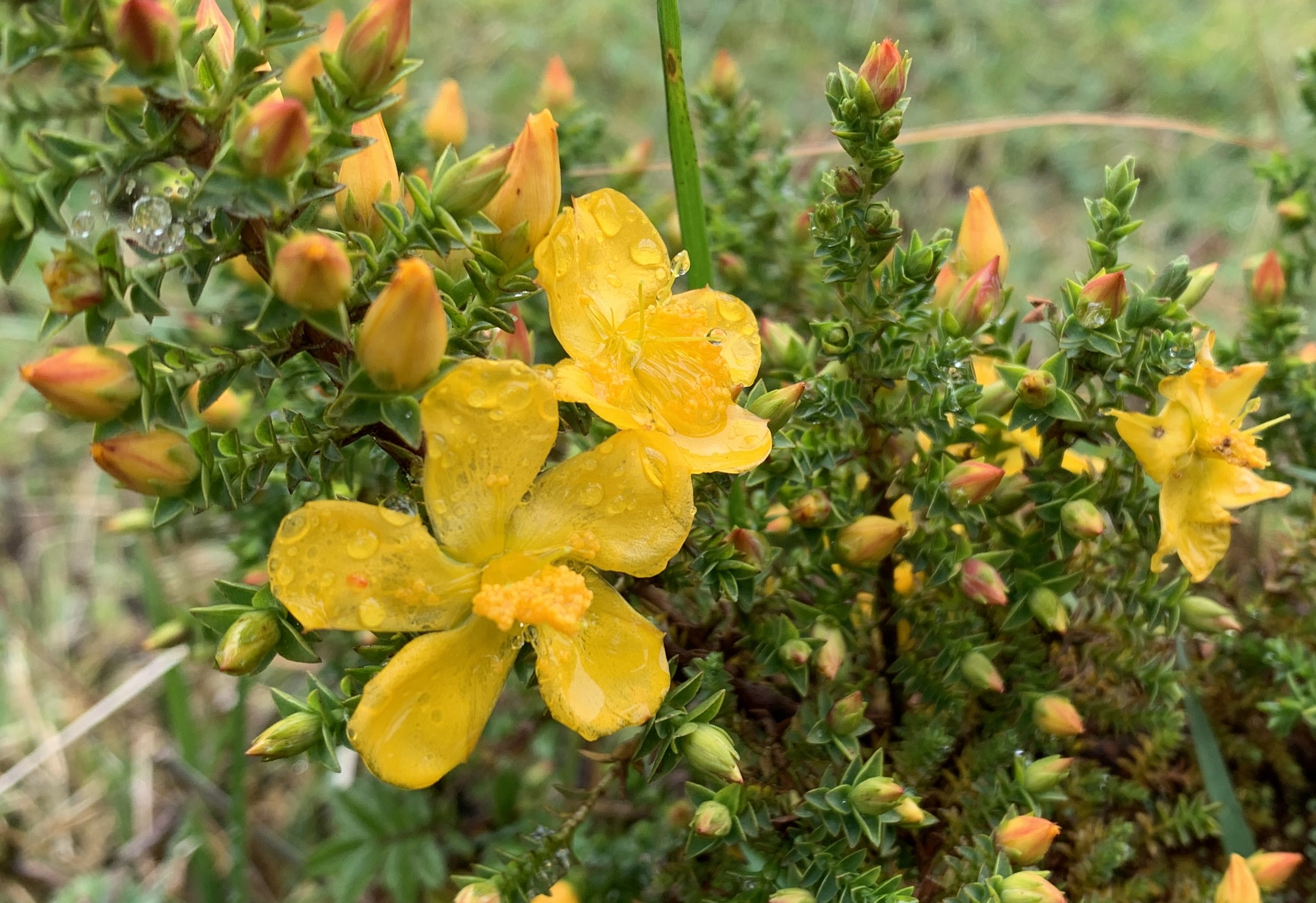
Various blooms, berries, birds and lichens brighten the greyness. A black-crested warbler peeks at us from behind a branch. Yellow flowers brighten the day.
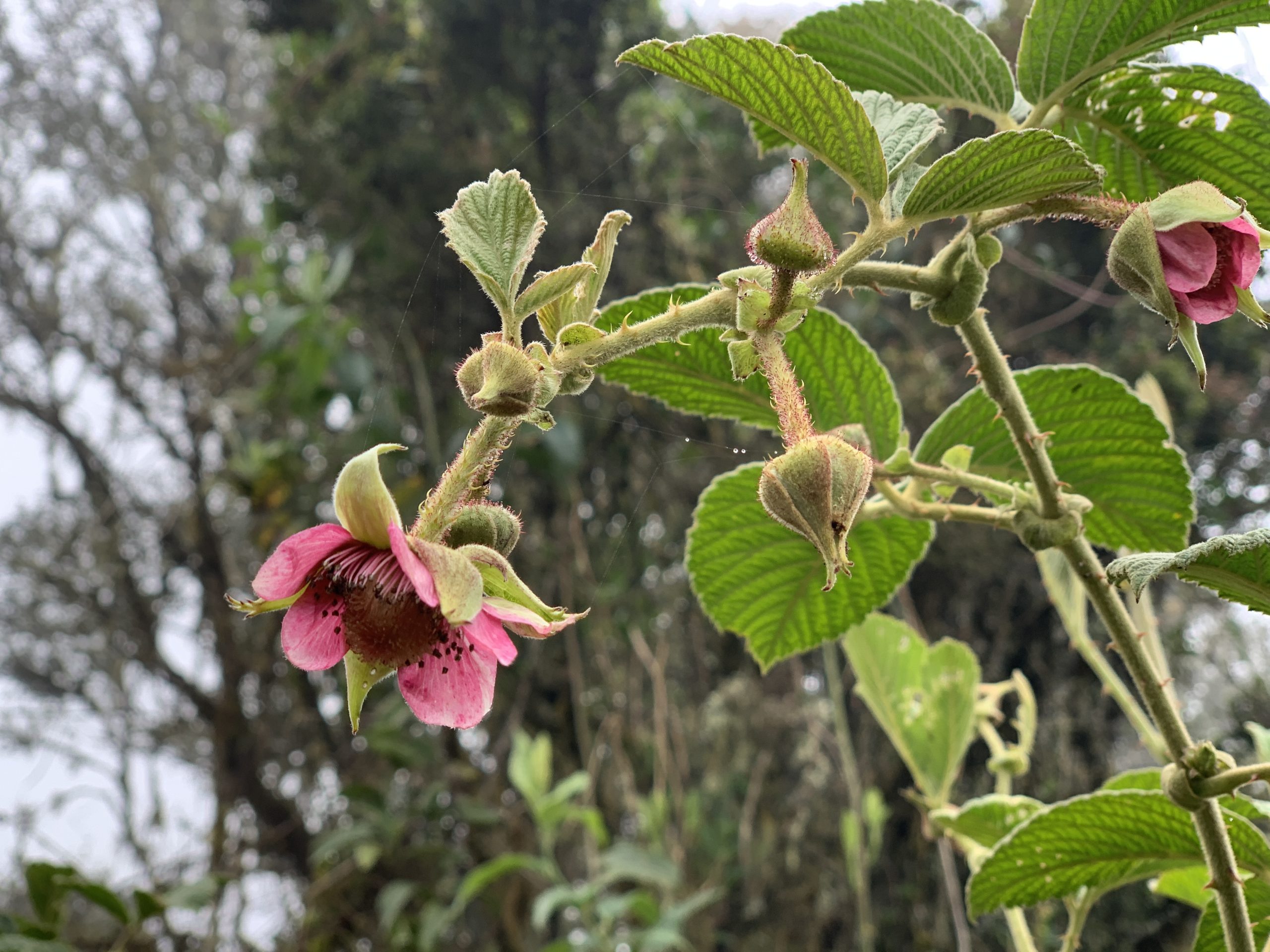
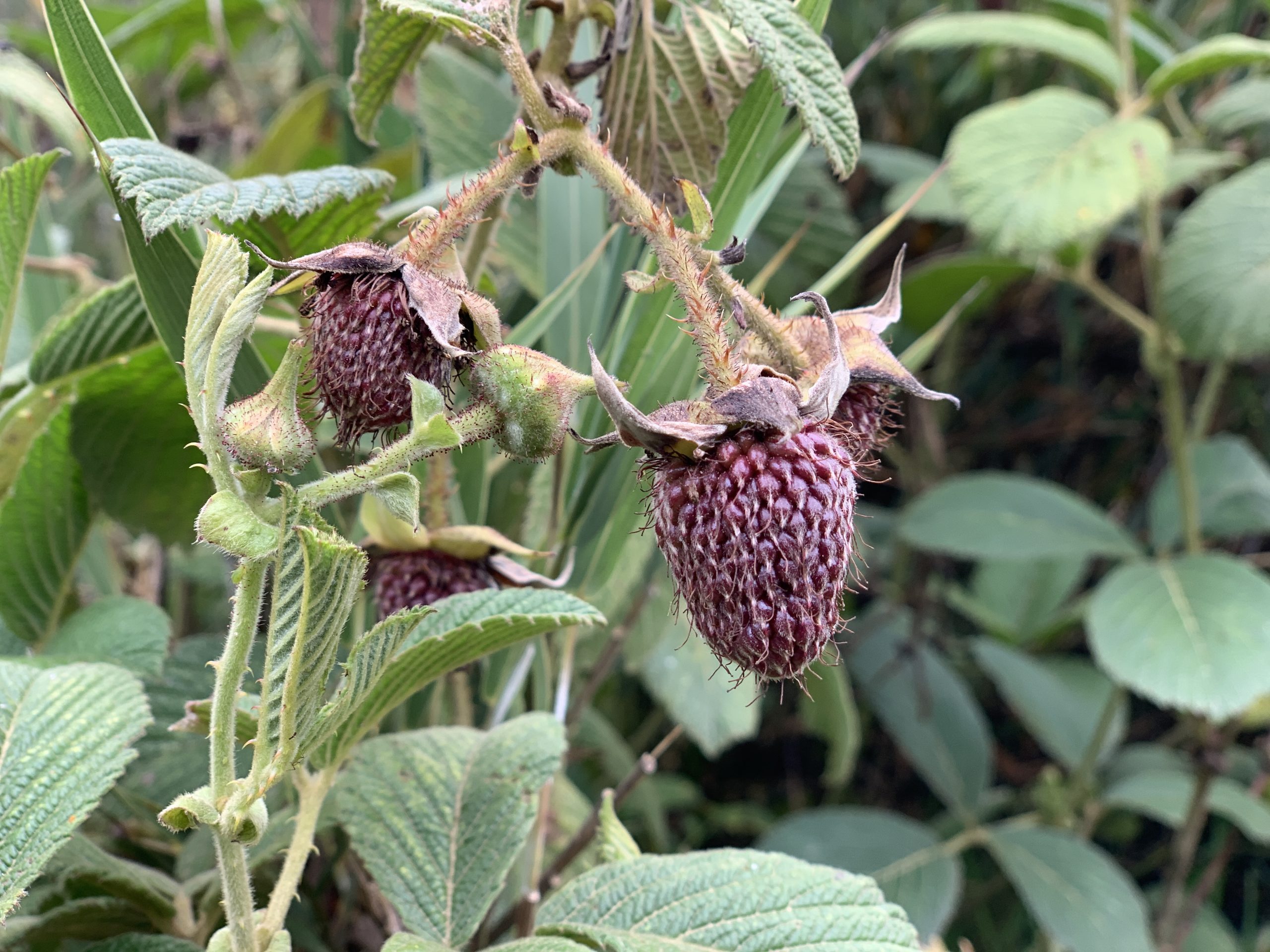
From mora bushes (similar to blackberry) hang pink flowers and deep-red berries. I drink a lot of delicious mora juice while in Colombia.
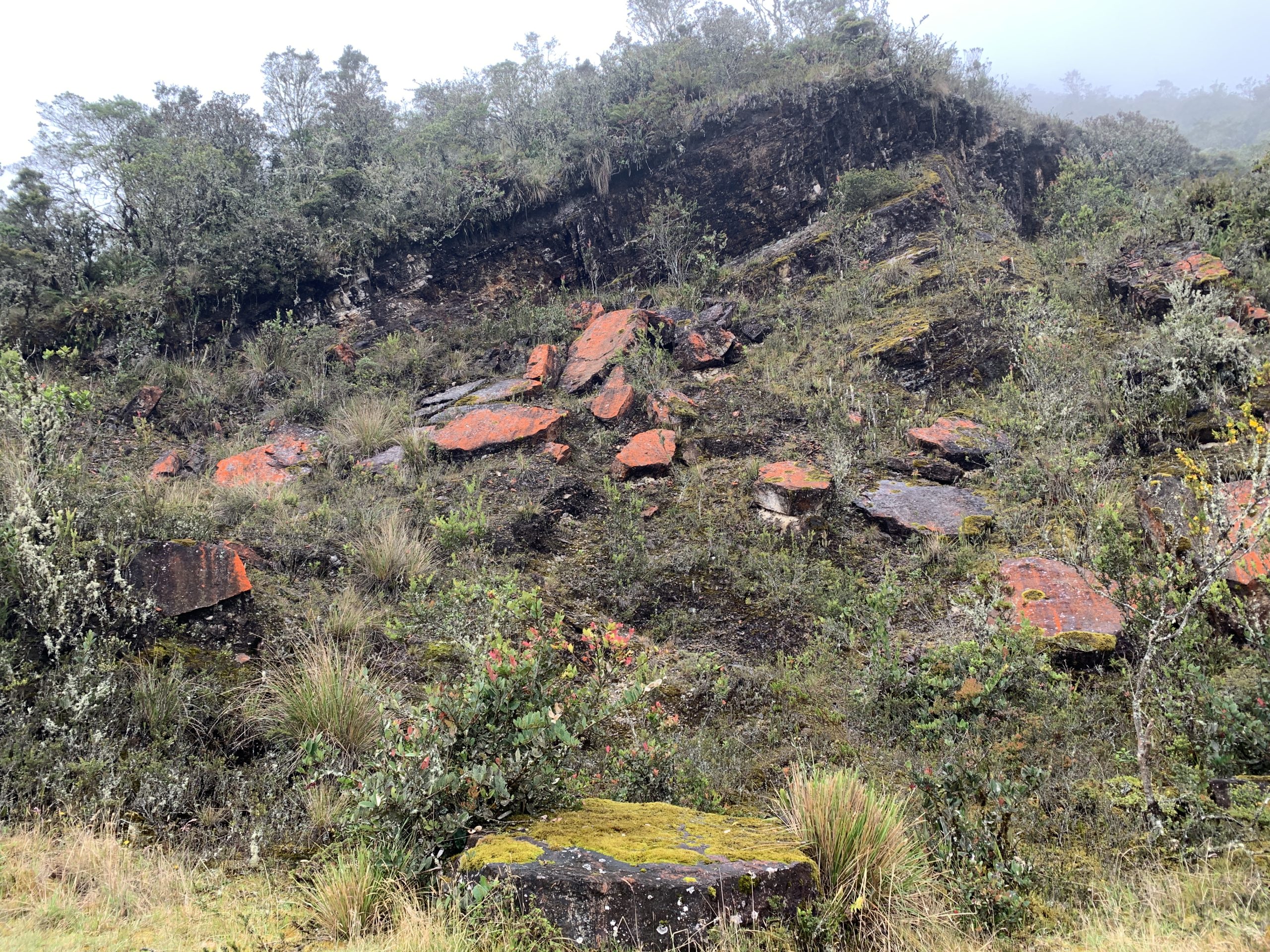
Rocks are home to a palette of colourful mosses and lichens.
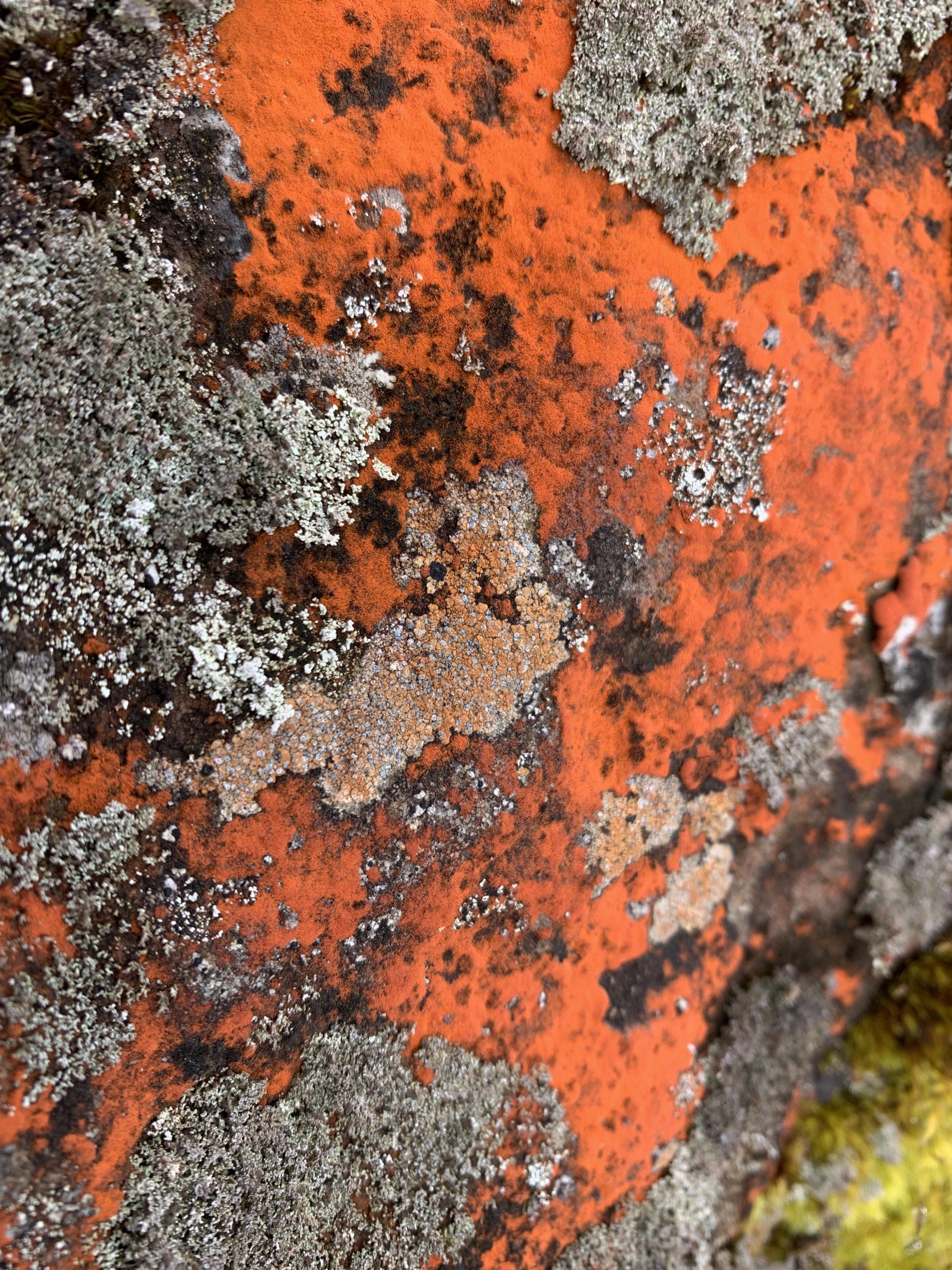
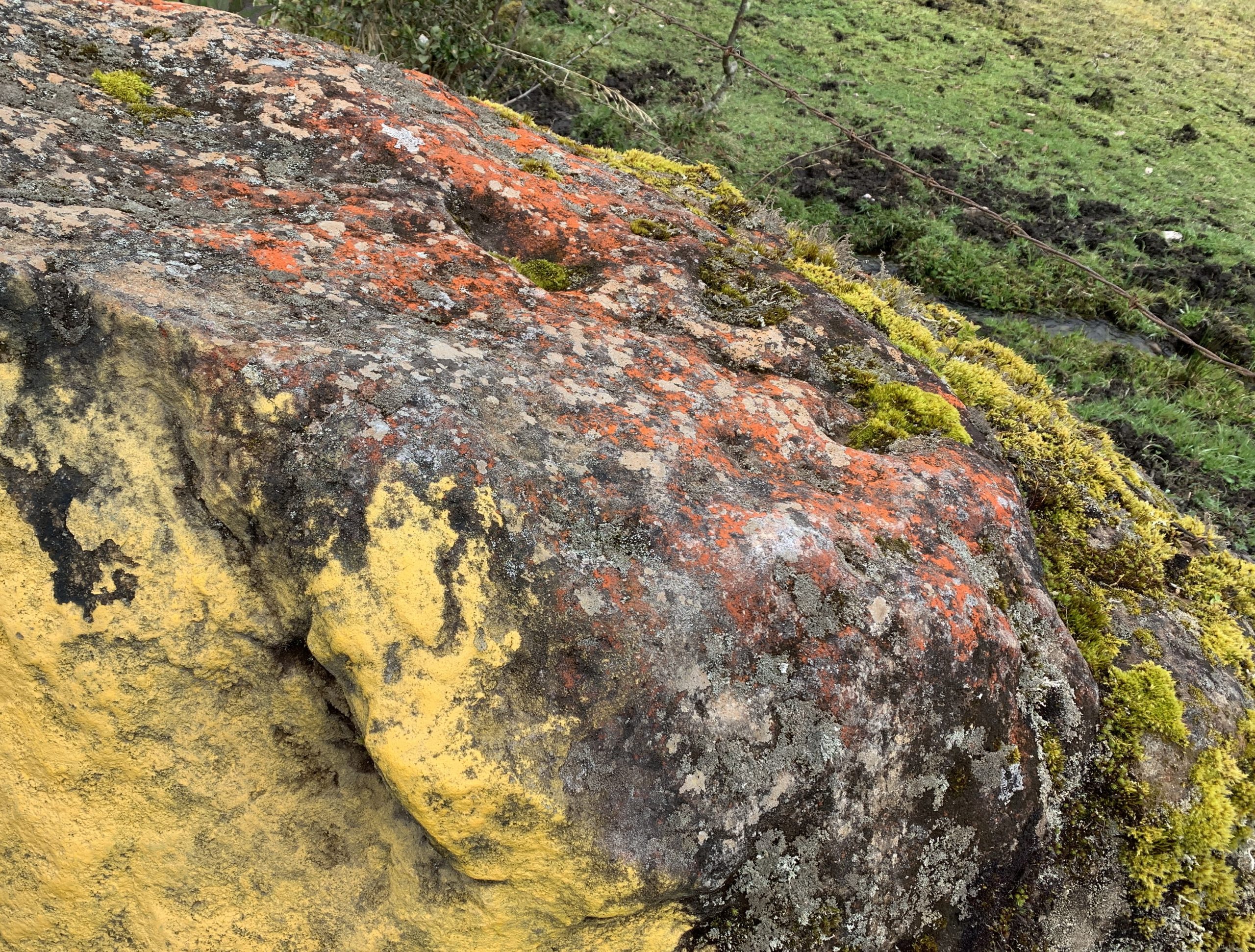
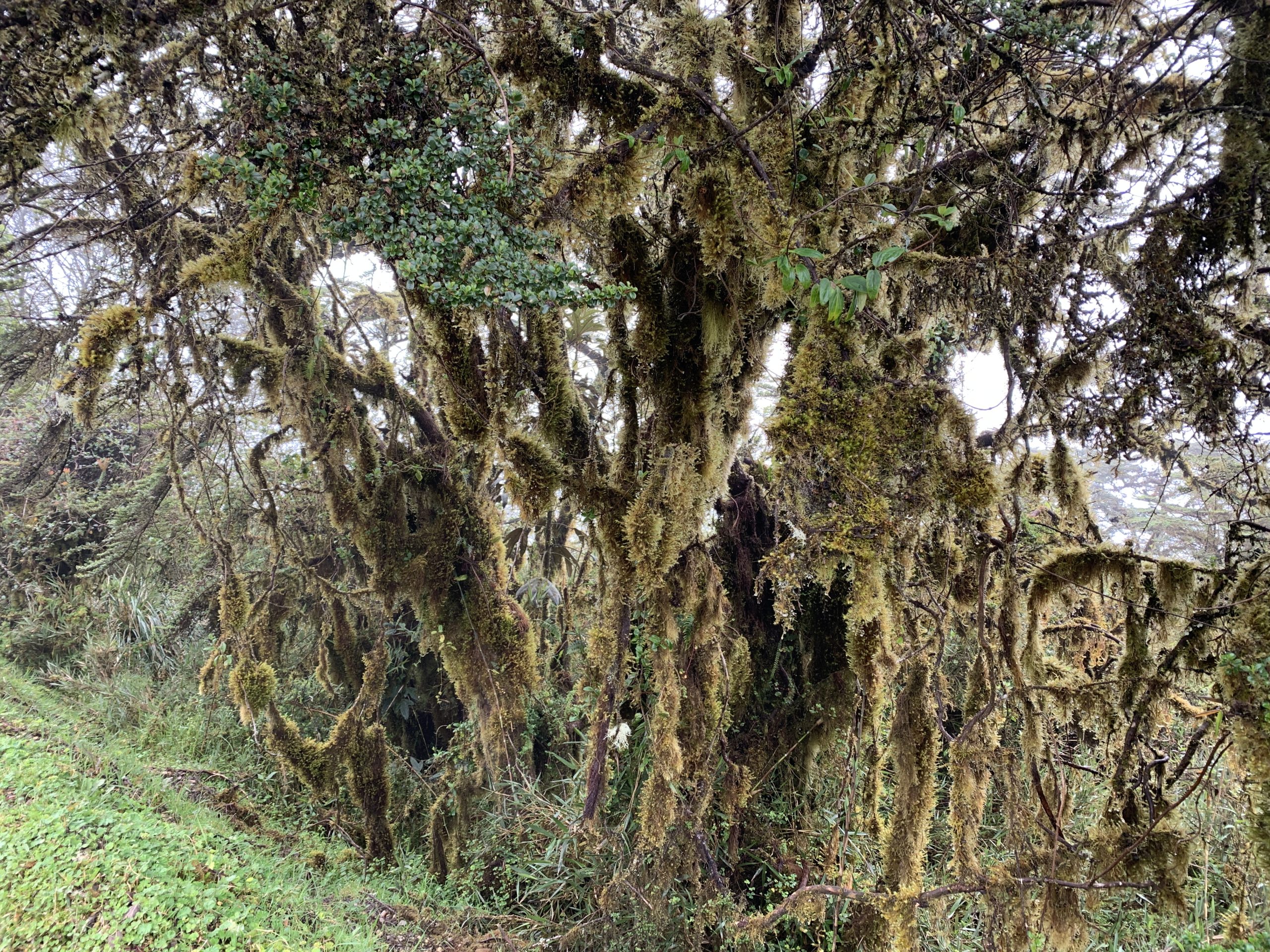
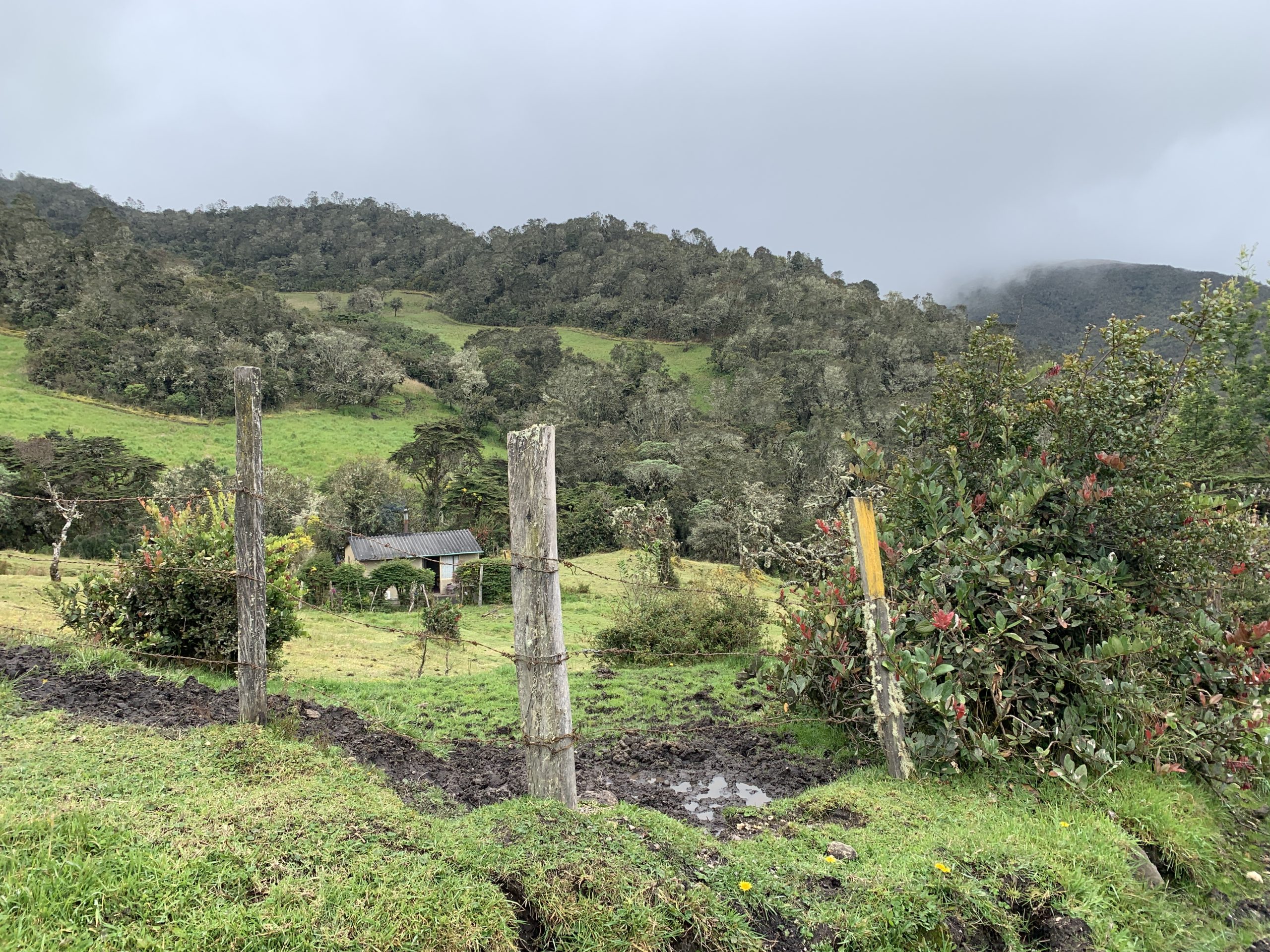
Trees are covered in moss and epiphytes. In a sudden clearing perches a lonely farm.
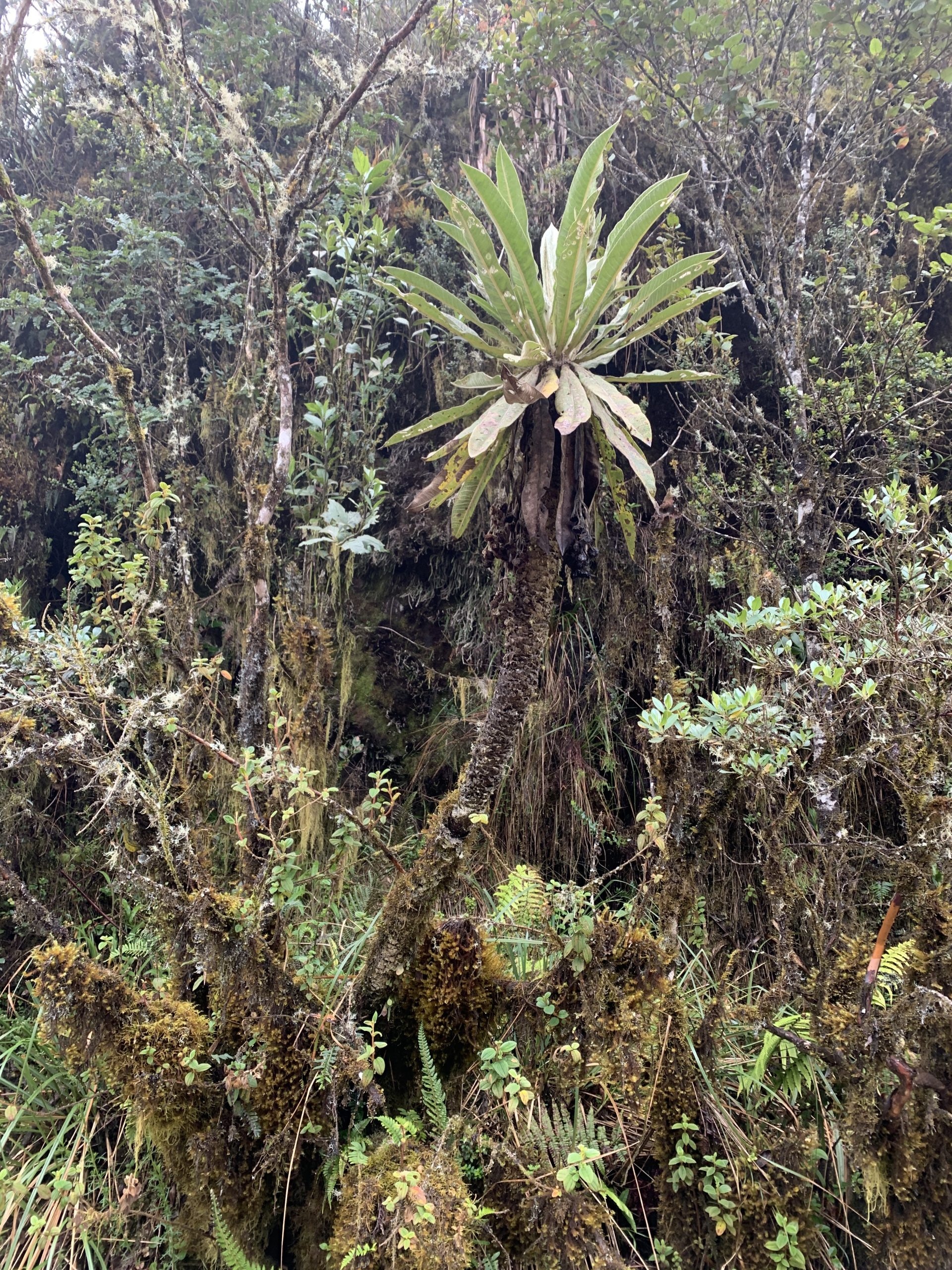
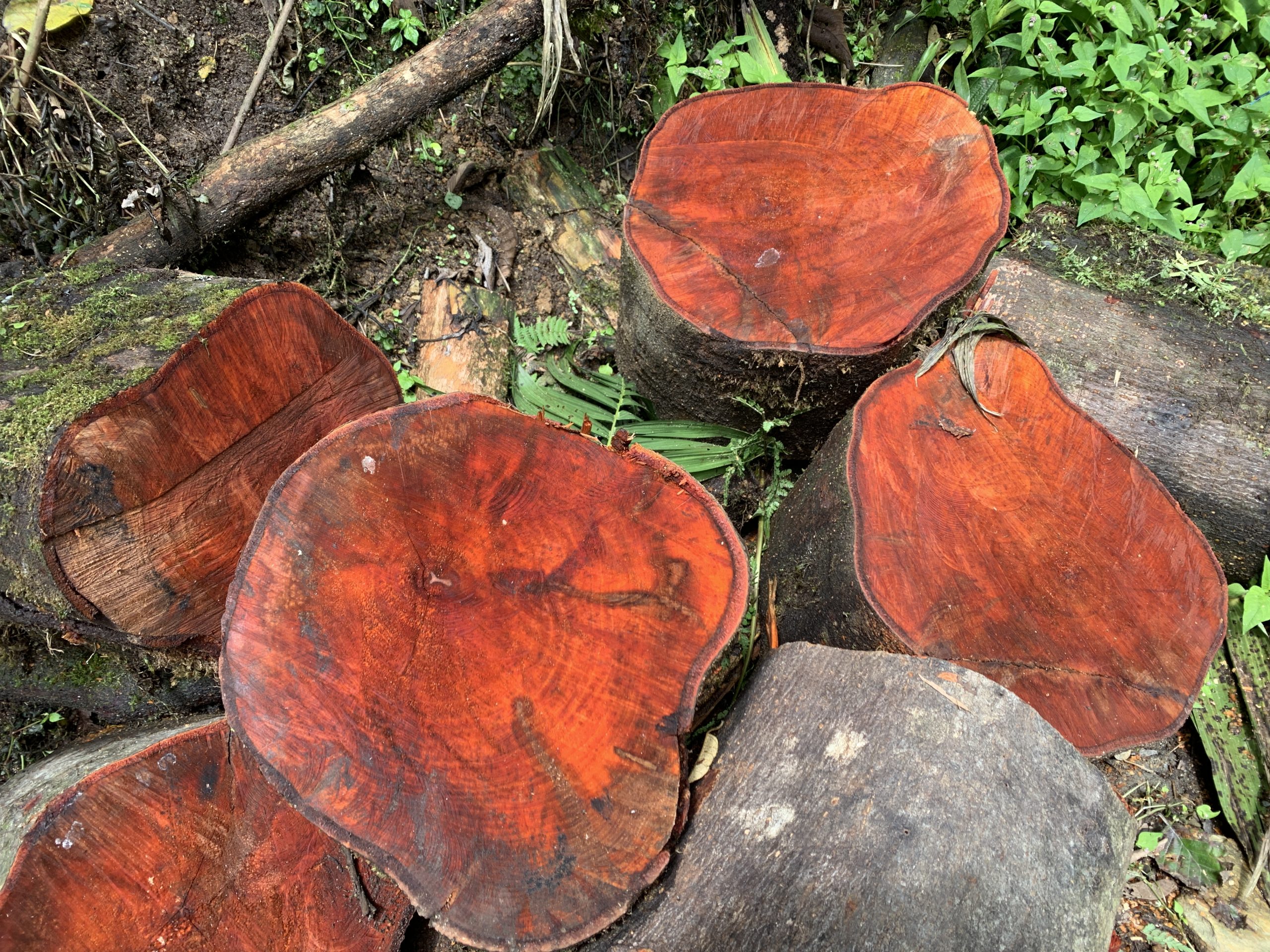
What I at first think are felled, reddish trees turn out to be flat-topped rocks. You might forgive me for making this mistake. The photo on the right shows some felled trees that I saw later on in the trip, in the cloud forest in the Rio Blanco Nature Reserve, not far from the town of Manizales.
We see lots of birds, including hummingbirds and flower piercers. I’m no good at bird photography, but I can tell you about some of them. While hummingbirds slurp nectar from flowers with their long tongues, the birds called flower piercers “cheat”. They make a hole in the base of the flower and eat what drips out. In doing so, they ruin the flower.
After our hike in the mountains, we drive to a hummingbird observatory in Calera. Here, hummingbird feeders attract more than 10 different species of hummingbird. There are other bird species here, too. I won’t bore you with long lists of species, but just tell you about some of the few I manage to take pictures of.
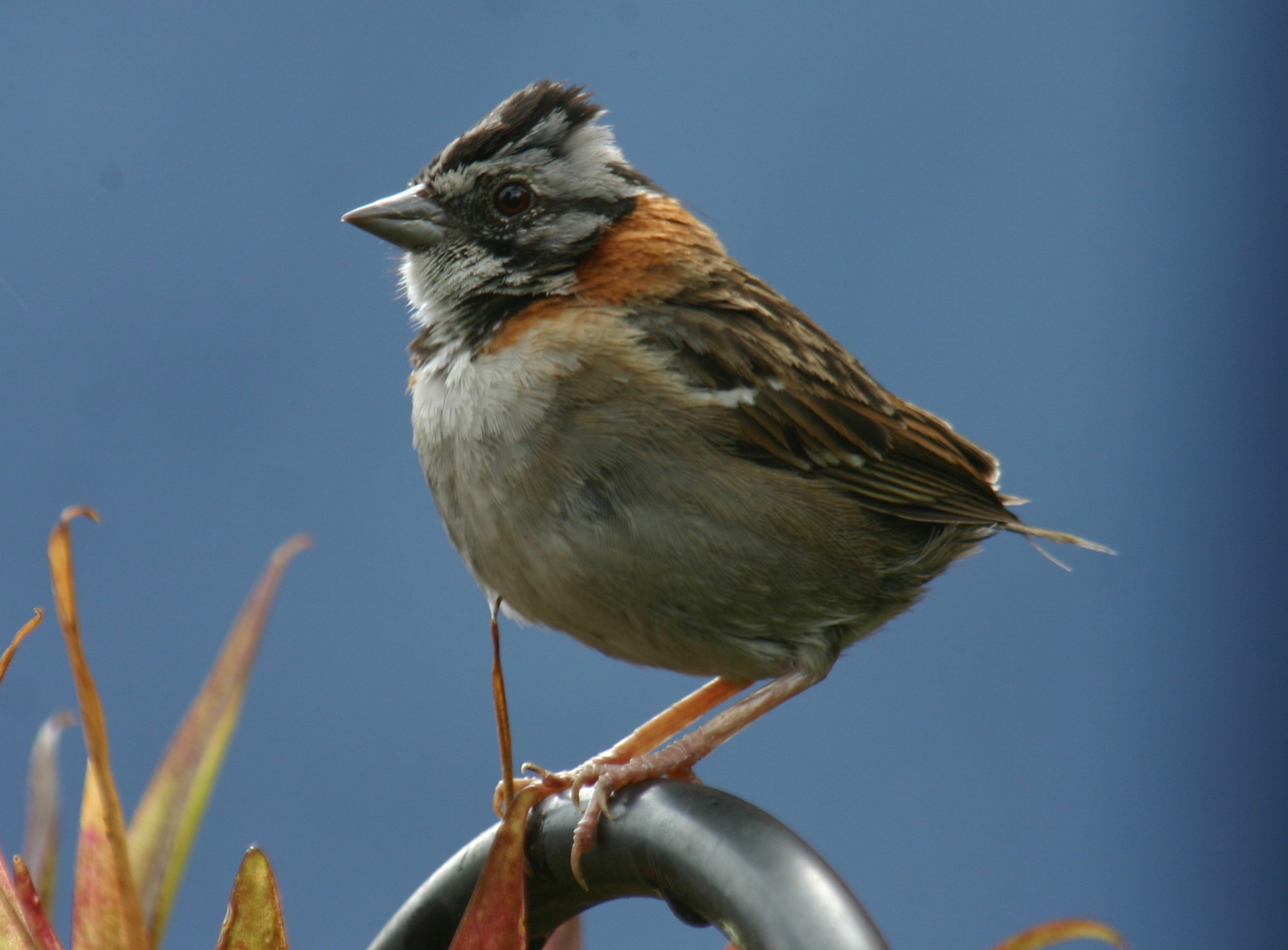
The ubiquitous rufous-collared sparrow is a plump little cutie. Here is the only successful photo I took with my horribly heavy and unwieldy SLR camera and telelens. (After a few days I stopped dragging it around with me everywhere and just used my cell phone.)
The hummingbird Great Sapphirewing (left) has deep-blue wings. The Sparkling Violetear (right) shimmers in the sunlight.
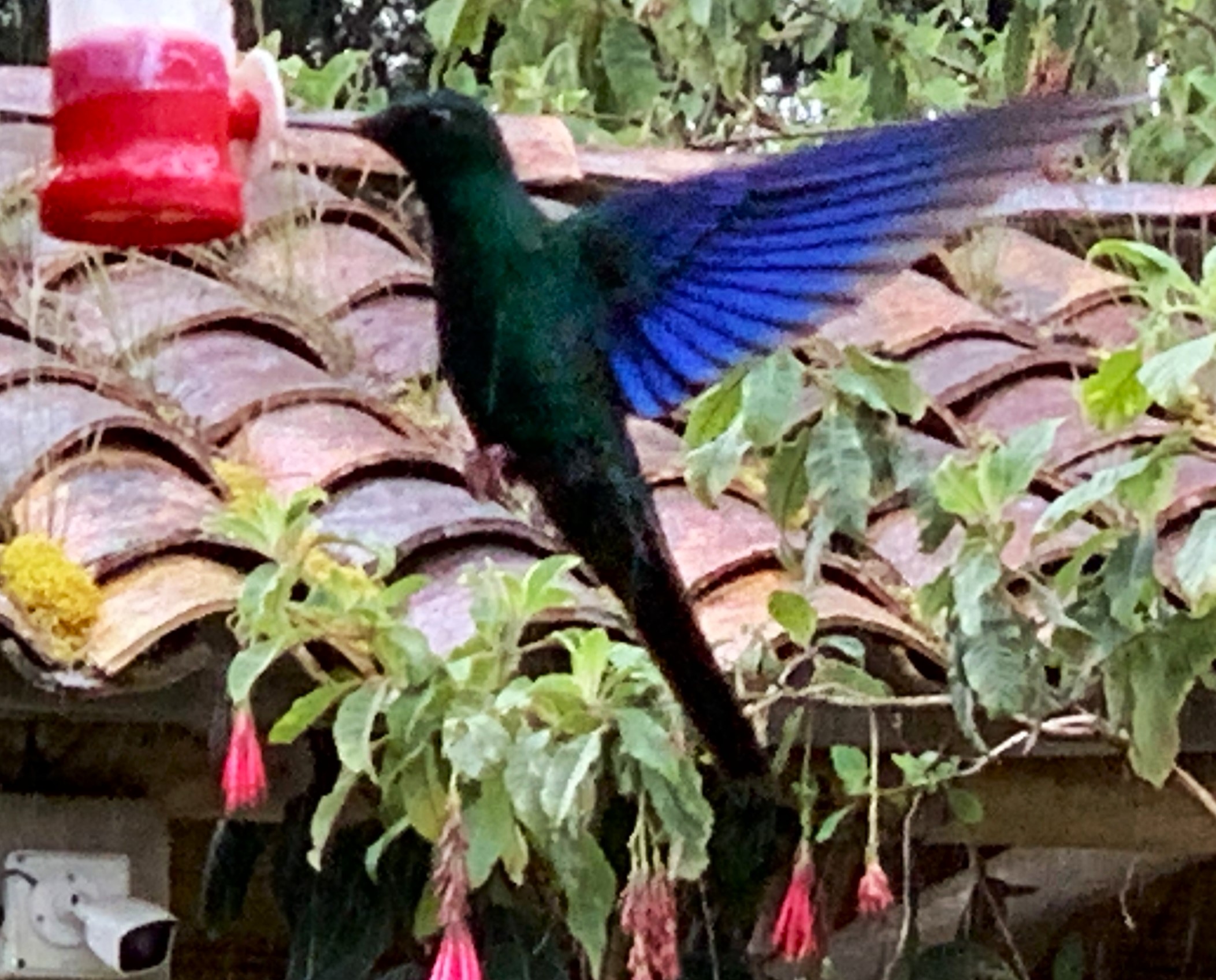
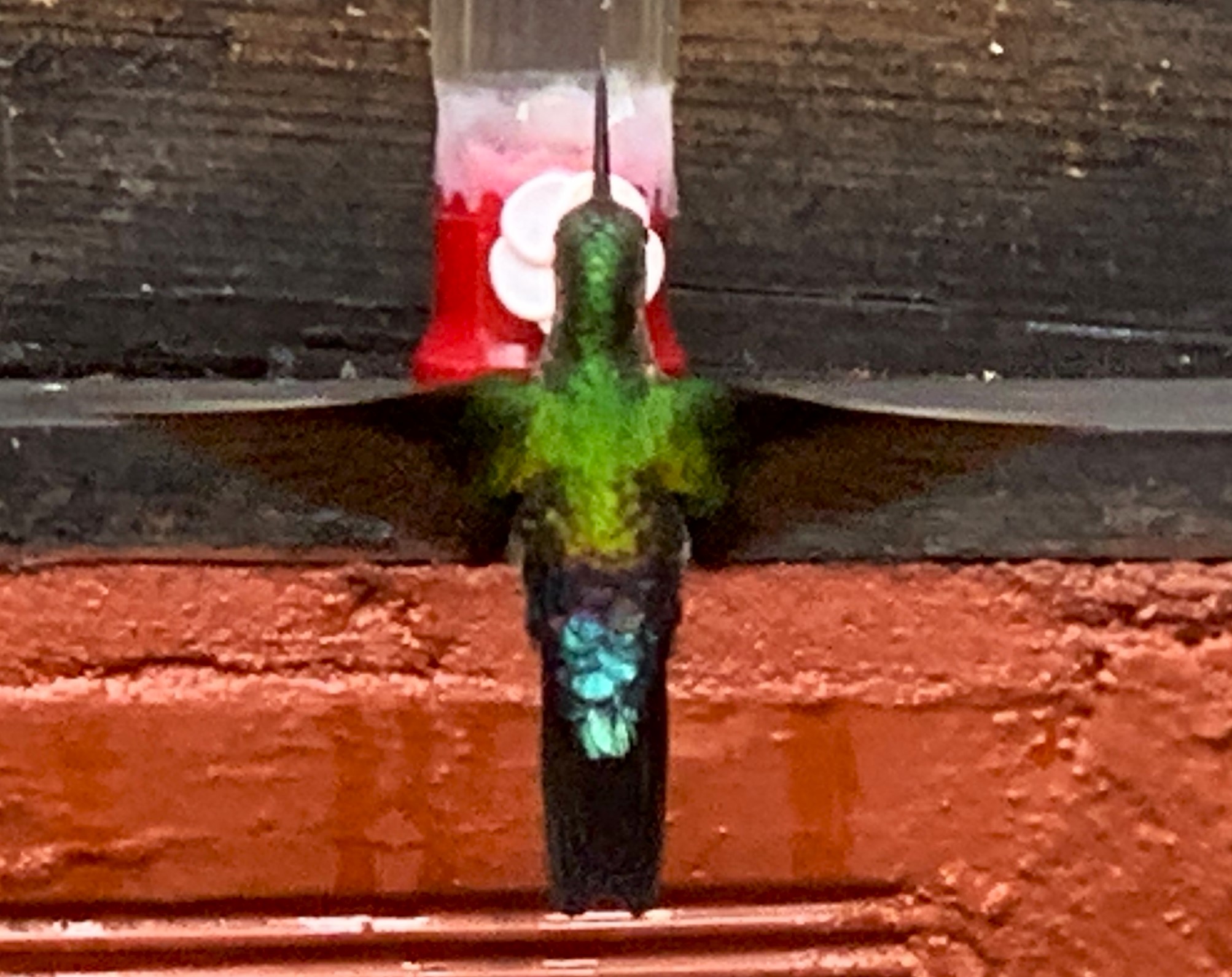
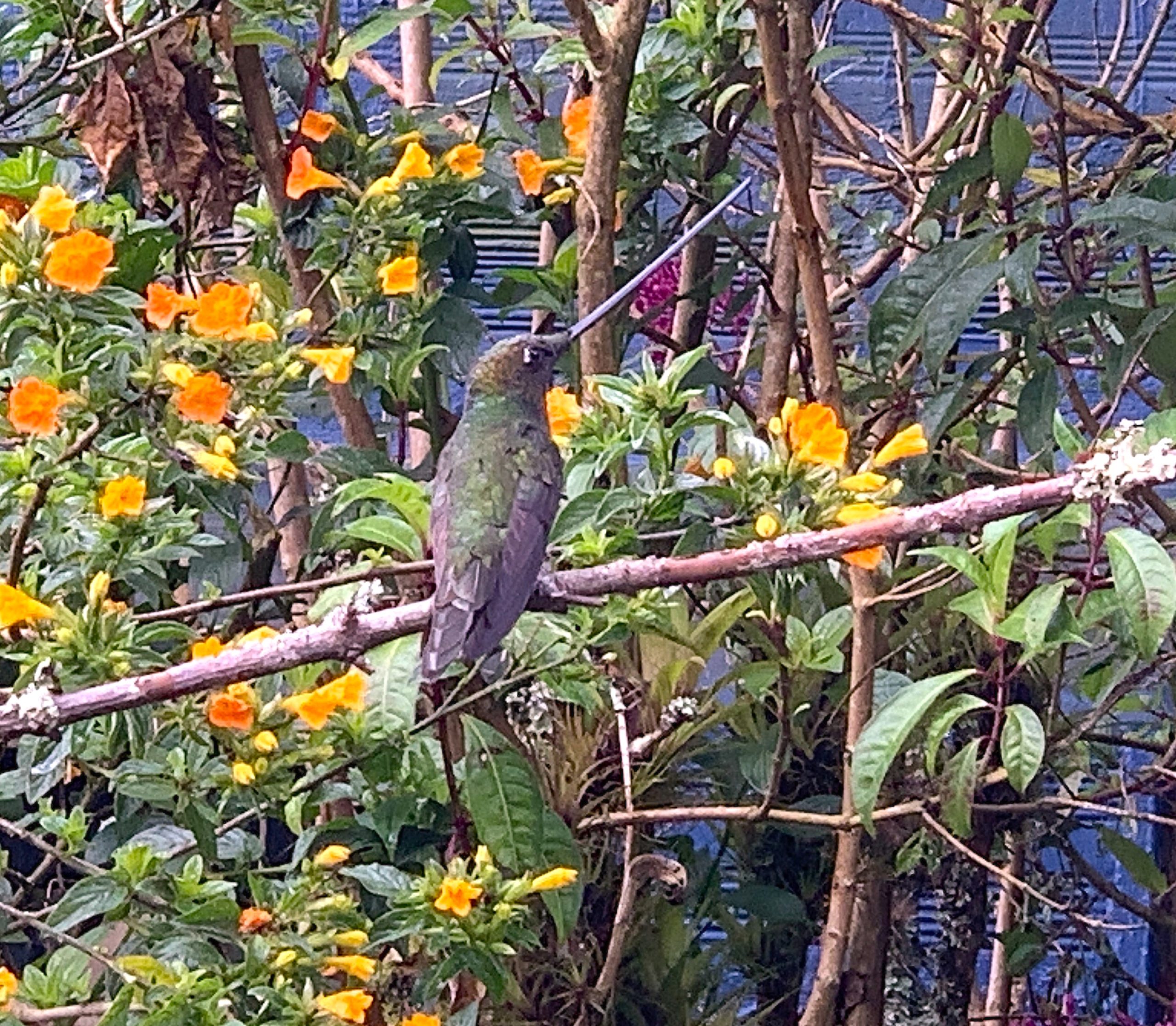
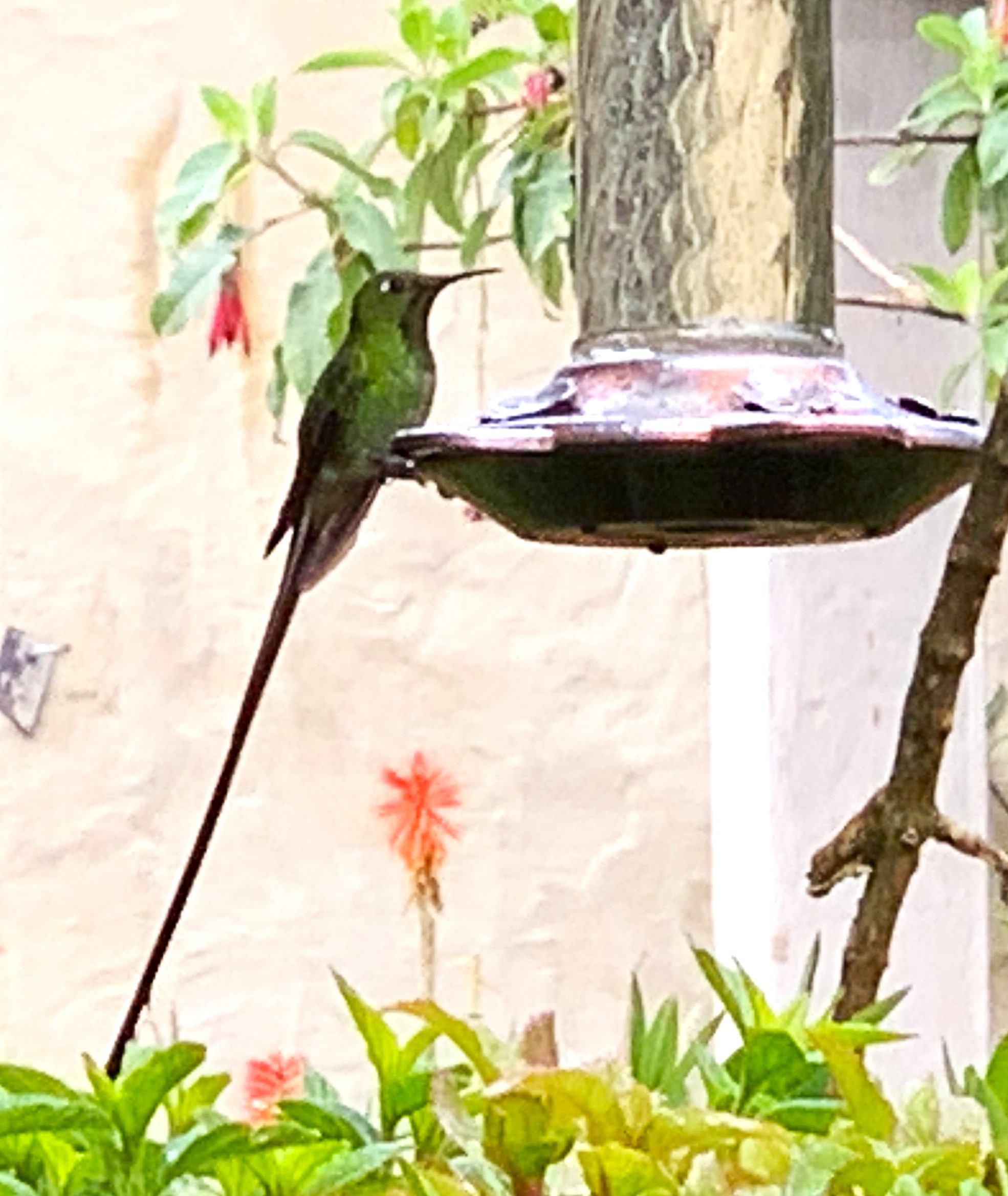
The Sword-billed Hummingbird (left) has an extraordinarily long beak while the Black-tailed Trainbearer (right) has a very long tail.
On this, the first day of my Colombian nature adventure, I spot a total of 24 bird species. That’s more than I see in my garden in Denmark in a whole year. I know the avid birders in our group saw and photographed even more species.
