
Like a teardrop falling from the southeastern tip of India, Sri Lanka is a green jewel of biodiversity in the vast Indian Ocean.
Imagine a country where a rich array of wild plants weaves a green blanket over mountains and fields, in forests and mangroves, through villages and towns. A country where monkeys, leopards, wild boar and elephants roam freely inside and outside national parks. A country where 30 percent of its area is protected nature. Such a country is Sri Lanka.
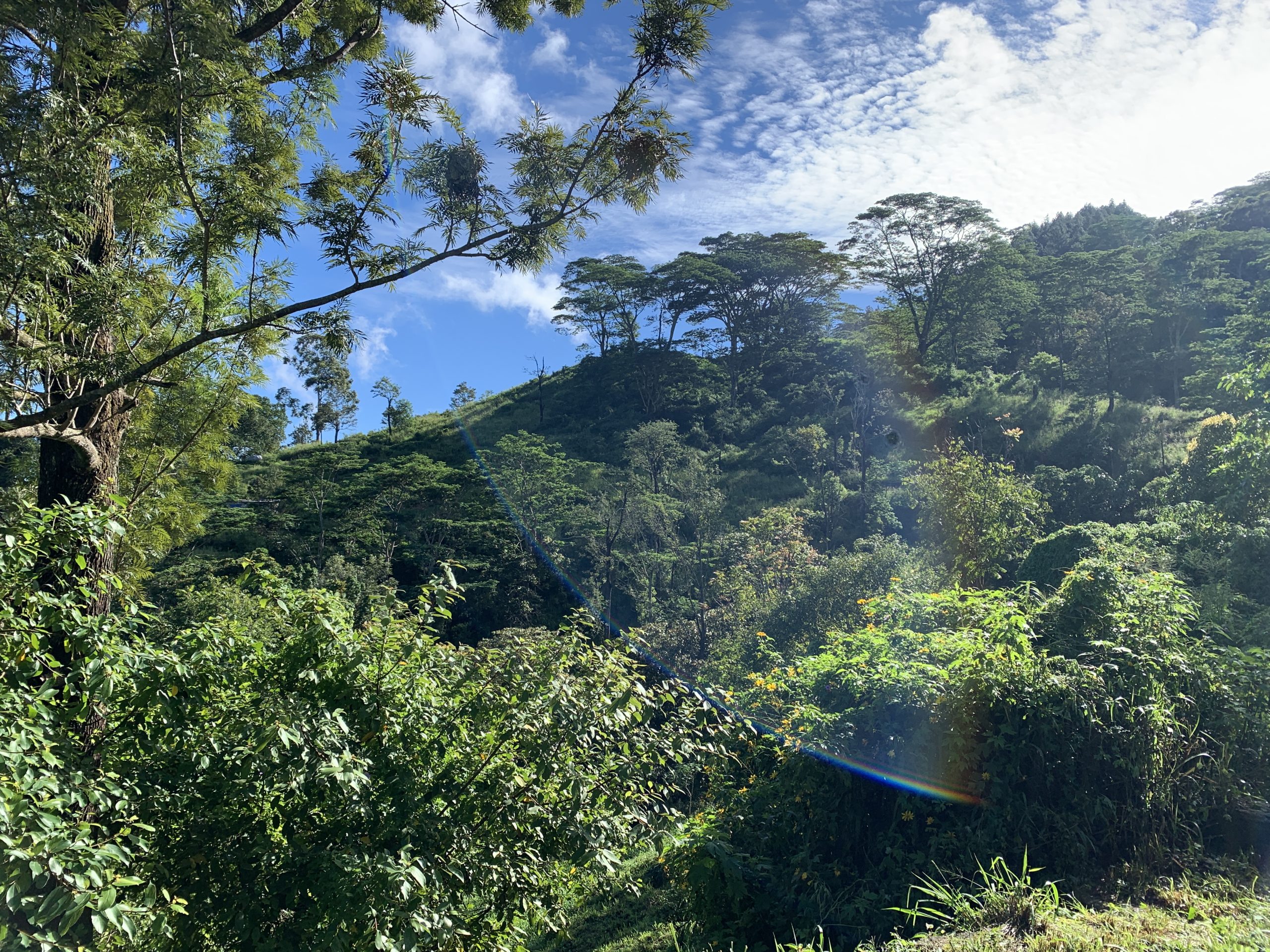
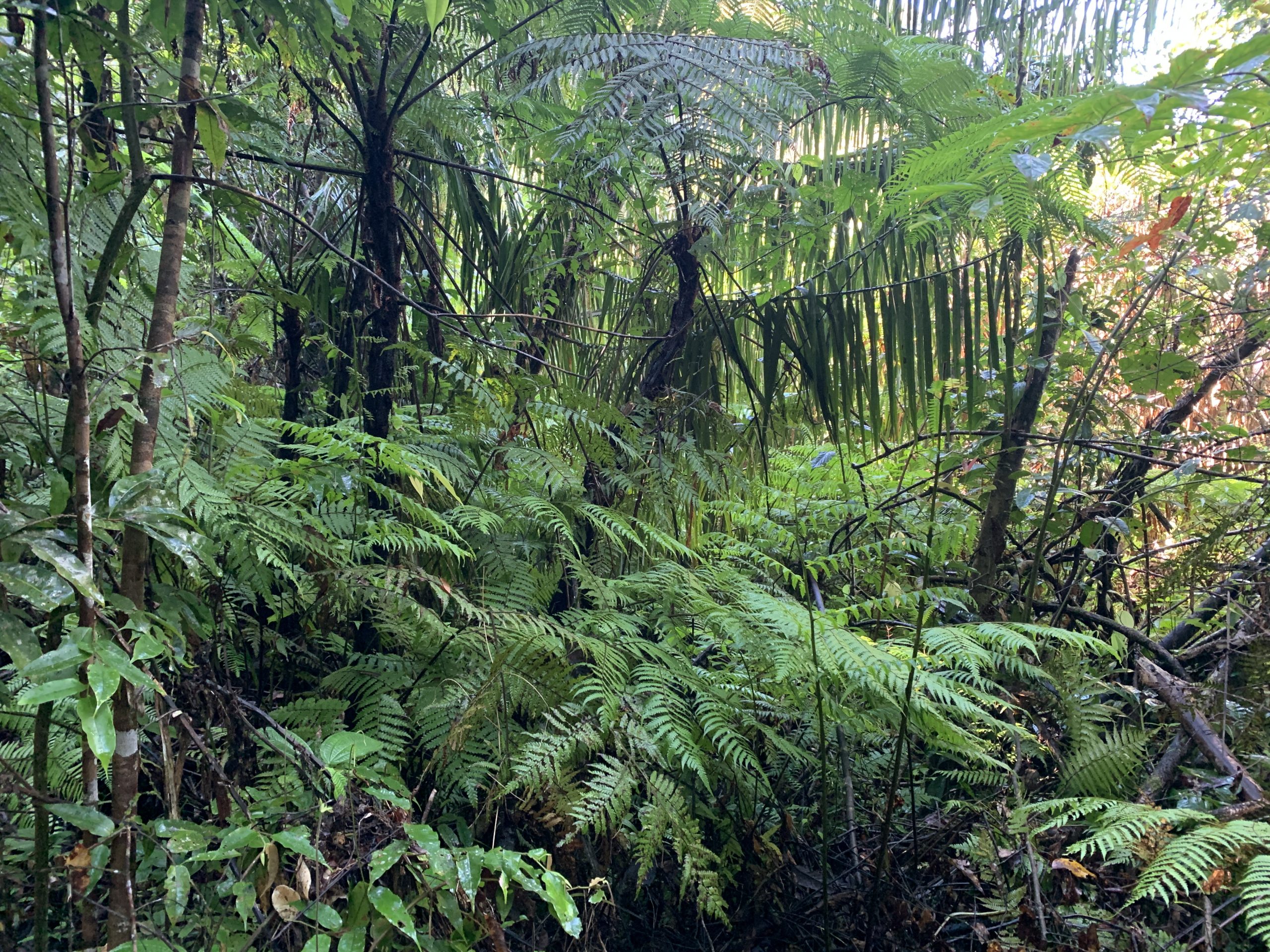
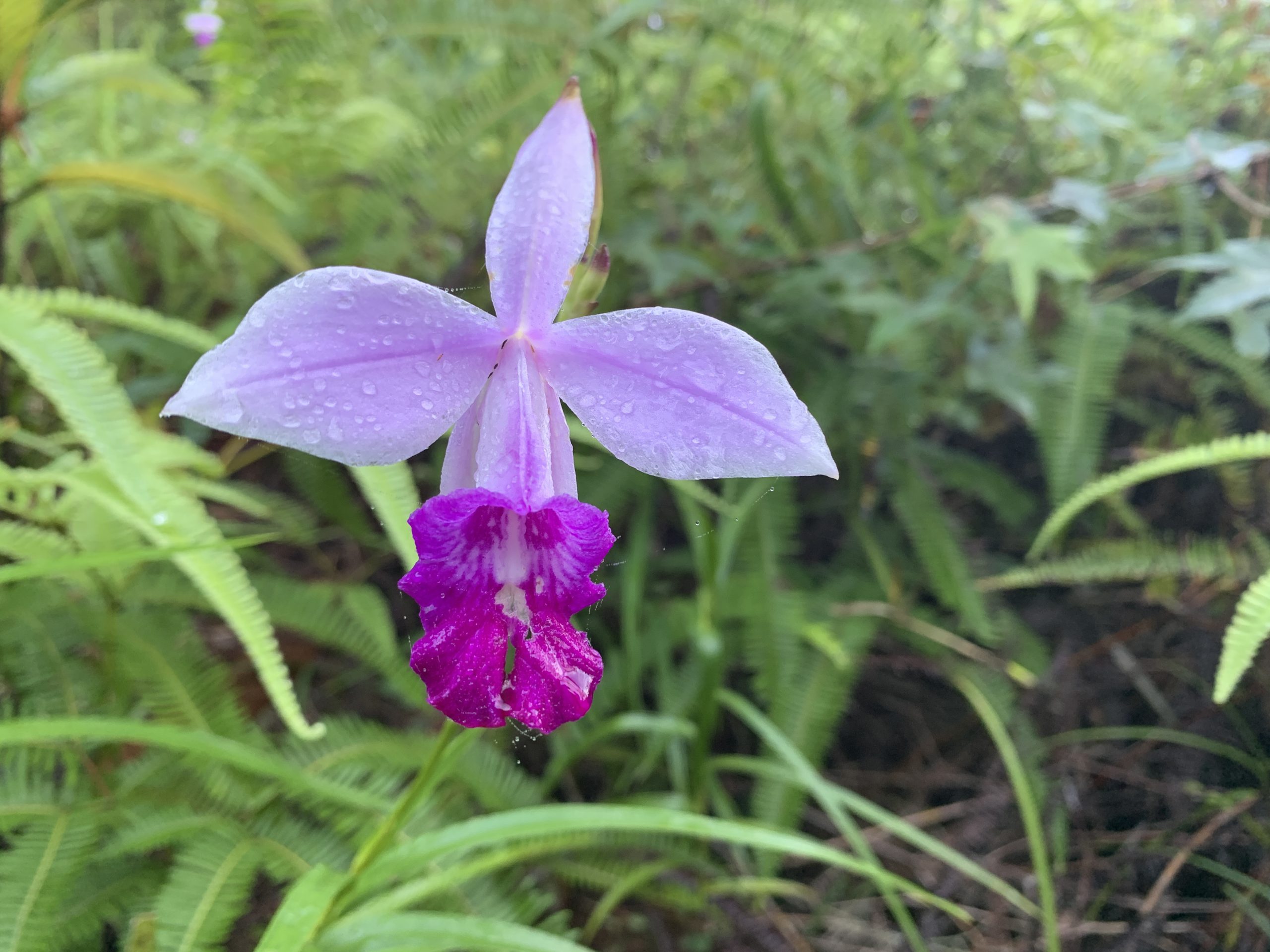
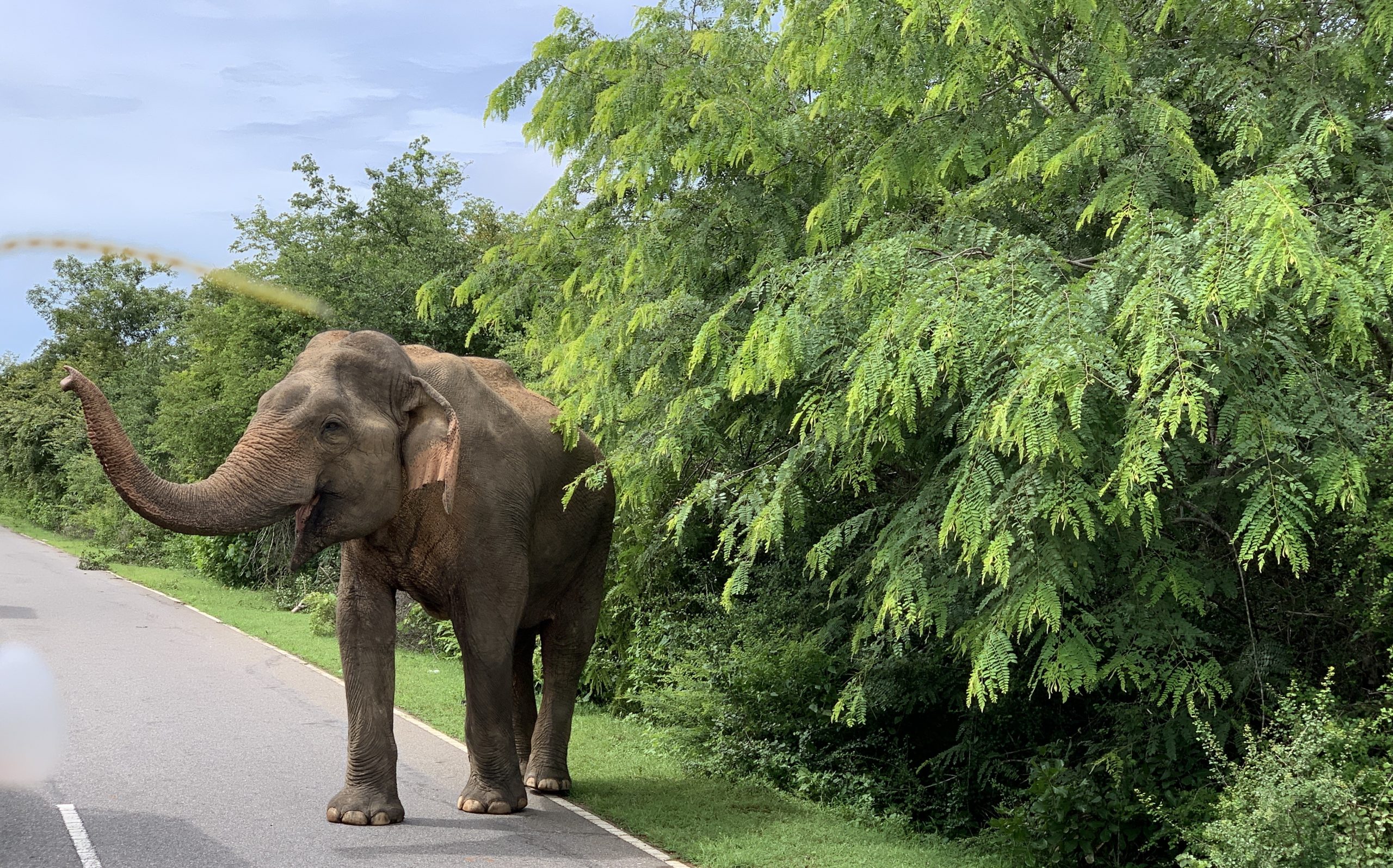
I have recently returned from a visit to this wonderfully lush island southeast of India, exchanging the grey Danish November weather with tropical heat and, sometimes, warm, crazy downpours. We visit several national parks on our journey and experience a variety of ecosystems.
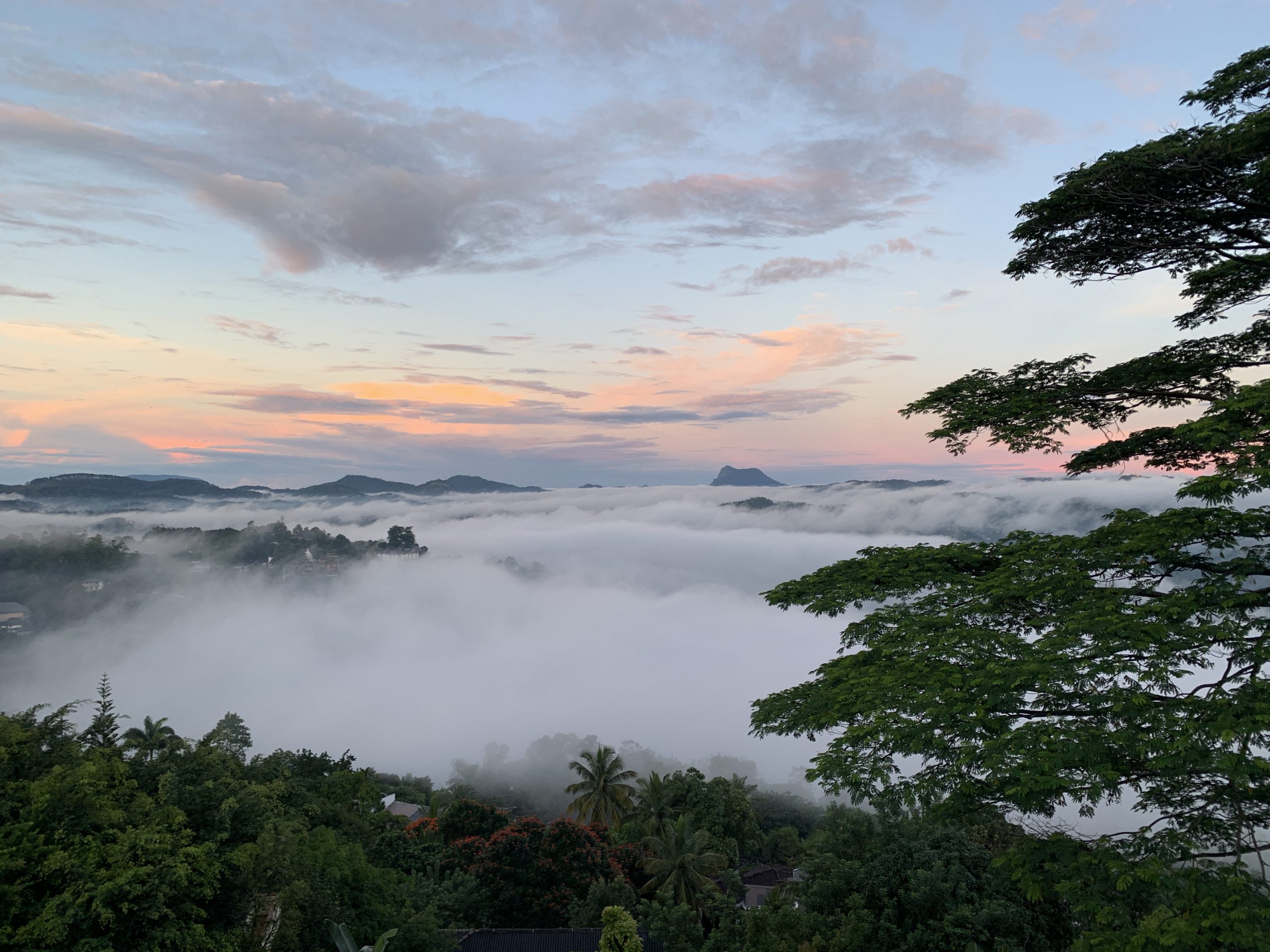
We begin outside the second largest city, Kandy, close to the Hanthana Mountains. The morning air is refreshingly cool, and the morning mist enchanting. I wake at six to the sound of birdsong and the chanting of Buddhist monks in the distance. Here is what greets me from my hotel window:
We go for a pleasant walk in the hills, uphill and hot but nevertheless not overly strenuous. We wear leech socks to protect us from the ubiquitous, squooshy black creatures with a high yuck factor. The green socks make me look like I am part leprechaun.
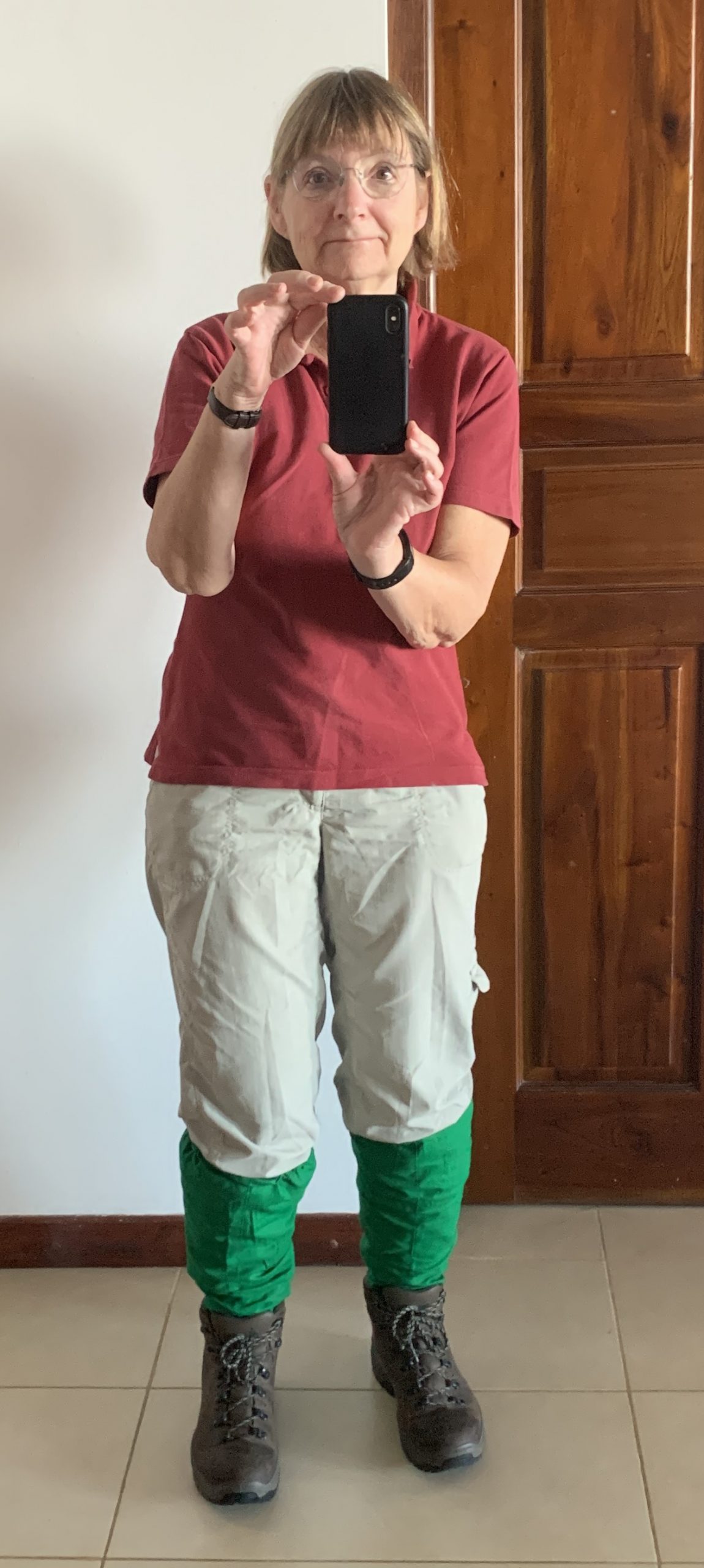
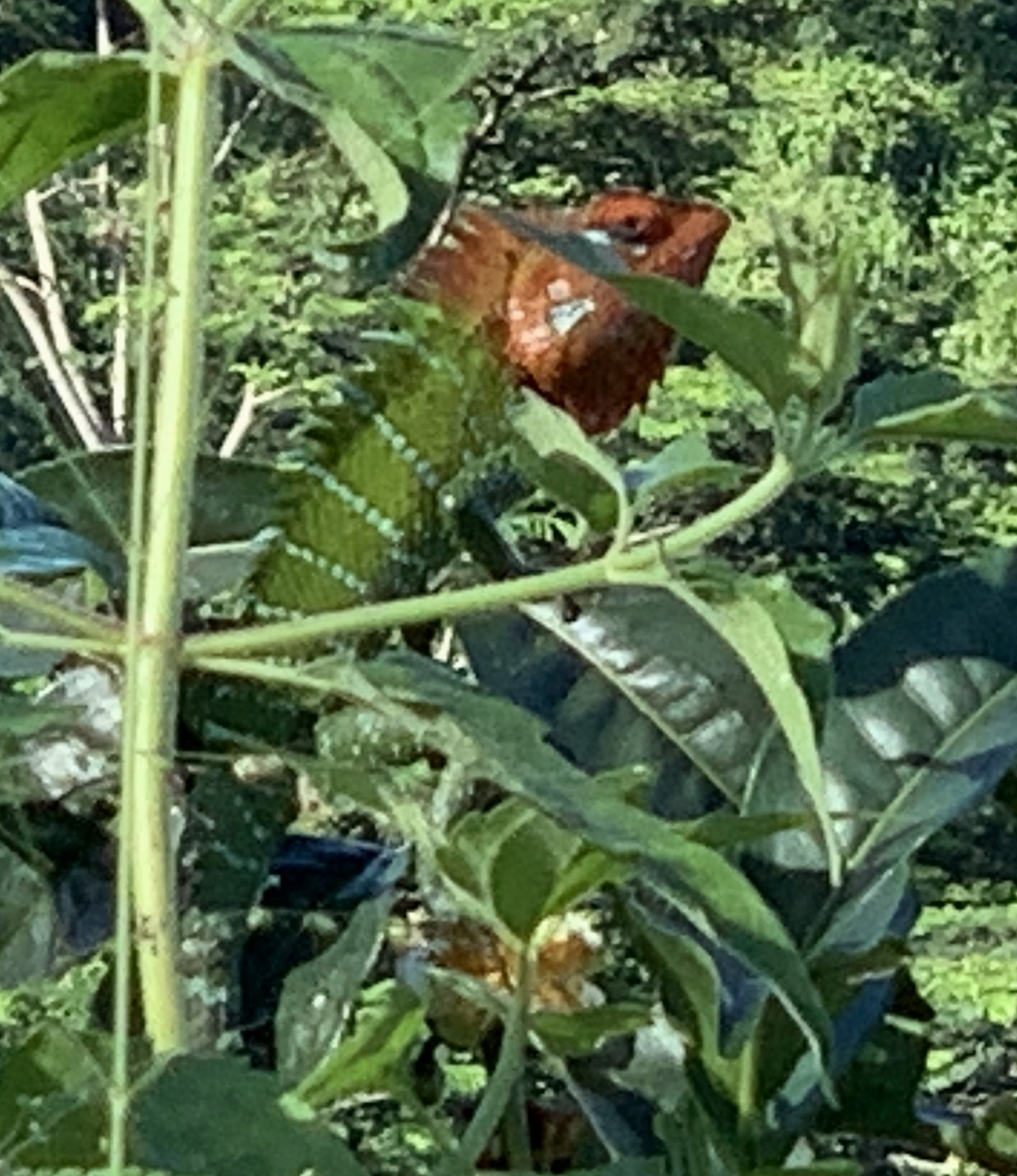
Along the way, we pass by a variety of habitats, including tea plantations, former tea plantations that have now been overtaken by wild lemongrass, and montane and submontane forest (cloud forest). We see lots of colourful flowers, birds, butterflies and a lizard who thinks he is invisible in the greenery despite his red face.
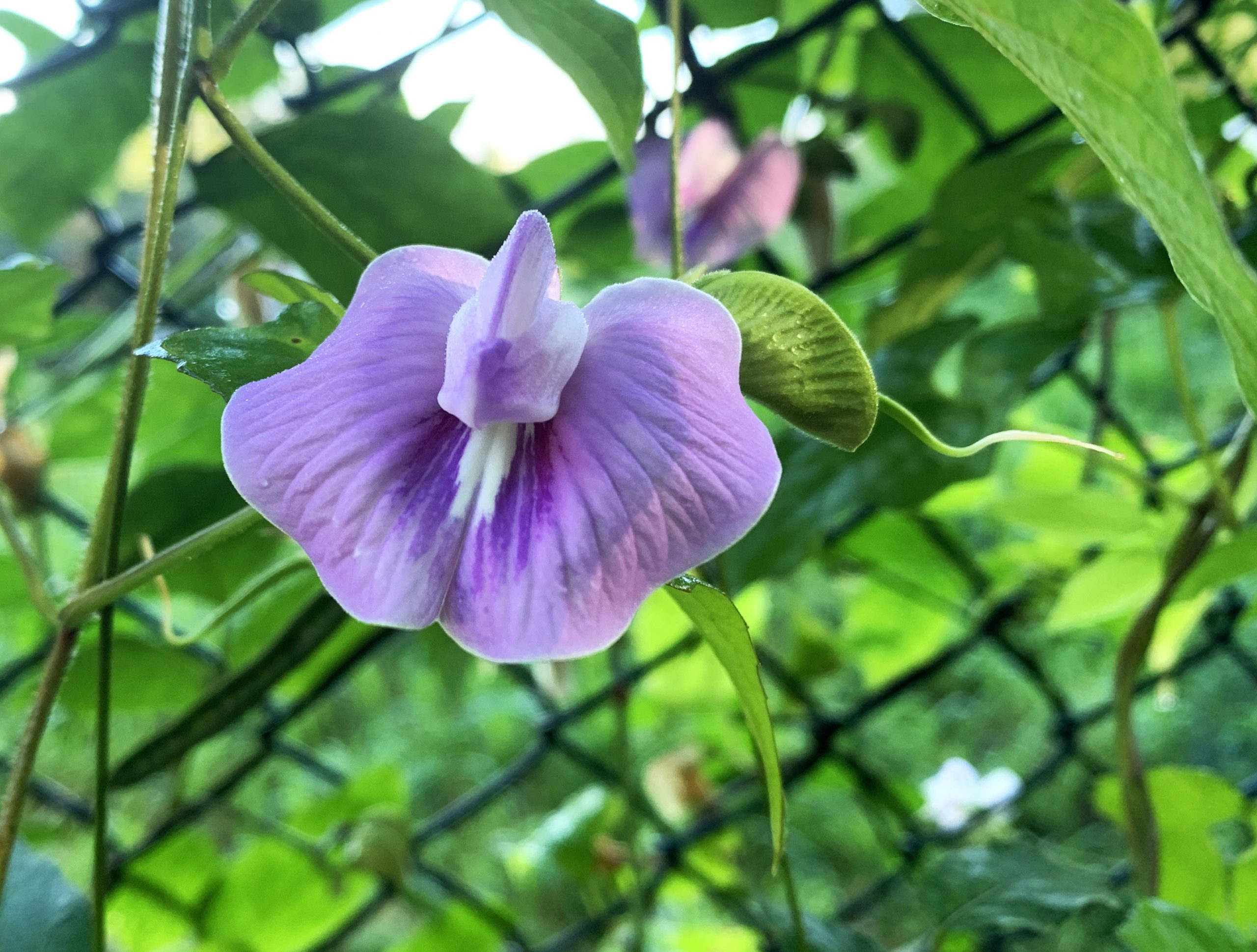
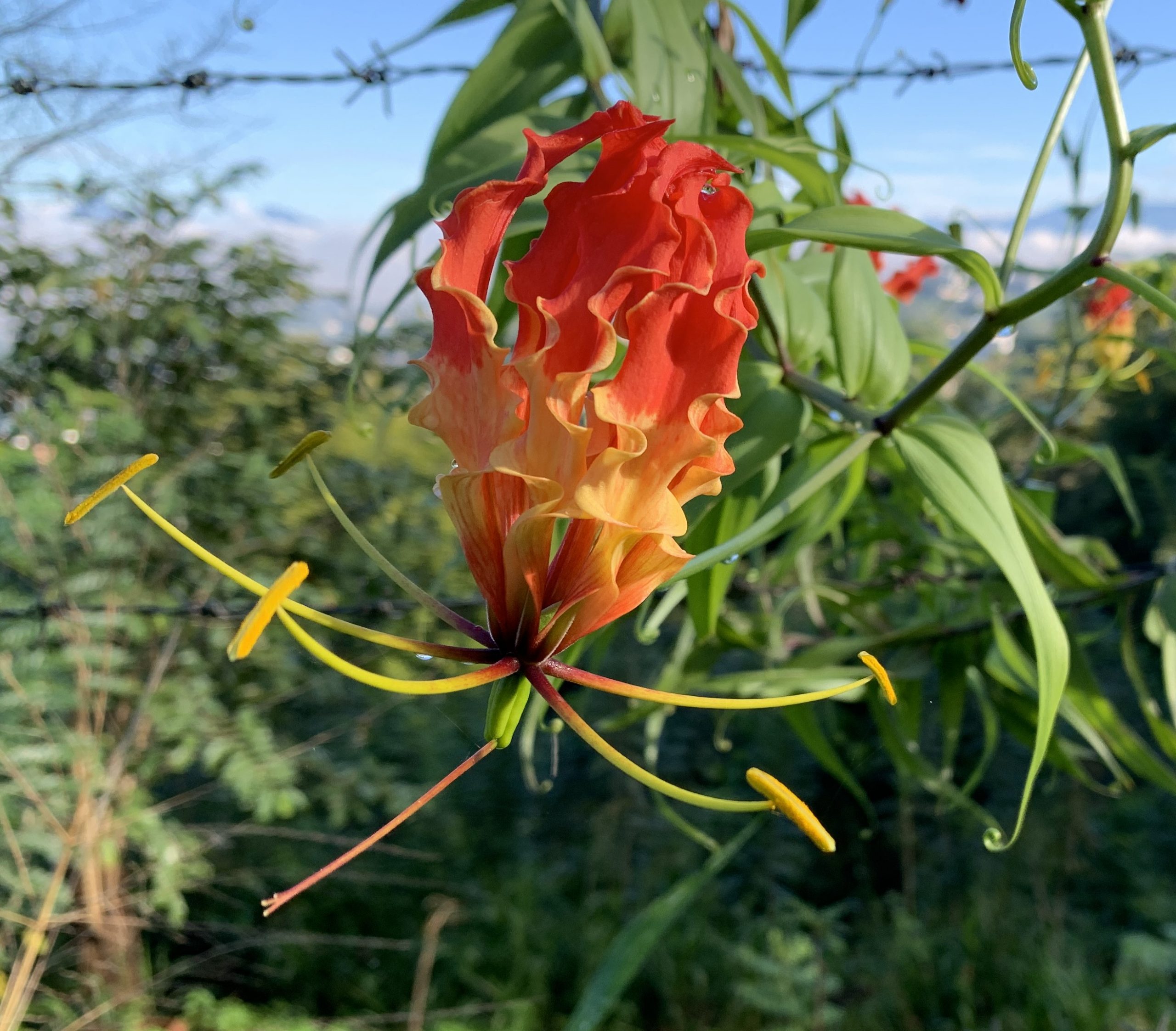
To enjoy Sri Lanka nature, you do not always need to leave the hotel area. Here are some scenes from the various hotels I stayed at:
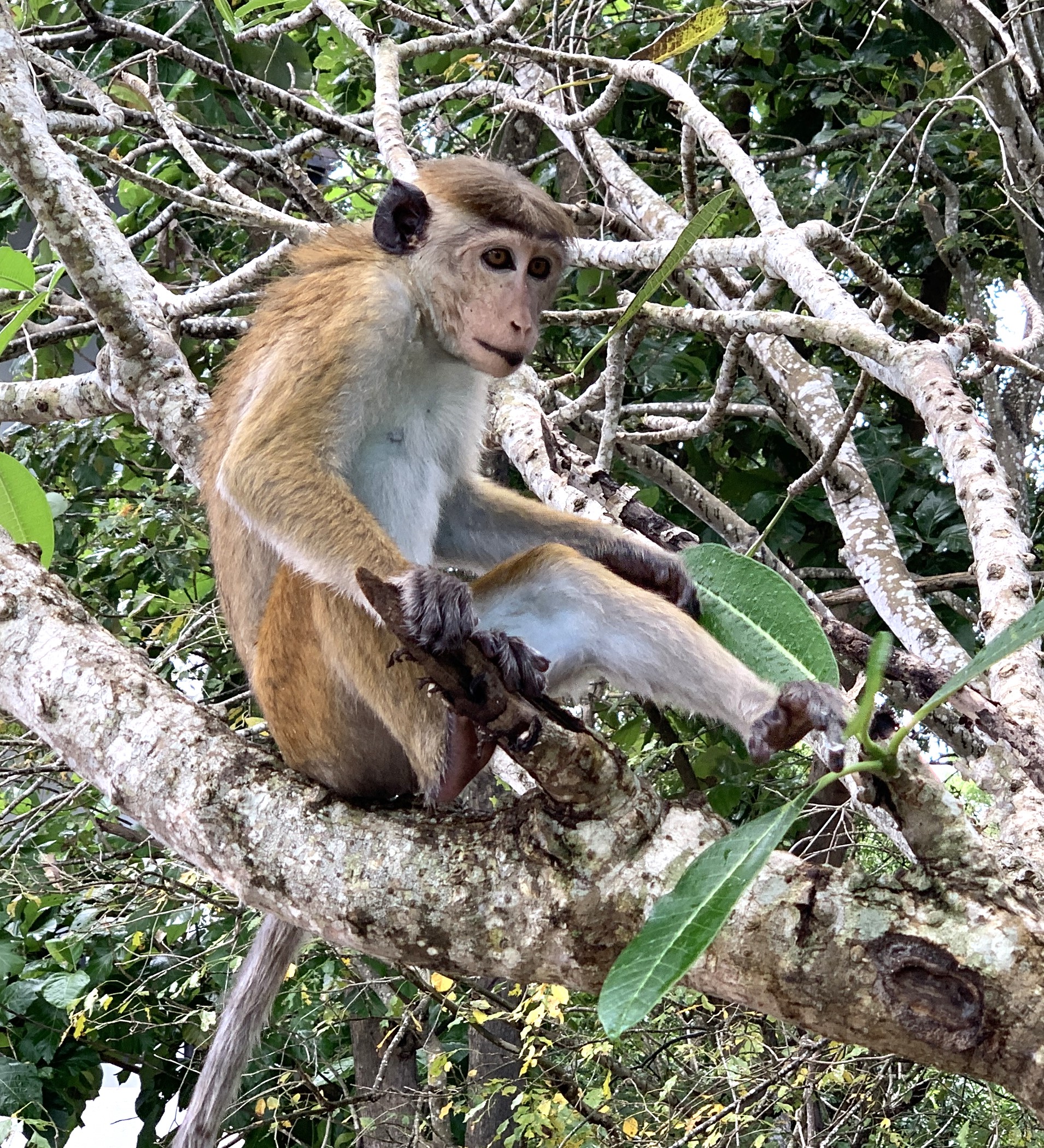
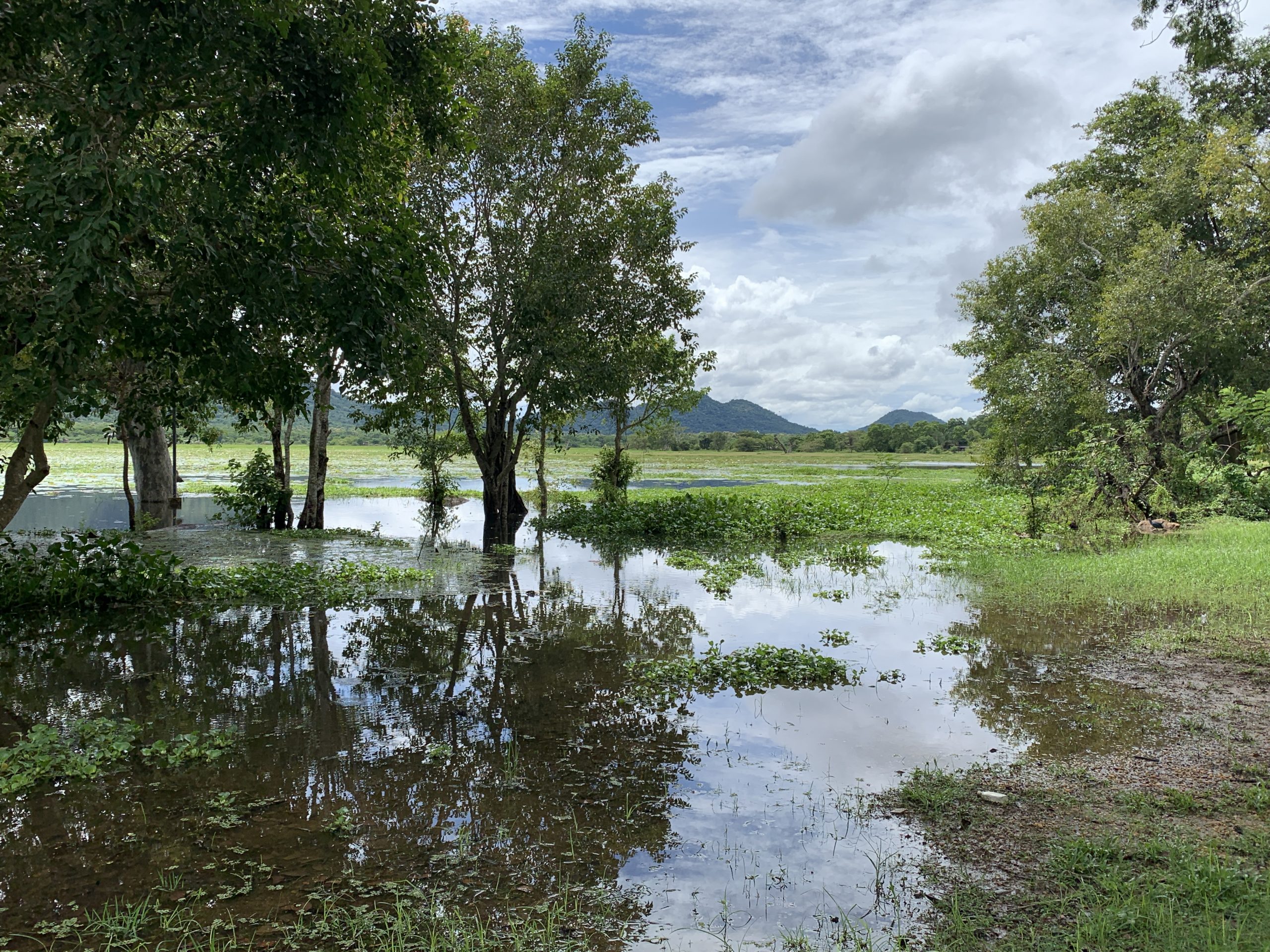
Sri Lanka is only one and a half times larger than Denmark but has a population of about 22 million (Denmark’s is about 6 million). That means the population density of this small island is about 332 people per km2, where Denmark’s is only about 132 people per km2. Despite this, Sri Lanka dedicates about 30 percent of its land area to protected nature. Denmark has less than 2 percent true, protected nature. I wish our politicians and other decision-makers would learn from Sri Lanka’s example.
