Blog Image

travels with janne

6 – Food and fabrics: An orgy of colour

Ecuador Posted on 12 Apr, 2018 18:12

It was not my intention – it just kind of happened –
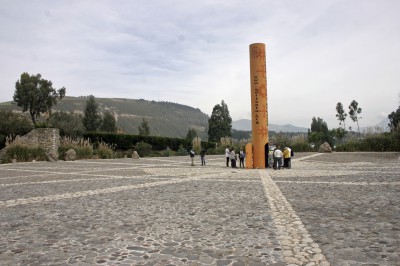
crossing the equator in all three of the continents that the equator runs
through. First in Africa (Kenya and Uganda), then in Asia (Borneo) and now in South
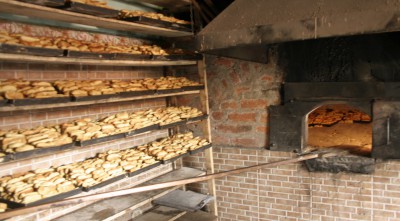
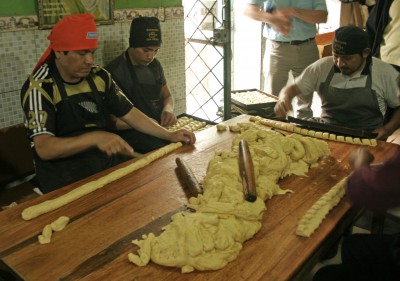
America (Ecuador). We also pass through a town where everybody bakes biscuits and we of course visit one of the bakeries
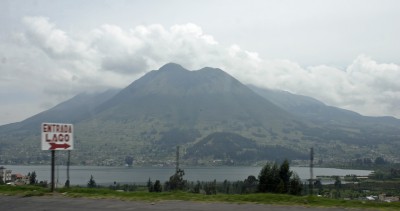
and taste the goods – which are good – and pass by the extinct
volcano Cayambe with its iconic cone shape. At 4600 m, it is the highest
point in the world through which the equator passes and the third highest peak
in Ecuador. Otherwise, the highlight of the day is the market at Otavalo.
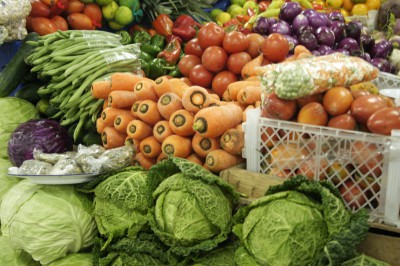
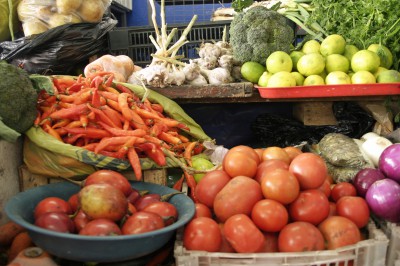
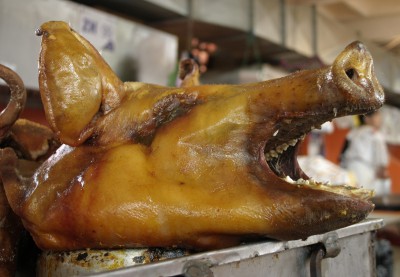
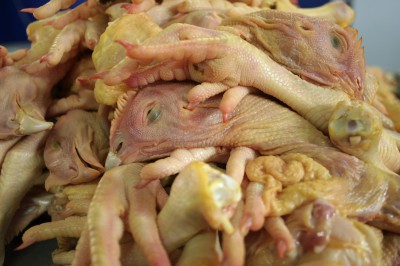
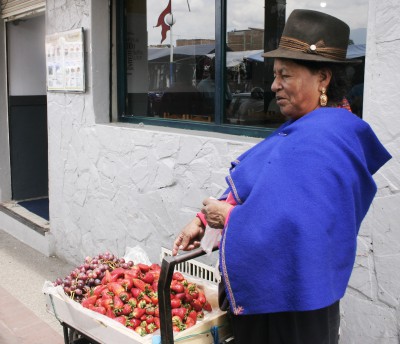
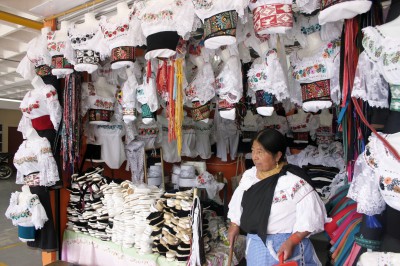
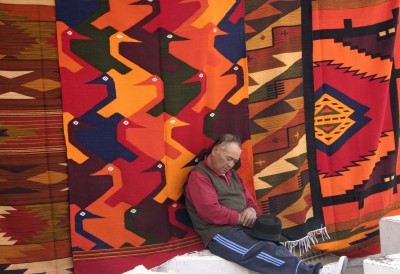
It is one of the most important indigenous markets in the Andes. Food and
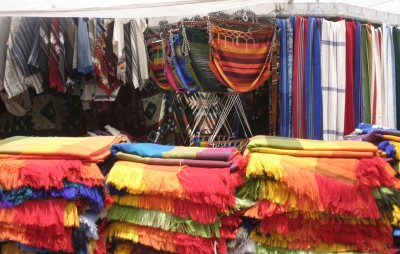
fabrics are for sale in different locations and both are an orgy of colour. The
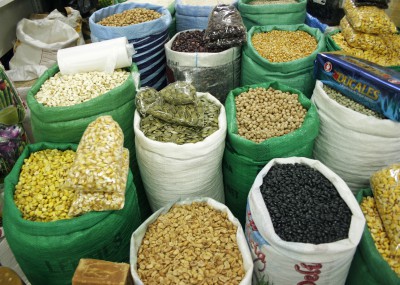
food market has rows upon rows of stalls selling a huge variety of fruits,
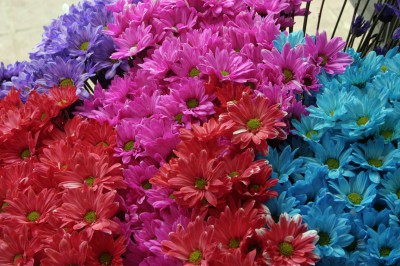
berries, vegetables, beans, pulses, rice, grains, fish, chicken, meat and
roses, of all things. It turns out that Ecuador is the world’s third largest
exporter of cut flowers, including roses.
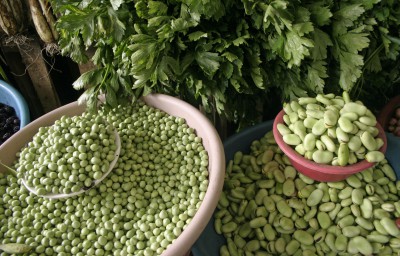
Some of the food products are unrecognizable to me
and, once again, I regret that I do not speak Spanish well enough to ask the
tradesmen and women what they are selling. Being able to strike up a
conversation is one of the best ways I know to get to know people well enough
to get permission to take their picture. As it is, less than a handful indicate
that they are willing to be photographed, so most of my people pictures are of
people’s backs. It is such a shame because many of the people are dressed in
their traditional outfits.
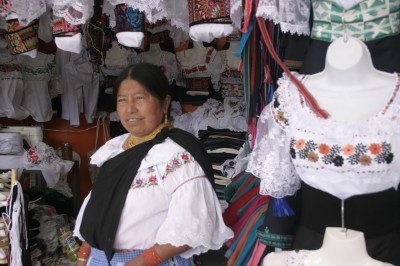
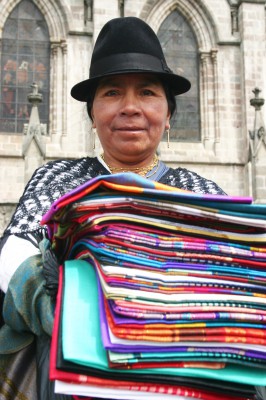
Anyway, I go from the appetising and colorful food and
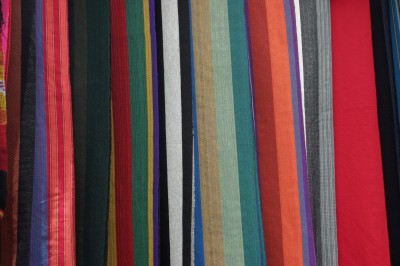
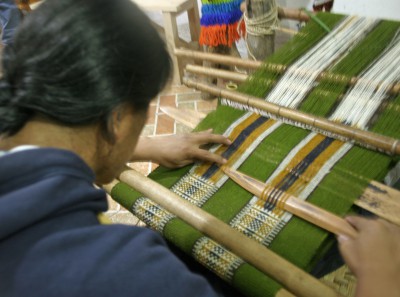
flower market to the even more vibrant hues of the textile market. Here you can
buy blankets, hammocks, blouses, scarves, tablecloths, shawls, ponchos,
sweaters, pillow covers and much more – all of it in bright but not gaudy
colours and oh so soft alpaca wool.
5 – Getting high in the Andes

Ecuador Posted on 10 Apr, 2018 18:17

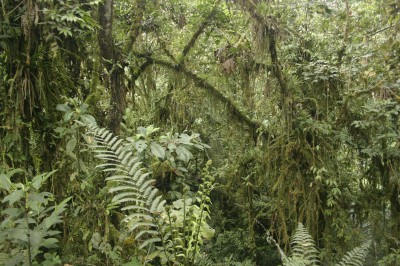
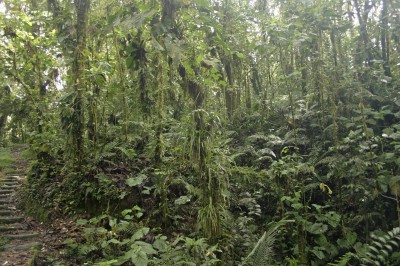
I regret having to leave the lush, biodiverse
rainforest. If I had an extra life or two, I think I might like to be an
ethnobotanist and study the relations between plants and humans – and what more
exciting place to do that than in a rainforest?

Admittedly, the Amazonas rainforest is hot and sticky,
so on that level it is a relief that the next item on our agenda is a drive up
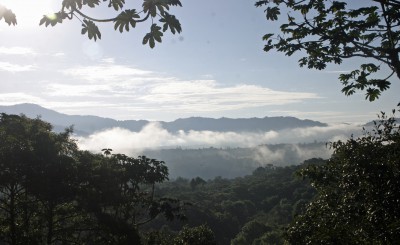
towards the Andes Mountains to a cloud forest – and to a place that is even
more magical.

I have never been in the Andes mountain range before,
so this is a new high for me.

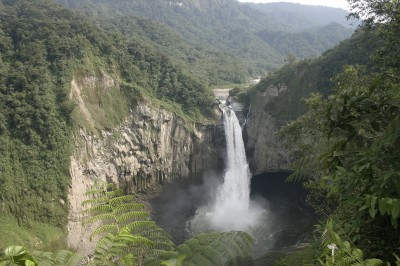
On the way, we pass an impressive waterfall, but the
highlight is, of course the cloud forest, where we stay for a few days at the
amazing Cabañas San Isidro located at 2000 m
above sea level about a two-hour drive from Quito and close to the town of
Baeza.

I can recommend this place for its commendable
ecological awareness, tasty food, pleasant accommodations, gorgeous views in
every direction, incredible biodiversity and easy accessibility. The climate is
good, too, with warm days and cool nights – everything is just perfect!

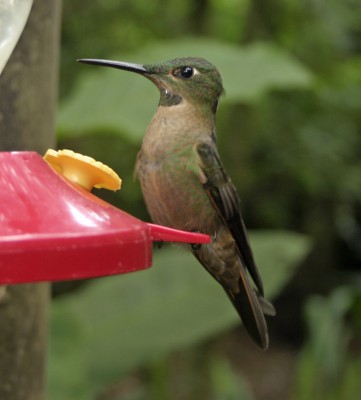
We go for guided walks and see various tiny frogs,
footprints from tapir and ocelet, and numerous bird species that are new to us
and that we did not see in the rainforest – notably a wide array of
hummingbirds.

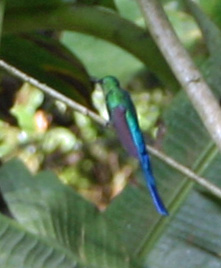
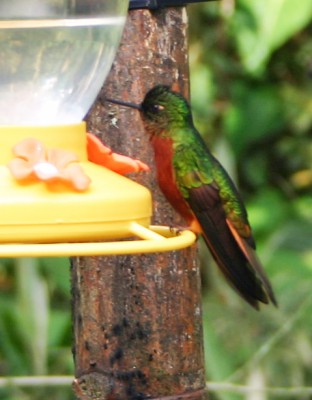
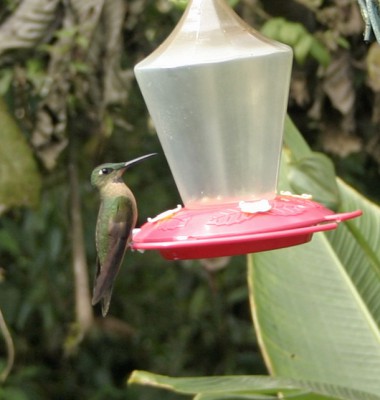
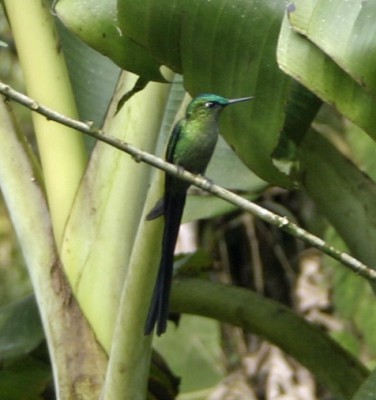
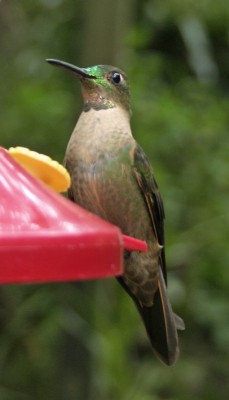
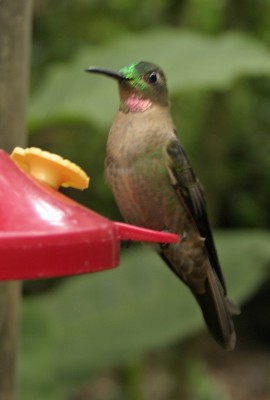
Some of the hummingbirds flash different bright
colours depending on how the sun hits them, some of them have long, elegant
tails, some are aggressive (to each other)
and some are just plain cute. I could spend hours watching these
intriguing little birds.

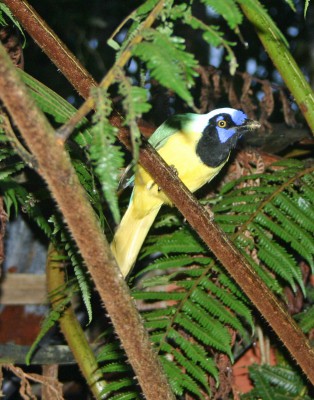
Other fun things that we see are the curious and
colourful Inca jay and a very special owl. The owl is called Mystery San Isidro
Owl and is only found in this particular spot.

It is with even more regret that I say goodbye to this
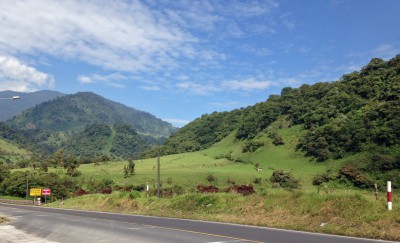
place, but we must go onwards and upwards. We travel further up in the Andes
and stop for a cup of yummy Ecuadorian hot chocolate at a place where there are
yet more new hummingbird species to watch, including glowing puffleg that
shines green on its back and has cheerleader pompoms on its tiny legs (not the one in the photos below).

Next stop is a pure wellness experience: the thermal
baths at Papallacta at 3120 m above sea level. We loll around in the various
pools whose water temperatures range from dishwasher hot to bathtub warm to icy
cold (fed from the nearby stream) while the air is nice and cool. I switch from
the very hot to the very cold a couple of times and find it quite refreshing.

Squeaky clean, totally relaxed and rather sunburned we
continue through the mountain landscape to a pass – our highest point at 4000
and something metres above sea level. We scan the sky for the iconic Andean
condor, but unfortunately do not see any. However, we do see the rump of a
white-tailed Andean deer.


4 – Farming Amazonas style

Ecuador Posted on 08 Apr, 2018 21:17

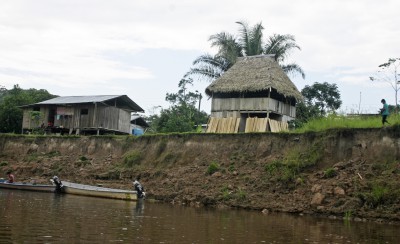
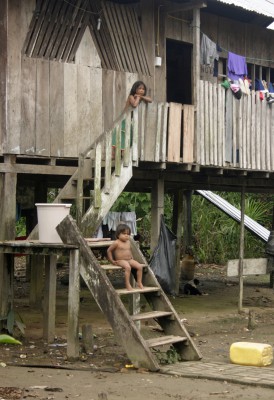
On one of our days in the Cuyabeno Reserve we visit
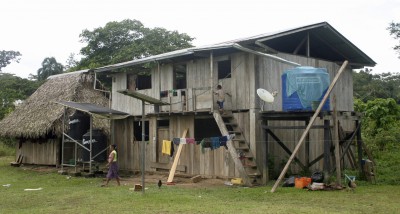
the local village Puerto Bolivar, where Siona people live. They farm, fish and
invite tourists to visit them. The village is neat and tidy with flush toilets,
running water, and recycling bins. Indeed, that seems to be the order of the
day all over Ecuador.

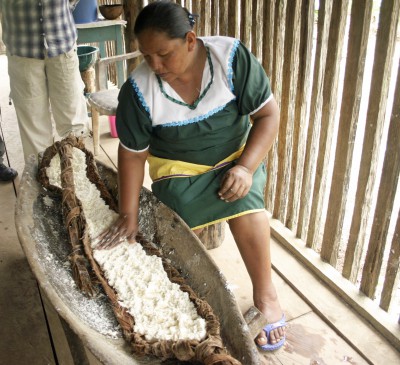
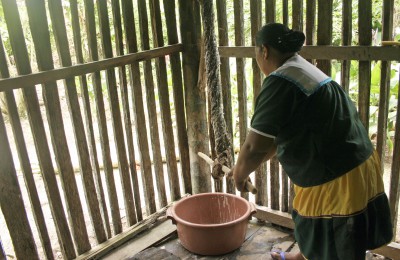
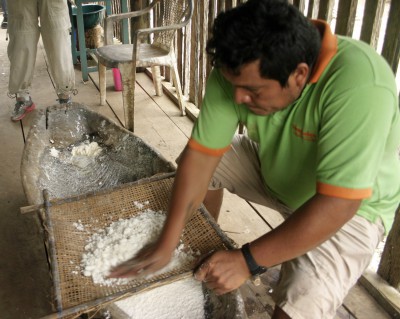
We are given a demonstration of how cassava (aka
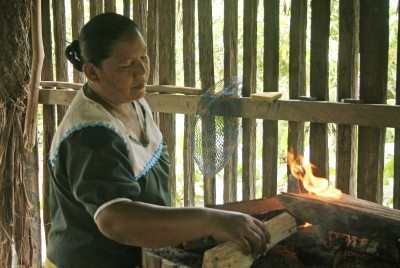
tapioca or manioc) is planted, grown, harvested, grated, squeezed dry and made
into a large pancake-like bread that is then cooked over an open fire. From
ground to griddle!

We eat it with pineapple marmalade. Besides cassava,
the Siona people in this village grow chili, cacao, coffee, tree tomatoes (a
palm tree fruit), bananas, potatoes (there are dozens of varieties of potatoes
in Ecuador), beans, mangoes and papayas and have chickens.


3 – Rainforest routine: biodiversity at every turn

Ecuador Posted on 06 Apr, 2018 19:55

We spend the next few days in the jungle, either cruising
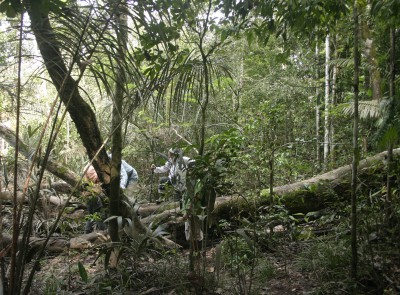
slowly along the river and scanning the sky, the shoreline, the trees and the
water for birds, mammals, fish, reptiles, and insects, or walking in the
rainforest during the day or night. Whether it is day or night, and whether we
are on water or on land, it is immensely satisfying to experience the lush
verdure of the rainforest and to hear the constant symphony of birds, cicadas,
and monkeys. It is altogether quite overwhelming.

Already on our first day, more than a full page in my
diary gets filled up with the list of the different species we see. Our
adventures begin at sunrise with a ride in the canoe. The morning sun reveals a
myriad of bird life, from tiny hummingbirds (black-throated mango) to groups of
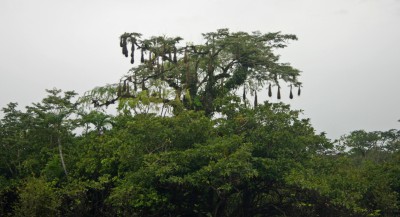
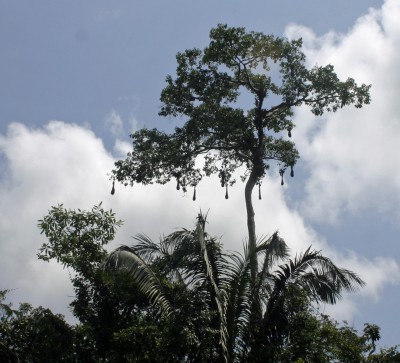
bizarre-looking, clumsy Hoatzin. We see oropendola and their nests. These birds
weave drop-like nests that hang like Christmas decorations from acacia tree
branches. Both the males and the females contribute to building the nests. We
also spot similar nests that are not as pendulous. They are built by
yellow-rumped cacique and are clumped on very thorny palms so no predators can
crawl up to them. We also see a yellow-handed
titi monkey.

After breakfast on the first day, we go for a walk in
the rainforest and learn about the uses or dangers of the various plants, such
as curare (for dart poison) and quinine (for treating malaria). We also see
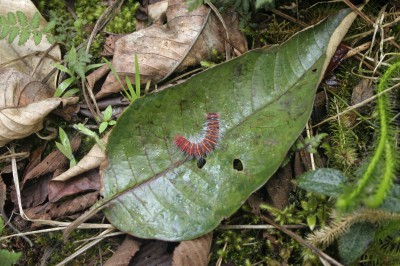
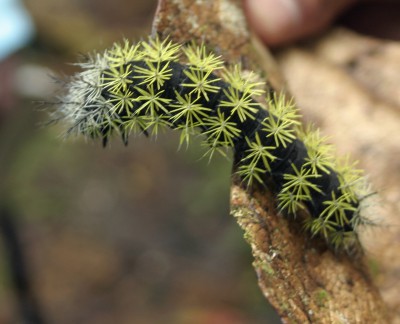
lots of interesting spiders, caterpillars, butterflies, ants, frogs, toads, and
orchids.

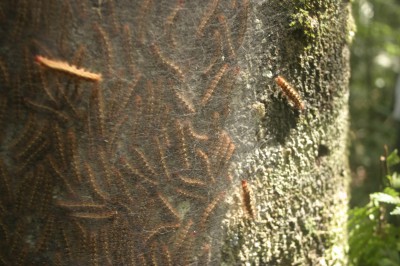
Some larvae travel up the tree in a group to feed then
back down to bed down for the night. They weave a collective thin covering to
protect themselves, but if they are not home by bedtime, the others will not
let them in. Instead, the latecomers will probably end up as prey.

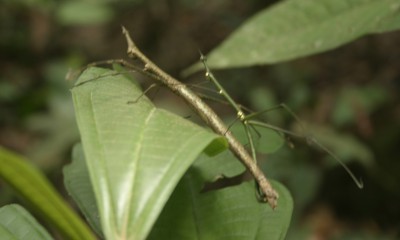
Many animals are experts at camouflage so it is a good
thing we have our guide Luis with us to spot the nearly invisible. Can you see
the stick insect in the photo below? Can you see two? A green male is mating a
somewhat larger brown female that looks exactly like a twig.

We spend our afternoon on the water and see squirrel
monkeys, owl monkeys and birds, birds, birds. I won’t bore you with the list of
about 40 species (!) of hawks, falcons, kingbirds, kingfishers, vultures,
flycatchers, macaws, tanagers, herons, jays and so on that we see this
afternoon. Suffice to say that we see new things at every turn.

And so the days go watching wildlife. In addition to
what we saw the first day we see countless more birds, including toucans,
parrots and ibis, another river dolphin, a furry-tailed saki monkey, capuchin
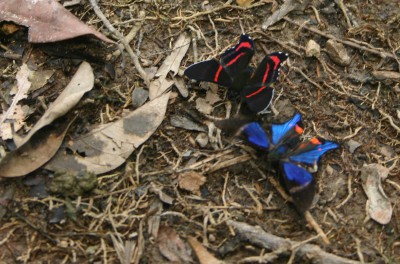
monkeys, iridescent butterflies that flap gently in the air like fairy
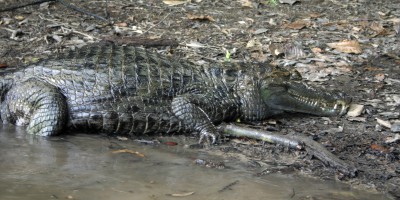
ballerinas, fireflies, fruit bats, a caiman and a three-toed sloth. Did you that
know that sloths – three-toed sloths in particular – are actually kind of
greenish? They have a complex symbiotic relationship with sloth moths and algae
that grow in their hair.

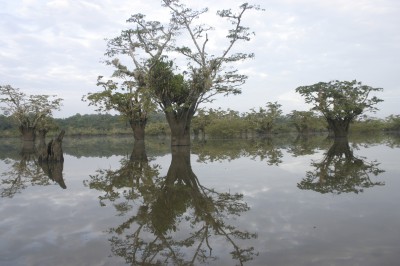
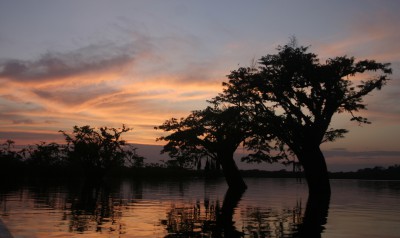
On one magical evening, we go for a ride in the canoe
to enjoy the sunset in the lagoon. The water level varies up to eight metres
from dry to wet season.

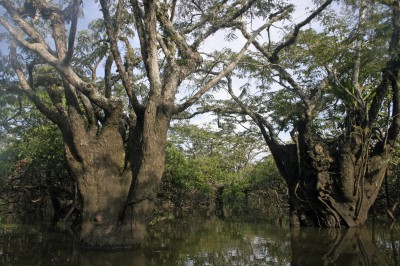
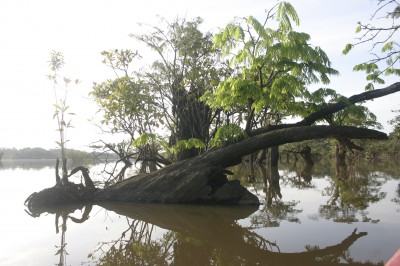
The partly submerged macrolobium trees, that are
reminiscent of African baobab trees, lend an otherworldly appearance to the
scene. As the sun dips towards the horizon everything turns orange.

My photographs cannot capture the many birds,
half-hidden monkeys or flitting fireflies. Neither can they do justice to how
it actually feels to be here with the
muggy warmth, the symphony of sounds day and night, and the smells of the humid
earth, plants and fragrant flowers.


2 – Journey into the jungle

Ecuador Posted on 04 Apr, 2018 19:12

A short flight from Quito brings us to the less-than-exciting
oil industry town Lago Agrio. Then we drive for about two hours before reaching
the spot where we board the motorised canoes that will bring us deep into the
jungle in Cuyabeno Reserve. With its astounding biodiversity the seasonally flooded rainforest in
this reserve is a delight for anyone even mildly interested in nature.

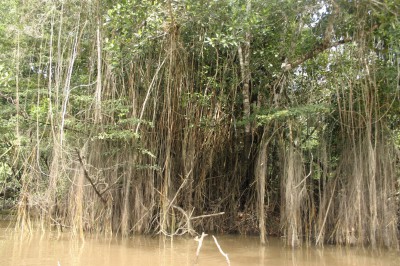
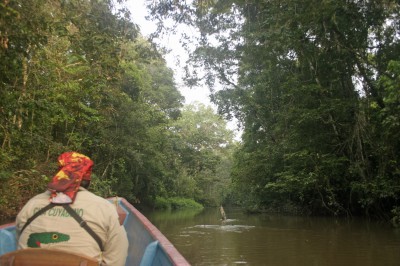
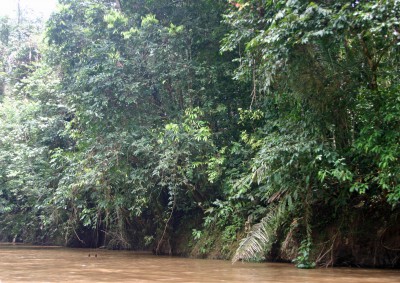
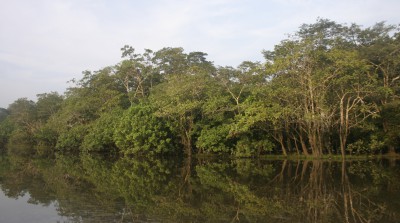
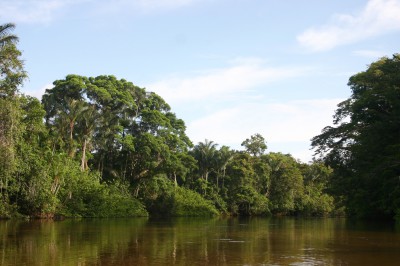
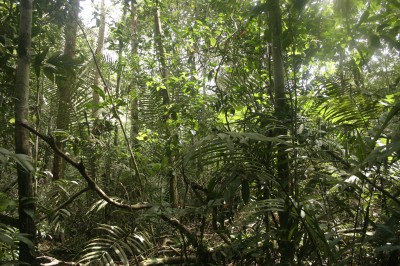
A wall of green greets us on both sides as we glide on
the river for an enchanting 4-5 hours. Palms and other trees, epiphytes, vines
and flowers compete for light and nutrients. Birds cheep and squawk, monkeys
call, and cicadas sing.

In the river, we see two elegant river dolphins that
swim synchronously and make sneezing sounds when they come up for air. I think
I also see the back of a river otter by the riverbank. I am not sure, but what
else could it be with such a sleek hairy back?

In the forest, a two-toed sloth chills out far above
us while Columbian red howler monkeys, white-bellied spider monkeys and
black-mantled tamarins peer down at us from their lofty perches. Our amazing local
guide Luis with vision like a hawk points out a tidy row of four snoozing short-nosed bats the size of thumbnails clinging to the underside of a leaf, a
non-poisonous rusty whipsnake, and an emerald lizard.

The number of bird species we see on this, our first
river trip, is also impressive and includes the near-threatened, large and
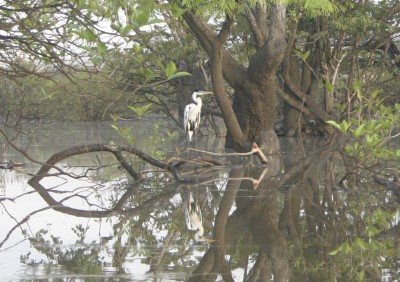
beautiful harpy eagle, turkey vultures, heron-like anhingas with their
snakelike necks, and noisy speckled chachalacas.

As we glide along the river that twists and bends, new
vistas constantly open up. It seems to go on forever. I cannot help wondering
what early explorers thought when they first discovered this seemingly endless
cornucopia of living beings, this dense and mysterious jungle with all its
animal sounds.

After arriving and settling in at Siona Lodge, our lovely jungle home for the next few days, we go
for an evening walk in the forest. In the light of a flashlight, we see a
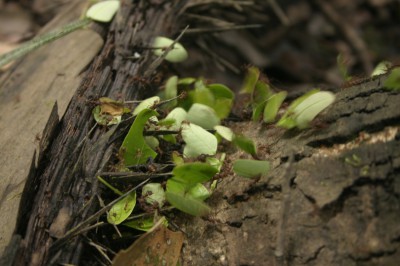
tarantula lying in wait for its next victim, a leaf cutter ant highway packed
with industrious ants carrying their green burdens, colourful frogs, a scorpion
spider, which is neither a scorpion nor a spider, and other interesting creepy
crawlies. Neat stuff!


1 – Exciting encounters on the equator

Ecuador Posted on 31 Mar, 2018 15:46

From sweating in the steamy jungle to tramping in the
cool cloud forest, from sauntering in a colourful market to swimming with
penguins in the vast Pacific Ocean, and from quick glimpses of elusive
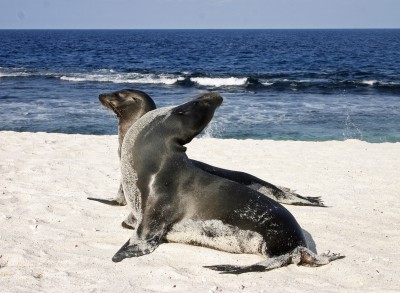
hummingbirds to close encounters with docile sea lions – so many adventures in
a country slightly smaller than Italy (or Colorado). This is Ecuador! From the
fresh, thin air in the lofty Andes Mountains to the bracing, salty, sea level
air of the Galapagos Islands, every breath I take seems to bring new
adventures.

Where to begin my tale? The main reason for my
choosing to visit Ecuador is to enjoy the nature and wildlife, but let’s start with
a bit of cultural and political background. First stop on the agenda is the
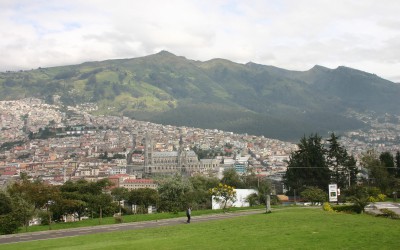
city of Quito, the capital of Ecuador (population 2 million). Nestled in the
Andes Mountains at 2850 m above sea level it is the second highest capital city
in the world (after La Paz). It lies in a valley with a deep gorge and sprawls
about 35 km in its length. The mountains limit its expansion in the other
directions so although houses do cling to the mountainsides, the city is only 5
km wide.
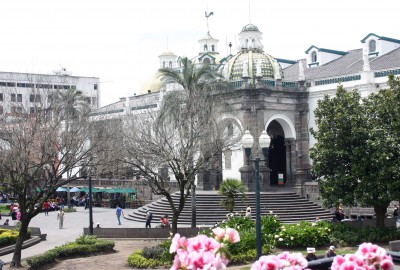
The old part of town is particularly charming with its
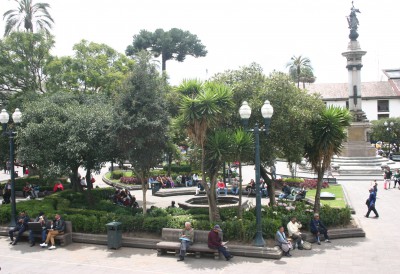
parks, plazas, monuments, and ornately decorated Spanish Colonial churches and
buildings – it is in fact a UNESCO World Heritage Site.

The Spaniards were, of course, not the first people
here. The peaceful Quitu people dominated the area until the expansionist Incas
came along in the mid-1400s and eventually conquered Quito around 1500. The
Inca introduced a sun god, roads, taxes, collective land ownership and new
crops such as cacao, sweet potatoes and peanuts.
After the Incas came the Spanish with their horses,
weapons and germs. Exit Inca civilization; enter Spanish rule, Christianity,
devastating diseases and economic mismanagement. Ecuador finally broke free and
became independent from Spain in 1822. It became part of something called Gran
Colombia that also included Venezuela and Colombia. This amalgamation did not
work out and Ecuador became a fully independent nation in 1830.

First cacao, then
bananas and now oil are major sources of income. Politically and economically,
there have been good times and hard times. A notable leader was the leftist Rafael
Correa from 2006 until 2017 who invested heavily in health care, education,
roads and pensions. However, much of the money for these much-needed and very
welcome reforms came from taxing oil profits. Although Ecuador in many ways
seems to be ecologically aware, recent permits to drill for oil in the Yasuni
National Park do not really harmonise with an environmentally-friendly outlook. Apparently, even
socialists prioritise capital over nature.


10-Images of Greenland

Greenland Posted on 07 Aug, 2017 21:50

By now you
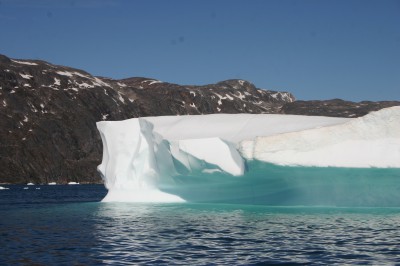
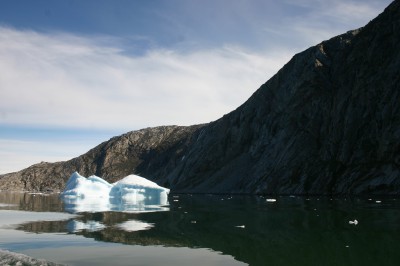
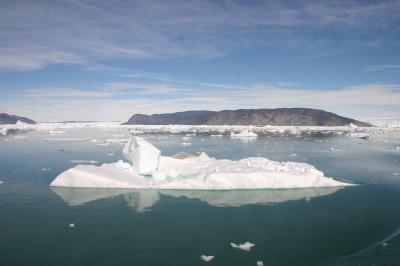
might have noticed that a trip to west Greenland involves seeing lots of ice. I
cannot get enough of these beautiful and fascinating icebergs. Many years ago,
on the northernmost tip of Newfoundland, I stood and watched a tiny iceberg
floating by in July. This was the first iceberg sighting in my life and I was
pretty excited to think that this was a chunk of ice that had spent about two
years making its way from the Arctic waters between Greenland and Baffin Island
before coming so far south that it had almost melted completely away. And now,
many years later, I am visiting the birthplace of all these icebergs! Pretty
cool, eh?

Anyway, on
my last day in Greenland I take a full day boat trip out to Eqi Glacier,
approximately 90 km north of Ilulissat. It is a very pleasant 6-7 hour
excursion to a glacier that is famous for its frequents calvings. In fact, it calves
twice as we lie in wait for a couple of hours with the boat’s motor turned off,
enjoying the silence and cold air.

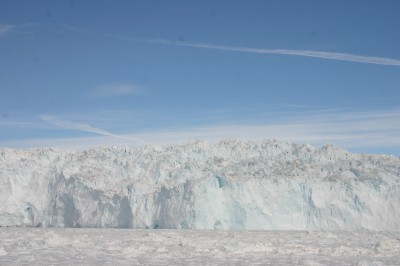
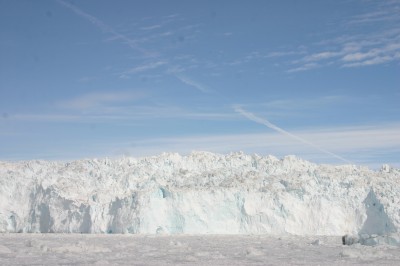
Although we
are bobbing in the water 1.5 km away from the face of the enormous glacier, it
looks much closer. Huge lumps and slices of ice crumble and slide off the
glacier. Then comes the deep “boom” sound. And then come the waves. Really neat
stuff.

Eqi Glacier
is about 200 m high, of which only 30-180 m stick up above the water. It is
about 2.8 km wide.

Enough of
facts and figures. In this final Greenland travel blog entry I am including a
link to a YouTube video I made with help of my smartphone: Images of Greenland July
2017
.

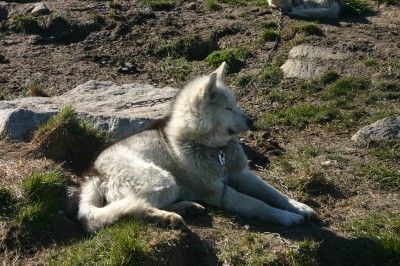
Otherwise,
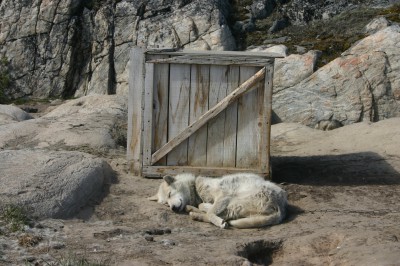
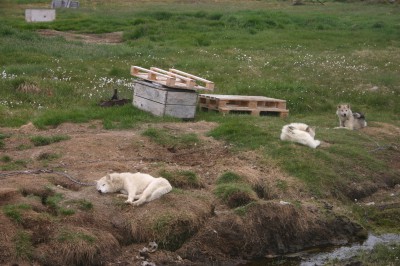
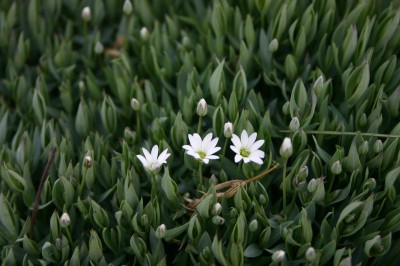
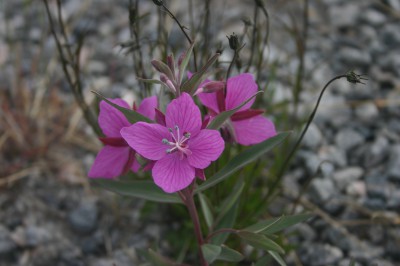
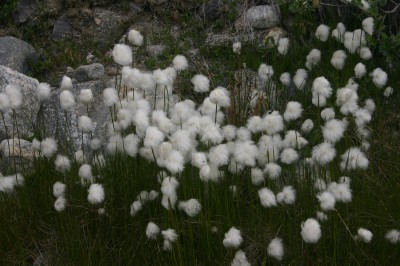
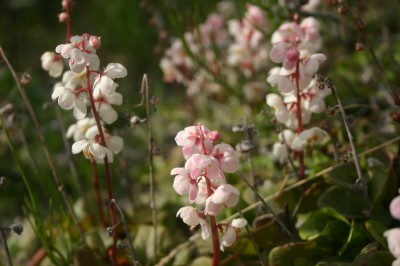
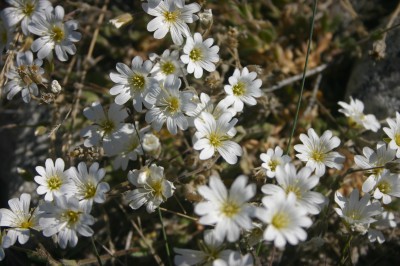
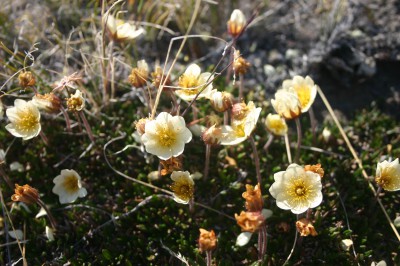
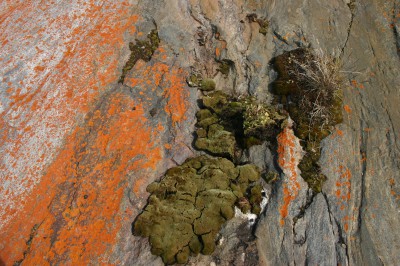
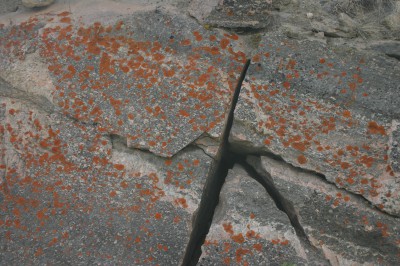
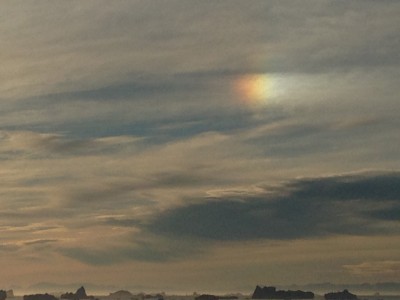
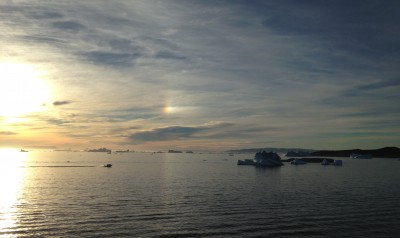
I hope you enjoy the following photos of Greenland’s dogs, flowers, lichen-covered
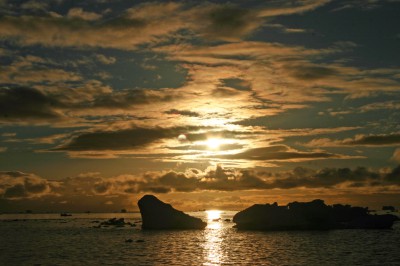
rocks and midnight sun.


9-Quiet days in Oqatsut

Greenland Posted on 06 Aug, 2017 15:29

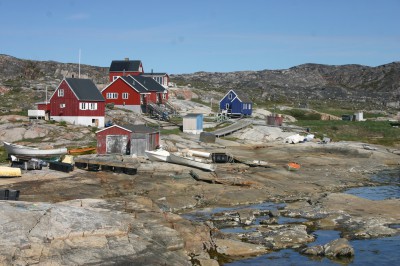
If you are
looking for some down time, totally unplugged, away from television and
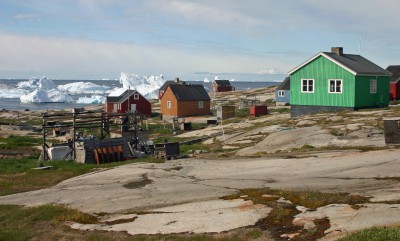
cyberspace, I suggest you go to the laid back, pretty little village of Oqatsut
not far north of Ilulissat.

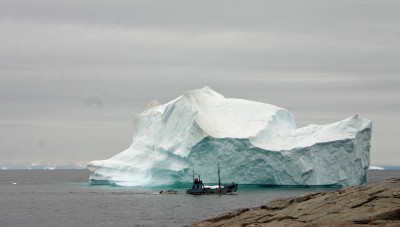
Depending
on the type of boat you go in, it takes about 45 minutes through a labyrinth of
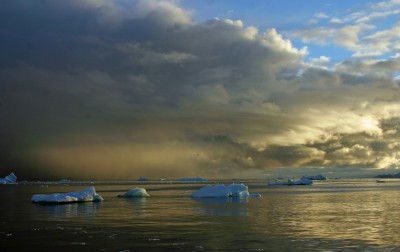
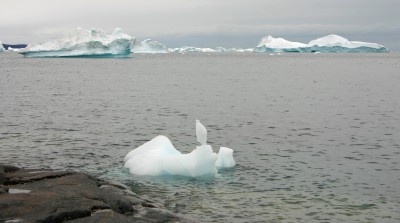
impressive icebergs to get there. The boat trip has me going camera crazy
again. I cannot get enough of these icebergs.

Oqatsut is
probably not the place to go for action-seeking people with ants in their
pants.

To fully
enjoy your stay in Oqatsut you need to be able to derive pleasure from at least
one of the following activities:

·
sitting
for hours watching icebergs floating by on the water

·
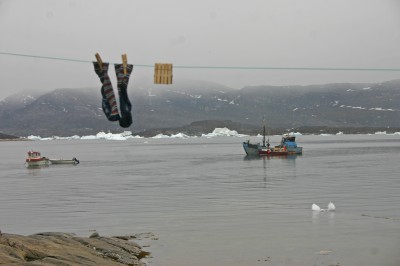
watching
socks drying in the rain

·
taking
repeated walks in the village that has only 35 inhabitants plus a corresponding
number of sled dogs

·
enjoying
the view from a bench on high overlooking the fjord

·
eating
seal fat and whale skin at the amazingly good restaurant

·
reading
a book with lots of pages

·
having
long conversations over lazy breakfasts with your fellow 4-5 travellers

·
striking
up a conversation with whoever crosses your path during the day

·
taking
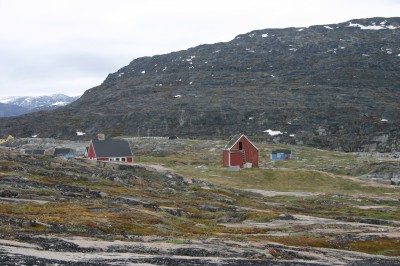
photos of icebergs, lichen-covered rocks, colourful houses, and sled dogs

·
discovering
a Danish-Greenlandic dictionary so you can look up all the words for “snow”,
“ice” and “seal”

I enjoy all
of these things, so spending time here is very pleasant.

I sit for hours on the rocks at the edge of the village and watch the icebergs. Twice I
hear a deep “boom” which means that an iceberg has just calved.

I watch a
particular iceberg for a very long time, waiting for the skinny part of it to
melt and fall off. Suddenly the whole iceberg loses its balance and rolls over.
Then it presents another shape for me to look at.

I also
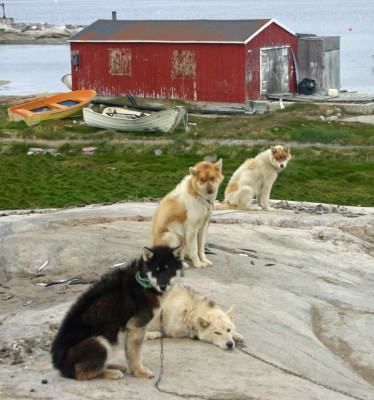
spend lots of time strolling through the village. One day, I spend time looking at and taking
pictures of the dogs. A local man feeds his dogs their daily ration of fish and
he waves at me to come on up and join him. I do so, and get up close and
comfortable with his group of dogs, that includes roly-poly puppies that are so
fat they are almost square.

Another day
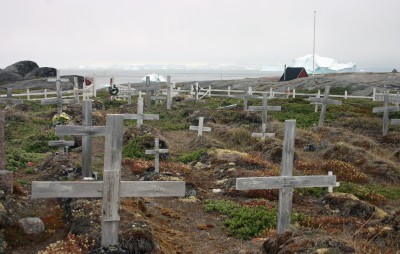
I wander behind the village’s restaurant and discover the graveyard, where the
dead are buried so they have a view of the sea.

On my final
evening in Oqatsut I treat myself to Greenlandic specialties consisting of
Greenlandic sushi, seal blubber (I can really get addicted to that, even though
it sounds weird), dried seal meat, dried cod (kind of a feathery texture),
dried ammassat (small fish), and whale skin (rather chewy – a bit like squid). The
evening before I ate whale meat, which was very delicious.

So much excitement in just two days and two nights!


« PreviousNext »