
 |
 |
 |
 |
 |
 |
 |
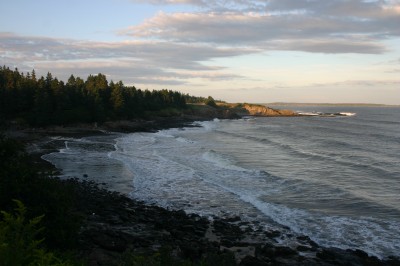 |
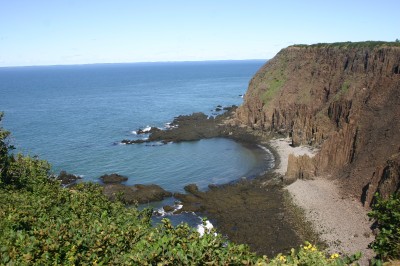
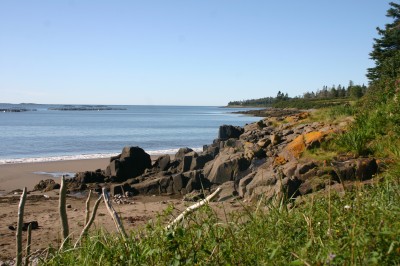
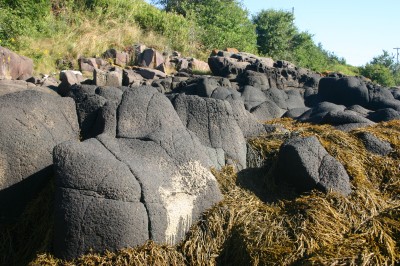
The rugged island coastline of the island of Grand Manan has breathtaking views of the cliffs towering above the Bay of Fundy and I spend happy hours hiking in the heights and catching both sunrise and sunset views.
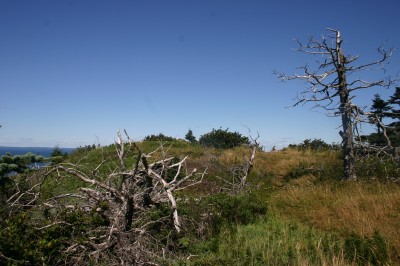
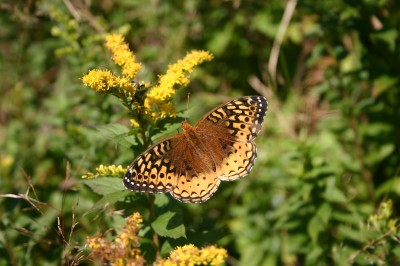
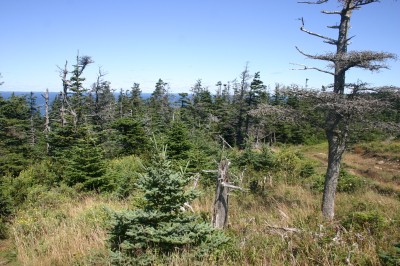
The vegetation, although battered by the marine elements, is wild and diverse. I walk through dense and fragrant shrub and woods that abound with wild asters, daisies, yellow potentilla, rose hip, goldenrod, and butterflies. I even see an apple green snake – the Eastern Green Snake.
An animal that appeals to me much more than the lowly snake is the grandest of them all – the whale. There are lots of them in these waters and Grand Manan used to have whaling. The fisherman preferred the North Atlantic Right Whale (hence the name “right” whale), because this species of whale is friendly and curious. The whales often come right up to the boat, making the unsuspecting whales easier to harpoon. Because of all their fat, they float when they are harpooned, making them easier to haul in.
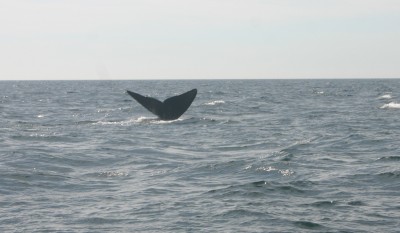
These characteristics were almost the demise of the Right Whale and they neared extinction. Although they are now protected, they are still the world’s rarest whale. There are only about 450 of them in this area, so it is quite a treat to see a couple of groups of them on a whale-watching trip in the Bay of Fundy. The whales frolic gaily, lifting up their heads almost as if to greet us, showing us their huge backs and that most wonderful of nature’s shapes, their tails, before making their deep dives.
We also see Harbour Porpoise and an Ocean Sunfish, a funny-looking round thing with a fin on its back. It is swimming on its side for some reason, looking like a huge pancake. Atlantic puffins, guillemots, shearwaters and many other seabirds grace the skies. Wilson’ storm petrels fly along the surface of the water, dangling their legs to stir up some fish for an afternoon meal.
